



 1st - Gold

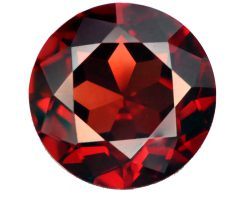 January
 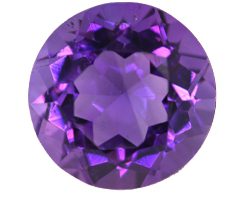 February
 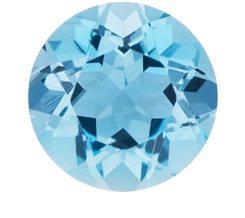 March
March 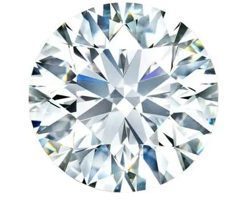 April
April 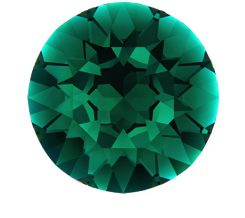 May
May 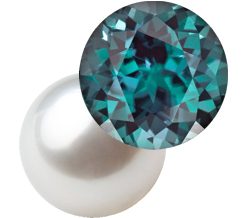 June
June 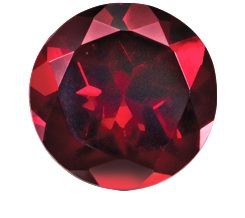 July
July 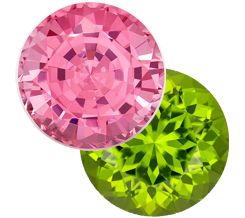 August
 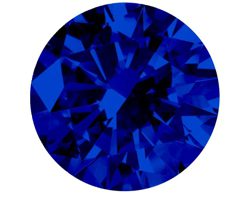 September
 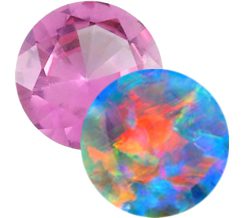 October
 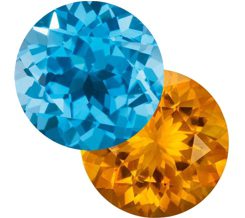 November
 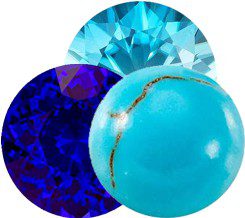 December
 Capricorn - Garnet
  Aquarius - Amethyst
  Pisces - Aquamarine
  Aries - Diamond
  Taurus - Emerald
  Gemini - Pearl
  Cancer - Ruby
  Leo - Peridot
  Virgo - Blue Sapphire
  Libra - Opal
  Scorpio - Topaz
  Sagittarius - Tanzanite


Black Star Diopside Gemstones – Properties, Origins, Treatments and Buying Guide
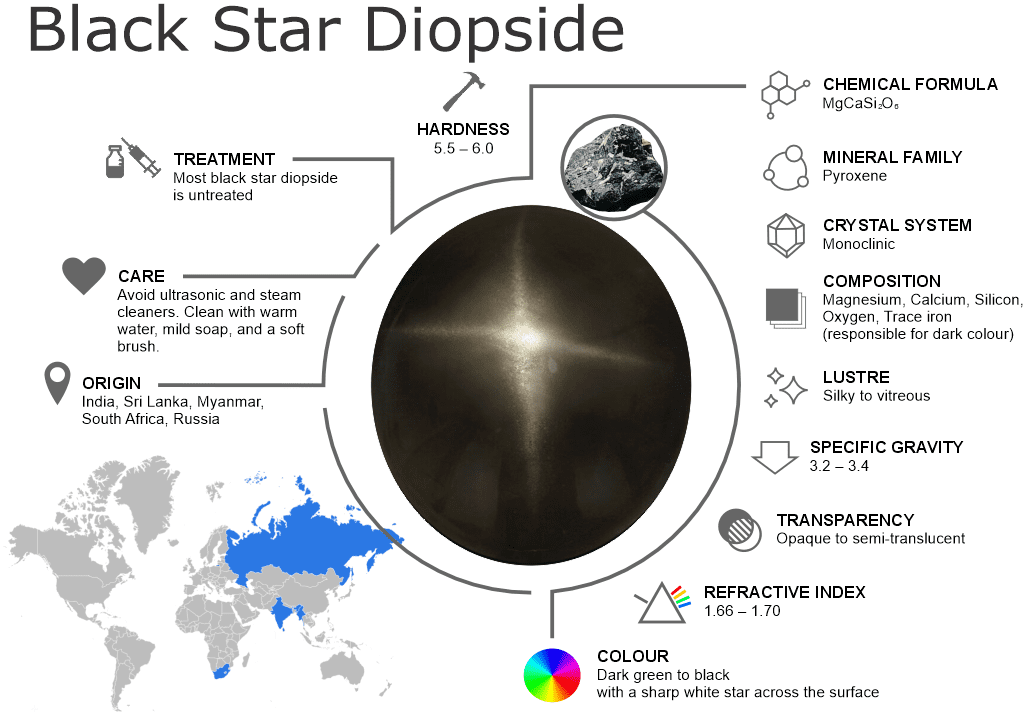
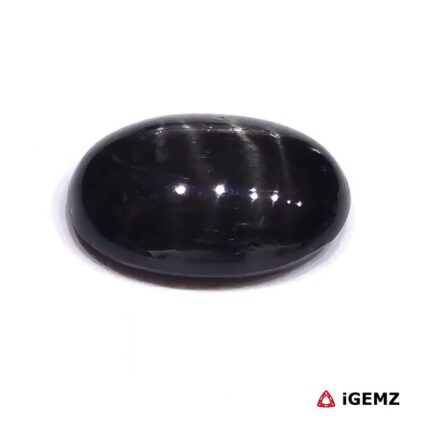
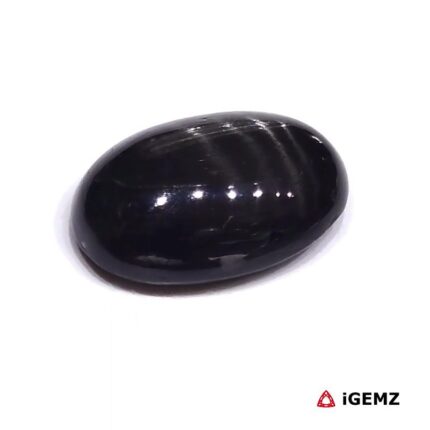
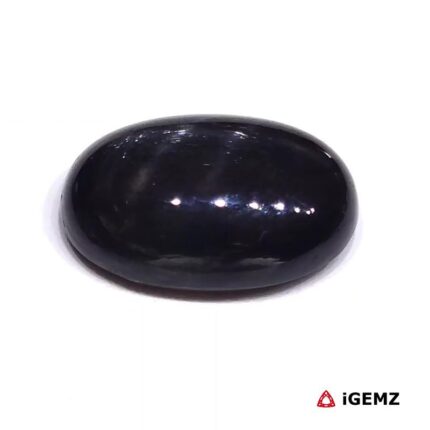
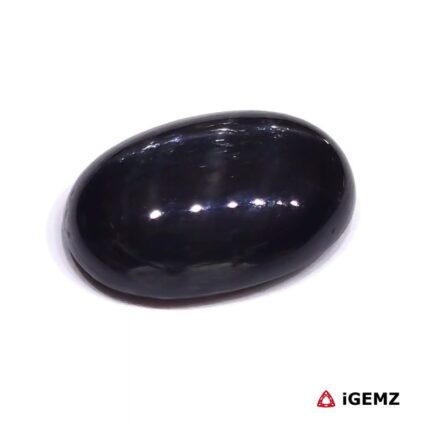
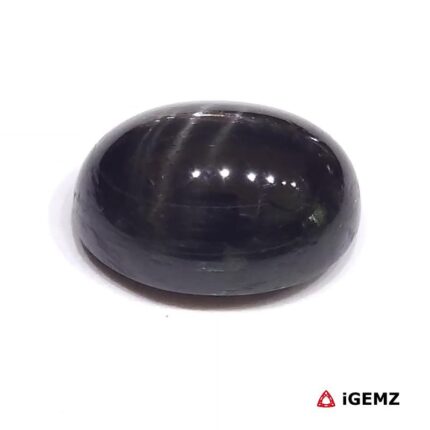
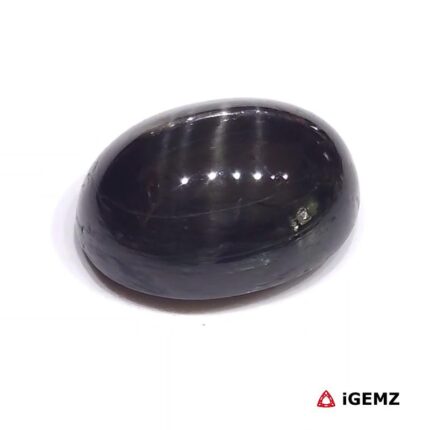
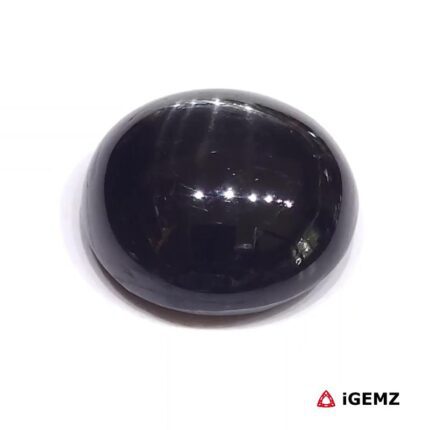
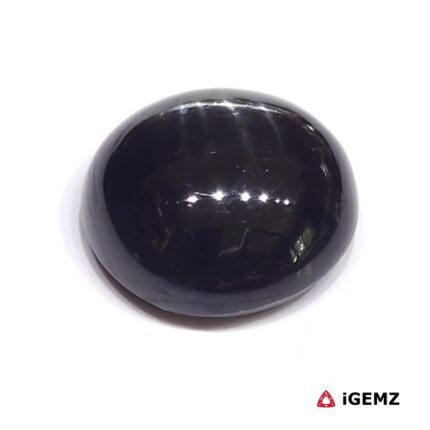
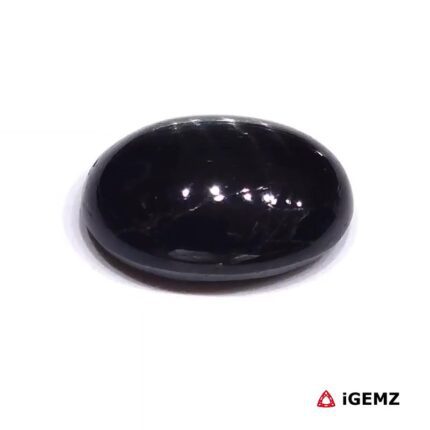
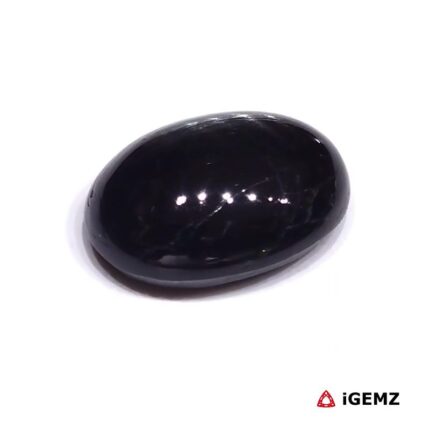
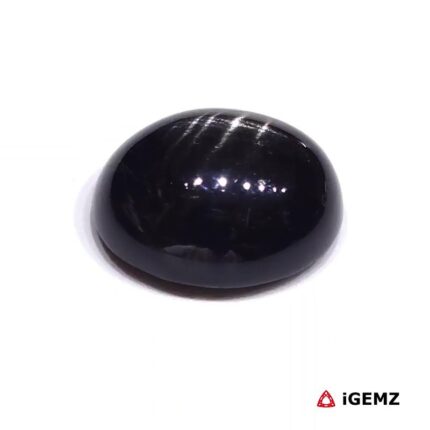
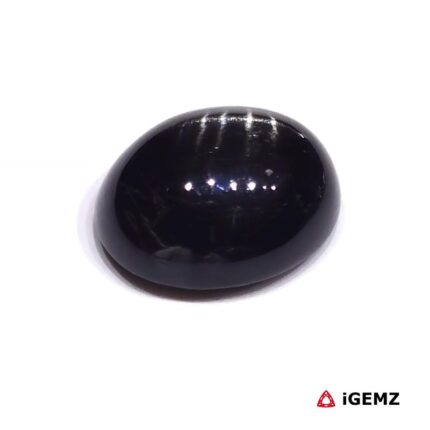
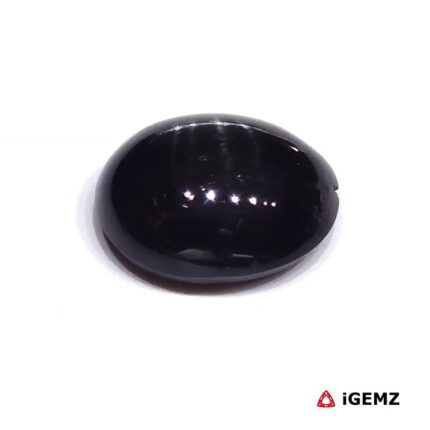
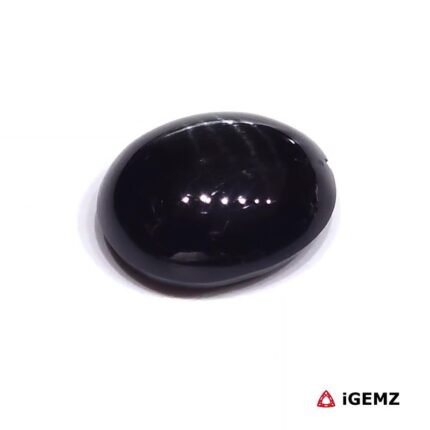
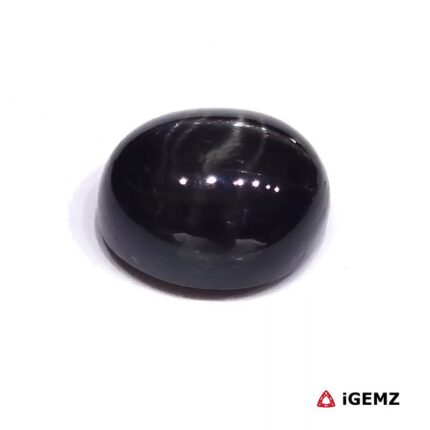
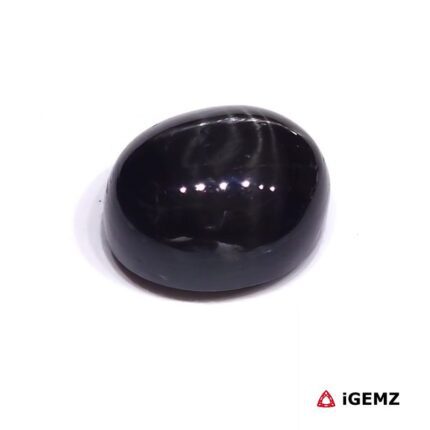
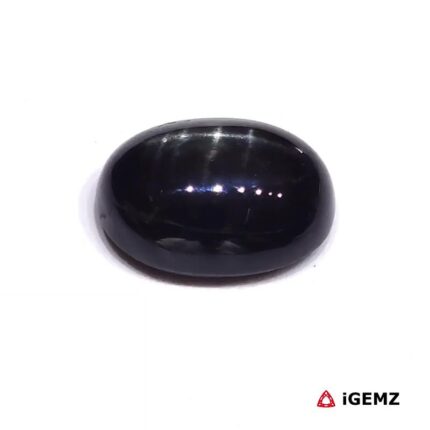
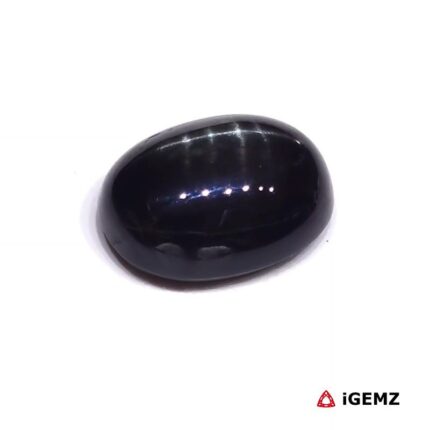
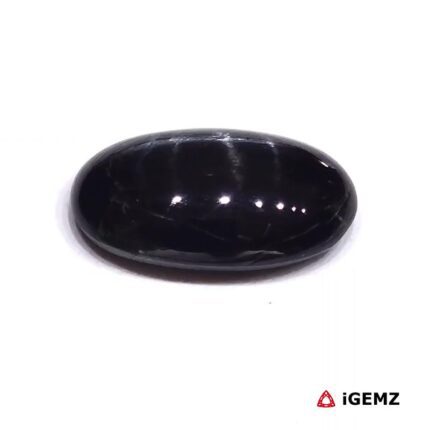
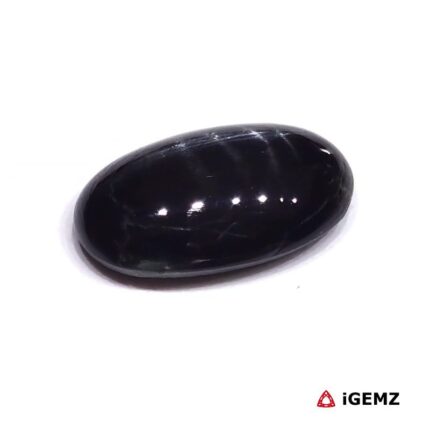
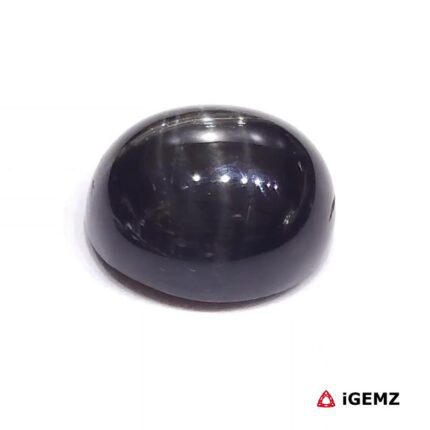
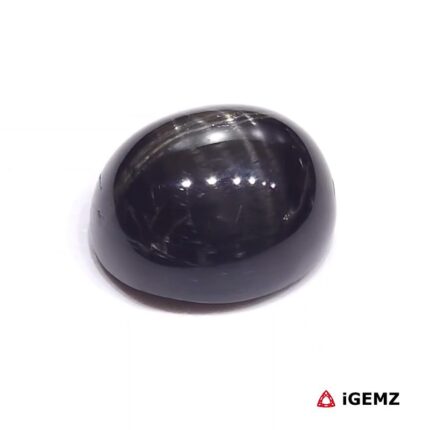
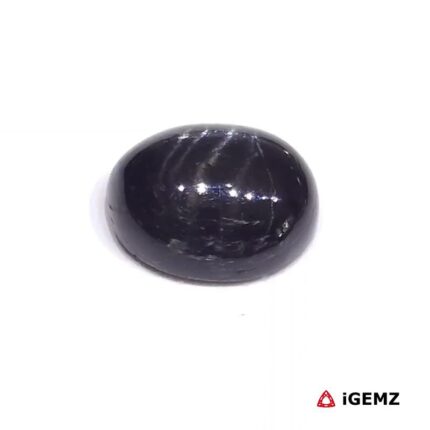
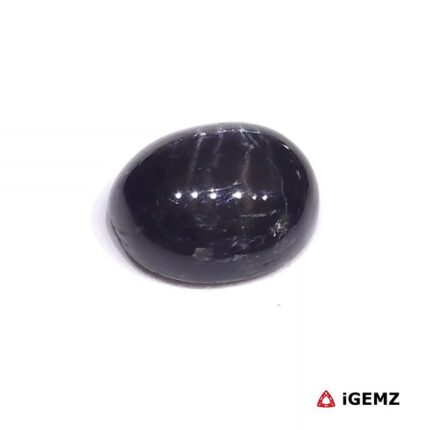
Black Star Diopside is a dramatic and striking gemstone, renowned for its deep green to black colour and distinctive asterism (star effect). Unlike other dark stones, black star diopside captures attention with its silky chatoyant lines that shimmer across the surface when moved under light.
In this guide we examine black star diopside from a professional gemmological and commercial perspective, covering its physical properties, crystal structure, treatments, origins, and how to identify fine-quality stones.
What is Black Star Diopside?
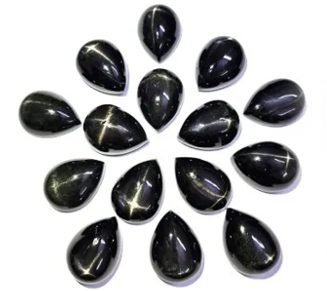
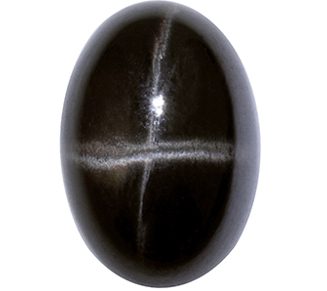
Black Star Diopside is a variety of diopside, a pyroxene mineral, which shows a unique asterism (four-rayed star) caused by needle-like inclusions of hematite or goethite. It forms in metamorphic rocks and occasionally in igneous intrusions. This gem is mostly cabochon-cut to best display its star effect.
Mineral Composition

Black Star Diopside has the chemical formula:
MgCaSi₂O₆ (with iron traces)
This means it is composed primarily of:
Magnesium
Calcium
Silicon
Oxygen
Trace iron (responsible for dark colour)
The asterism is caused by aligned needle-like inclusions of hematite or goethite within the crystal.
Mineral Family and Crystal System

Black Star Diopside belongs to the pyroxene mineral family.
Its crystal system is monoclinic, producing elongated prismatic crystals that form in metamorphic rocks and sometimes igneous environments.
Optical and Physical Properties
Black Star Diopside combines deep colour, high polish, and chatoyancy, making it highly desirable for cabochon jewellery and collectors.

Lustre
Silky to vitreous, enhancing the star effect.

Transparency
Opaque to semi-translucent; gem-quality cabochons show light through thin edges.

Refractive index
1.66 – 1.70, giving moderate brilliance under light.

Specific gravity
3.2 – 3.4, typical for diopside minerals.
Colour Range
Black Star Diopside is typically dark green to black with a sharp white star across the surface.
The finest stones show evenly distributed stars with strong contrast against the dark body colour.
Mohs Hardness and Durability

Black Star Diopside has a Mohs hardness of 5.5 – 6.0. It is suitable for pendants, earrings, and occasional wear rings.
Care must be taken due to its brittle nature and susceptibility to chipping along cleavage planes.
Treatments

Most black star diopside is untreated. Occasionally, minor polishing is applied to enhance the star effect. No heat or coating treatments are generally used.
Care and Cleaning
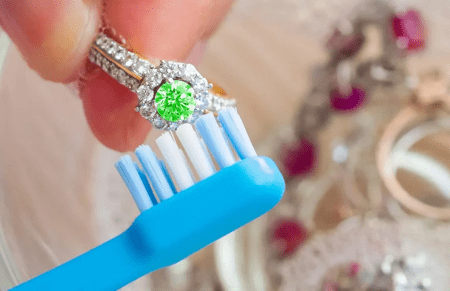
Avoid ultrasonic and steam cleaners.
Clean with warm water, mild soap, and a soft brush.
Store black star diopside separately from harder stones to prevent scratches.
Major Origins

Major sources of black star diopside include:
India
Sri Lanka
Myanmar
South Africa
Russia
Frequently Asked Questions
Is black star diopside a natural gemstone?
Yes, <a href=”https://www.igemz.co.za/product-category/natural-gemstones/black-star-diopside/” target=”_blank”>black star diopside</a> occurs naturally and is valued for its unique star effect.
What colours does black star diopside come in?
Typically dark green to black with a sharp white star across the surface.
Is black star diopside treated?
Most stones are untreated. Minor polishing may be applied to enhance the star effect.
Is black star diopside suitable for everyday wear?
It is relatively soft (Mohs 5.5–6) and brittle; suitable for pendants, earrings, and occasional rings.
How is the star effect formed?
The star is caused by needle-like inclusions of hematite or goethite aligned within the crystal.
Can black star diopside be scratched easily?
Yes, it can be scratched by harder stones; store separately.
Where does the finest black star diopside come from?
India, Sri Lanka, and Myanmar produce high-quality specimens.
How should I clean black star diopside?
Use warm water, mild soap, and a soft brush. Avoid ultrasonic and steam cleaners.
Is black star diopside valuable?
Yes, rare stones with sharp stars and dark, even colour are highly collectible.
Can black star diopside be used in rings?
Yes, but rings should be worn carefully to avoid impacts that could chip the gem.