



 1st - Gold

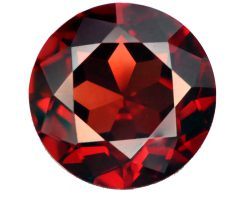 January
 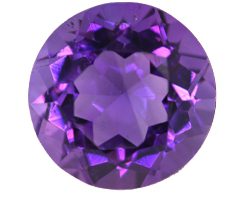 February
 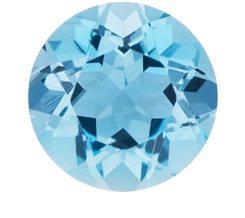 March
March 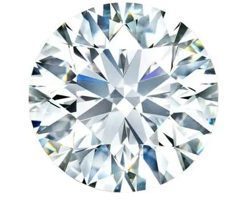 April
April 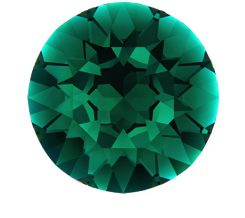 May
May 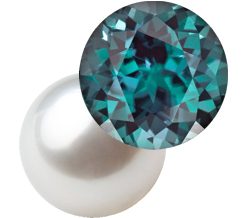 June
June 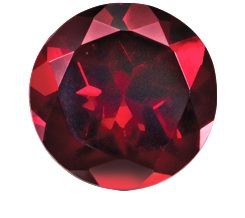 July
July 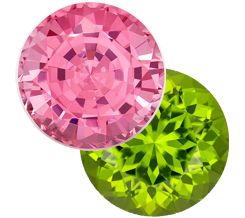 August
 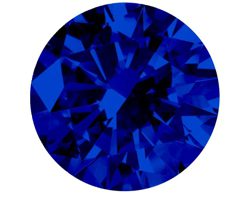 September
 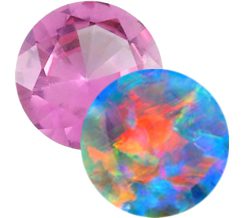 October
 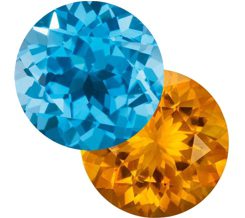 November
 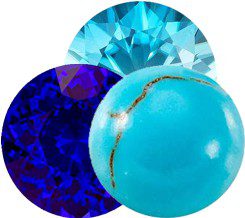 December
 Capricorn - Garnet
  Aquarius - Amethyst
  Pisces - Aquamarine
  Aries - Diamond
  Taurus - Emerald
  Gemini - Pearl
  Cancer - Ruby
  Leo - Peridot
  Virgo - Blue Sapphire
  Libra - Opal
  Scorpio - Topaz
  Sagittarius - Tanzanite


Prasiolite Gemstones – Properties, Origins, Treatments and Buying Guide
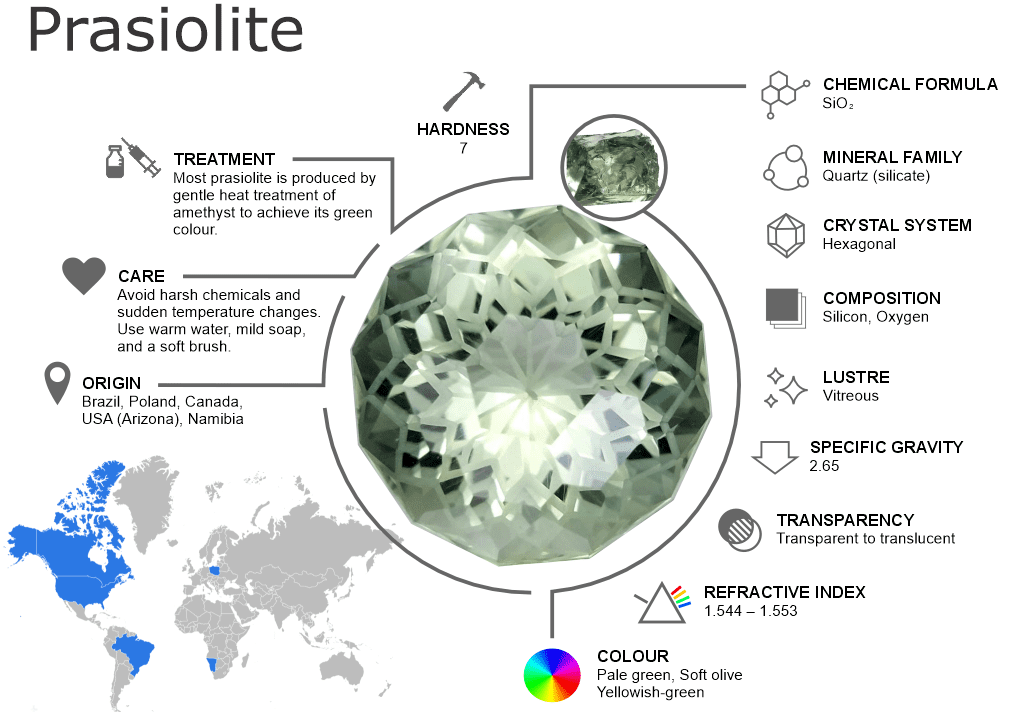
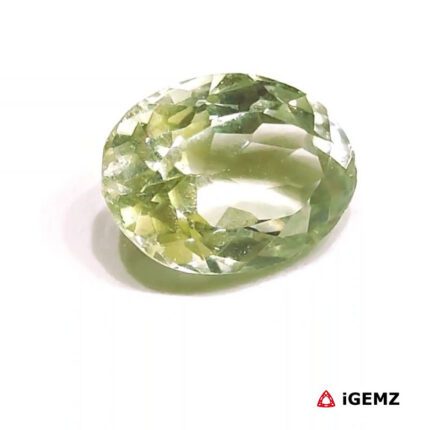
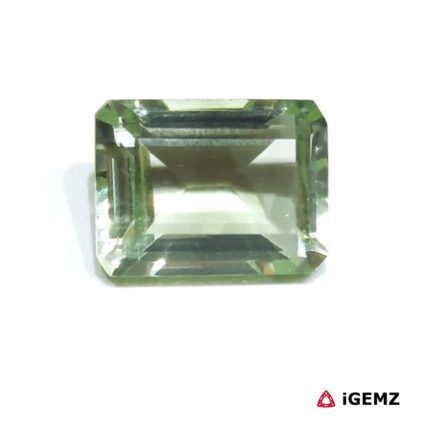
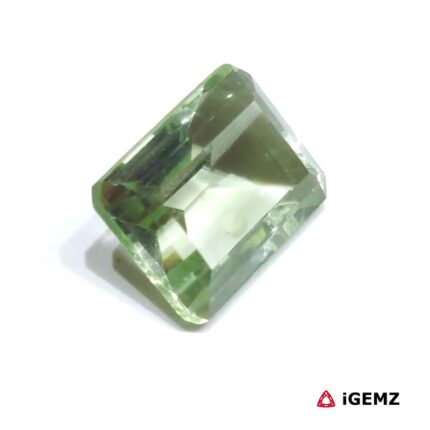
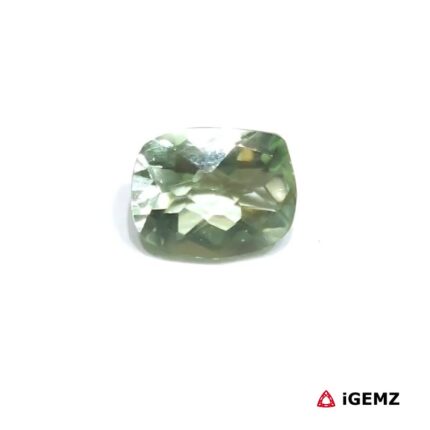
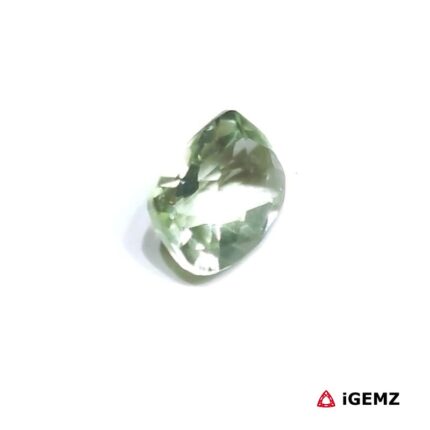
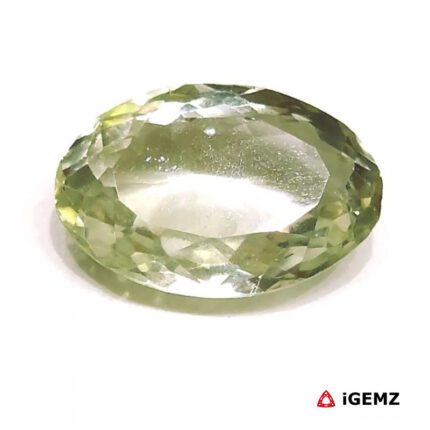
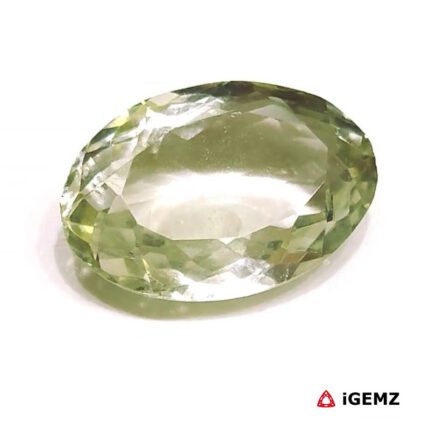
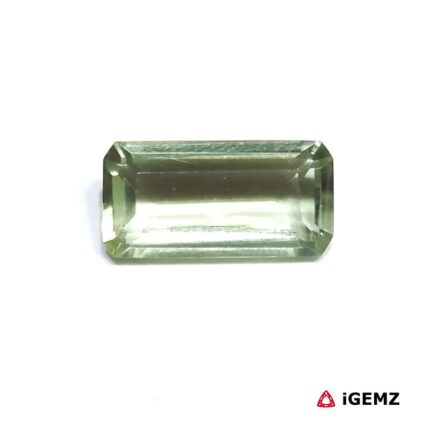
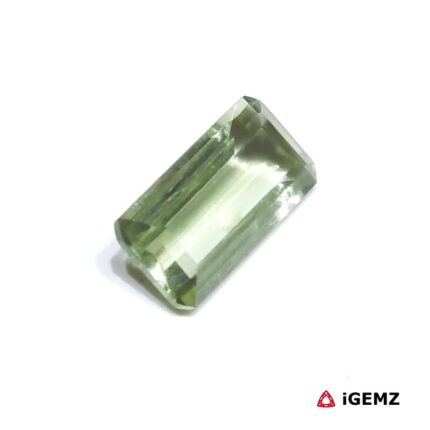
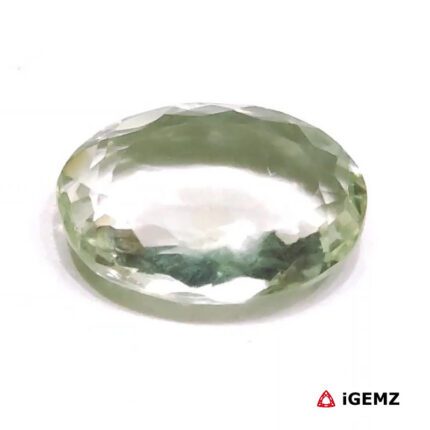
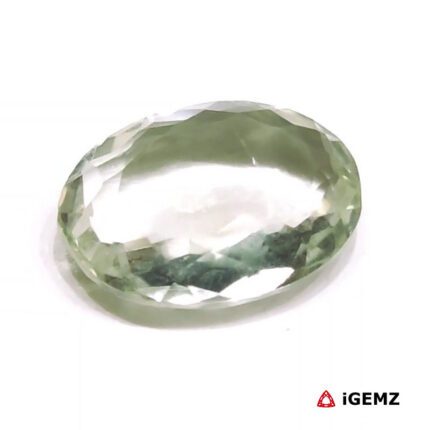
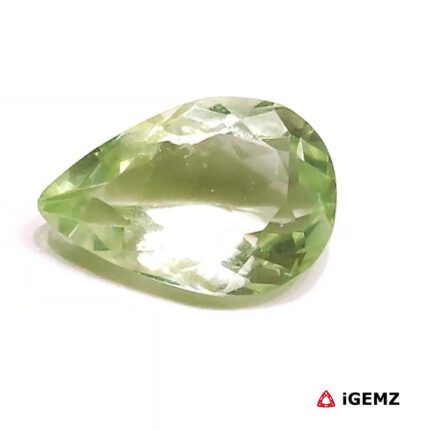
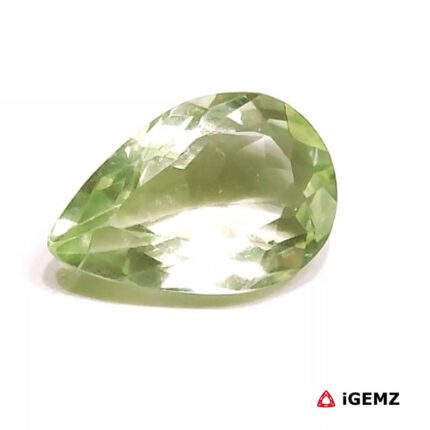
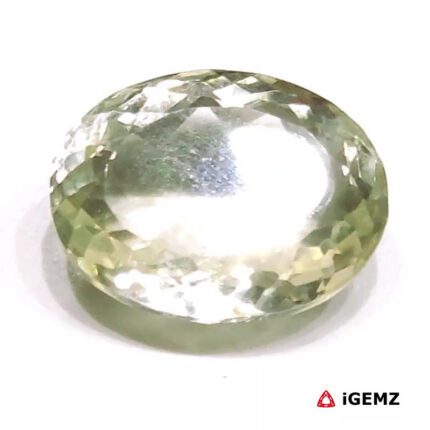
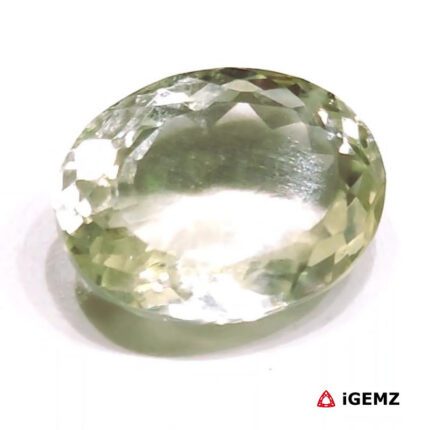
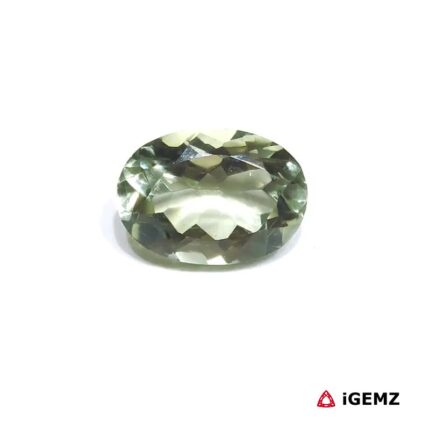
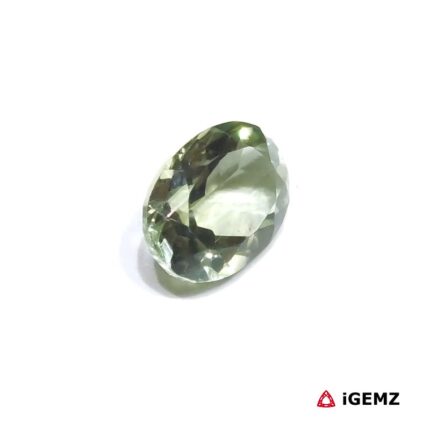
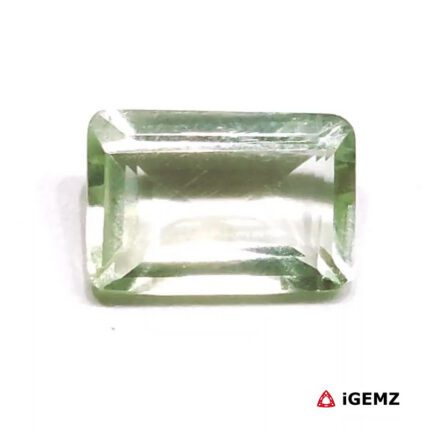
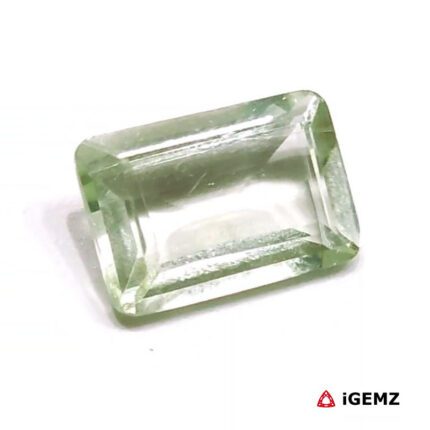
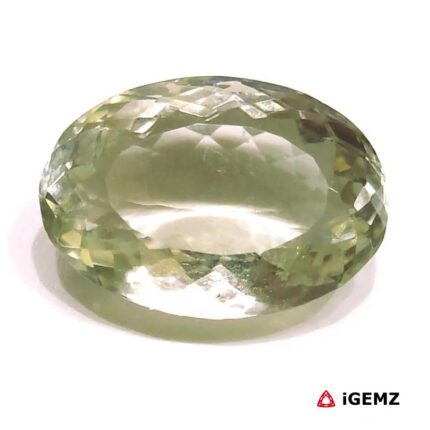
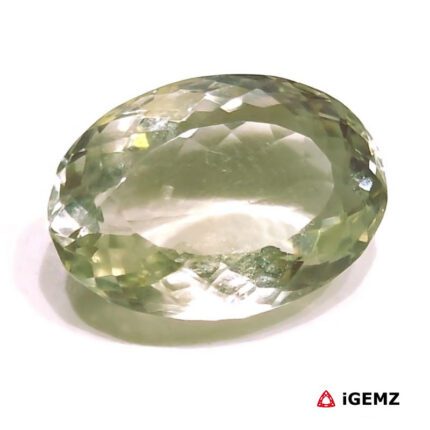
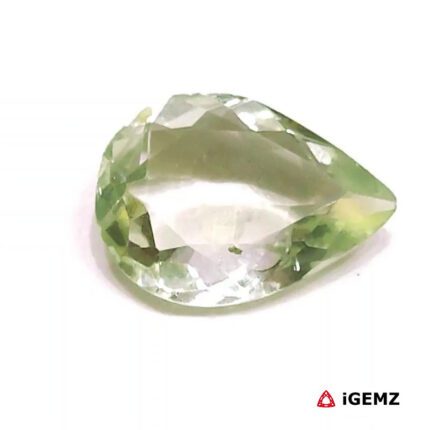
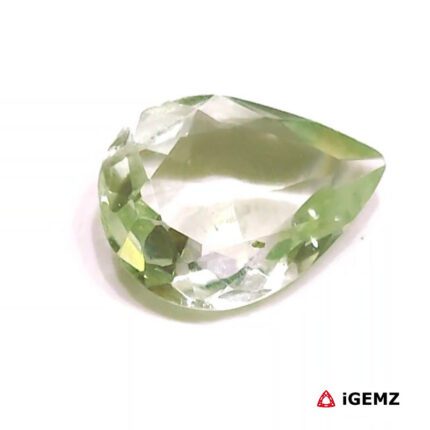
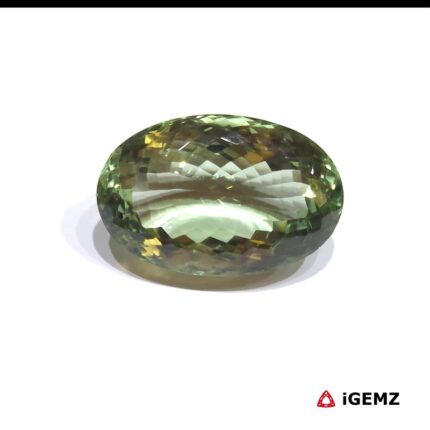
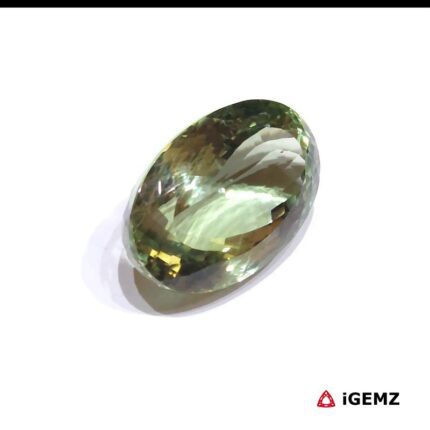
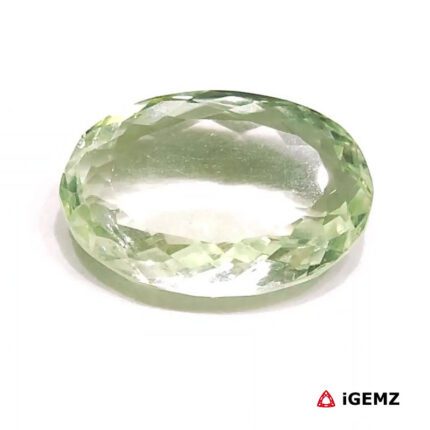
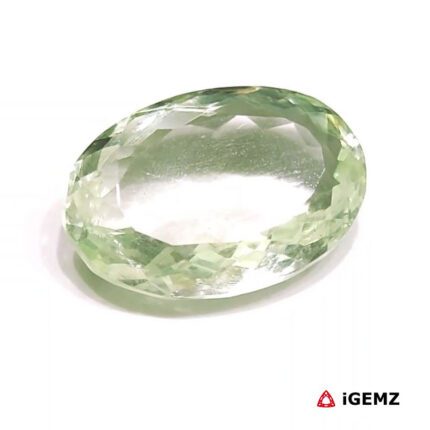
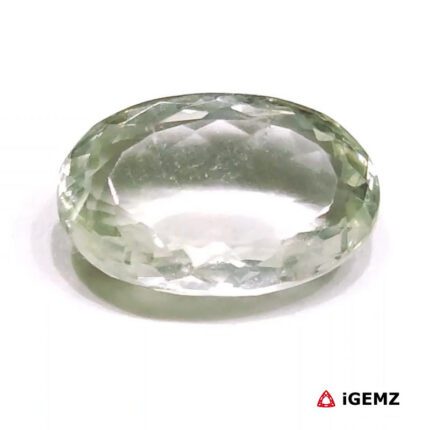
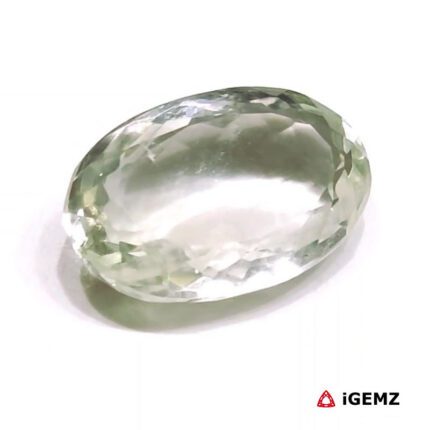
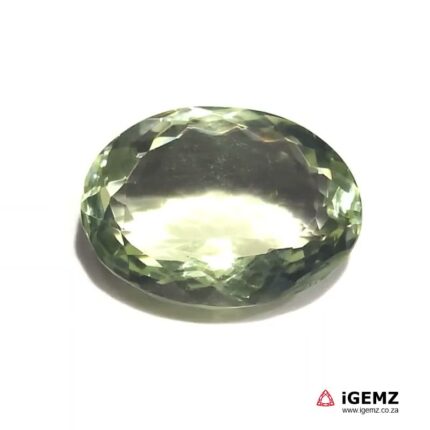
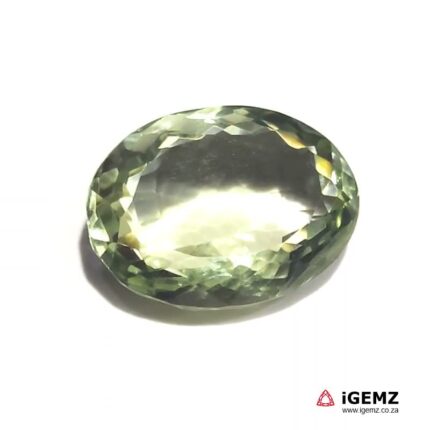
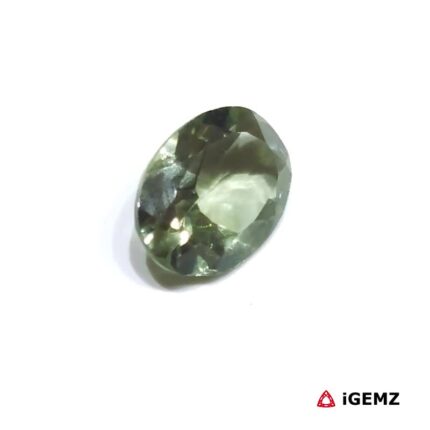
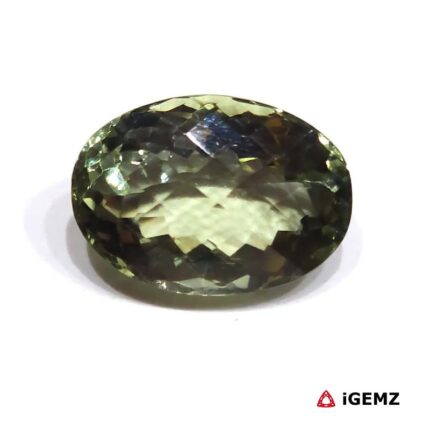
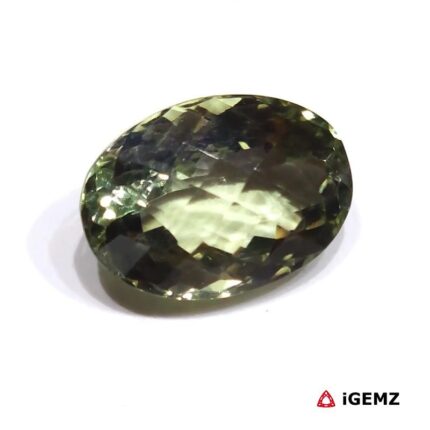
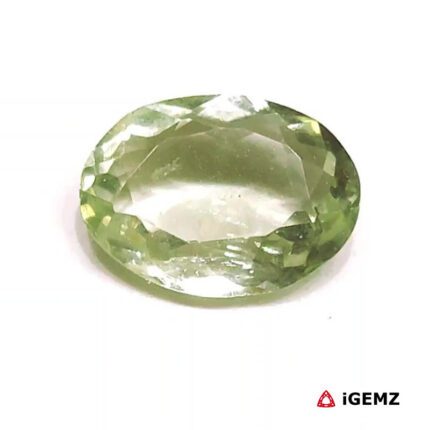
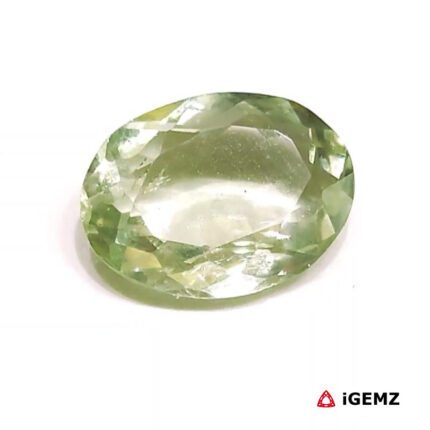
Prasiolite, also known as green amethyst, is a refined and elegant member of the quartz family, prized for its soft to vivid green hues. Unlike stones with intense saturation, prasiolite owes its charm to its subtle transparency, gentle colour, and natural brilliance.
In this guide we examine prasiolite from a professional gemmological and commercial perspective, covering its physical properties, crystal system, treatments, origins and how to identify high-quality stones.
What is Prasiolite?
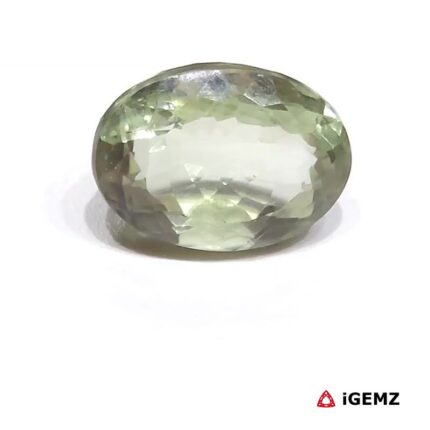
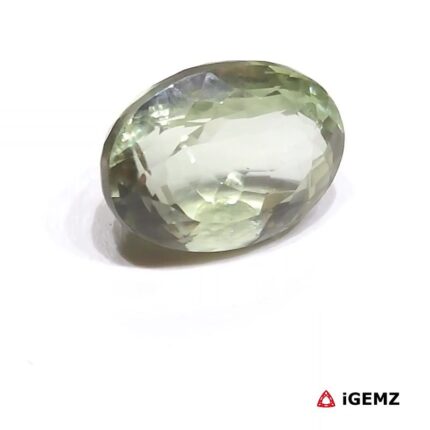
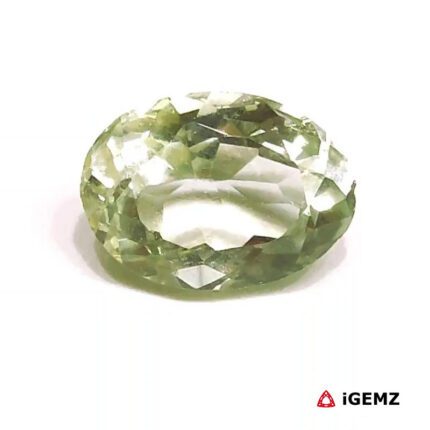
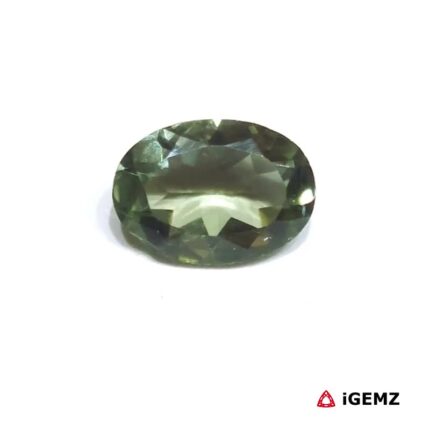
Prasiolite is the green variety of quartz (SiO₂), commonly formed by heat-treating amethyst or rarely occurring naturally in pale green crystals. Its gentle green colour ranges from soft pastel to a slightly deeper olive green.
Prasiolite crystals grow in hexagonal quartz prisms, producing transparent and facetable gemstones suitable for fine jewellery.
Mineral Composition
Prasiolite has the chemical formula:
SiO₂
It is composed primarily of:
Silicon
Oxygen
Trace elements (iron) may influence the green colour. The colour of natural or heat-treated prasiolite is generally pale to medium green, with minimal inclusions for high-quality stones.
Mineral Family and Crystal System

Prasiolite belongs to the quartz (silicate) mineral family.
Its crystal system is hexagonal, forming elongated six-sided prisms with excellent transparency and optical clarity.
Optical and Physical Properties
Prasiolite offers a combination of gentle green colour, brilliance, and clarity that is ideal for pendants, earrings, and collector’s pieces.

Lustre
Vitreous, providing a clear glass-like sparkle.

Transparency
Transparent to translucent, with high clarity in gem-quality stones.

Refractive index
1.544 – 1.553, offering gentle brilliance and sparkle.

Specific gravity
2.65, typical of quartz gemstones.
Colour Range
Prasiolite occurs in shades of:
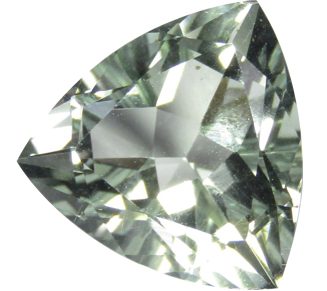
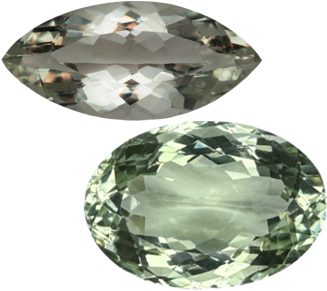
Pale green
Soft olive
Yellowish-green
The most valuable stones are evenly coloured with minimal brown or yellow tint.
Mohs Hardness and Durability

Prasiolite has a Mohs hardness of 7, making it suitable for rings, pendants, and earrings with proper protective settings. It has good toughness but can chip if struck sharply along inclusions.
Treatments

Most prasiolite is produced by gentle heat treatment of amethyst to achieve its green colour. Natural green prasiolite is rare. High-quality stones are untreated aside from heat enhancement and free from coatings or fillings.
Care and Cleaning
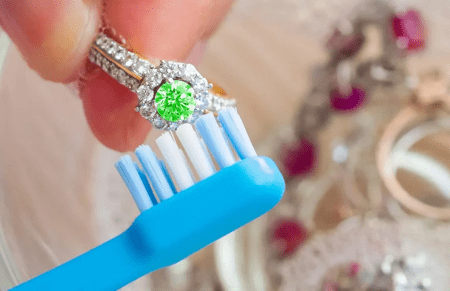
Avoid harsh chemicals and sudden temperature changes.
Use warm water, mild soap, and a soft brush.
Store prasiolite separately from harder stones to prevent scratching.
Major Origins

Major sources of prasiolite include:
Brazil
Poland
Canada
USA (Arizona)
Namibia
Frequently Asked Questions
Is prasiolite a natural gemstone?
Yes, <a href=”https://www.igemz.co.za/product-category/natural-gemstones/prasiolite/” target=”_blank”>prasiolite</a> occurs naturally, though most commercial stones are heat-treated amethyst.
What gives prasiolite its green colour?
The pale green colour comes from trace iron and/or heat-treated amethyst conversion.
Is prasiolite treated?
Most <a href=”https://www.igemz.co.za/product-category/natural-gemstones/prasiolite/” target=”_blank”>prasiolite</a> is heat-treated to achieve a uniform green colour.
Is prasiolite suitable for everyday wear?
Yes, with a hardness of 7, it is suitable for rings, pendants, and earrings, but should be protected from sharp impacts.
How can I tell if prasiolite is real?
Real <a href=”https://www.igemz.co.za/product-category/natural-gemstones/prasiolite/” target=”_blank”>prasiolite</a> is transparent, vitreous, and displays hexagonal crystal forms or natural facets.
Does prasiolite fade in sunlight?
No, properly treated and natural stones retain stable colour under normal light.
Where does the finest prasiolite come from?
Brazil and Poland produce some of the most desirable prasiolite.
Can prasiolite be scratched easily?
Prasiolite is relatively durable but can be scratched by harder stones such as sapphire or diamond.
Can prasiolite be used in rings?
Yes, but ensure a protective setting to avoid chipping.
Is prasiolite suitable for pendants and earrings?
Yes, its clarity and soft green colour make it ideal for pendants, earrings, and necklaces.