

 1st - Gold
 January
 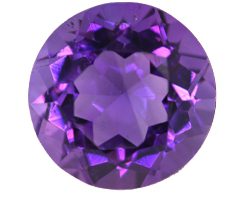 February
 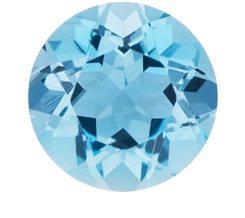 March
March 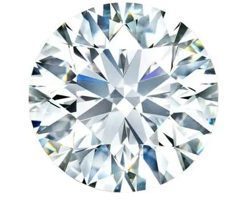 April
April 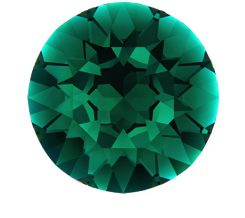 May
May 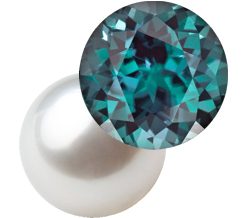 June
June 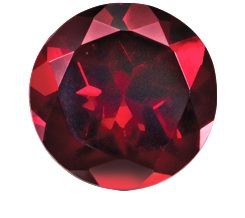 July
July 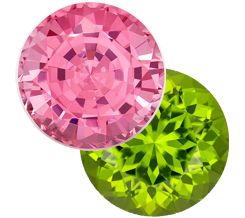 August
 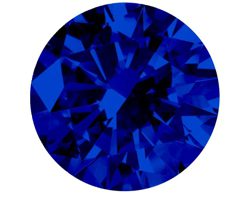 September
 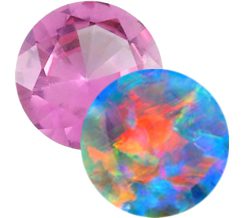 October
 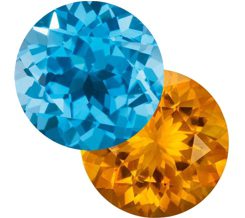 November
 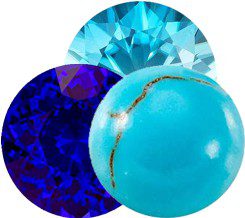 December
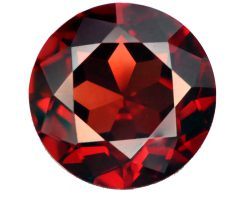
 Capricorn - Garnet
  Aquarius - Amethyst
  Pisces - Aquamarine
 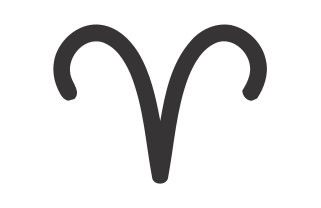 Aries - Diamond
 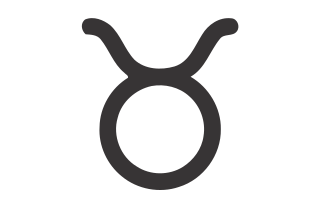 Taurus - Emerald
  Gemini - Pearl
  Cancer - Ruby
  Leo - Peridot
 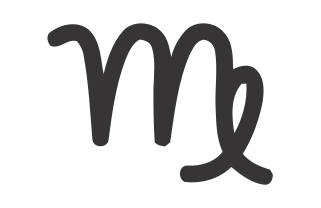 Virgo - Blue Sapphire
  Libra - Opal
 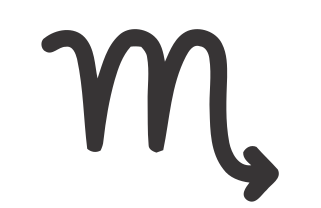 Scorpio - Topaz
  Sagittarius - Tanzanite

Labradorite Gemstones – Properties, Origins, Treatments and Buying Guide
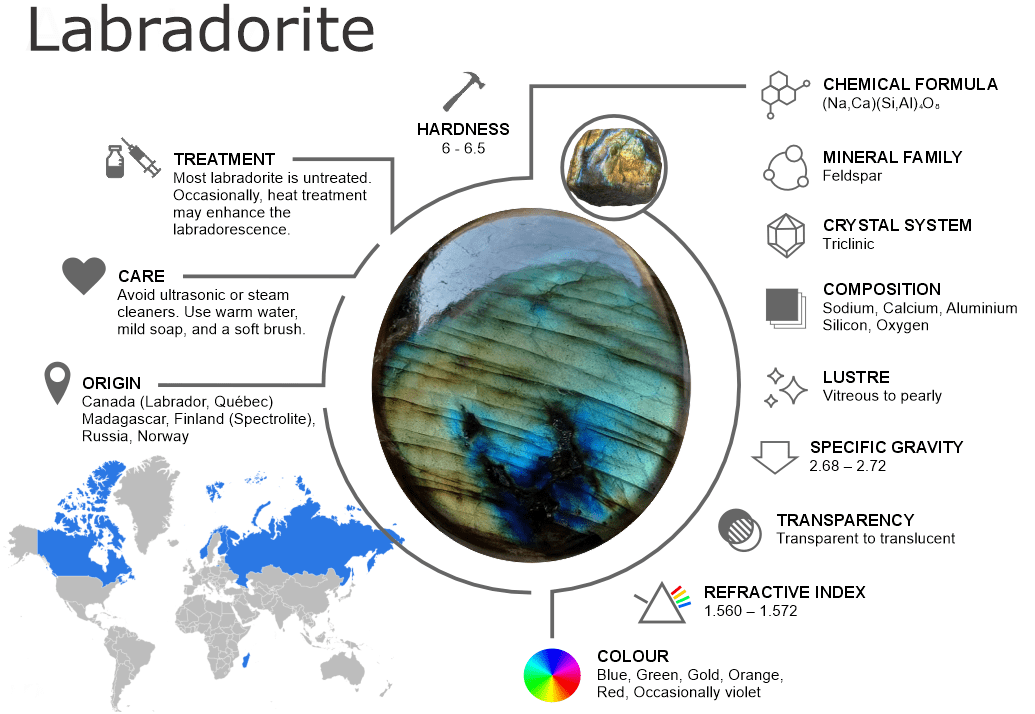
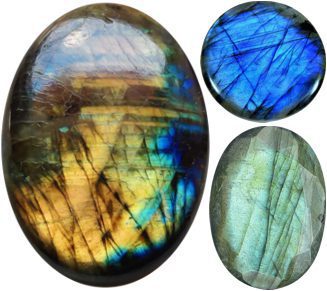
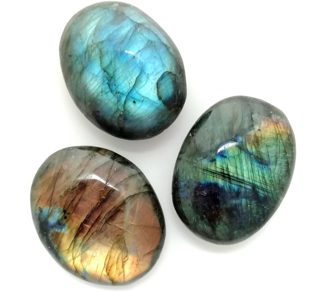
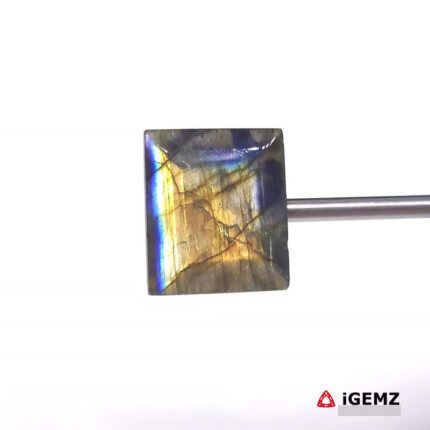
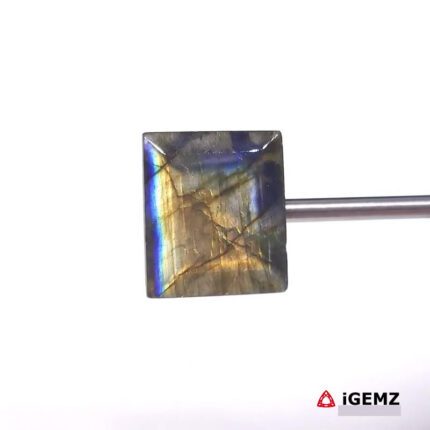
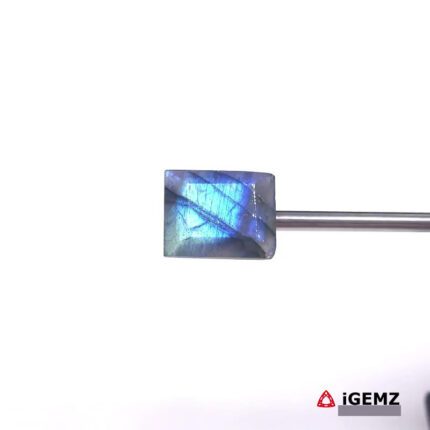
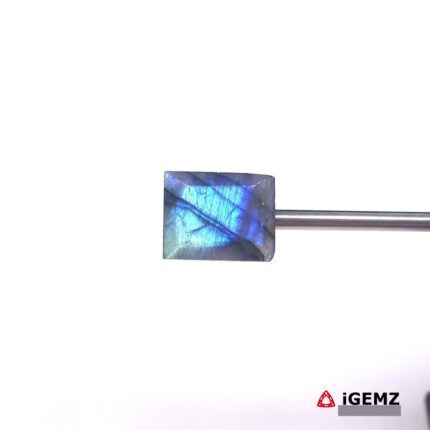
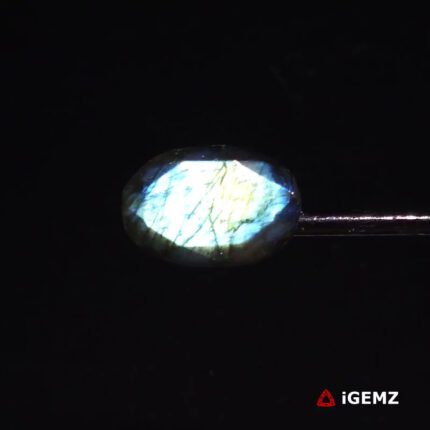
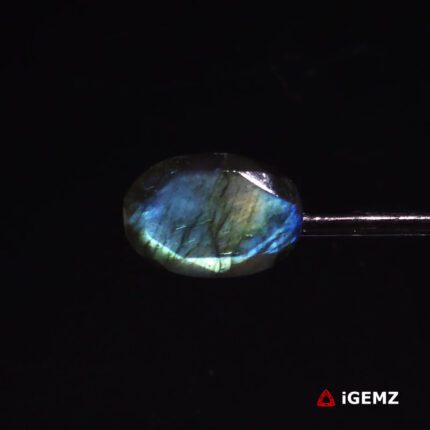
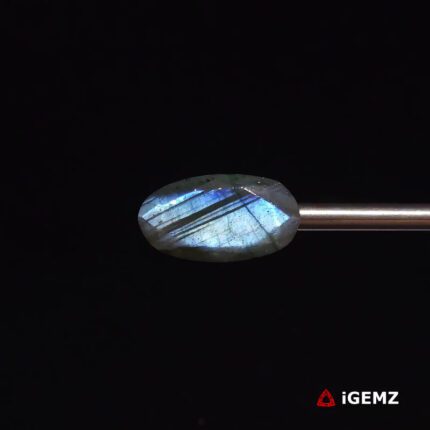
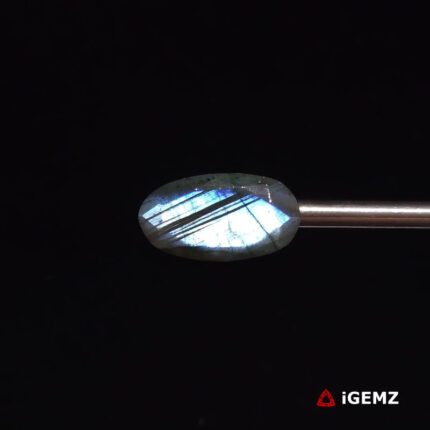
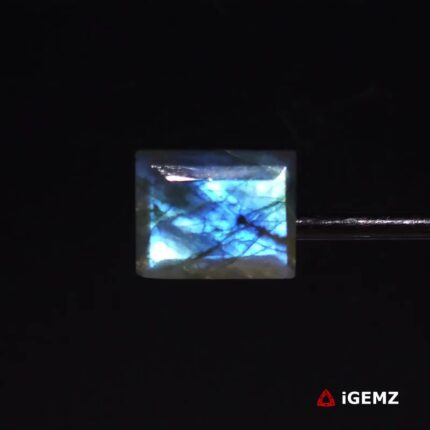
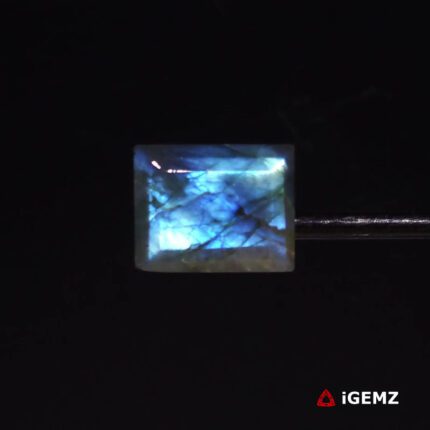
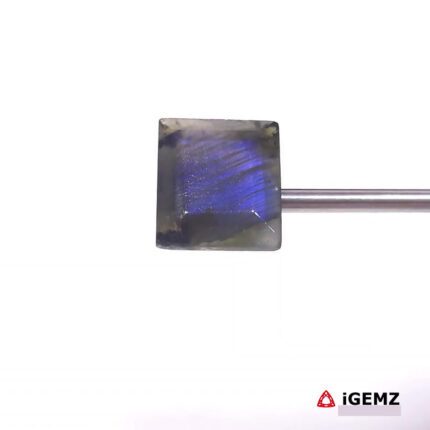
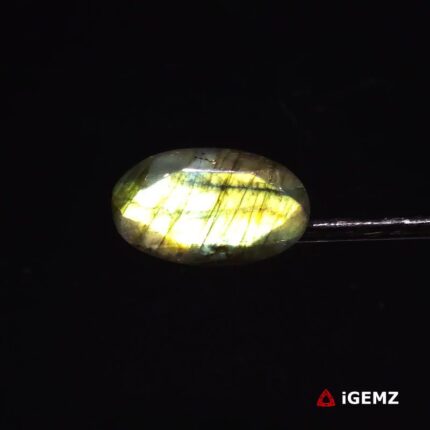
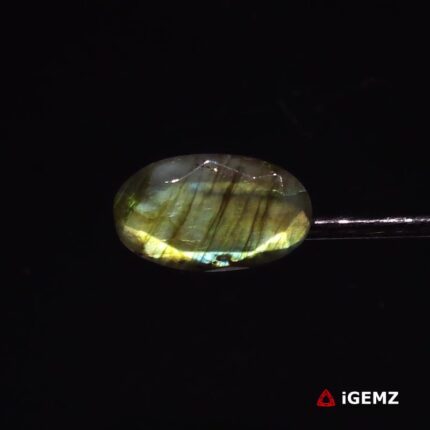
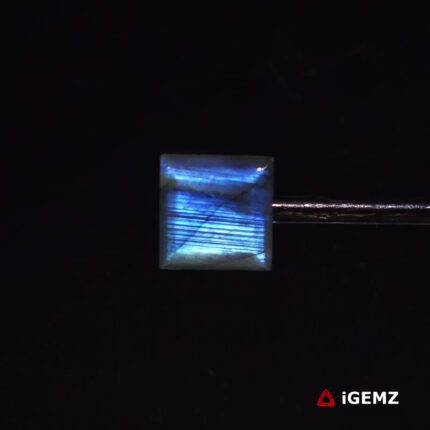
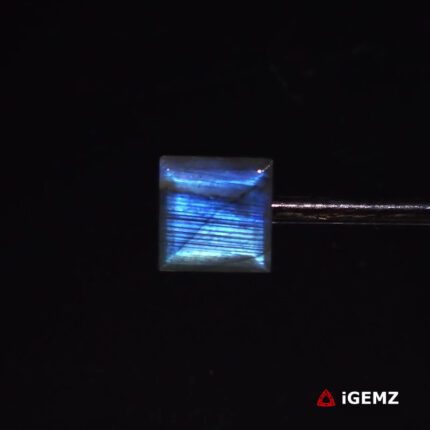
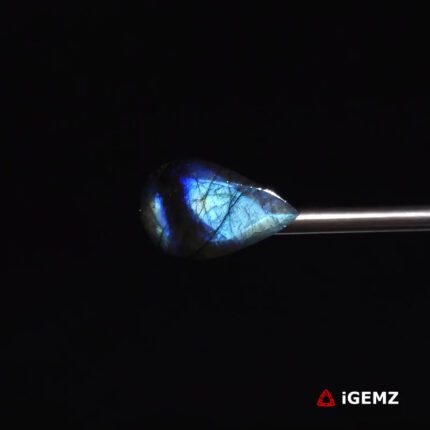
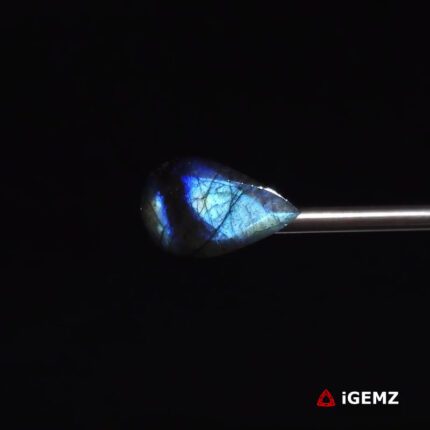
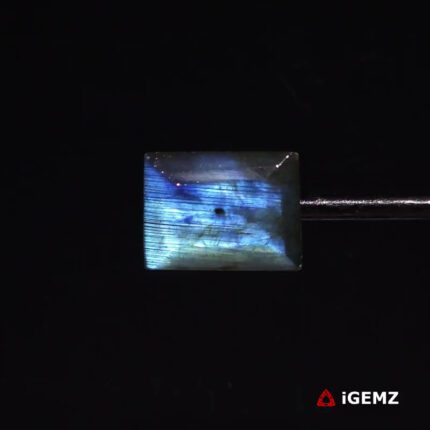
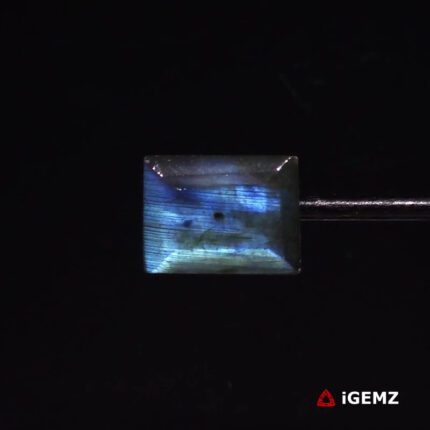
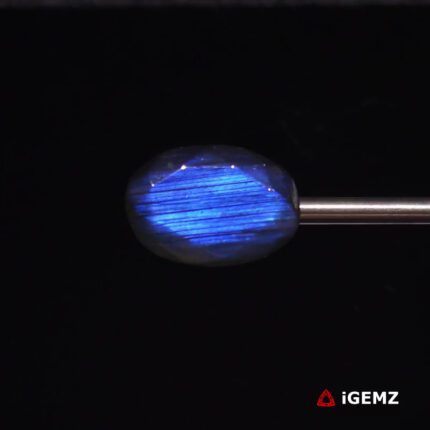
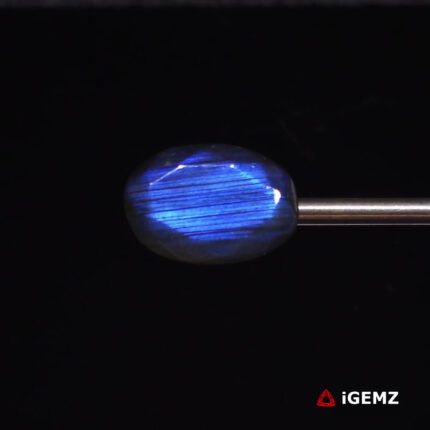
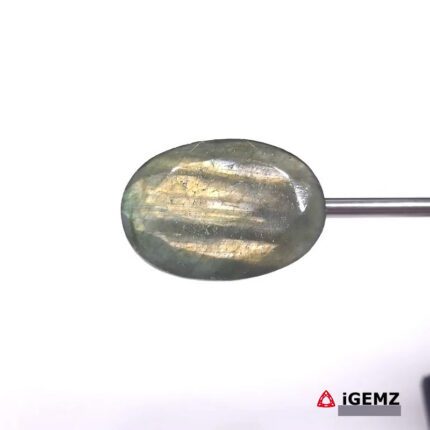
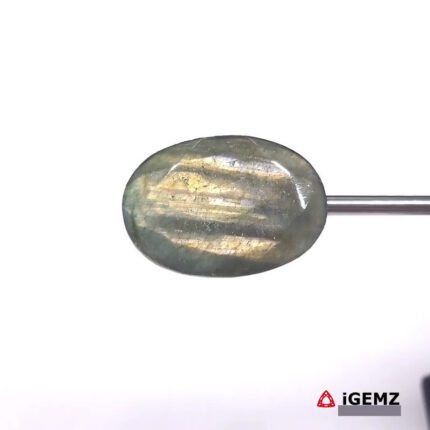
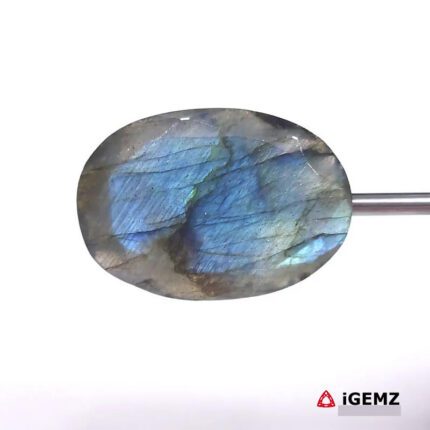
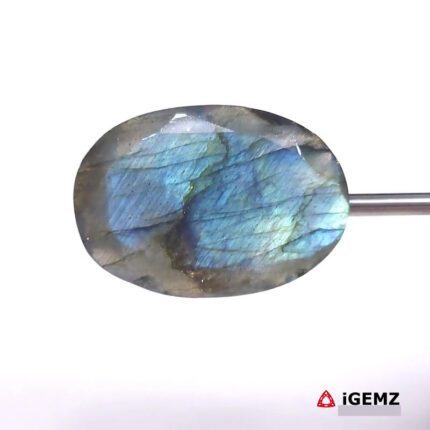
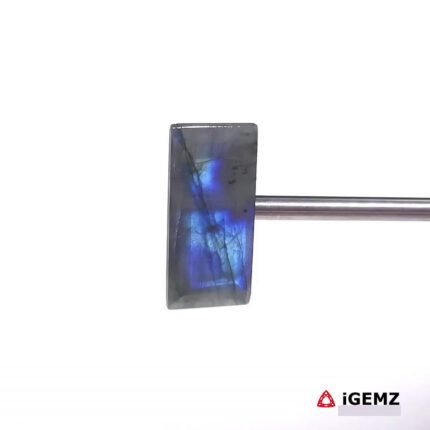
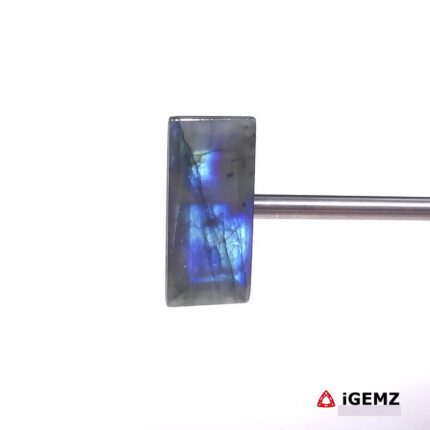
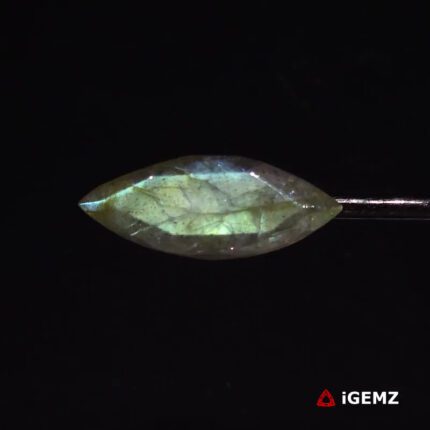
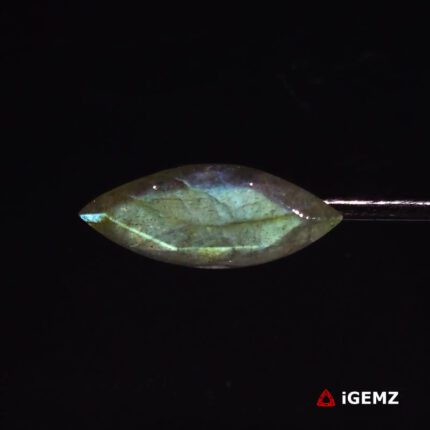
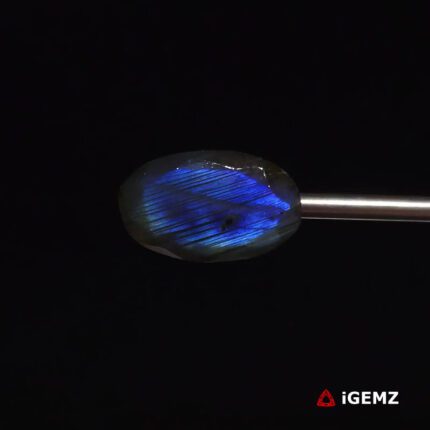
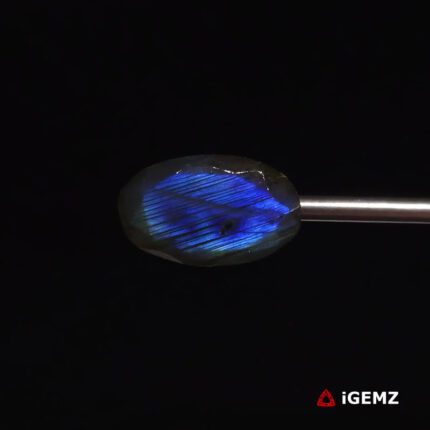
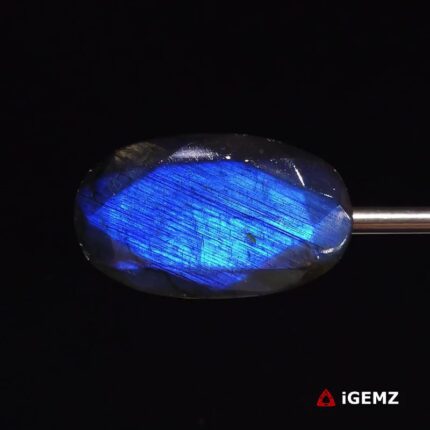
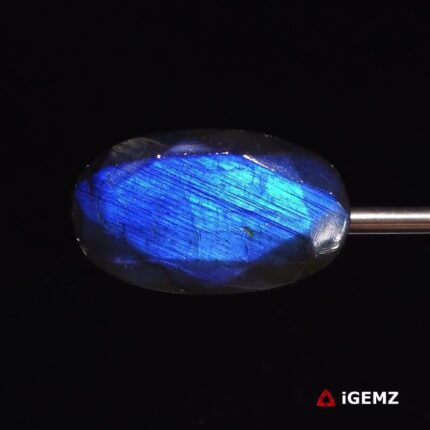
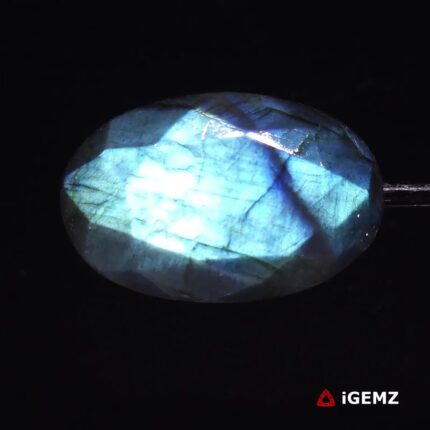
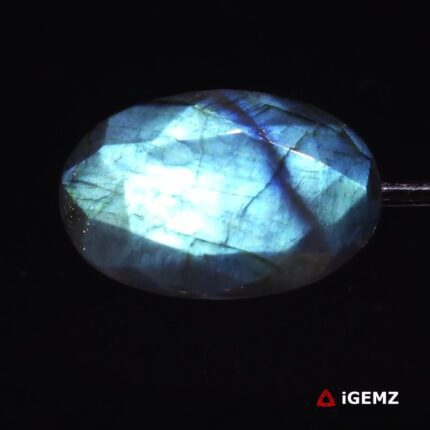
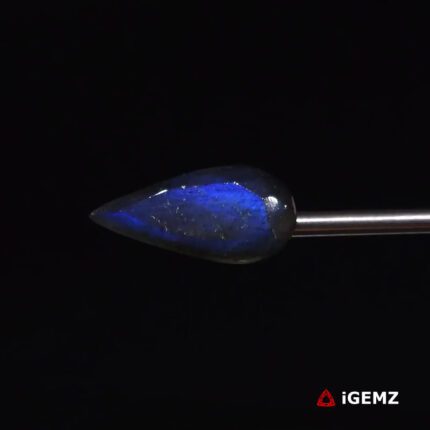
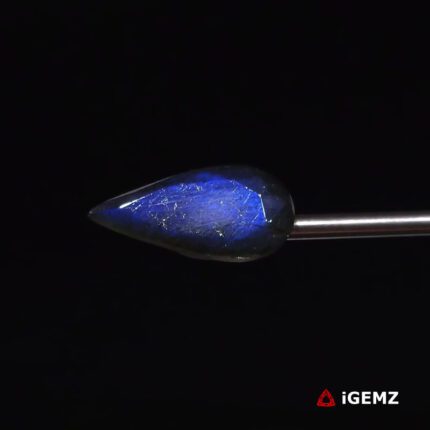
Labradorite is a highly mystical and visually striking gemstone, celebrated for its unique play of colour, known as labradorescence. Unlike brightly coloured stones that rely on saturation, labradorite captivates with flashes of blue, green, gold, and sometimes red or violet when viewed from different angles.
In this guide we examine labradorite from a professional gemmological and commercial perspective, covering its physical properties, crystal structure, treatments, origins and how to identify fine-quality stones.
What is Labradorite?
Labradorite is a feldspar mineral belonging to the plagioclase series. It forms in igneous rocks, particularly basalt and gabbro, and occasionally in metamorphic rocks. Its hallmark optical effect, labradorescence, is caused by light diffraction within thin layers of the mineral.
Labradorite crystals typically form tabular or blocky shapes with excellent cleavage planes, and gem-quality stones are cut to maximise their colour flash and iridescence.
Mineral Composition
Labradorite has the chemical formula:
(Na,Ca)(Si,Al)₄O₈
This means it is composed primarily of:
Sodium
Calcium
Aluminium
Silicon
Oxygen
The precise ratio of sodium to calcium affects its optical properties and the intensity of labradorescence.
Mineral Family and Crystal System

Labradorite belongs to the feldspar mineral family.
Its crystal system is triclinic, producing blocky or tabular crystals with excellent cleavage planes, which influence both cutting and durability.
Optical and Physical Properties
Labradorite is prized for its optical effect, labradorescence, which produces vibrant flashes of colour. It also exhibits good transparency in thin slices and moderate brilliance, making it a captivating gemstone for jewellery and collectors.

Lustre
Vitreous to pearly, especially along cleavage planes.

Transparency
Transparent to translucent, thin stones show the best colour flash.
Refractive index
1.560 – 1.572, showing moderate brilliance and strong optical effects.

Specific gravity
2.68 – 2.72, typical for feldspar minerals.
Colour Range
Labradorite displays a fascinating range of colours:
Blue
Green
Gold
Orange
Red
Occasionally violet
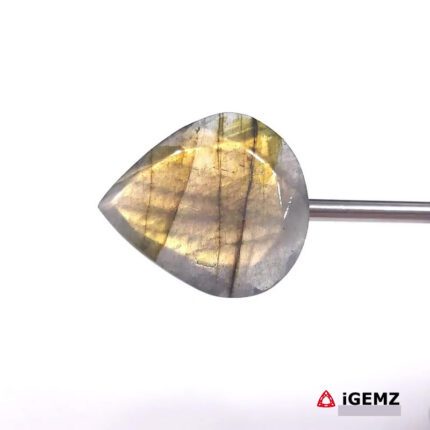
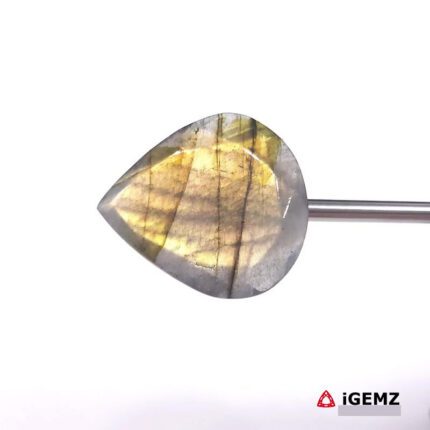
Colour flashes shift depending on the viewing angle, creating a dramatic play-of-colour effect.
Mohs Hardness and Durability
Labradorite has a Mohs hardness of 6 to 6.5, making it suitable for pendants, earrings, and occasional wear rings.
It has perfect cleavage in one direction and can chip if struck sharply.
Treatments

Most labradorite is untreated. Occasionally, heat treatment may enhance the labradorescence, but this is rare in high-quality specimens.
Care and Cleaning
Avoid ultrasonic or steam cleaners.
Do not expose to sudden temperature changes.
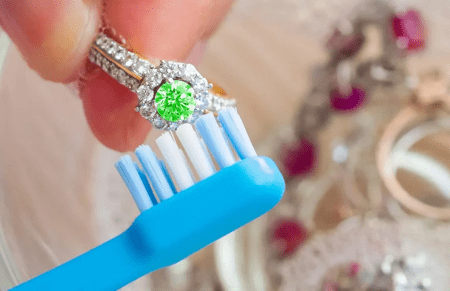
Clean with warm water, mild soap, and a soft brush.
Store labradorite separately from harder stones to prevent scratches.
Major Origins
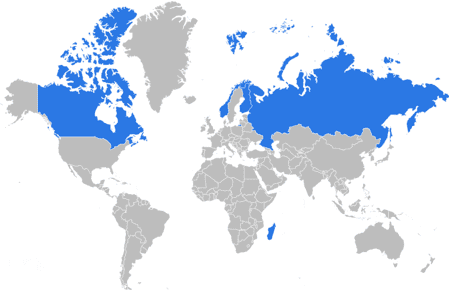
Major sources of labradorite include:
Canada (Labrador, Québec)
Madagascar
Finland (Spectrolite)
Russia
Norway

Frequently Asked Questions
Is labradorite a natural gemstone?
Yes, <a href=”https://www.igemz.co.za/product-category/natural-gemstones/labradorite/” target=”_blank”>labradorite</a> occurs naturally in igneous and metamorphic rocks.
What gives labradorite its colour flashes?
The optical phenomenon labradorescence is caused by light diffracting through internal layers of the mineral.
Is labradorite treated?
Most <a href=”https://www.igemz.co.za/product-category/natural-gemstones/labradorite/” target=”_blank”>labradorite</a> is untreated; heat treatment is rare.
Is labradorite suitable for everyday wear?
It is moderately hard (Mohs 6–6.5) and should be worn in jewellery with protection from impact.
How can I identify real labradorite?
Look for blocky or tabular crystals with strong labradorescence and vitreous to pearly lustre.
Does labradorite fade in sunlight?
Natural labradorite is stable; prolonged exposure may dull the surface without proper care.
Where does the finest labradorite come from?
Canada (Labrador), Finland, and Madagascar produce some of the most collectible stones.
Can labradorite be scratched easily?
Yes, it is softer than quartz and can be scratched by harder stones.
Can labradorite show multiple colours in one stone?
Yes, stones often display multiple colour flashes depending on the angle of light.
Is labradorite suitable for rings?
Yes, but choose protective settings to avoid chipping.