



 1st - Gold

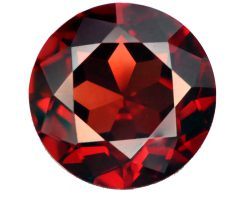 January
 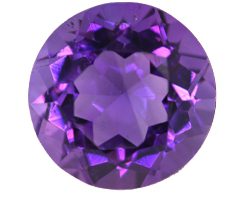 February
 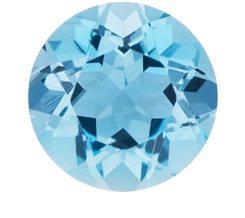 March
March 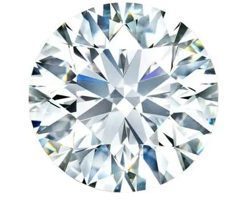 April
April 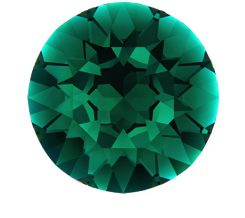 May
May 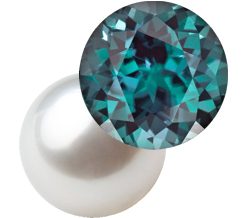 June
June 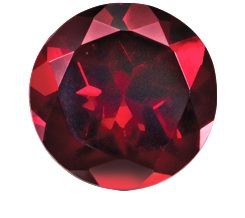 July
July 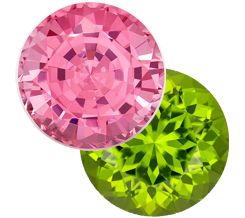 August
 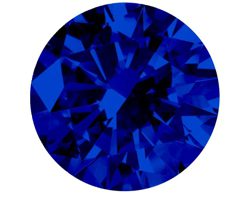 September
 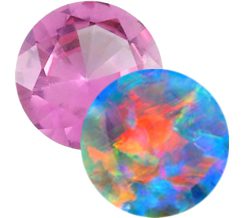 October
 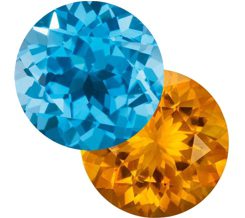 November
 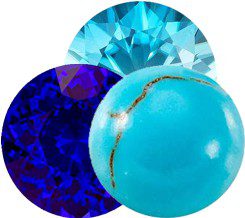 December
 Capricorn - Garnet
  Aquarius - Amethyst
  Pisces - Aquamarine
  Aries - Diamond
  Taurus - Emerald
  Gemini - Pearl
  Cancer - Ruby
  Leo - Peridot
  Virgo - Blue Sapphire
  Libra - Opal
  Scorpio - Topaz
  Sagittarius - Tanzanite


Sillimanite: The Mysterious Gemstones You’ve Never Heard Of
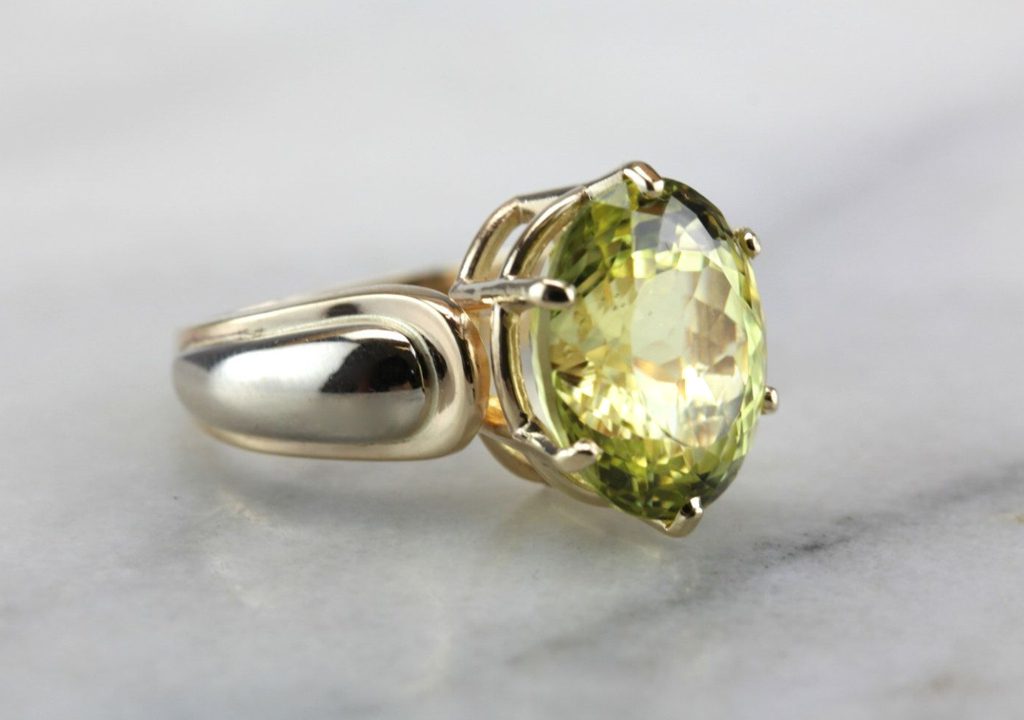
Sillimanite is not a well-known gemstone, but it is celebrated among those in the know for its beauty and mystery. This gemstone has a long and complex history, dating back to the 18th century when it was first discovered. Today, sillimanite gemstones are still relatively unknown, but its unique properties make it a stone worth seeking out. Sillimanite is named after Benjamin Silliman, an American chemist who was the first to study the stone in detail. Sillimanite is found in metamorphic rocks, and is thought to form when rocks are subjected to high temperatures and pressures. This gemstone can be found in a variety of colours, but is most commonly a greenish-white. Sillimanite is prized for its pleochroism, meaning it shows different colours when viewed from different angles. This effect is due to the way sillimanite’s crystals are structured. When cut and polished, sillimanite can show off a variety of colours, making it a unique and beautiful gemstone. Despite its beauty, sillimanite is a scarce and relatively unknown gemstone.
Sillimanite is a rare gemstone that is seldom heard of, let alone seen.
Sillimanite is a rare gemstone that is seldom heard of, let alone seen. It is a silicate mineral with the chemical formula Al2SiO5. The name sillimanite is after Benjamin Silliman, an American chemist and mineralogist. It is found in metamorphic rocks such as gneiss and schist. It is also found in some sedimentary rocks such as shale. It is found in a variety of colours, including white, yellow, green, blue, and brown. It is most commonly found in the United States, Brazil, and Australia. Sillimanite is a difficult gemstone to cut and polish. It is also a brittle gemstone. It has a Mohs hardness of 7.0 and a specific gravity of 3.2-3.4. It is transparent to translucent. The best specimens of sillimanite gemstones are found in Arizona, United States. Sillimanite is not a well-known gemstone and is seldom seen in jewelry. It is a beautiful gemstone but is not as popular as other gemstones such as diamonds, emeralds, and rubies.
It was first discovered in 1824 in Chester, Connecticut, by Josiah Bradley, who named it after Yale professor Benjamin Silliman.
Chester, Connecticut is a small town in the northeastern United States with a population of just over three thousand. It is perhaps best known for being the birthplace of the American Revolution hero, Nathan Hale. Lesser known, however, is that Chester is also the site of the first discovery of sillimanite, a little-known gemstone. In 1824, Josiah Bradley, a local farmer, discovered a deposit of sillimanite on his property. Bradley, who was also an amateur geologist, recognized the potential value of the gemstone and contacted Yale professor Benjamin Silliman, a renowned scientist, for help in identifying it. Silliman was able to confirm that the gemstone was indeed sillimanite and henamed it after himself. Unfortunately, Bradley was not able to capitalize on his discovery as he was unable to find any buyers for the stone. It was not until 1868 that sillimanite was properly exploited when deposits were found in Rhode Island. From there, the gemstone slowly gained popularity and is now used in a variety of jewelry. While sillimanite is not as well-known as diamonds or other precious stones, it remains a fascinating gemstone with a long and interesting history.
Sillimanite typically occurs as green, white, or brownish-yellow crystals, and is named after its typical colours.
Sillimanite is a truly mysterious gemstone. It typically occurs as green, white, or brownish-yellow crystals, and is named after its typical colours. While it is technically a metamorphic mineral, it is found in igneous, sedimentary, and metamorphic rocks. It is also found in some meteorites. Sillimanite has been found on every continent except Antarctica. Sillimanite gemstones are usually found as small, angular crystals. It has a glassy to pearly luster, and is transparent to translucent. Sillimanite is dichroic, meaning that it displays two colours when viewed from different angles. When cut and polished, sillimanite can display a chatoyancy, or a cat’s eye effect. Sillimanite is not well-known as a gemstone, but it is actually quite beautiful. It can be cut and polished into a variety of shapes and sizes. It is also quite durable, with a hardness of 7 on the Mohs scale. If you’re looking for a truly unique gemstone, sillimanite is a great option. It is sure to stand out in any piece of jewelry, and is sure to start conversations.
The most significant deposits of sillimanite are found in Australia, Brazil, India, and the United States.
Sillimanite is a fascinating gemstone that is not well-known but definitely deserving of attention. It is considered one of the most mysterious gemstones due to its relatively recent discovery and the fact that it has unique physical properties. Sillimanite was first discovered in the United States in the late 19th century. It was initially misidentified as another mineral called andalusite. It wasn’t until the early 20th century that sillimanite was correctly identified as its own distinct mineral. Sillimanite is most commonly found in metamorphic rocks. These are rocks that have been altered by heat and pressure over time. The most significant deposits of sillimanite are found in Australia, Brazil, India, and the United States. What makes sillimanite so fascinating is its physical properties. It is classified as a nesosilicate mineral, which means that it has a silicate structure but does not contain silicon-oxygen tetrahedra. This is what gives sillimanite its unique physical properties. For example, sillimanite has a higher specific gravity than most other gemstones. This means that it is heavier than other gemstones of the same size. It also has a higher refractive index, which means that it bends light more than other gemstones. Sillimanite gemstone are also unique because it can occur in multiple colours. The most common colours are white, yellow, and green, but it can also be blue, purple, or red. If you’re looking for a gemstone that is truly unique, then sillimanite is definitely worth considering. It has a fascinating history and unusual physical properties that make it stand out from other gemstones.
Sillimanite is used in a variety of industries, including jewelry, ceramics, and metallurgy.
Sillimanite is an aluminosilicate mineral that forms in metamorphic rocks. It is named after Benjamin Silliman, an American chemist and mineralogist. Sillimanite is found in a variety of colours, including white, gray, yellow, and green. It is most commonly used in the jewelry and ceramic industries. Sillimanite is a very hard mineral, making it difficult to cut and polish. It is also a very brittle mineral, meaning that it can easily fracture. Despite these properties, sillimanite is still used in a variety of industries. The jewelry industry uses sillimanite as a gemstone. It is typically cut into cabochons, which are then used in necklaces, earrings, and rings. Sillimanite is also used in the ceramic industry. It is used to make tiles, pottery, and other ceramics. Sillimanite can also be used in the metallurgy industry. It is used as a refractory material, meaning that it can withstand high temperatures. Sillimanite is also used to make abrasives. While sillimanite is not a very well-known gemstone, it still has a variety of uses. It is a hard and brittle mineral, but its beauty and durability make it a popular choice for jewelry and other industries.
Because of its rarity, sillimanite is considered a valuable gemstone, and is used in high-end jewelry.
Sillimanite is one of the rarest gemstones in the world. Because of its scarcity, it is highly sought-after by gemstone collectors and jewelers. Sillimanite was first discovered in 1824 by French mineralogist Charles Silliman. It is named after him. The stone is found in metamorphic rocks, and is typically green, blue, or white in colour. Sillimanite is used in a variety of jewelry, including necklaces, bracelets, and rings. It is also used in other high-end items such as watches and clocks. The stone is believed to have a number of benefits, including helping to relieve stress, increasing mental clarity, and improving one’s ability to find success. Sillimanite is a relatively new gemstone, and as such, there is still much to learn about it. However, its rarity and unique properties make it a valuable addition to any collection.
Sillimanite is a fascinating gemstone with a long and intriguing history.
Sillimanite is a fascinating gemstone with a long and intriguing history. It is believed to have first been discovered in the United States in the early 19th century, and was named after the American chemist Benjamin Silliman. Sillimanite is a relatively rare gemstone, and is most commonly found in metamorphic rocks. It is usually creamy white or pale green in colour, but can also be yellow, brown, or blue. Sillimanite has a variety of interesting optical properties. For example, when viewed under a microscope, sillimanite crystals often display a unique cat’s-eye effect. This is caused by inclusions of rutile (a mineral composed of titanium dioxide) within the sillimanite crystal. Sillimanite is also notable for its pleochroism, meaning that it exhibits different colours when viewed from different angles. This effect is caused by the different refractive indices of the different crystal planes within the sillimanite crystal. Due to its rarity and interesting optical properties, sillimanite can be quite valuable. It is often used as a gemstone in jewelry, and is also used in a variety of industrial applications. So, next time you see a piece of jewelry or an industrial product made with sillimanite, remember the fascinating history and interesting properties of this enigmatic gemstone!
Sillimanite is quite possibly the most mysterious gemstone you’ve never heard of. Often mistaken for kyanite, this lesser-known stone is actually quite rare and has many unique properties. While it’s not as popular as some other gemstones, sillimanite is definitely one to watch out for.