
 1st - Gold

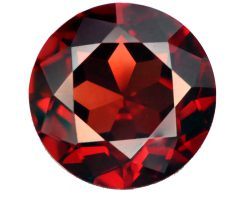 January
 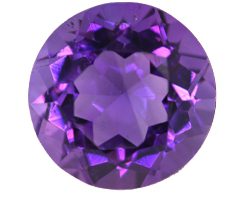 February
 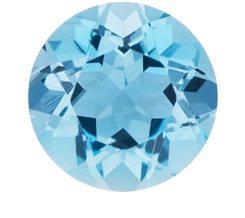 March
March 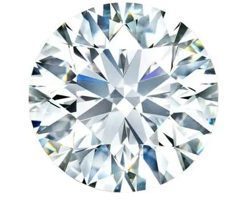 April
April 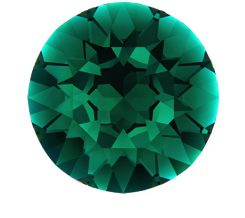 May
May 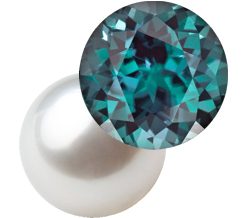 June
June 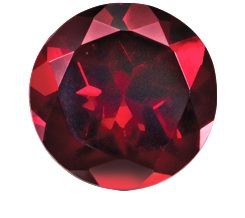 July
July 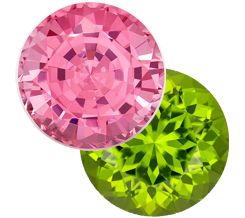 August
 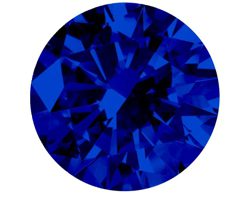 September
 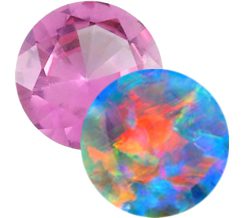 October
 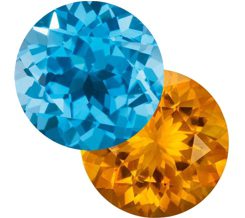 November
 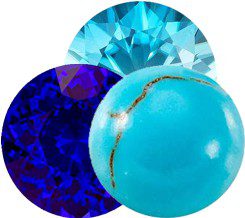 December
 Capricorn - Garnet
  Aquarius - Amethyst
  Pisces - Aquamarine
  Aries - Diamond
  Taurus - Emerald
  Gemini - Pearl
  Cancer - Ruby
  Leo - Peridot
  Virgo - Blue Sapphire
  Libra - Opal
  Scorpio - Topaz
  Sagittarius - Tanzanite


The Dangers of Light Exposure to Gemstones
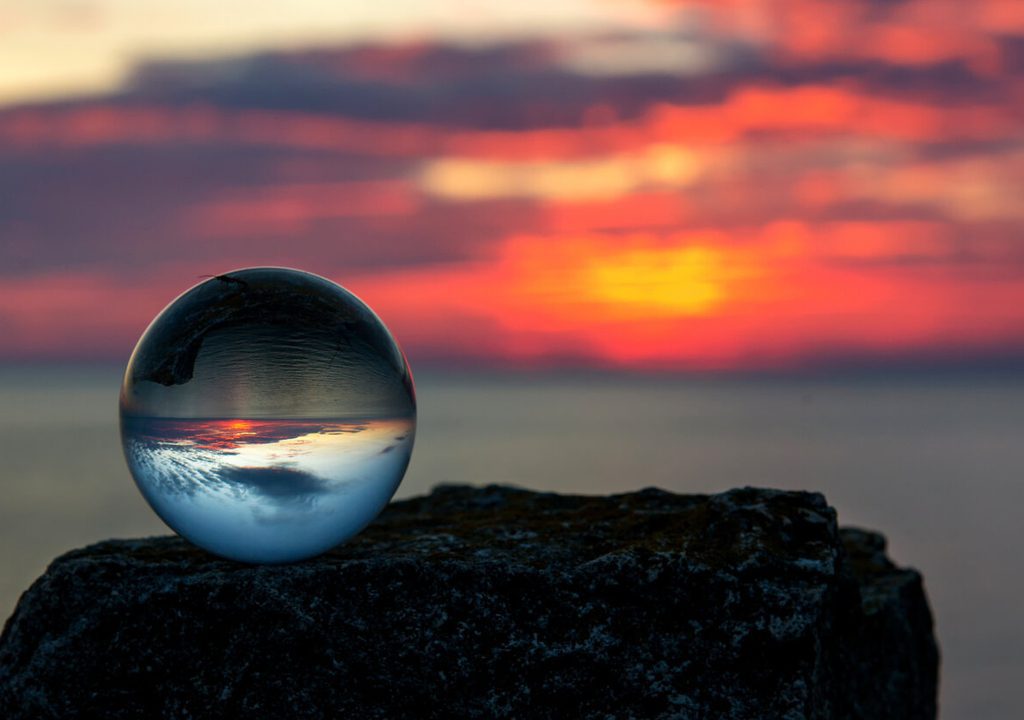
When it comes to gemstones, it is often assumed that the only thing that can harm them is scratches or knocks. However, there is another potential danger that is often overlooked, and that is exposure to light. The exposure of gemstones to light can cause a number of problems. The most obvious is fading, as the light can bleached the colours out of the stone. But light exposure can also cause cracks and splits to form, as well as making the stone more brittle and prone to breaking. So, if you want to keep your gemstones looking their best, then it is important to take care when exposing them to light. Make sure to keep them out of direct sunlight, and don’t leave them in bright rooms for too long. If you do need to clean them, then use a soft, dust-free cloth, and avoid using any harsh chemicals.
The dangers of light exposure to gemstones
Many gemstones are sensitive to light, meaning that they can fade or change colour when exposed to too much sunlight or other bright light sources. While this may not be a problem for some stones, others may lose their value or become less attractive. Some of the most sensitive gemstones include amethysts, aquamarines, citrines, emeralds, kunzites, opals, peridots, rubies, sapphires, turquoises, and zircons. These stones are often used in jewelry, so it’s important to be aware of how to care for them. Here are a few tips to help you avoid light damage to your gemstones: -Avoid wearing your jewelry in direct sunlight for extended periods of time. -When you are not wearing your jewelry, store it in a dark, cool place. -Be careful when cleaning your gemstones. Some cleaning solutions can contain bleach or other chemicals that can damage sensitive stones. -Have your gemstones checked regularly by a professional to ensure that they are not fading or changing colour.
The types of light that can damage gemstones
When it comes to light exposure and the potential damage it can inflict on gemstones, there are generally two types of light that are of concern: ultraviolet (UV) light and visible light. UV light, which is invisible to the human eye, can be extremely damaging to gemstones. This is because UV light can cause gemstones to fade in colour and can even damage their clarity and brilliance. For this reason, it is important to keep gemstones away from direct sunlight and other sources of UV light whenever possible. Visible light, on the other hand, is not as harmful to gemstones as UV light. However, it can still cause gemstones to fade over time if they are exposed to it for prolonged periods of time. For this reason, it is also important to limit the amount of time that gemstones are exposed to direct sunlight and other sources of visible light. The best way to protect gemstones from damage from both UV light and visible light is to store them in a cool, dark place when they are not being worn. This will help to keep them looking their best for years to come.
The colours of light that are most damaging to gemstones
The colours of light that are most damaging to gemstones are those in the blue and violet end of the visible spectrum, as these colours have the most energy. Ultraviolet light is also damaging, but it is not visible to the human eye. Gemstones can be protected from light damage by storing them in a dark place, or by coating them with a UV-resistant material.
The effects of light damage on gemstones
A variety of gemstones are commonly used in jewelry, and many of these stones are sensitive to light. Depending on the type of light, different gemstones can be damaged. direct sunlight, some stones will fade in colour. For example, amethysts will lose their purple hue and turn green, while opals will become dull and chalky. Prolonged exposure to direct sunlight can also cause cracks to form in certain stones, such as turquoise. indirect sunlight, other stones will change colour. For example, topaz that is initially yellow will eventually turn brown, while citrine will go from yellow to orange. One of the most damaging types of light to gemstones is ultraviolet (UV) light. This type of light is found in sunlight, but can also be produced by artificial sources such as fluorescent light bulbs. UV light can cause a number of problems for gemstones, such as fading and discolouration. It can also cause cracks to form in certain stones, such as amethyst. Gemstones that are damaged by light exposure can often be repaired by a professional gemologist. However, it is important to avoid exposing your gemstones to light if possible, to prevent further damage.
The best way to protect gemstones from light damage
To protect gemstones from light damage, it is best to store them in a dark place. Exposure to light can cause gemstones to fade in colour, become brittle, and crack. If you must keep gemstones in a lighted area, protect them from direct sunlight and fluorescent light by placing them in a closed box or keeping them wrapped in a dark cloth. You can also keep light-sensitive gemstones in a cool, dark place such as a refrigerator.
Tips for preventing light damage to gemstones
To prevent light damage to your gemstones, follow these tips: 1.Avoid storing your gemstones in direct sunlight. If you must keep them in a sunny spot, consider covering them with a light cloth. 2.When cleaning gemstones, avoid using harsh chemicals and never expose them to direct sunlight for extended periods of time. Instead, clean them with a soft cloth and gentle soap. 3.Be especially careful when wearing gemstones in direct sunlight. The sun can cause even the most durable gems to fade or become discoloured over time. 4.If you must wear your gemstones in the sun, consider protective clothing such as gloves or a scarf to prevent direct exposure. 5.When gemstones are not being worn, stored, or cleaned, keep them in a dark place. Ultraviolet light is one of the main causes of light damage to gemstones, so it’s important to limit their exposure as much as possible. 6.Check for damage regularly. Inspect your gemstones for fading, scratches, or other signs of wear and tear. If you notice any damage, take steps to prevent further exposure to light. By following these tips, you can help prevent light damage to your gemstones and keep them looking beautiful for years to come.
How to repair light damage to gemstones
One of the most common and visible types of damage to gemstones is light exposure. Ultraviolet (UV) radiation can cause a variety of damage to gemstones, including discolouration, fading, and deterioration of the stone. Many gemstones are sensitive to light, and their colours can fade or change if they are exposed to sunlight for too long. In some cases, light exposure can also cause structural damage to the stone, making it more susceptible to breakage. There are a few things that you can do to help repair light damage to your gemstones. First, avoid exposing them to sunlight or other sources of UV radiation. If you must expose them to sunlight, do so for only a short period of time and make sure they are protected from direct exposure. Second, store your gemstones in a dark, cool place. This will help to prevent further damage and preserve their colour. Third, clean your gemstones regularly. This will help to remove any dirt or build-up that could be causing damage. Fourth, have your gemstones professionally cleaned and repaired. A professional can remove any dirt or build-up, and they can also identify and fix any structural damage. By taking these steps, you can help to repair light damage to your gemstones and keep them looking their best.
Despite the fact that light exposure can have some positive effects on gemstones, it can also be dangerous. Light can cause gemstones to fade, become brittle, and even crack. It is important to be careful when exposing gemstones to light, and to make sure that they are properly protected.