



 1st - Gold
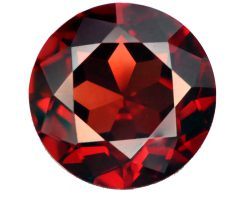 January
 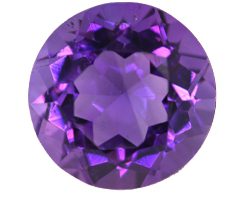 February
 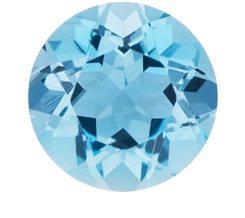 March
March 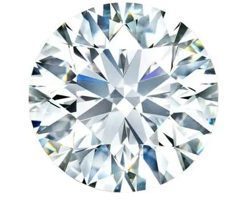 April
April 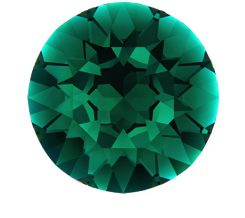 May
May 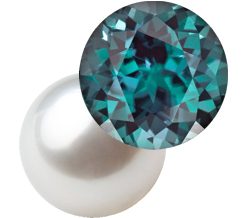 June
June 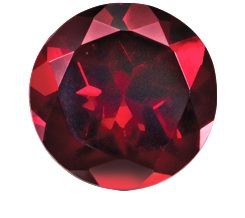 July
July 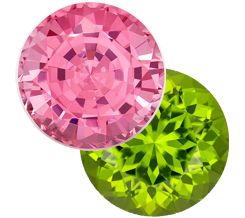 August
 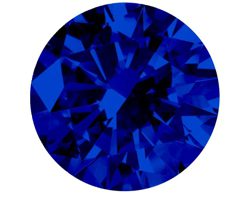 September
 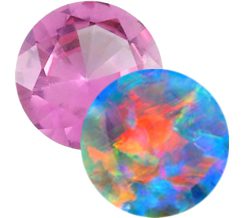 October
 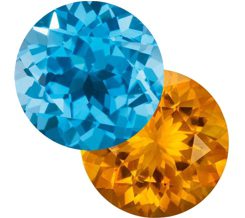 November
  December
 Capricorn - Garnet
  Aquarius - Amethyst
  Pisces - Aquamarine
  Aries - Diamond
  Taurus - Emerald
  Gemini - Pearl
  Cancer - Ruby
  Leo - Peridot
  Virgo - Blue Sapphire
  Libra - Opal
  Scorpio - Topaz
  Sagittarius - Tanzanite


Everything You Need To Know About Tanzanite Gemstones
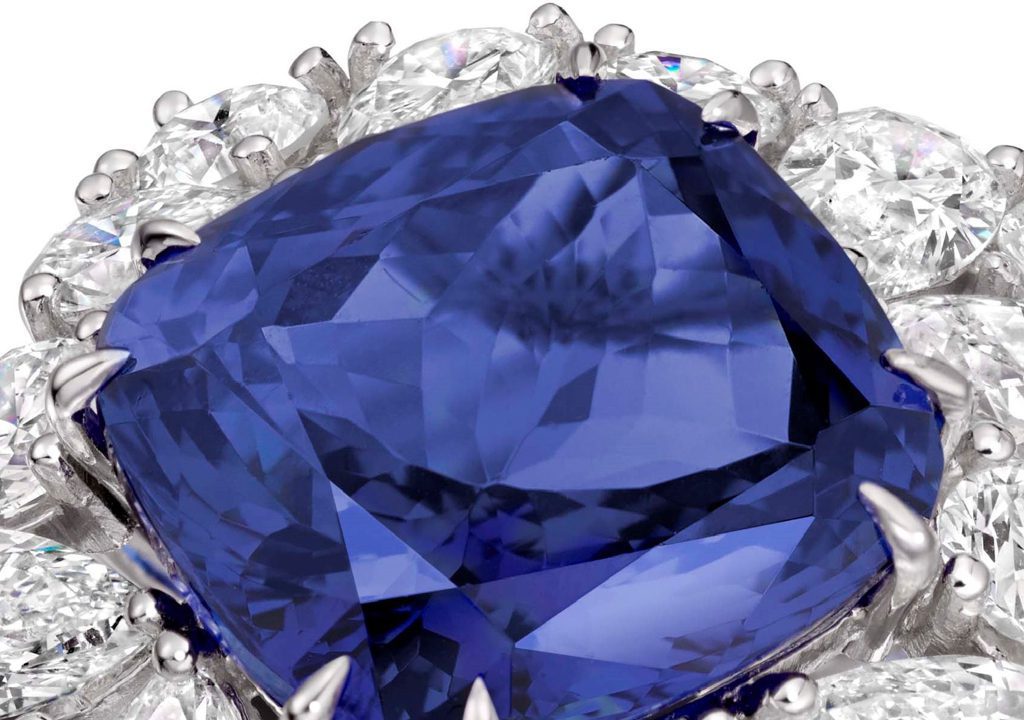
Discovered in 1967 in northern Tanzania, this pleochroic gem quickly became a sensation in the jewelry industry for its unique ability to change colours when viewed from different angles. Tanzanite gemstones are found in only one place on earth and are most commonly cut into faceted stones and used as jewelry. As one of the newest gemstones on the market, tanzanite is still relatively unknown to the average person. This article will provide everything you need to know about tanzanite gemstones, from their history and rarity to how to care for them.
What is Tanzanite?
Tanzanite is a stunning gemstone that was only discovered recently, in 1967. It is found only in one place in the world, at the foothills of Mount Kilimanjaro in Tanzania. Tanzanite is a member of the zoisite family of minerals, and its blue-violet colour is caused by the presence of vanadium. Tanzanite is relatively rare and its beautiful colour makes it a popular choice for jewellery. It is also a relatively hard gemstone, making it suitable for everyday wear. When shopping for tanzanite jewellery, it is important to be aware of the different grades of the gemstone. The three main grades are AAA, AA, and A. AAA is the highest quality, and these gemstones are usually a deep blue-violet colour. AA grade tanzanites are a slightly lighter colour, and A grade gemstones may have a more greenish tint. When choosing a piece of tanzanite jewellery, it is also important to consider the cut of the gemstone. The most popular cuts are oval, round, and cushion. Emerald and Asscher cuts are also sometimes seen. Tanzanite is a relatively new gemstone, and as such, it has not been assigned a birthstone month. However, many people who love the gemstone choose to treat it as their birthstone.
How is Tanzanite Formed?
Tanzanite is a relatively new gemstone, only being discovered in 1967. It is found in only one place in the world, in the East African country of Tanzania. The story goes that a Masai tribesman came across some blue crystals sparkling in the sun, and brought them to a nearby jeweler. It was soon realized that this was a new and unique gemstone, and that the location where it was found was the only place in the world where it could be found. Tanzanite is formed in metamorphic rocks, which are rocks that have been changed by heat and pressure. The heat and pressure cause the minerals in the rocks to change, and this is how tanzanite is formed. It is a blue variety of the mineral zoisite, and is usually found in crystals.
The History of Tanzanite
Tanzanite is a relatively new gemstone, having only been discovered in the late 1960s. But despite its youth, it has already managed to carve out a place for itself in the world of gemstones. Here is a brief history of this fascinating stone. The first recorded discovery of tanzanite was made in 1967, by a tailor named Manuel D’Souza, who found some stones while he was prospecting for gold in the Mererani Hills of Tanzania. The initial find was quite small, and it was not until a few years later that a major deposit of the stone was discovered. The stone was originally known as “D’Souza’s Stone”, but was later renamed “tanzanite” by Tiffany & Co., in reference to its country of origin. The name “tanzanite” quickly became popular, and today it is the only name that is used for the stone. Tanzanite was first introduced to the wider world at the 1974 New York World’s Fair, where it was exhibited alongside other rare and exotic gems. It was an instant hit, and its popularity has only grown in the years since. Today, tanzanite is one of the most sought-after gemstones in the world. It is prized for its unique violet-blue colour, which is unlike any other stone. It is also the only gemstone that is found in only one place on Earth: the Mererani Hills of Tanzania. Due to its rarity and beauty, tanzanite is one of the most valuable gemstones on the market today. It is perfect for use in high-end jewelry, and is often used as an alternative to diamonds. If you are interested in adding a piece of tanzanite jewelry to your collection, be sure to do your research and buy from a reputable source. With its unique colours and history, tanzanite is a gemstone that is sure to turn heads and take your style to the next level.
The Composition of Tanzanite
Tanzanite gemstones are made up of the mineral zoisite, which is a calcium aluminium hydroxyl sorosilicate. The name tanzanite comes from the place where it was first found in Tanzania, Africa. Zoisite was first discovered in the late 19th century, but it was not until 1967 that it was found in Tanzania. The mineral zoisite ranges in colour from pale green to brown, but the gemstones are most commonly a deep blue or violet blue. The colour of the gemstones is caused by the presence of vanadium in the zoisite mineral. Tanzanite gemstones are rated on the Mohs hardness scale at 6.5 to 7, which means they are relatively soft and can be scratched easily. Tanzanite gemstones are often heat-treated to improve their colour. The heat treatment process involves heating the zoisite mineral to a temperature of around 500 degrees Celsius. This causes the vanadium in the zoisite to change its crystalline structure, which in turn alters the colour of the gemstones. Tanzanite gemstones are usually cut into facets and used in jewellery. The most common way to cut tanzanite gemstones is the brilliant cut, which consists of 58 facets. Tanzanite gemstones are usually set in silver or white gold, as these metals complement the blue colour of the gemstones. Tanzanite gemstones are relatively rare, and their rarity is one of the factors that contributes to their value. The gemstones are only found in one place in the world, and that is in the Mererani Hills of Tanzania. The area where the gemstones are found is quite remote, and it can be difficult to extract them. Tanzanite gemstones are a relatively new addition to the world of jewellery, and they are becoming increasingly popular. Their rarity, combined with their beautiful colour, makes them a coveted gemstone. If you are thinking of buying tanzanite gemstones, be sure to do your research and buy from a reputable source.
The colours of Tanzanite
Tanzanite gemstones are gemstones that are found in the East African country of Tanzania. The stone is a blue-violet gemstone that is found in a variety of colours, ranging from blue to purple. The colours of tanzanite are caused by the presence of different metals in the gemstone, such as iron and magnesium. The different colours of tanzanite can be seen in different types of light, such as natural sunlight, artificial lighting, and ultraviolet light. The most popular colour of tanzanite is blue, which is caused by the presence of iron in the gemstone. The blue colour of tanzanite is very similar to the blue of sapphires, but it is not as intense. The blue colour of tanzanite can vary from a light blue to a deep blue. The blue colour of tanzanite is the most popular colour among buyers. The second most popular colour of tanzanite is purple, which is caused by the presence of magnesium in the gemstone. The purple colour of tanzanite is similar to the purple of amethysts, but it is not as intense. The purple colour of tanzanite can vary from a light purple to a deep purple. The purple colour of tanzanite is very popular among buyers. The third most popular colour of tanzanite is violet, which is caused by the presence of both iron and magnesium in the gemstone. The violet colour of tanzanite is similar to the violet of tourmalines, but it is not as intense. The violet colour of tanzanite can vary from a light violet to a deep violet. The violet colour of tanzanite is popular among buyers. The fourth most popular colour of tanzanite is yellow, which is caused by the presence of iron in the gemstone. The yellow colour of tanzanite is similar to the yellow of citrines, but it is not as intense. The yellow colour of tanzanite can vary from a light yellow to a deep yellow. The yellow colour of tanzanite is less popular among buyers. The fifth most popular colour of tanzanite is pink, which is caused by the presence of magnesium in the gemstone. The pink colour of tanzanite is similar to the pink of rubies, but it is not as intense. The pink colour of tanzanite can vary from a light pink to a deep pink. The pink colour of tanzanite is less popular among buyers.
The Clarity of Tanzanite
Tanzanite is pleochroic, meaning that it can show different colours when viewed from different angles. The most common colours are blue and violet, but it can also be found in shades of green, yellow, or even brown. The best quality stones are those that are completely blue or violet, with no other colours present. Clarity is defined as the absence of blemishes or inclusions, and is judged on a 6 point scale from perfect (FL) to included (I3). Most tanzanite on the market will fall somewhere in the VS (very slightly included) to SI2 (slightly included 2) range. Inclusions are not necessarily a bad thing, as they can actually add to the beauty of the stone. In fact, many people prefer stones that have a few inclusions, as it gives them character and makes them unique. If you are looking for a perfect, flawless stone, you will likely have to pay a premium. However, there are still plenty of beautiful tanzanite stones out there that fall in the VS-SI2 range. So, don’t be discouraged if you can’t find an FL. Just remember that the closer a stone is to perfection, the more expensive it will be.
The Care of Tanzanite
To clean your tanzanite jewelry, soak it in a solution of mild dish soap and lukewarm water. Use a soft toothbrush to remove any dirt or debris from the setting and gemstone. Rinse your tanzanite jewelry thoroughly in lukewarm water and dry it with a soft cloth. Avoid exposing your tanzanite jewelry to harsh chemicals, such as bleach. Remove your tanzanite jewelry before doing any household cleaning. To protect your tanzanite jewelry from scratches and other damage, store it in a soft cloth pouch or jewelry box. Avoid storing your tanzanite jewelry next to other hard gemstones, such as diamonds.
Tanzanite is a beautiful gemstone that is loved by many people for its unique colour. It is found in only one place in the world, Tanzania, and is therefore a very rare stone. Tanzanite is relatively new to the market, as it was only discovered in 1967, and is still not as well-known as other gemstones. However, its popularity is growing rapidly, as more people learn about this stunning stone. If you are considering adding a tanzanite gemstone to your collection, be sure to do your research and buy from a reputable source. With proper care, your tanzanite gemstone will last a lifetime and bring you much enjoyment.