 1st - Gold
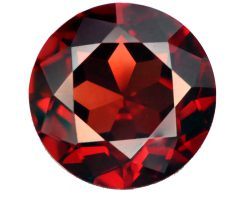 January
 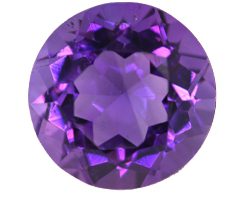 February
 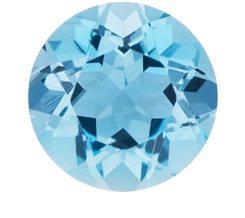 March
March 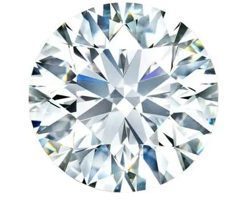 April
April 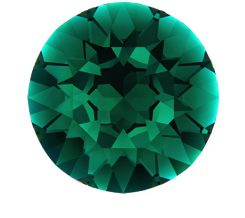 May
May 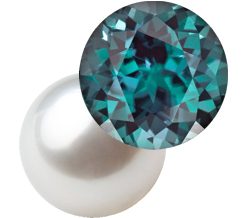 June
June 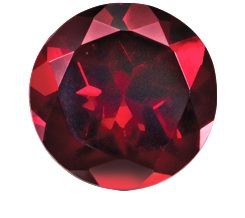 July
July 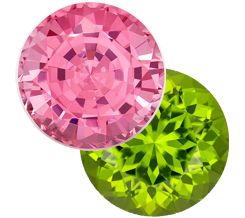 August
 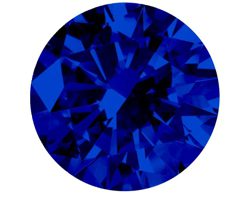 September
 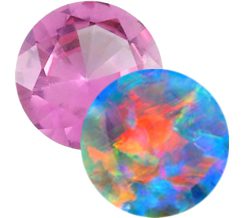 October
 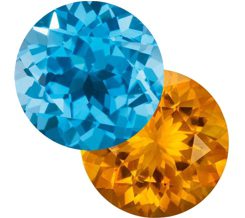 November
 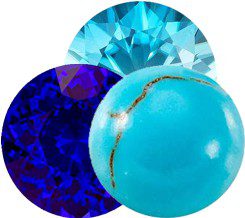 December
 Capricorn - Garnet
  Aquarius - Amethyst
  Pisces - Aquamarine
  Aries - Diamond
  Taurus - Emerald
  Gemini - Pearl
  Cancer - Ruby
  Leo - Peridot
  Virgo - Blue Sapphire
  Libra - Opal
  Scorpio - Topaz
  Sagittarius - Tanzanite

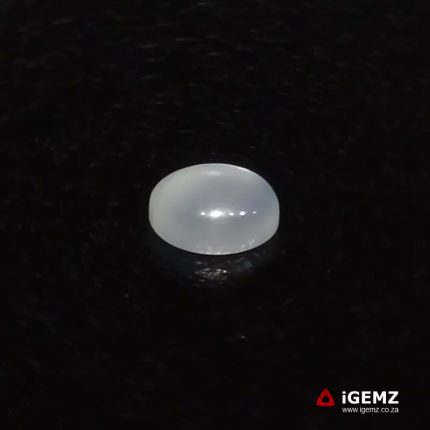
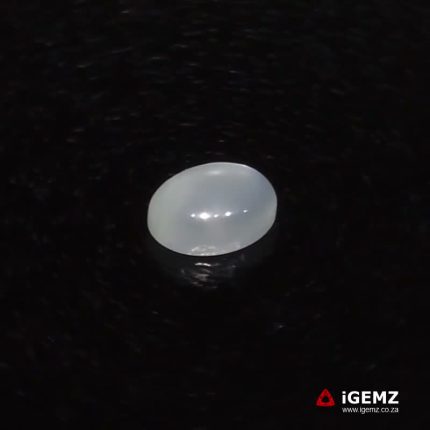
Moonstone Gemstones – Properties, Origins, Treatments and Buying Guide

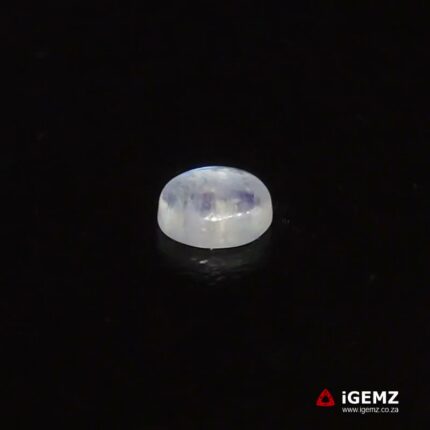
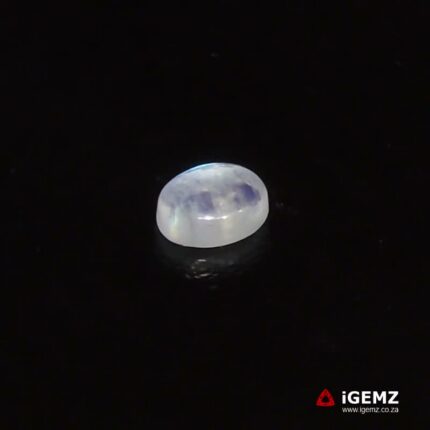
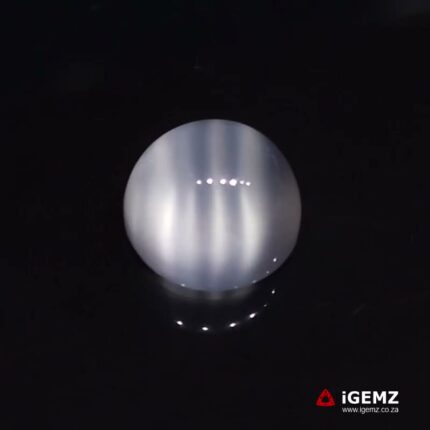
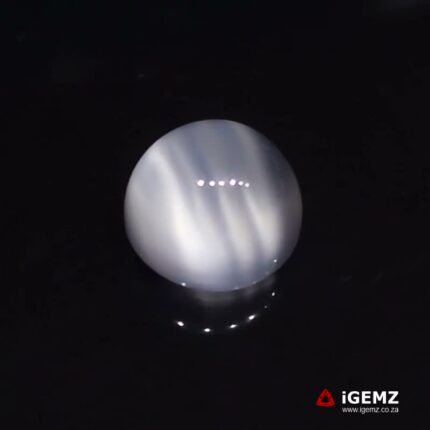
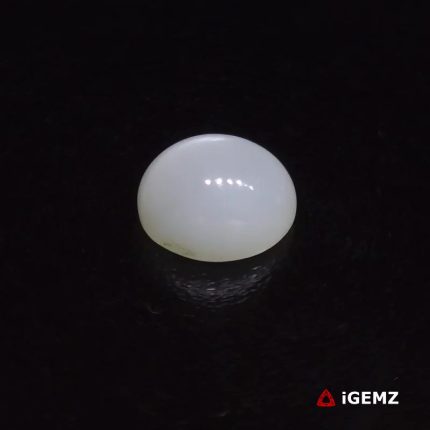
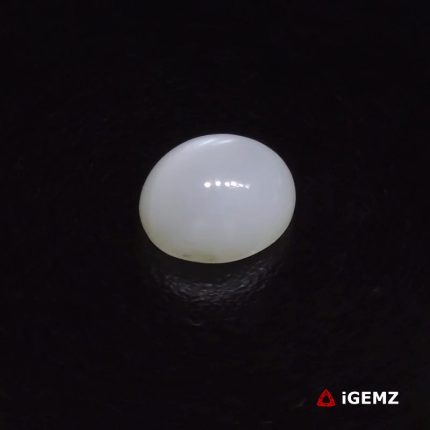
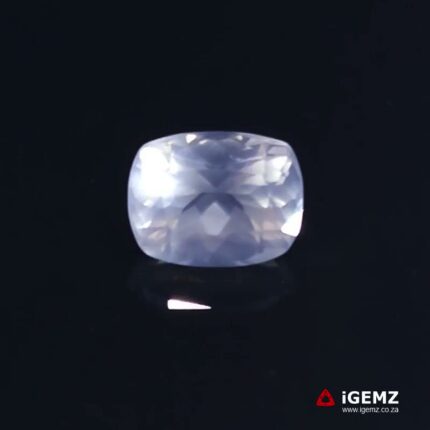
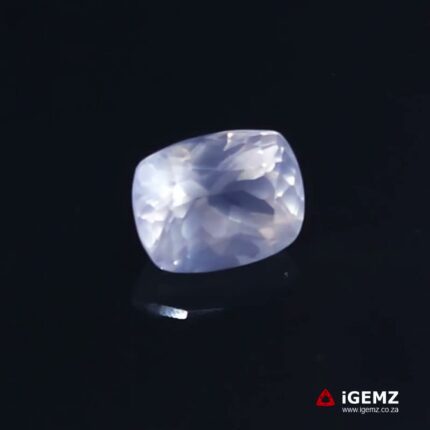
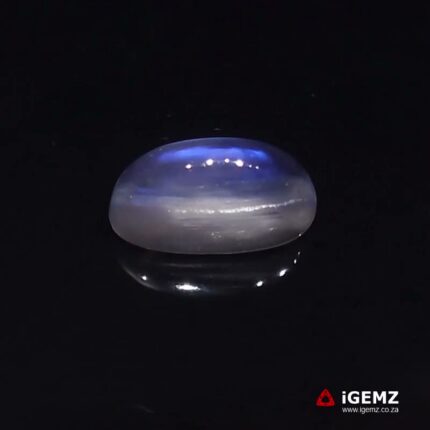
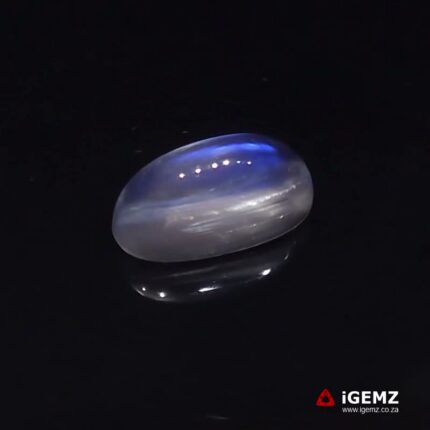
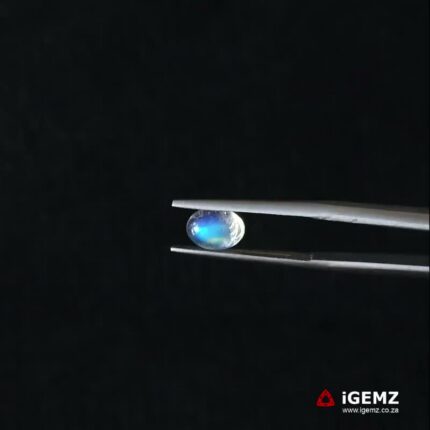
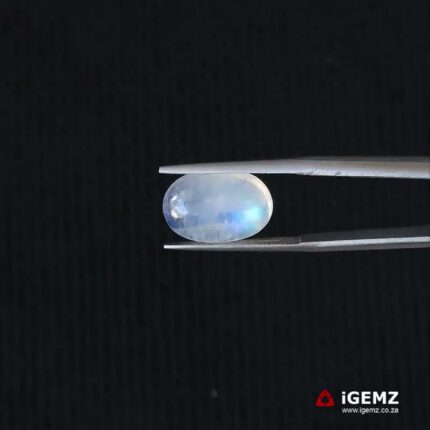
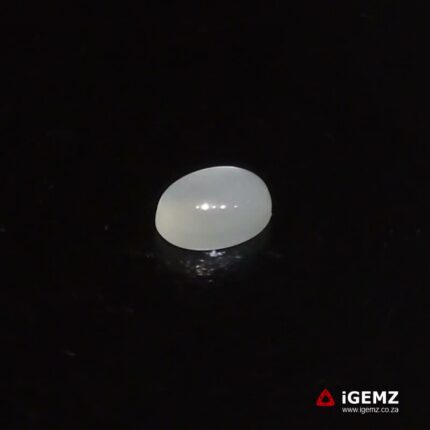
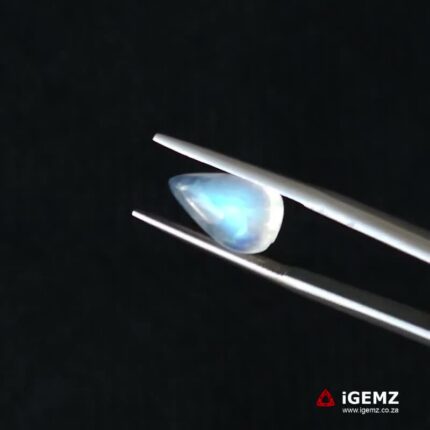
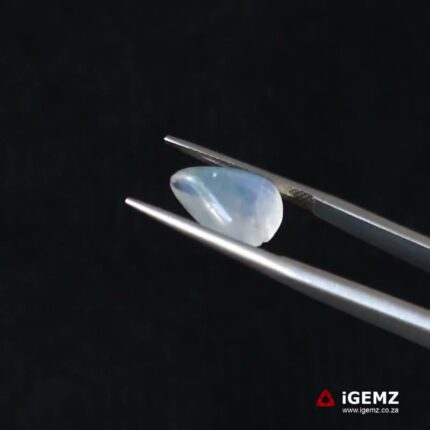
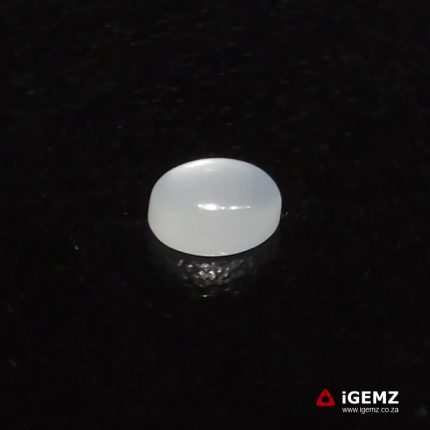
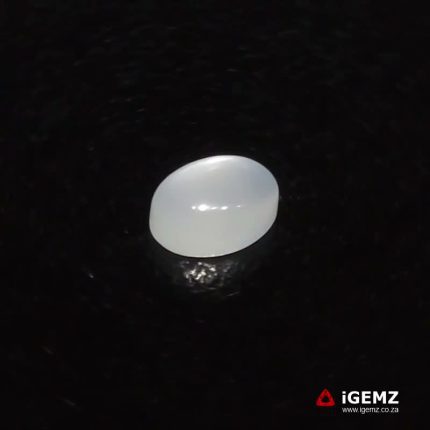
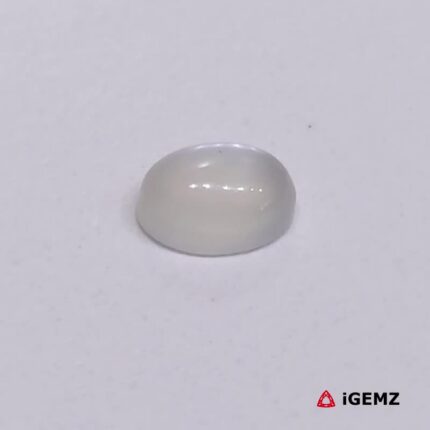
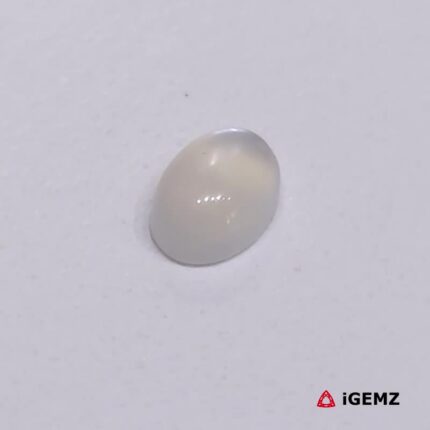
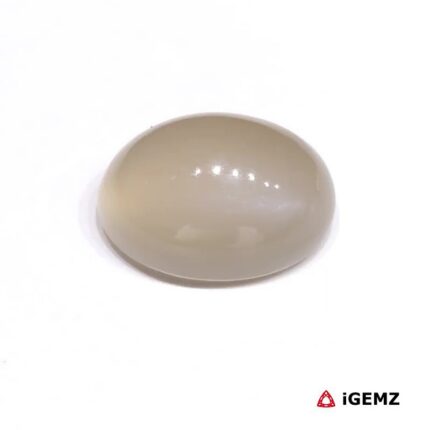
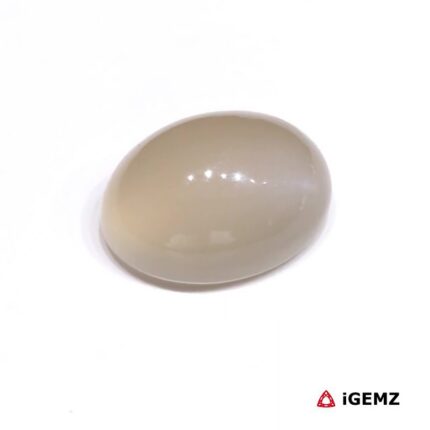
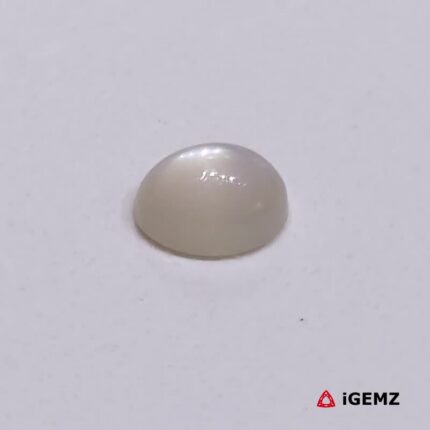
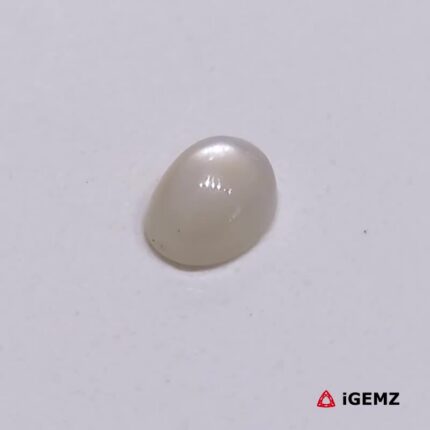
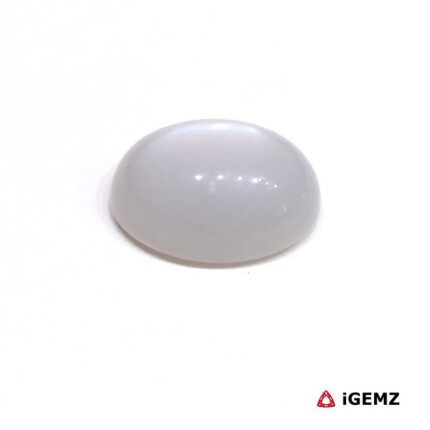
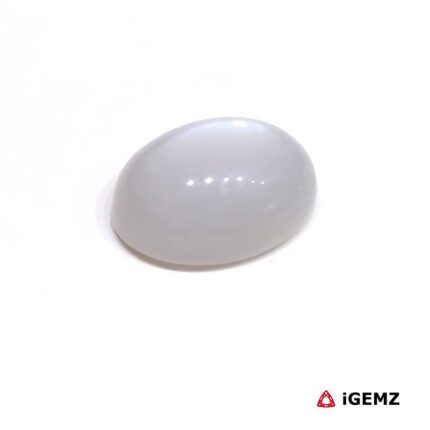
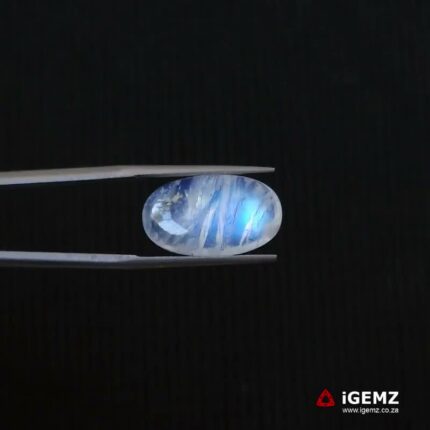
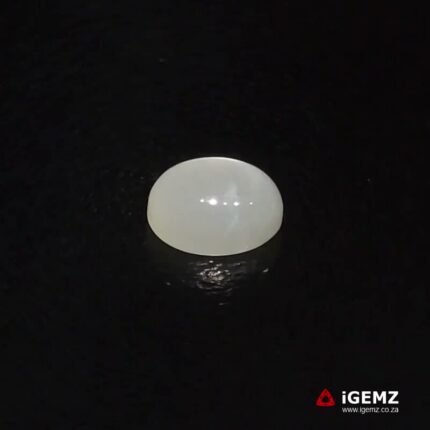
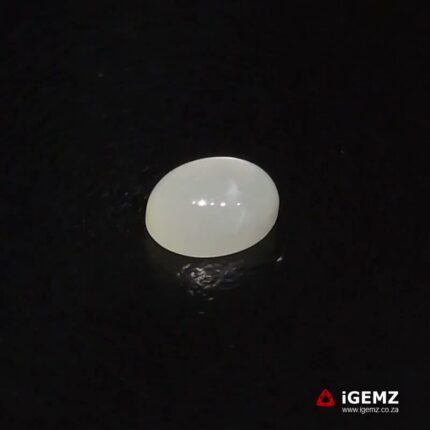
Moonstone is one of the most enchanting gemstones in the feldspar family, admired for its soft glow and distinctive optical phenomenon known as adularescence. Rather than brilliance, moonstone captivates through its floating light effect that appears to move beneath the surface of the stone.
In this guide we explore moonstone from a professional gemmological perspective, covering its mineral composition, crystal structure, optical properties, treatments, origins, and care requirements.
What is Moonstone?
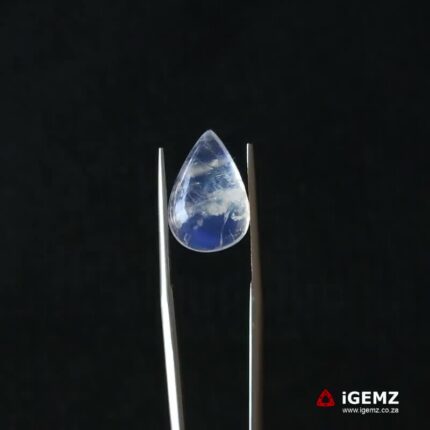
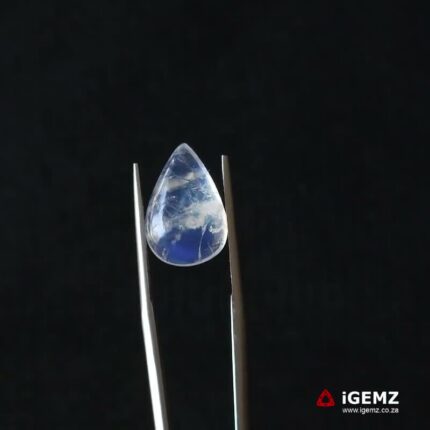
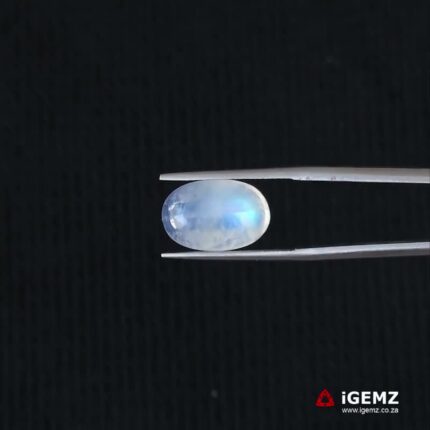
Moonstone is a variety of feldspar belonging to the orthoclase and albite groups. Its defining feature is adularescence — a soft, billowing light that appears to float just beneath the surface when the stone is moved.
This optical phenomenon is caused by the intergrowth of two feldspar minerals, which scatter light in a unique way. High-quality moonstone displays a strong blue or white sheen over a transparent to translucent body.
Mineral Composition
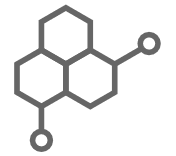
Moonstone has the chemical formula:
KAlSi₃O₈
It is composed primarily of:
Potassium
Aluminium
Silicon
Oxygen
The characteristic glow of moonstone is created by light scattering between alternating layers of feldspar within the crystal.
Mineral Family and Crystal System

Moonstone belongs to the feldspar mineral family, the most abundant mineral group in the Earth’s crust.
Its crystal system is monoclinic, contributing to its layered internal structure and optical phenomena.
Optical and Physical Properties
Moonstone is prized for its soft glow rather than brilliance, making it instantly recognisable among gemstones.

Lustre
Vitreous to pearly, with a soft glow.

Transparency
Transparent to translucent depending on quality.
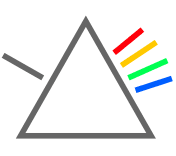
Refractive index
1.52 – 1.54, creating a soft, floating light effect.

Specific gravity
2.56 – 2.59, typical for feldspar minerals.
Colour Range
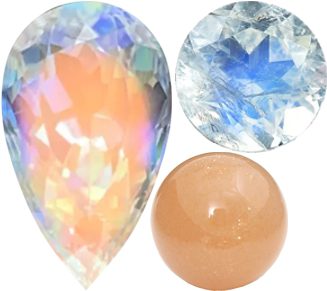
Moonstone occurs in a range of subtle colours:
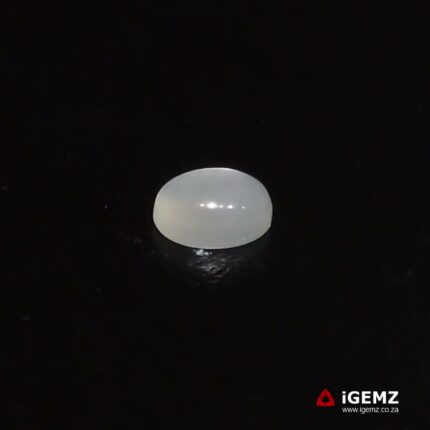
Colourless
White
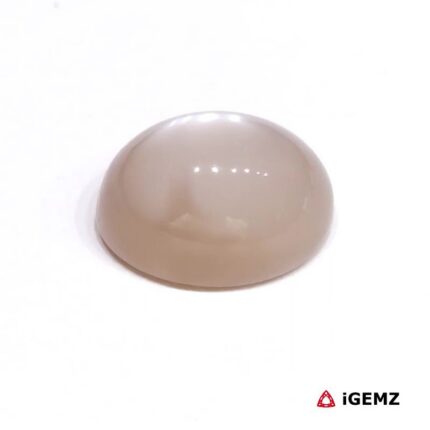
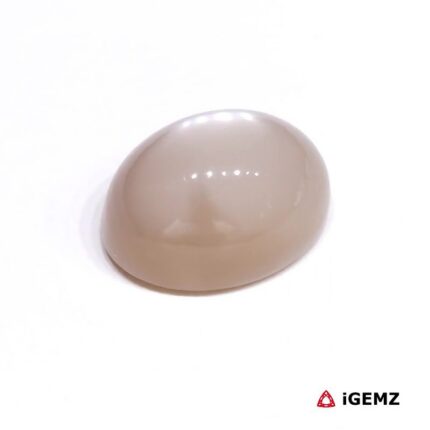
Cream
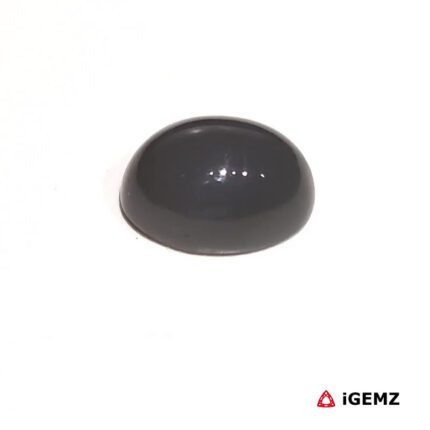
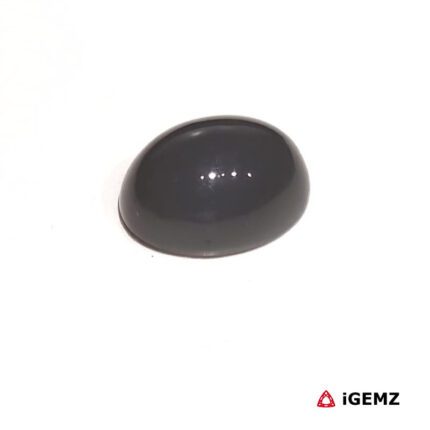
Grey
Peach
Blue sheen varieties (most valuable)
The finest moonstones display strong blue adularescence on a transparent body.

Mohs Hardness and Durability

Moonstone has a Mohs hardness of 6 to 6.5.
It is softer than quartz and should be worn carefully, especially in rings. Protective settings are recommended.
Treatments

Most moonstone is completely untreated.
No heating or irradiation is normally required.
Synthetic moonstone does exist and should not be confused with natural material.
Care and Cleaning
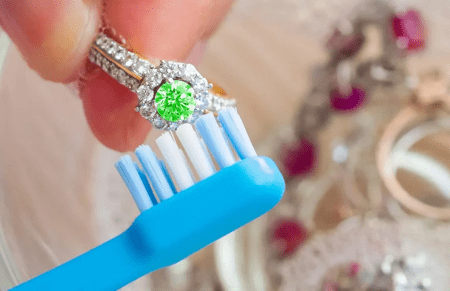
Avoid ultrasonic and steam cleaners.
Avoid hard knocks and pressure.
Clean with warm water, mild soap, and a soft cloth.
Store separately from harder gemstones.
Major Origins
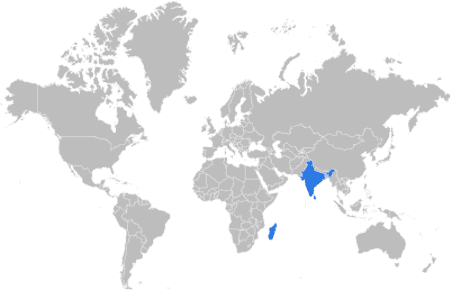
Major sources of moonstone include:
Sri Lanka
India
Myanmar
Madagascar
Tanzania
Sri Lankan moonstone is considered the finest due to its strong blue sheen.