


 1st - Gold
 January
  February
 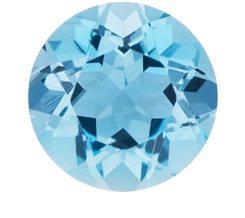 March
March 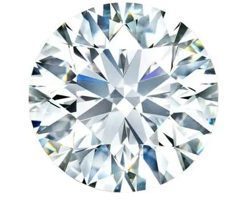 April
April 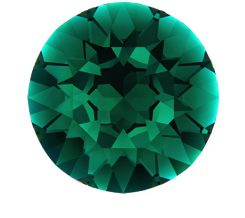 May
May 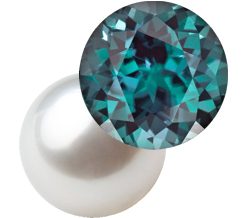 June
June 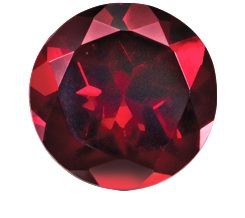 July
July 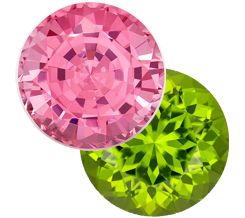 August
  September
  October
 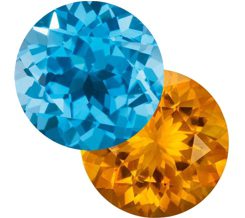 November
 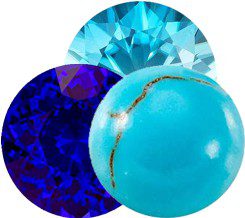 December
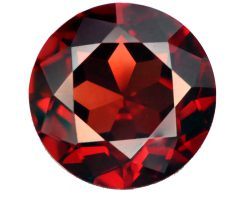
 Capricorn - Garnet
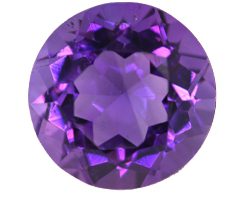
  Aquarius - Amethyst
 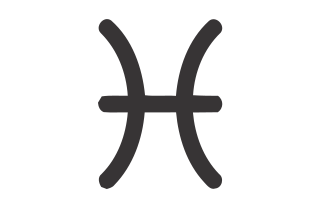 Pisces - Aquamarine
 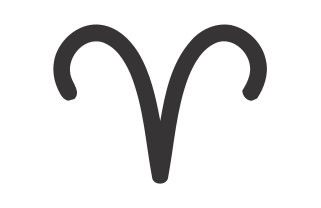 Aries - Diamond
  Taurus - Emerald
  Gemini - Pearl
  Cancer - Ruby
  Leo - Peridot
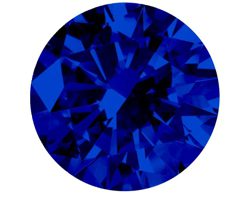
  Virgo - Blue Sapphire
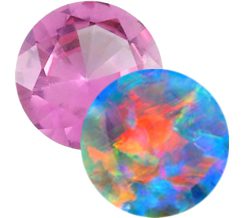
  Libra - Opal
  Scorpio - Topaz
  Sagittarius - Tanzanite


Rhodolite Garnet Gemstones – Properties, Origins, Treatments and Buying Guide
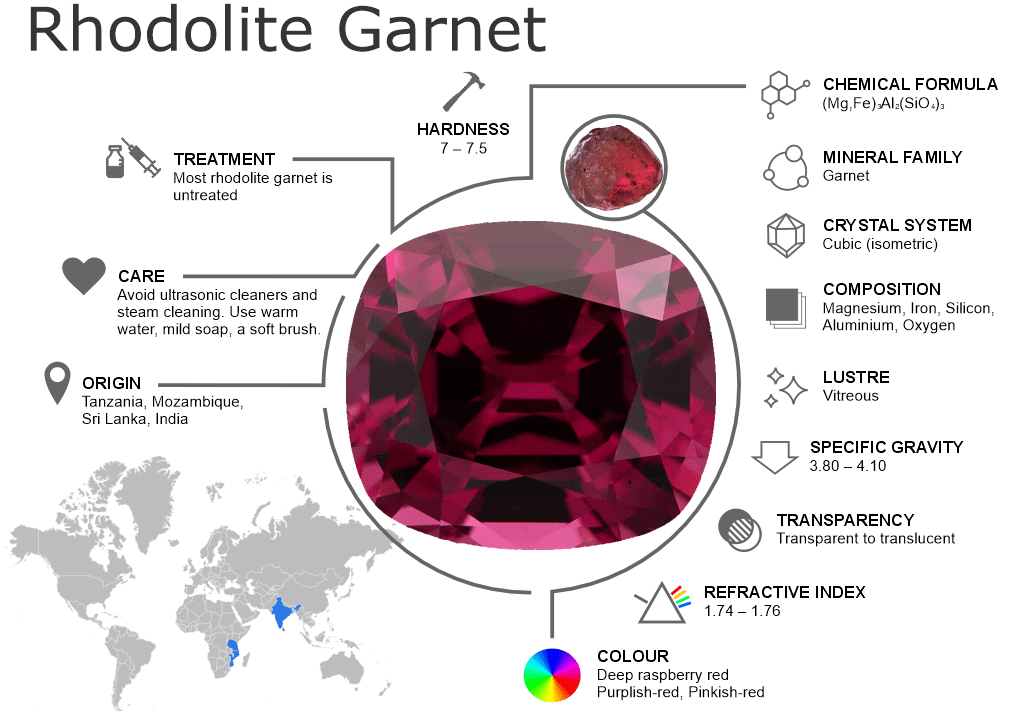
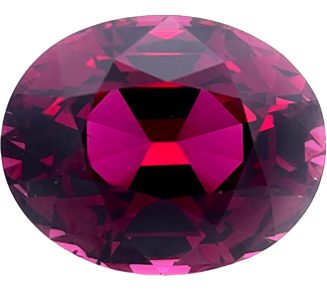
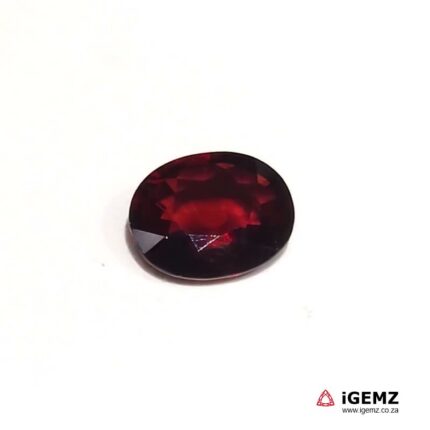
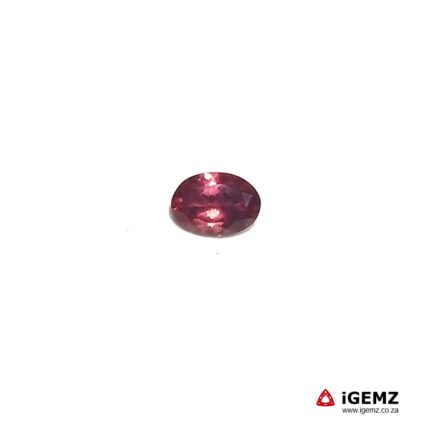
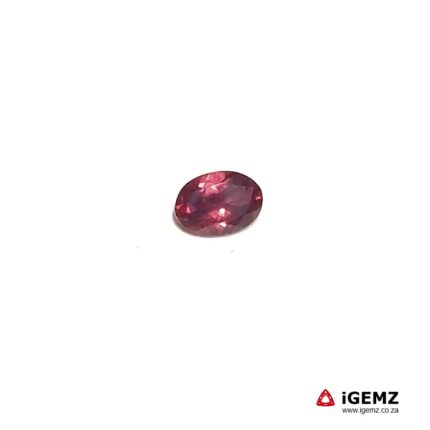
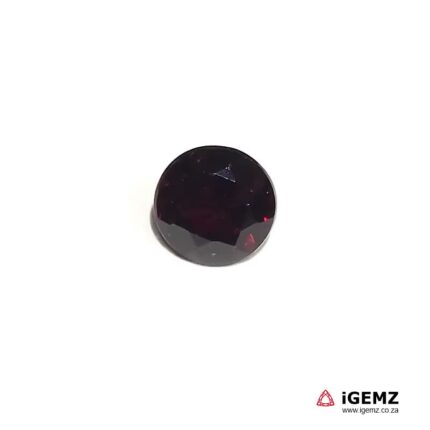
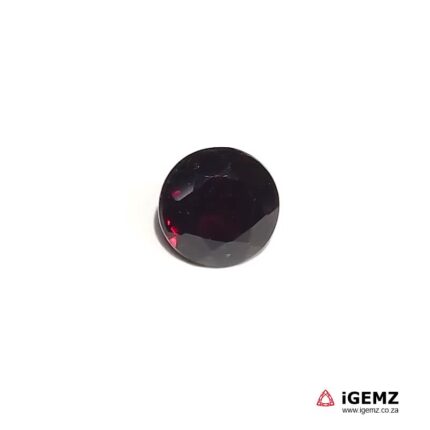
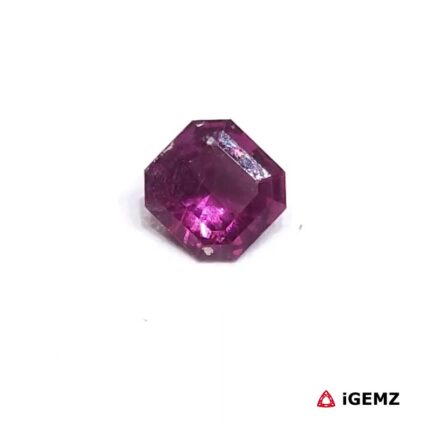
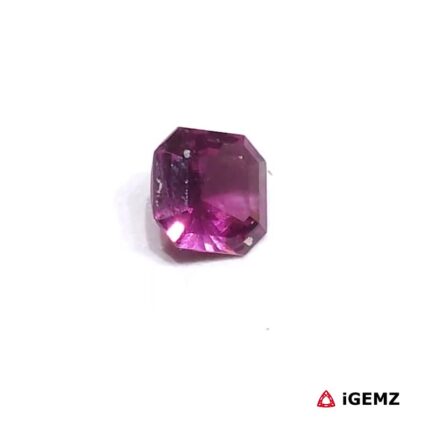
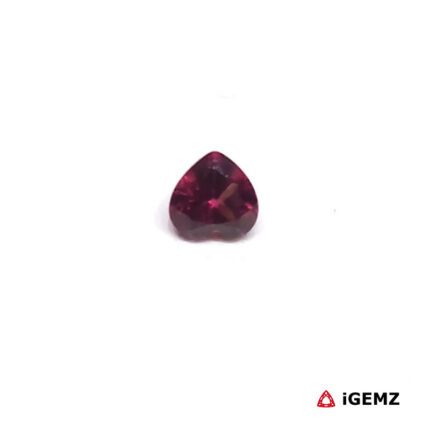
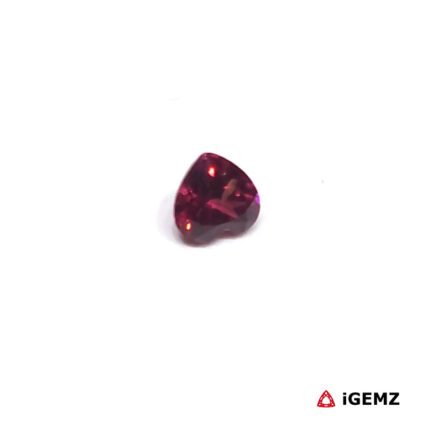
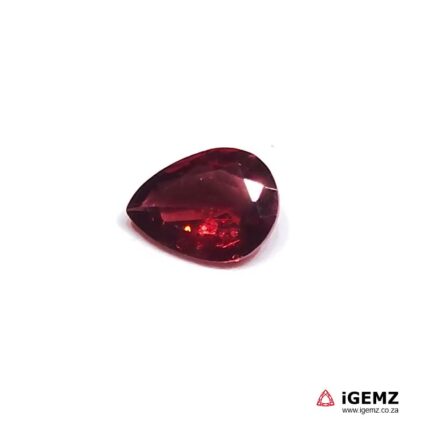
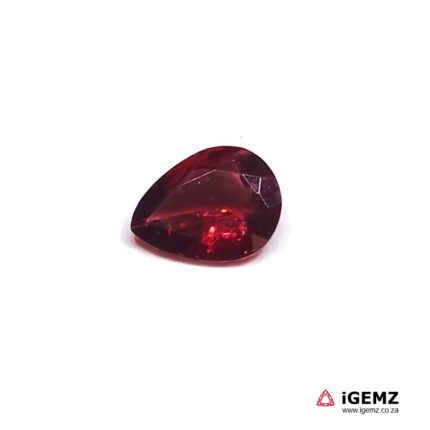
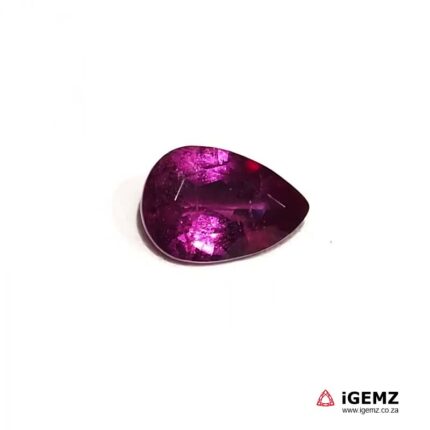
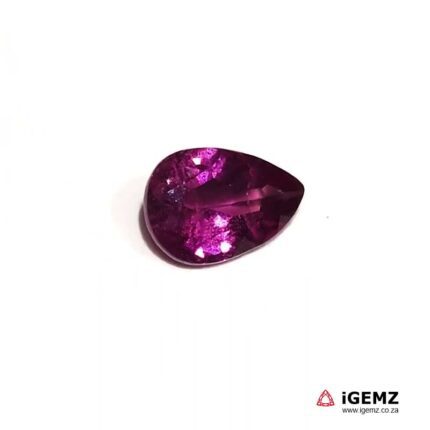
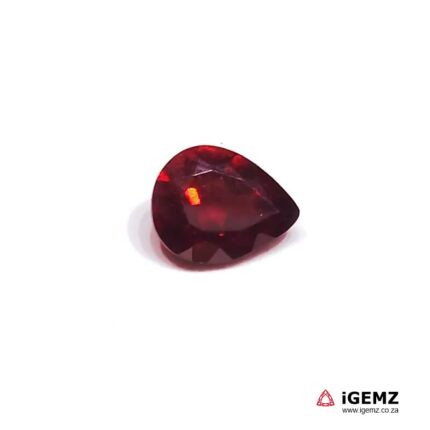
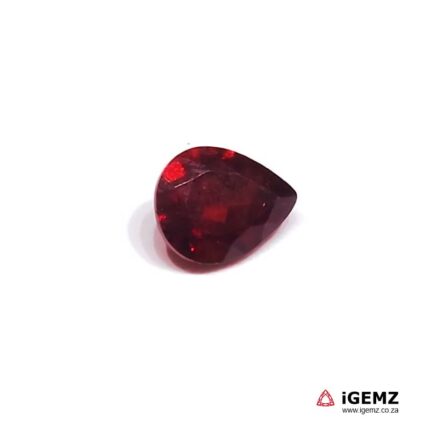
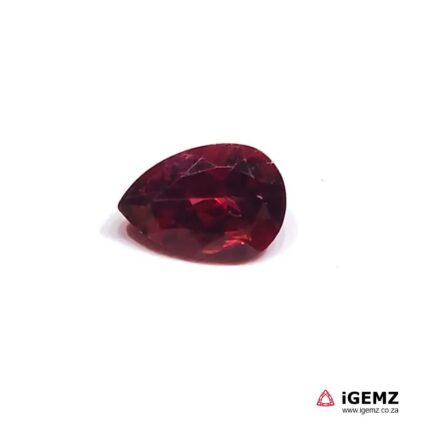
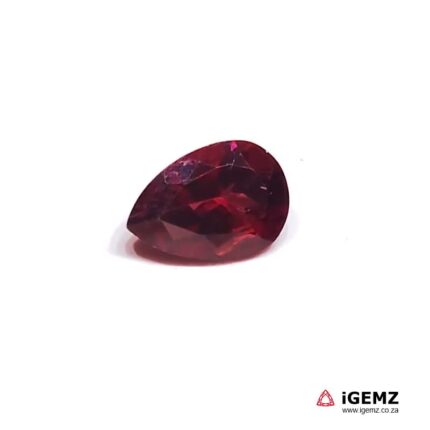
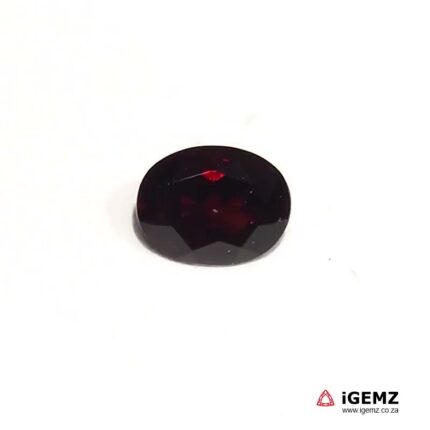
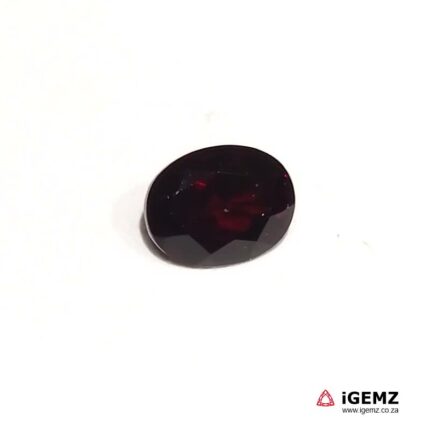
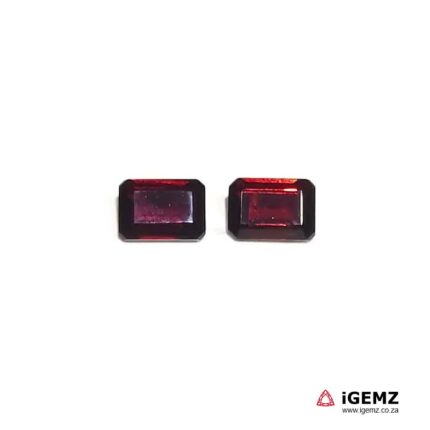
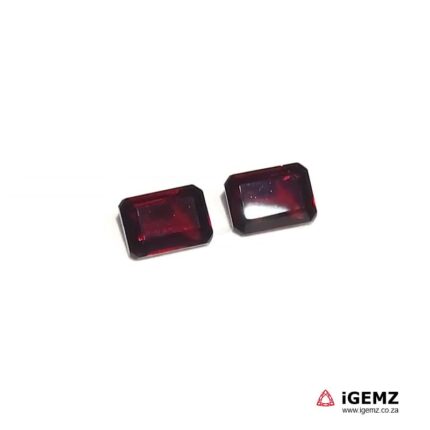
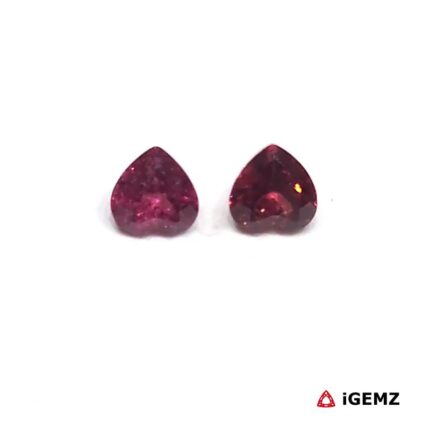
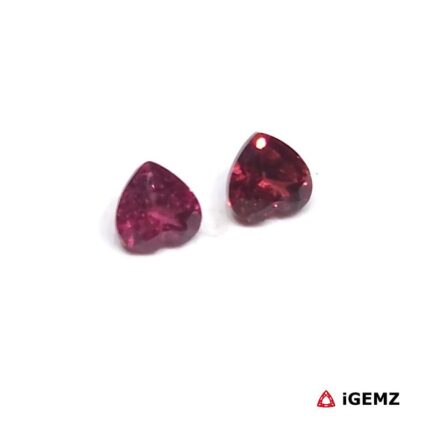
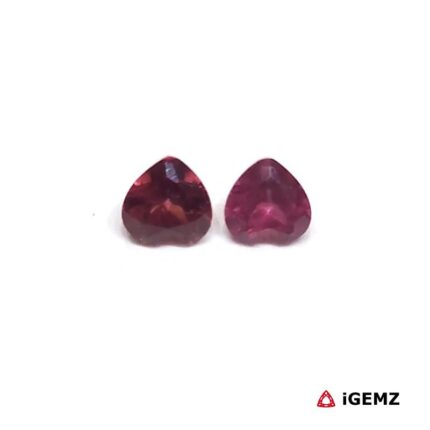
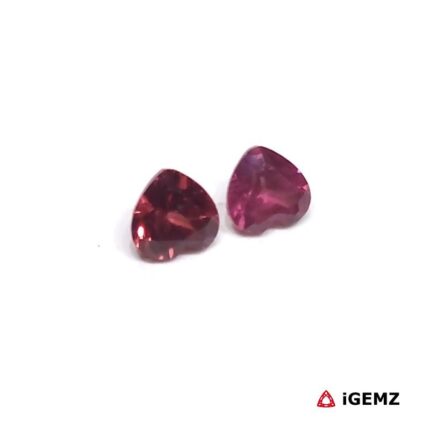
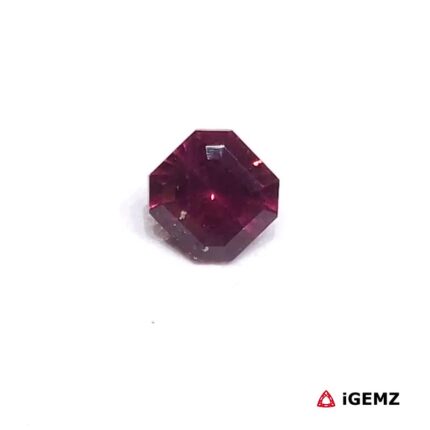
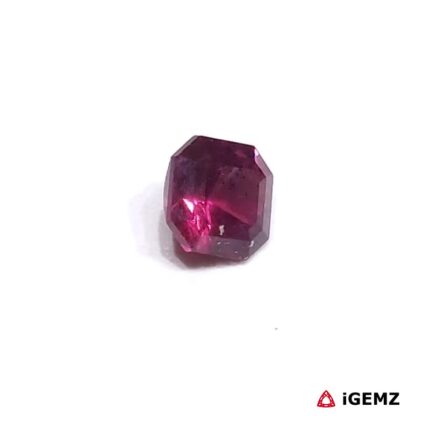
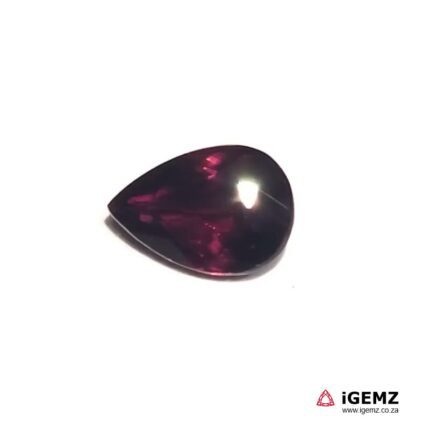
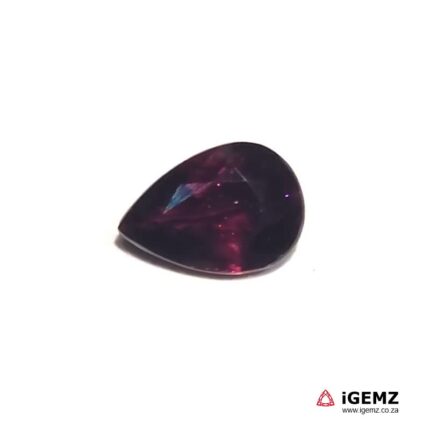
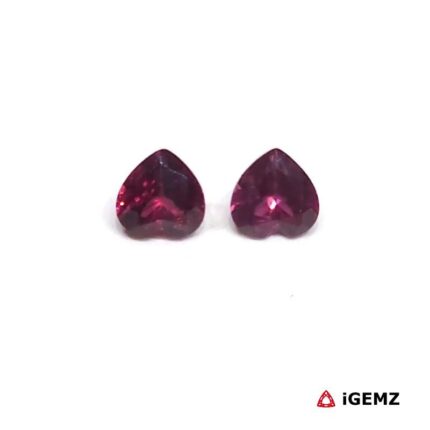
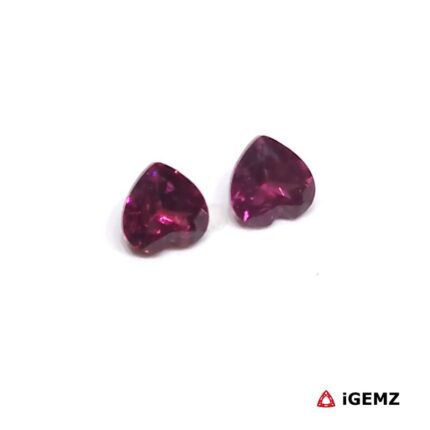
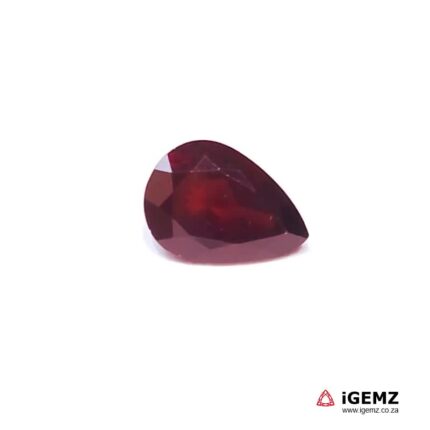
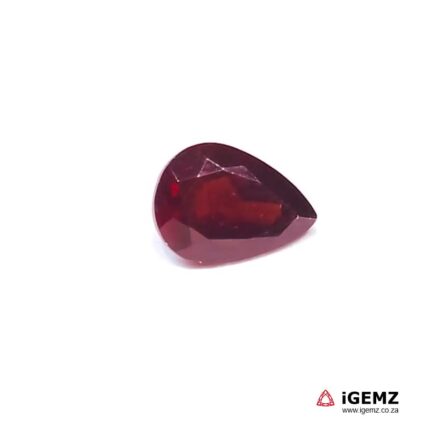
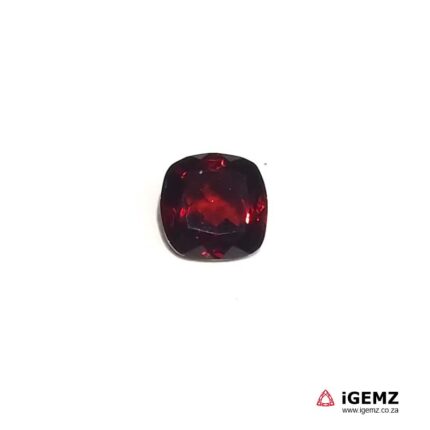
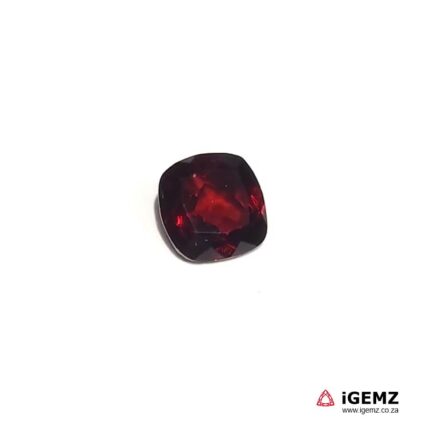
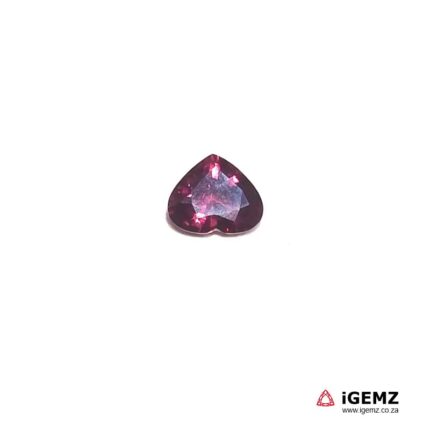
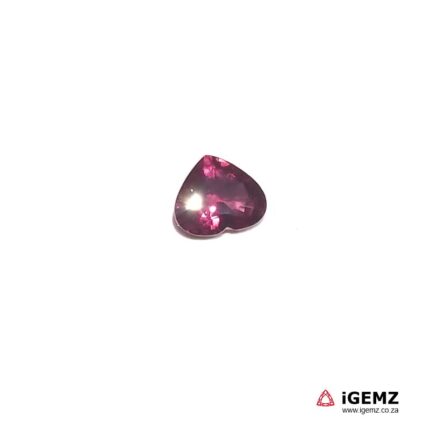
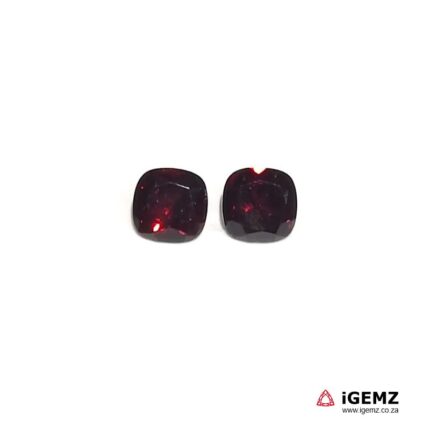
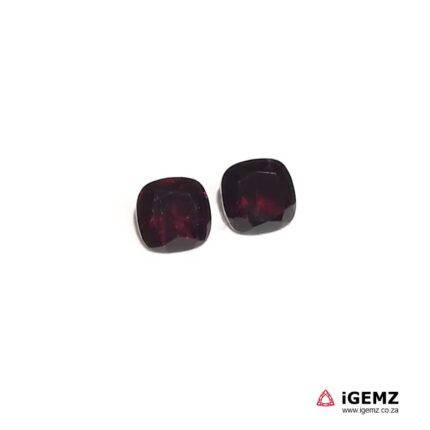
Rhodolite Garnet is one of the most sought-after varieties of garnet, admired for its rich raspberry to purplish-red tones and excellent brilliance. Unlike darker garnets, rhodolite garnet is known for its bright colour, superior transparency, and strong light performance.
In this guide we examine rhodolite garnet from a professional gemmological and commercial perspective, covering its physical properties, crystal structure, treatments, origins and how to identify fine-quality stones.
What is Rhodolite Garnet?
Rhodolite garnet is a variety of garnet composed primarily of pyrope and almandine. Its name is derived from the Greek word rhodon, meaning rose, due to its distinctive pinkish-red colour.
Unlike many garnets that appear dark or brownish, rhodolite garnet is prized for its brightness, clarity, and rich colour saturation. It is commonly used in fine jewellery and performs exceptionally well in faceted cuts.
Mineral Composition
Rhodolite garnet has a chemical composition between pyrope and almandine:
(Mg,Fe)₃Al₂(SiO₄)₃
It consists mainly of:
Magnesium
Iron
Aluminium
Silicon
Oxygen
The balance between magnesium and iron determines the depth of colour and brilliance of the stone.
Mineral Family and Crystal System

Rhodolite garnet belongs to the garnet mineral group.
Its crystal system is isometric (cubic), producing well-formed crystals with excellent symmetry and optical performance.
Optical and Physical Properties
Rhodolite garnet combines strong brilliance, rich colour and good durability, making it highly desirable for jewellery use.

Lustre
Vitreous, giving rhodolite a bright and lively appearance.

Transparency
Transparent to slightly translucent in fine-quality stones.

Refractive index
1.74 – 1.77, giving excellent brilliance and fire.

Specific gravity
3.78 – 3.95, typical of garnet gemstones.
Colour Range
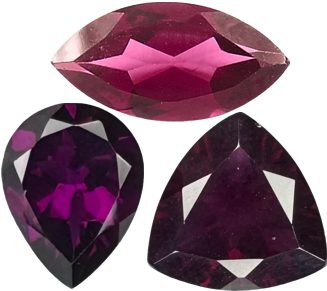
Rhodolite garnet displays a beautiful range of colours:
Rose red
Raspberry
Purplish red
Wine red
The finest stones show strong saturation without appearing dark or brown.
Mohs Hardness and Durability

Rhodolite garnet has a Mohs hardness of 7 to 7.5, making it suitable for rings, pendants and earrings.
It has good toughness and resists scratching better than many coloured gemstones.
Treatments

Rhodolite garnet is almost always untreated.
No heat treatment or enhancement is normally required, making it one of the most naturally beautiful gemstones available.
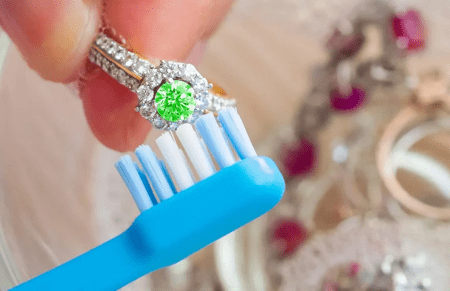
Care and Cleaning
Clean with warm water and mild soap.
Avoid ultrasonic and steam cleaners.
Store separately from harder gemstones.
Avoid heavy impact or sharp blows.
Major Origins
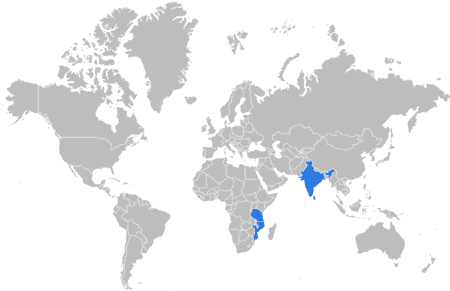
Major sources of rhodolite garnet include:
Sri Lanka
Tanzania
Mozambique
Madagascar
Zimbabwe
India
Frequently Asked Questions
Is rhodolite garnet a natural gemstone?
Yes, <a href=”https://www.igemz.co.za/product-category/natural-gemstones/rhodolite-garnet/” target=”_blank”>rhodolite garnet</a> is a naturally occurring variety of garnet.
What colour is rhodolite garnet?
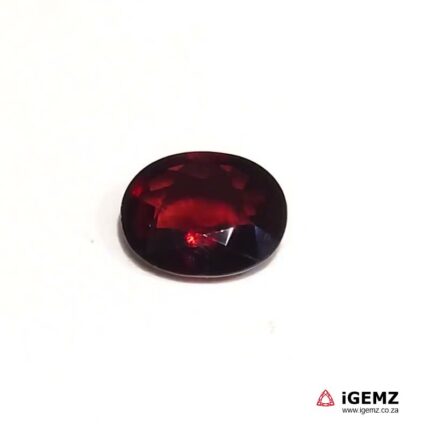
Rhodolite ranges from rose pink to purplish-red and raspberry tones.
Is rhodolite garnet treated?
No, rhodolite garnet is typically untreated.
Is rhodolite garnet suitable for everyday wear?
Yes, with a hardness of 7–7.5 it is suitable for daily jewellery when properly set.
How can I identify real rhodolite garnet?
Look for strong colour, good brilliance, and the typical garnet refractive properties.
Does rhodolite garnet fade?
No, rhodolite garnet is colour stable and does not fade.
Where does the best rhodolite garnet come from?
Sri Lanka and Tanzania are known for producing fine-quality stones.
Is rhodolite garnet valuable?
Yes, fine-quality rhodolite garnet is highly valued for its colour and clarity.
Can rhodolite garnet be scratched easily?
It is fairly durable but should be protected from harder stones.
Is rhodolite garnet good for engagement rings?
Yes, it is a popular alternative gemstone with excellent durability and beauty.