

 1st - Gold

 January
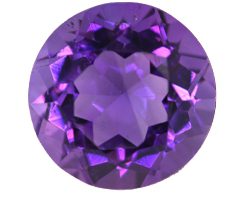 February
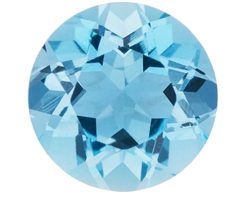 March
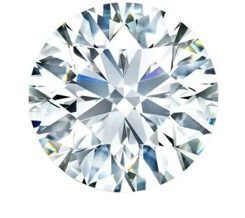 April
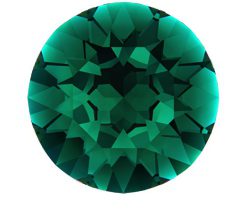 May
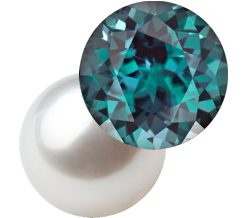 June
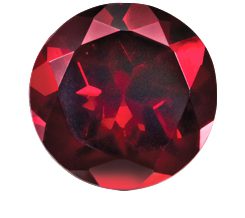 July
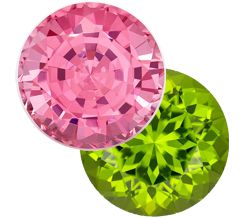 August
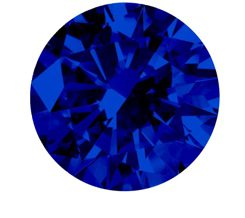 September
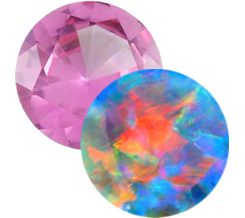 October
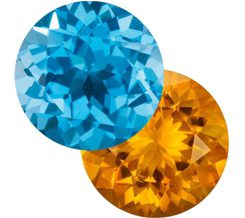 November
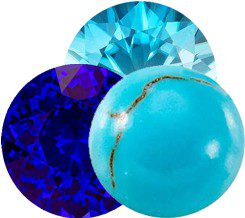 December

 Capricorn - Garnet
 Aquarius - Amethyst
 Pisces - Aquamarine
 Aries - Diamond
 Taurus - Emerald
 Gemini - Pearl
 Cancer - Ruby
 Leo - Peridot
 Virgo - Blue Sapphire
 Libra - Opal
 Scorpio - Topaz
 Sagittarius - Tanzanite


What to Check When a Gemstone Is Described as Calibrated
Gemstone Journal · 9 min read
In the world of loose gemstones, the term ‘calibrated’ often appears in descriptions and product listings. Understanding the calibrated gemstone meaning is essential for buyers seeking stones that fit standard jewellery settings or design requirements. This guide provides a clear explanation of what calibrated implies about a gemstone’s size, shape consistency, and tolerances. It also highlights why professional confirmation remains crucial before setting a calibrated stone. By grasping these aspects, you can make better-informed decisions when purchasing calibrated gemstones online.
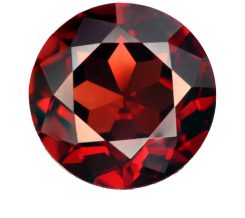
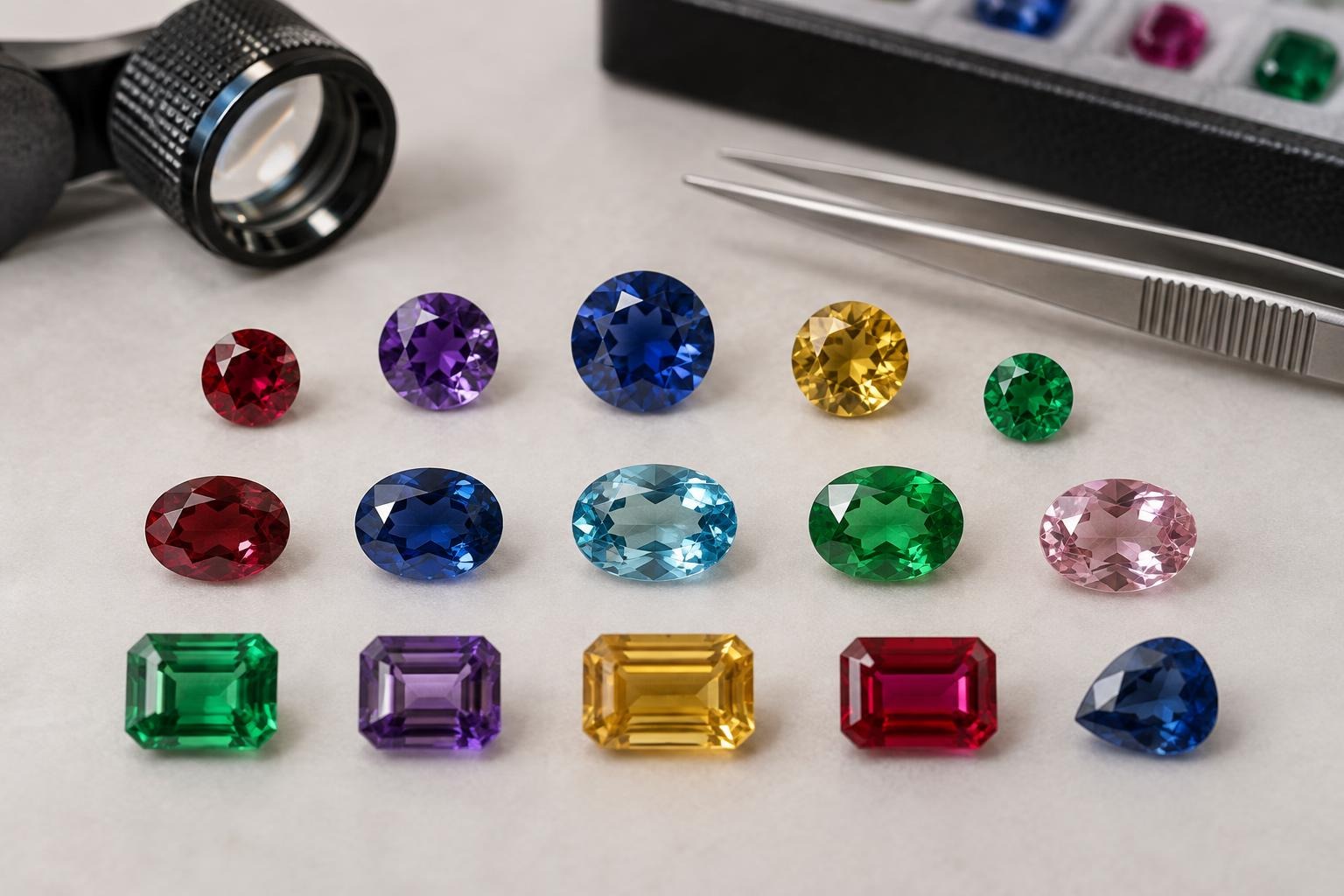
The image is for illustration purposes and is not an actual stock item.
Understanding the Calibrated Gemstone Meaning
The term 'calibrated' refers to gemstones cut to a standard or nominal size that matches predefined dimensions and shapes commonly used in jewellery manufacturing. For example, a round calibrated gemstone might be described as 6mm in diameter, intended to fit a 6mm jewellery setting. The main goal is to organise and standardise gemstone sizes so they can be paired smoothly with mass-produced mountings, facilitating ease of use in jewellery creation.
It is important to note that the calibrated gemstone meaning strictly concerns size and shape, not a guarantee of flawless fit. Calibrated stones are shaped uniformly to meet broad criteria, but minor variations within tolerance limits are normal. This nuance ensures a balance between efficient production and practical usability.
Nominal Size and Its Role in Calibration
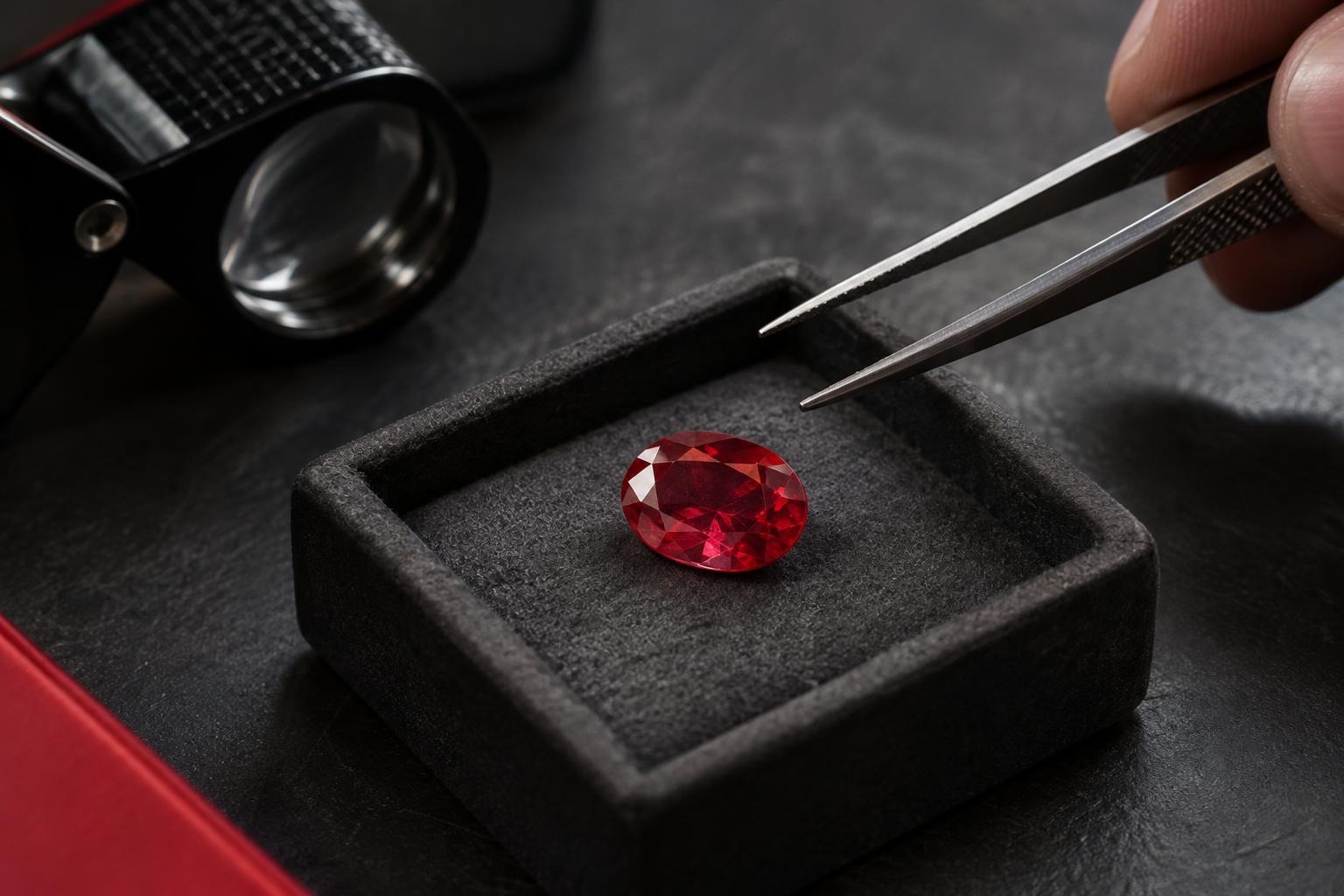
Nominal size indicates the approximate measurements assigned to a gemstone based on its cut shape and intended fit. For a calibrated gemstone, the size label (for example, 8x6mm for an oval stone) gives a convenient reference for buyers and jewellers to understand its approximate dimensions.
These nominal sizes are derived from industry standards and catalogues, simplifying communication and comparison. However, actual measured sizes may differ slightly due to cutting processes, gemstone material properties, and finishing. Buyers should regard nominal size as a guideline rather than an exact measurement, especially for precision settings.
Size Tolerances: Why Minor Deviations Occur
Calibrated gemstones are cut aiming for standard size targets with tolerances, meaning stones are allowed minor variations above or below nominal size. These tolerances accommodate natural variations in rough material and cutting limitations.
Typical tolerances might range from a few hundredths to a few tenths of a millimetre. While this is usually imperceptible when viewed casually, it can affect the stone’s fit into a specific jewellery mounting.
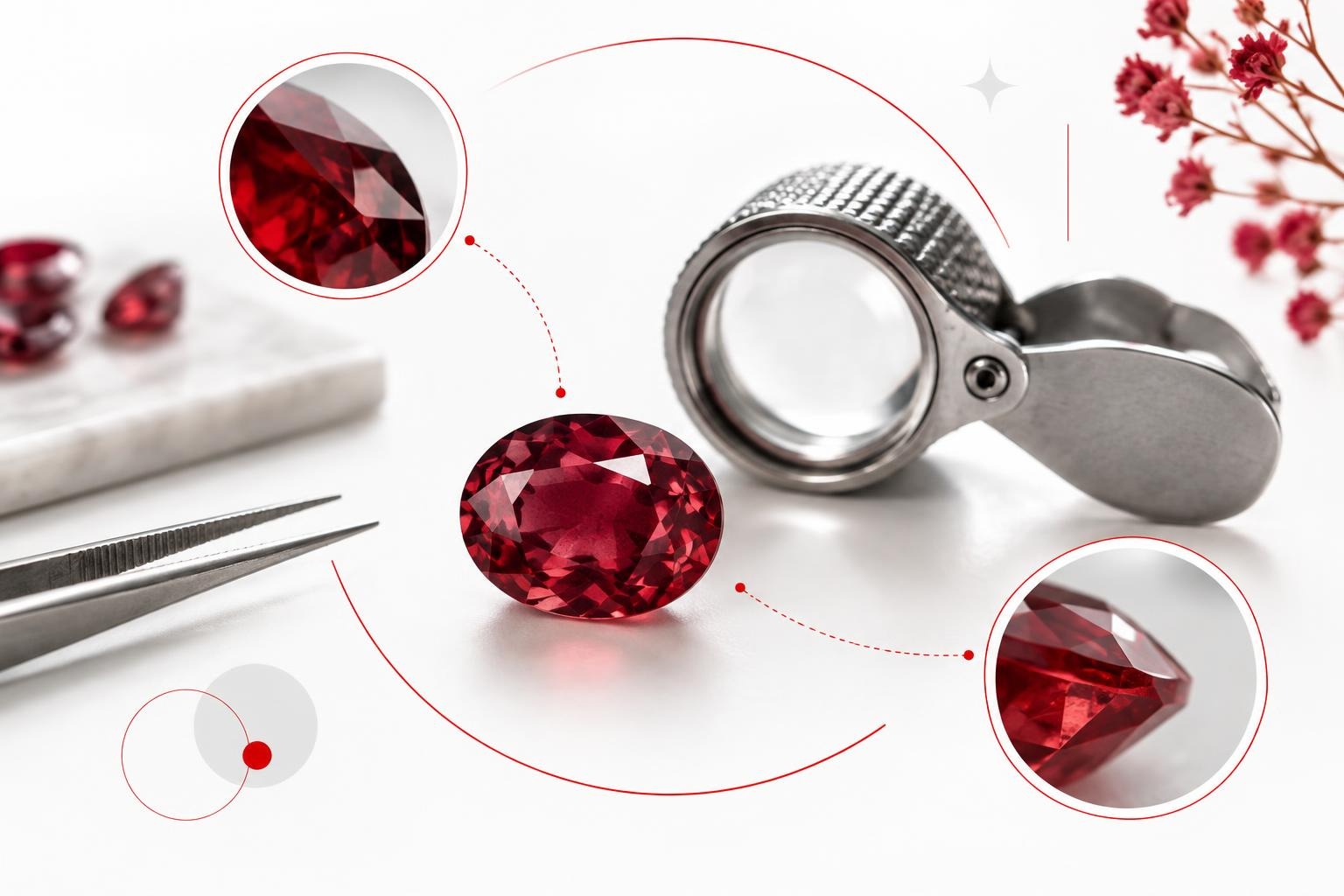
These size variations are not defects but inherent to the manufacturing process. Knowing the tolerance ranges is helpful for buyers expecting calibrated stones, yet it underscores the importance of checking fit professionally before final jewellery manufacture.
Shape Consistency and Its Importance in Calibration
Calibrated gemstones adhere to standardised shapes — such as round, oval, square, rectangle, pear, and cushion — to ensure compatibility with matching jewellery findings. Shape consistency ensures that a calibrated stone's outline closely aligns with the shape expected by manufacturers and designers.
However, slight differences in facet arrangements or minor deviations in proportions can occur. The objective is to maintain practical interchangeability rather than absolute uniformity. Buyers should understand that shape descriptions reflect typical standards and that some degree of variation between stones is normal.
For unusual or specialty cuts, the concept of calibration may not fully apply.
Why Professional Fit Confirmation Remains Essential
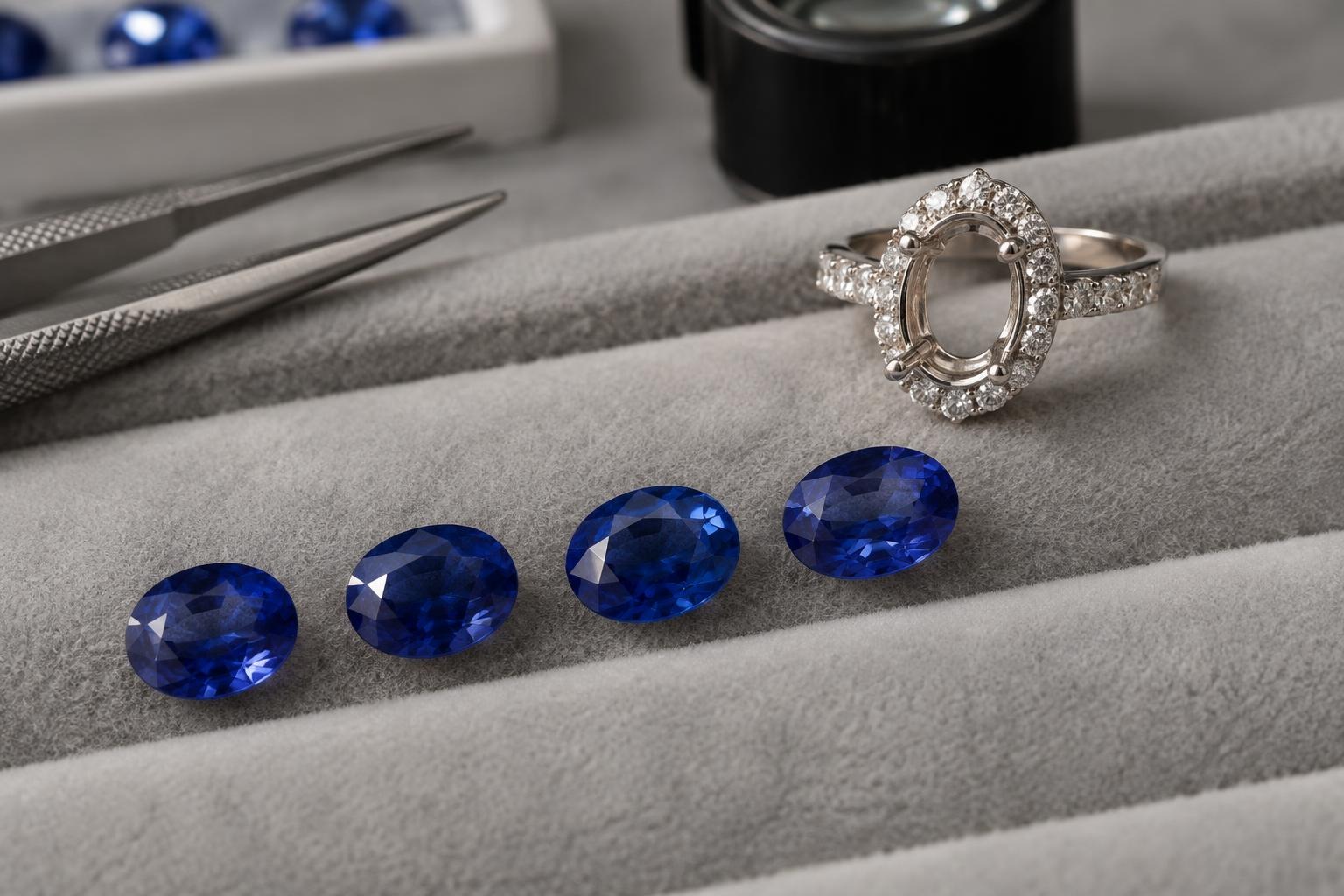
Even when purchasing a calibrated gemstone, it is crucial to confirm the stone’s fit with professional jewellers or lapidaries before committing to the setting process. Online descriptions and nominal sizes cannot account for all tolerances and shape variations.
A professional will measure and assess the gemstone against the actual jewellery mounting, considering parameters such as depth, girdle thickness, and exact outline.
This step helps to avoid costly adjustments, stress on the gemstone, or compromising the jewellery design. It also helps verify that the stone’s dimensions meet the intended design's functional requirements.
Practical Examples of Using Calibrated Gemstones
For jewellery designers or hobbyists assembling a piece with pre-made mountings, calibrated gemstones simplify ordering and inventory management by reducing the need for custom fits.
For example, a designer working with a 5mm round setting can select a calibrated 5mm round gemstone, expecting general compatibility. However, it remains wise to verify with a sample or professional advice before finalising the purchase.
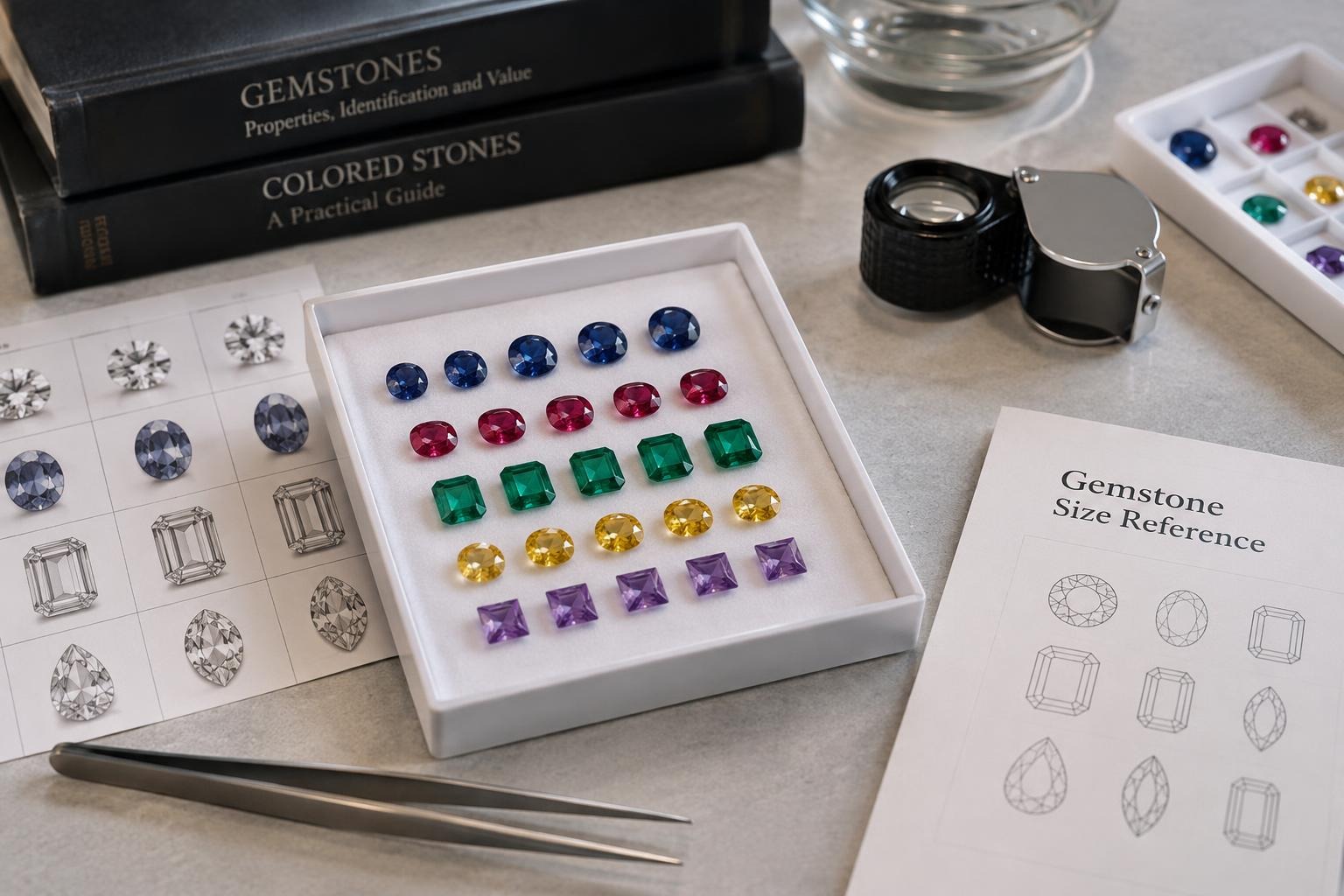
Calibrated stones also facilitate replacement or repairs of jewellery pieces, as standard sizes increase the ease of finding matching gemstones to fit existing settings.
Additional practical considerations underscore that the calibrated gemstone meaning primarily addresses face-up dimensions—length and width—while leaving depth and pavilion angles variable. These latter proportions can influence not only aesthetic appeal but also the physical compatibility with a mounting. For instance, two calibrated stones labelled as 7x5mm ovals might have differing pavilion depths causing one to sit higher or lower in a bezel or claw setting. This dimensional nuance is not captured by nominal size labels and again reinforces why on-hand professional fitting evaluations matter to ensure your stone integrates well with the intended jewellery component. Furthermore, girdle thickness—which refers to the thinness or thickness of the stone’s edge—varies among calibrated gems. A thicker girdle may offer greater durability but require a deeper or differently profiled setting seat. Conversely, very thin girdles risk chipping during setting or wear if the mounting applies excessive pressure, yet this aspect is not indicated by a simple calibrated size. Buyers and jewellers should therefore communicate clearly about these factors beyond face-up measurements. Another aspect involves the inherent variation between suppliers’ calibration standards. While the industry maintains informal size tolerances, the exact permissible deviation and measuring methodology can differ. One cutter's calibrated 6mm round may be marginally smaller or larger than another's, and this difference could affect fit when swapping stones from different sources. When uniformity is vital—such as for matched pairs or multi-stone arrangements—sourcing calibrated stones from the same supplier and requesting specific tolerance data can mitigate inconsistency risks. Although calibration enhances efficiency for mass production and replacement purposes, it is less applicable to intricate or non-standard shapes. Fancy cuts with complex facet patterns or irregular outlines may be labelled with nominal dimensions but often lack precise calibration, resulting in more variability. In such cases, bespoke measurement, custom mounts, or adjustable settings become necessary. Clear communication with your gemstone provider or setter about these expectations can prevent misalignment between stone and setting. In summary, calibration serves as a practical framework facilitating compatibility based on nominal sizing and common shapes, but it is not a comprehensive guarantee of perfect fit or uniformity. Buyers should pair awareness of calibration’s benefits with professional assessment of all critical sizing facets—length, width, depth, girdle thickness and outline detail—to achieve optimal results for their particular jewellery requirements. This comprehensive approach ensures calibrated gemstones truly meet both aesthetic and structural demands when incorporated into fine jewellery pieces.
Limitations of the Calibrated Gemstone Concept
While calibration helps streamline compatibility, it is not a substitute for detailed specification or validation. The concept typically addresses only the most commonly used shapes and sizes, excluding unusual dimensions or custom cuts.
Moreover, calibrated dimensions refer only to external measurements; internal characteristics such as pavilion depth or crown height do not form part of standard calibration. These features can affect light performance, aesthetics and physical fit.
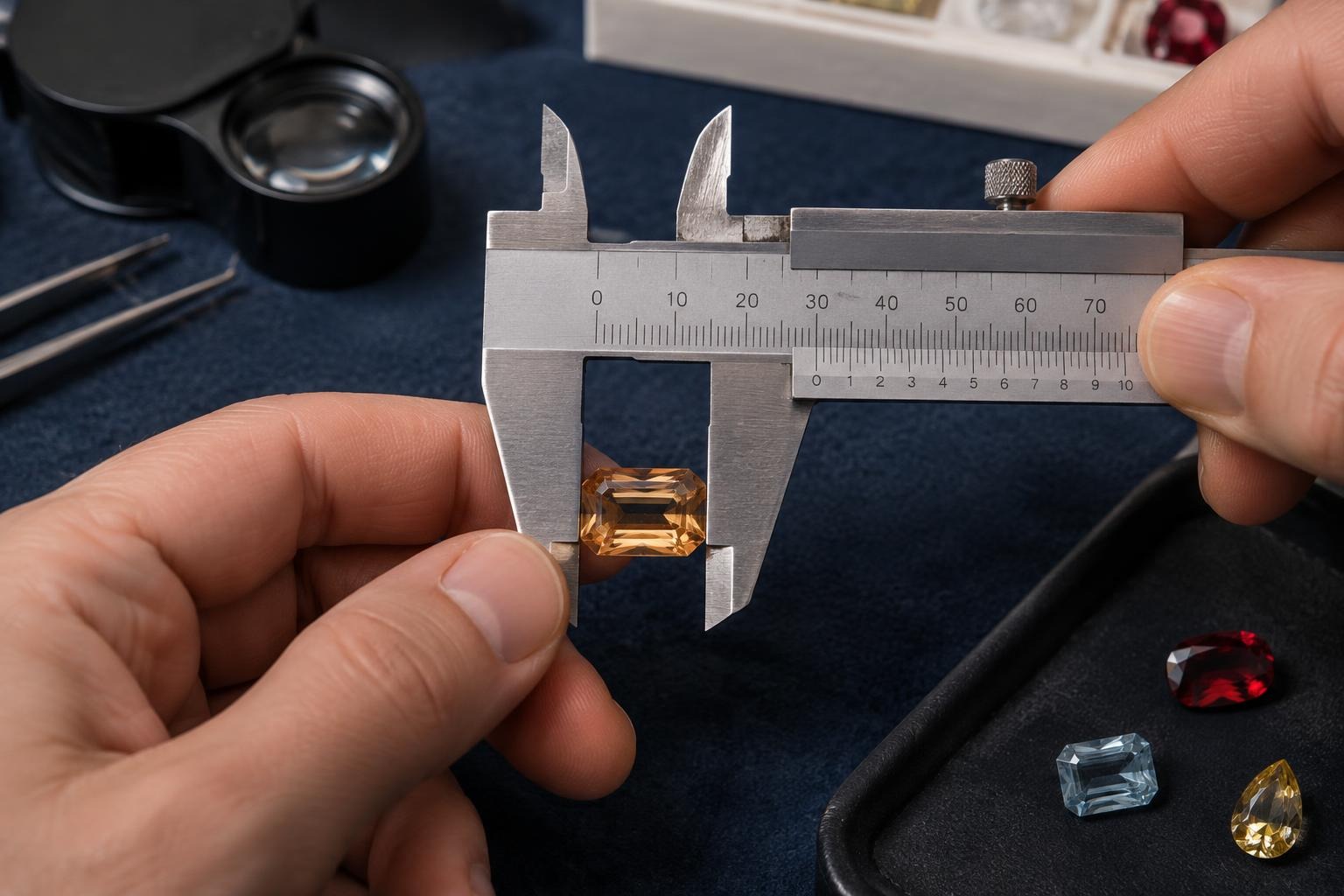
Understanding these limitations helps customers realistically assess what calibration provides and where additional clarification or professional support is needed.
Using Documentation and Lab Reports with Calibrated Gemstones
Documentation for calibrated gemstones most often includes nominal size specifications and descriptions related to cut style and shape. However, calibration does not itself indicate treatment status, origin or grading quality.
Laboratory reports for gemstones focus on identification and may include precise measurements but do not automatically confirm calibration standards. A valuation report addresses market value but is distinct from calibration information.
Buyers should understand the differences and not assume calibration implies certification or a guarantee of qualities beyond size and shape.
An additional practical consideration when dealing with calibrated gemstones is the effect of shape symmetry and minor variations in outline on fitting accuracy. For instance, two oval calibrated stones both labelled 8x6mm may differ subtly in the exact curvature or proportion of their girdle outline. These small differences can influence how snugly the stone seats within a pre-made setting, especially in tension or bezel mountings that rely on shaped metal edges. Buyers should be aware that nominal size alone cannot fully describe fitting nuances introduced by shape detail variations.
Furthermore, gemstone physical properties such as girdle thickness and cross-sectional profile can affect both the stone’s durability and the ease of fitting. A calibrated size dimension typically refers only to length and width in the face-up view and does not standardise girdle thickness. Variations in this aspect may impact prong height or setting pressure required. For example, a stone with a thicker girdle may not sit flush in a ring head designed for a different depth or profile. Professional assessment before setting is therefore essential to ensure both aesthetic and structural compatibility.
Another limitation relates to calibration applicability on fancy or intricate cuts. While rounds and ovals are frequently calibrated due to their prevalence in mass jewellery production, stones with deep facets, complex pavilion structures, or mixed shapes often lack standardised measurement guides. As a result, these stones may be offered with nominal sizes for reference but still require bespoke fitting. In such cases, purchasers should treat a 'calibrated' designation cautiously and prioritise direct communication with jewellers experienced in these shapes.
It is also useful for buyers to understand that the practice of calibration enables more efficient inventory control for both sellers and buyers. Jewellery producers relying on batches of calibrated stones can streamline design runs and replacement sourcing, thereby reducing time delays and custom cutting costs. However, this efficiency hinges on adherence to published tolerance limits, which can vary between suppliers or cutting facilities. Checking with the retailer about their specific calibration protocols is advisable for precision-dependent projects.
Lastly, when comparing calibrated stones from different sources, nominal size labelling may not be perfectly uniform. A 7mm calibrated stone from one supplier might have slightly different tolerances or measuring conventions compared to another's 7mm calibrated offering. This makes it prudent to seek detailed size confirmation and, where possible, dimension verification from invoices or reports rather than relying solely on nominal size descriptions. When multiple calibrated stones are needed for consistency in a project, grouping from the same supplier can reduce variance.
Summary: How to Approach Buying Calibrated Gemstones
The calibrated gemstone meaning helps buyers and jewellers standardise loose gemstone selections based on nominal sizes and shapes with accepted tolerances. It eases the matching process with mass-produced mountings but does not guarantee a perfect fit.
Approach purchases by considering calibration as a helpful guide, not a binding certainty. Always allow for tolerances and variations. Seek professional measurement or consultation especially when precise fitting is required.
For more detailed information on specific gemstone varieties that may also be available calibrated, explore extensive guides like those on sapphire, garnet or quartz at iGemz.
Being informed helps you select calibrated gemstones wisely to complement your jewellery projects or collections.
Your questions, answered
What exactly does calibrated gemstone mean?
It means the gemstone is cut to a nominal size and standardised shape intended to fit common jewellery settings, but minor size variations are normal.
Can I rely solely on calibration for perfect setting fit?
No; calibration helps guide size expectations but professional fit confirmation remains essential to avoid misfit.
Do calibrated gemstones come with certificates?
Calibration relates to size and shape and does not imply a certification of origin, treatment or quality.
Are all gemstone shapes available calibrated?
Common cuts like rounds, ovals and squares are often calibrated. Unusual or fancy cuts may not be standardised.
Why do calibrated gemstones have size tolerances?
Slight size variations occur due to cutting precision limits and natural rough stone properties, so tolerances accommodate practical manufacturing realities.
Find a colour that speaks to you.
Explore our wide collection and find calibrated gemstones that meet your size and shape needs for your next project.