



 1st - Gold


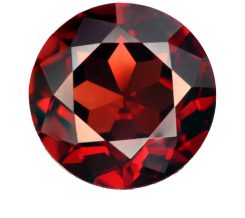 January
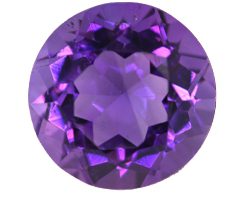 February
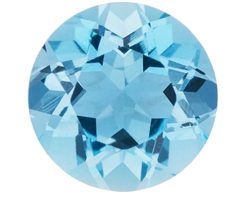 March
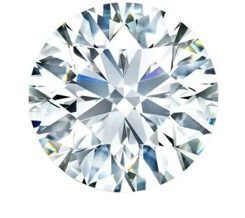 April
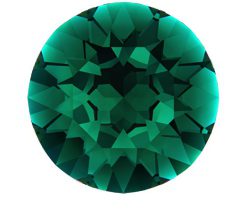 May
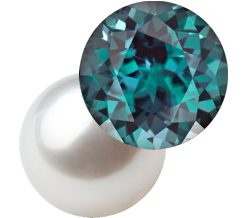 June
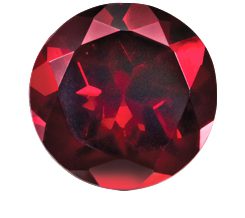 July
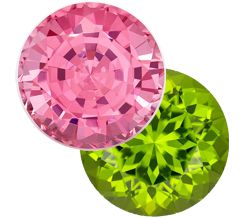 August
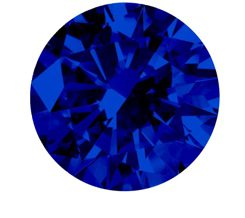 September
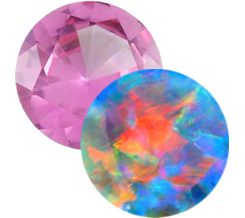 October
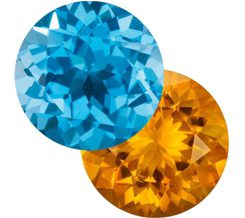 November
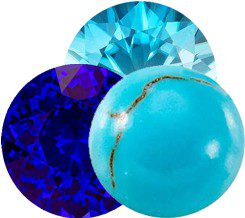 December

 Capricorn - Garnet
 Aquarius - Amethyst
 Pisces - Aquamarine
 Aries - Diamond
 Taurus - Emerald
 Gemini - Pearl
 Cancer - Ruby
 Leo - Peridot
 Virgo - Blue Sapphire
 Libra - Opal
 Scorpio - Topaz
 Sagittarius - Tanzanite



Refractive Index Notation: Single Readings, Ranges and Limits
Gemstone Reference · 9 min read
The refractive index notation is a fundamental gemmological specification used to describe how light propagates through a gemstone. This important metric, often expressed as a single value, a range, or upper and lower limits, provides insight into gemstone identification and quality assessment. Understanding refractive index notation enables jewel enthusiasts and professionals alike to interpret lab reports and gemstone data correctly. This guide clarifies the meanings of different refractive index notations, their measurement conditions, and inherent limitations without inferring properties not directly tested.
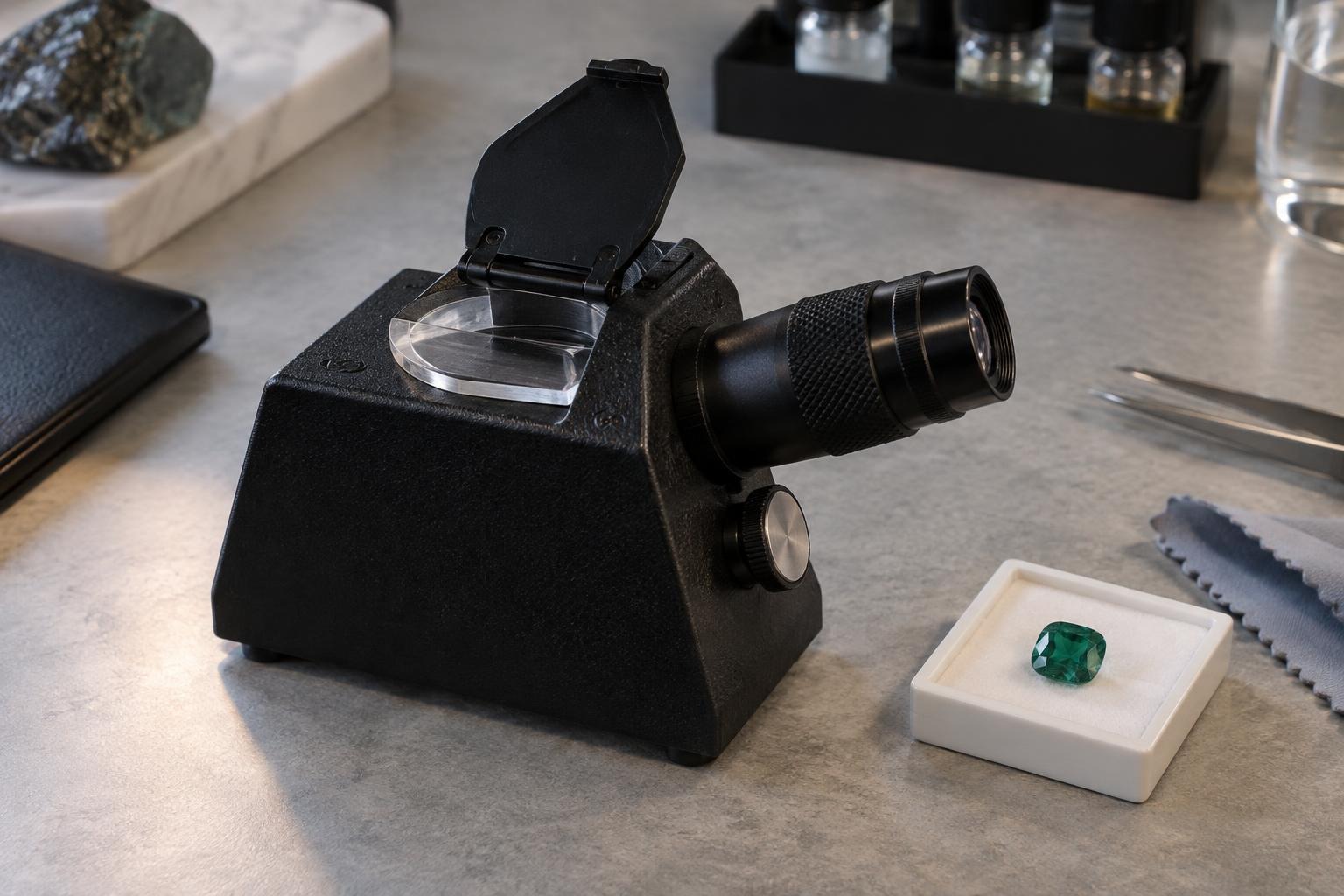
The image is for illustration purposes and is not an actual stock item.
Specification reference
| Property | What it means | Value / scope |
|---|---|---|
| Single RI reading | A measured refractive index value from one orientation, typical for isotropic gemstones. | For example, 1.77 measured under sodium D-line light at room temperature; varies by species. |
| Refractive index range | Minimum and maximum RI values observed due to crystal anisotropy or compositional variation. | Example: 1.65–1.69 for a biaxial gemstone; verify for specific sample. |
| Upper and lower RI limits | Known boundaries within which the true RI is expected, often due to measurement constraints. | E.g., RI ≥ 1.54 or RI ≤ 1.69; measurement-dependent and not exact values. |
| Multiple RI values | Reported distinct refractive indices along different crystal axes in anisotropic gems. | Example: nω = 1.654 and nε = 1.695 for uniaxial stones; check specific report conditions. |
| Reference data | Published average or typical RI values compiled from multiple samples, not individual stones. | Not supplied; confirm for the specific gemstone and report context. |
| Measurement conditions | Standardised laboratory parameters (light source, temperature) affecting RI results. | Usually sodium D-line (589 nm) at 20°C; deviations require note. |
| Measurement uncertainty | Instrument and technique related variation leading to limits or notation ranges. | Not supplied; confirm precision from test method and instrument specifications. |
On smaller screens, scroll the table sideways to read every column.
What Is Refractive Index and Why Is Notation Important?
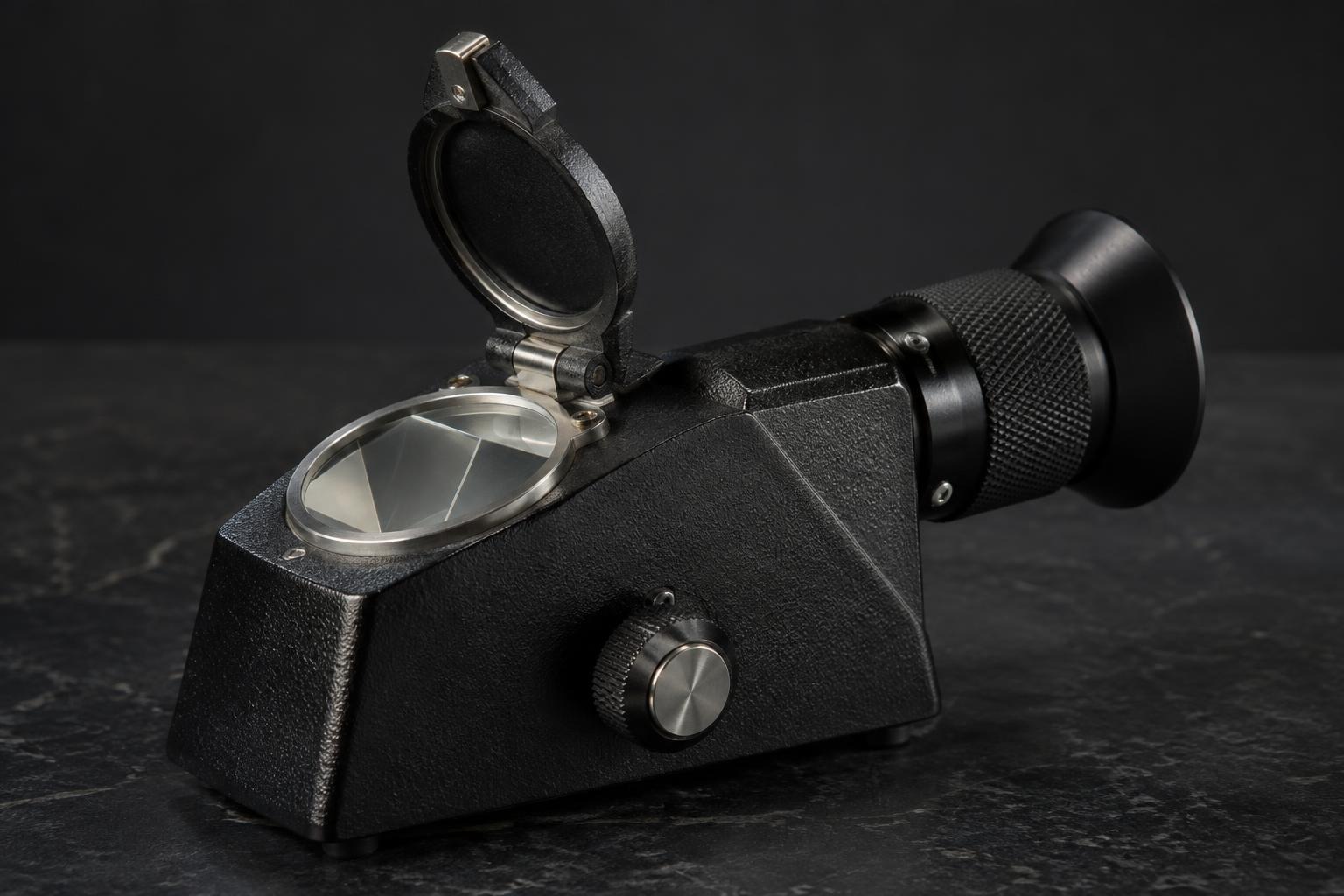
Refractive index (RI) is a dimensionless number that defines how much light bends or refracts when entering a material from air. It is a key optical property in gemmology used to identify and characterise gemstones, as different minerals and varieties have characteristic RI values. Accurate notation of RI conveys essential details about measurement results and intrinsic variations within the stone or mineral species.
Precise RI notation helps gemmologists, collectors and buyers understand the optical behaviour of loose faceted gemstones and cabochons. It informs on gemstone species differentiation, treatment detection, and quality control. For anisotropic gems, notation can reflect refractive indices along different crystallographic axes, often requiring a range or set of values rather than a single number.
Single Refractive Index Readings: Definition and Usage
A single RI reading represents one measured refractive index value, often used for isotropic gems, such as garnets and spinels, which have a uniform RI regardless of orientation. This single value is usually reported as a decimal, e.g., 1.77, measuring the ratio of light velocity in air to light velocity in the gemstone.
In practice, a single RI value might be the direct measurement from a refractometer under standard laboratory conditions, frequently using sodium light (the “sodium D-line” at 589 nm wavelength). It expresses a precise measurement, but may not capture subtle differences in anisotropic stones or the influence of measurement uncertainty.
Users should note that single RI readings are typical for gemstones with cubic or amorphous crystal systems, and this notation simplifies gem identification procedures.
Refractive Index Ranges: Reasons and Implications

Certain gemstones exhibit birefringence, causing different refractive index values along different crystallographic directions. In such cases, RI notation includes a range to encompass minimum and maximum values measured, e.g., 1.65–1.69. This range reflects the physical anisotropy of the material rather than measurement error.
Ranges also appear when a gemstone sample varies in composition or clarity, influencing the RI slightly. Measurement technique and sample preparation can also contribute to the spread. Importantly, reported ranges typically reflect reference data averaged from multiple samples and should not be mistaken for precise limits for any individual gemstone.
For gemstone buyers and traders, recognising ranges means understanding that actual RI readings of an individual stone may fall anywhere within or close to the specified interval. This impacts gem identification and lab reporting.
Upper and Lower Limits in Refractive Index Notation
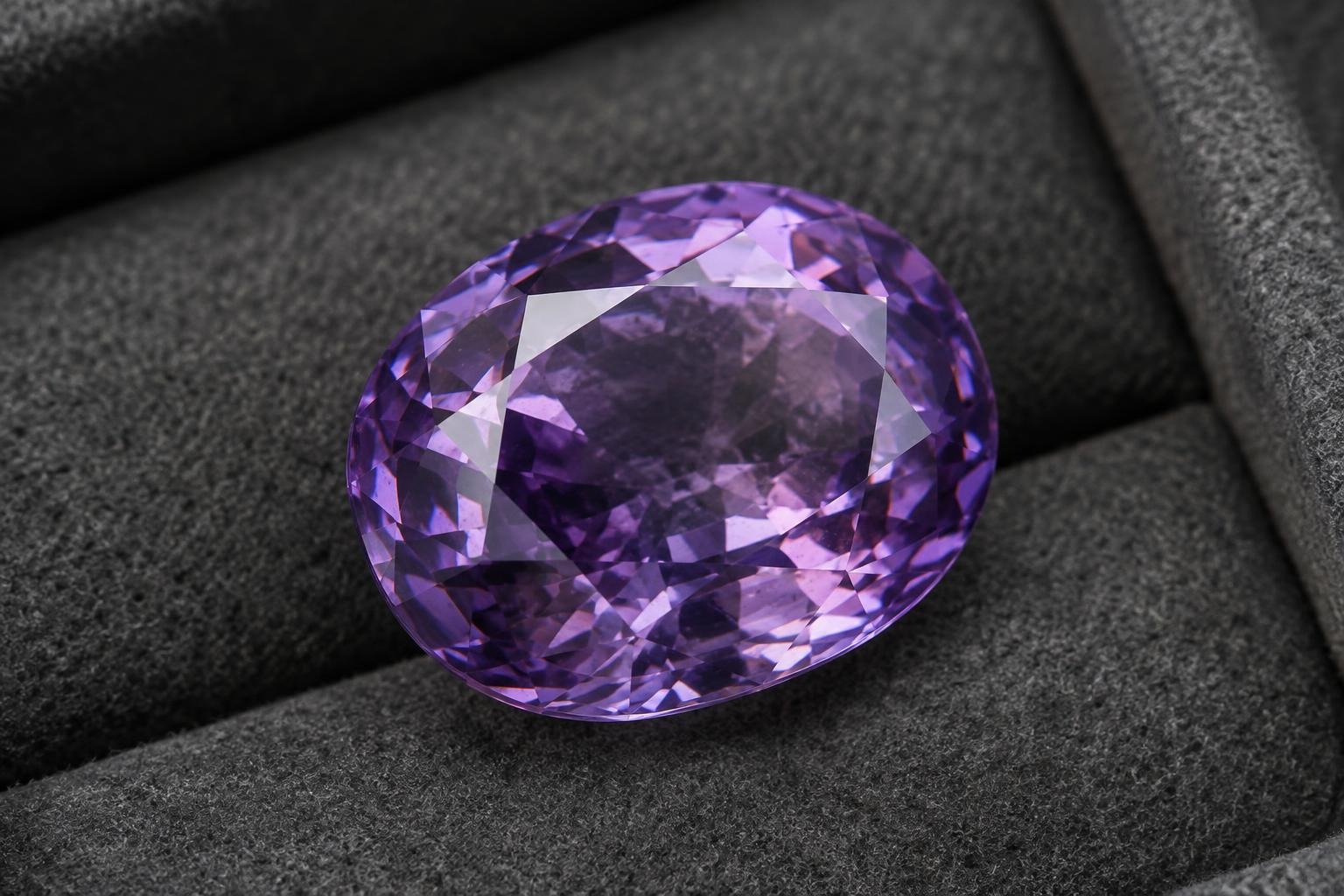
Sometimes RI is expressed with upper and lower limits, indicating known boundaries within which the true RI lies, such as RI ≥ 1.54 or RI ≤ 1.69. Limits typically arise from measurement difficulties, instrument resolution, or specific gemstone properties that challenge accurate refractive index determination, like very low birefringence or semi-transparency.
Measurement limits also assist in narrowing down gemstone identity when standard readings are inconclusive. They may also reflect known compositional variations within a species that cause optical changes. These limits are useful tools yet need clear awareness that they do not give exact values for single stones but rather a confidence interval derived from reference studies.
Understanding limit notation helps gemmology professionals avoid overprecision in interpreting RI data from vendor descriptions or reports.
Measurement Conditions and Their Influence on Notation
Refractive index is measured under specific laboratory conditions, commonly at room temperature with sodium light, producing what is called the “sodium D-line RI.” Other light sources or temperature variations can shift RI values slightly. Hence, RI notation in gemmological references often specifies the measurement parameters or assumes standard conditions implicitly.
Measurement accuracy depends on the refractometer instrument quality, sample preparation (such as polished surfaces), and gemstone transparency. For rough or poorly polished stones, RI may be approximate or represented as limits or ranges.
Users should not infer exact RI values from photographs or visual inspection, as RI is an optical physics property measured via light refraction, not colour or surface appearance.
Distinguishing Reference Data from Individual Stone Measurements
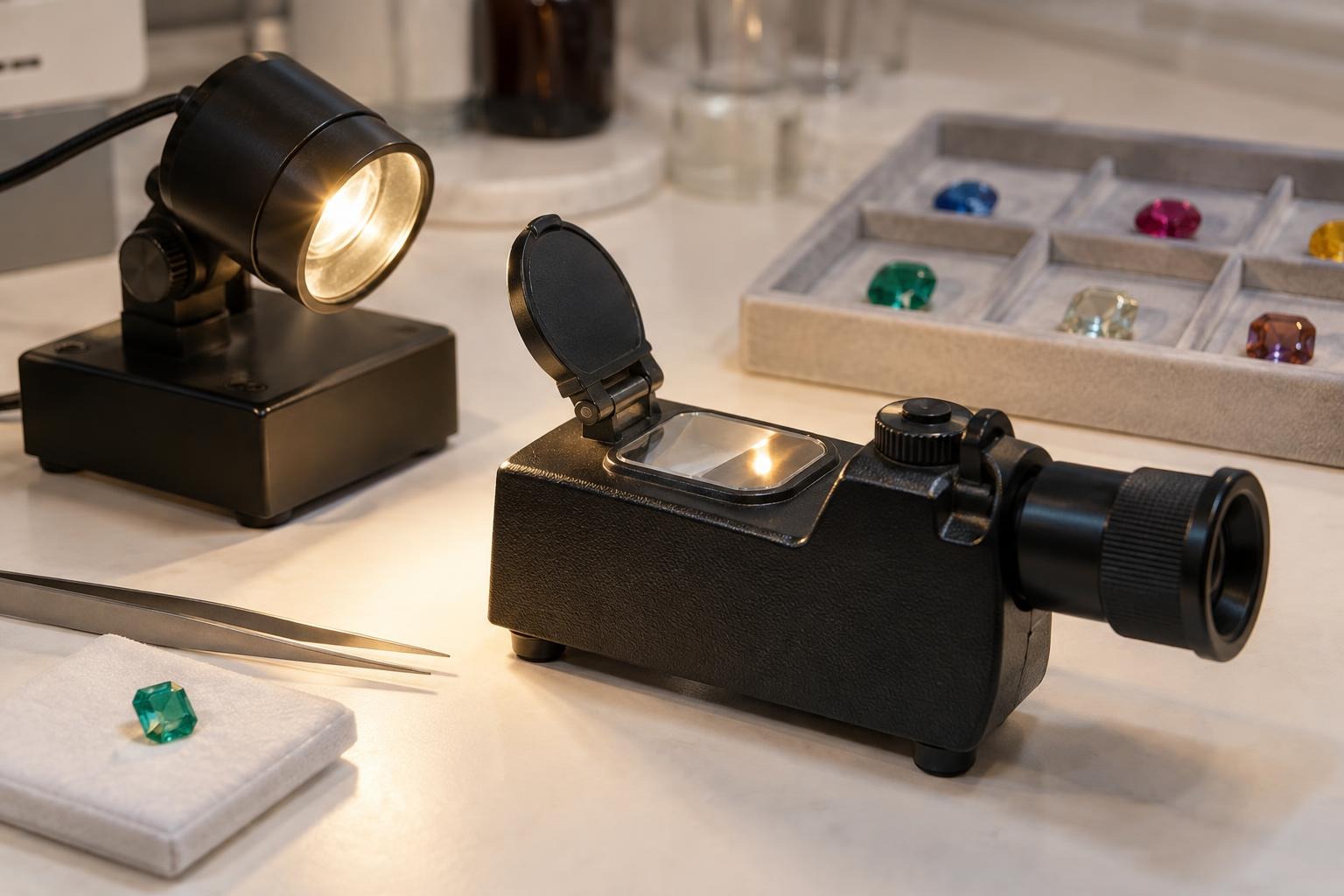
Published refractive index reference data usually represent average ranges or characteristic values compiled from many samples of the same species or variety. These should not be conflated with exact measurements of individual gemstones, which may deviate due to crystal quality, inclusions, or slight compositional changes.
Lab reports often record the actual measured RI values for a specific stone under defined conditions using a refractometer. Such readings may be presented as single values or ranges reflecting anisotropy. However, sellers and buyers should confirm specifics per gemstone and avoid generalising reference intervals to all items of that species.
Understanding this distinction ensures clearer communication and reduces misinterpretation of refractive index notation across the gem trade.
Common Notation Formats in Gemmological Reports
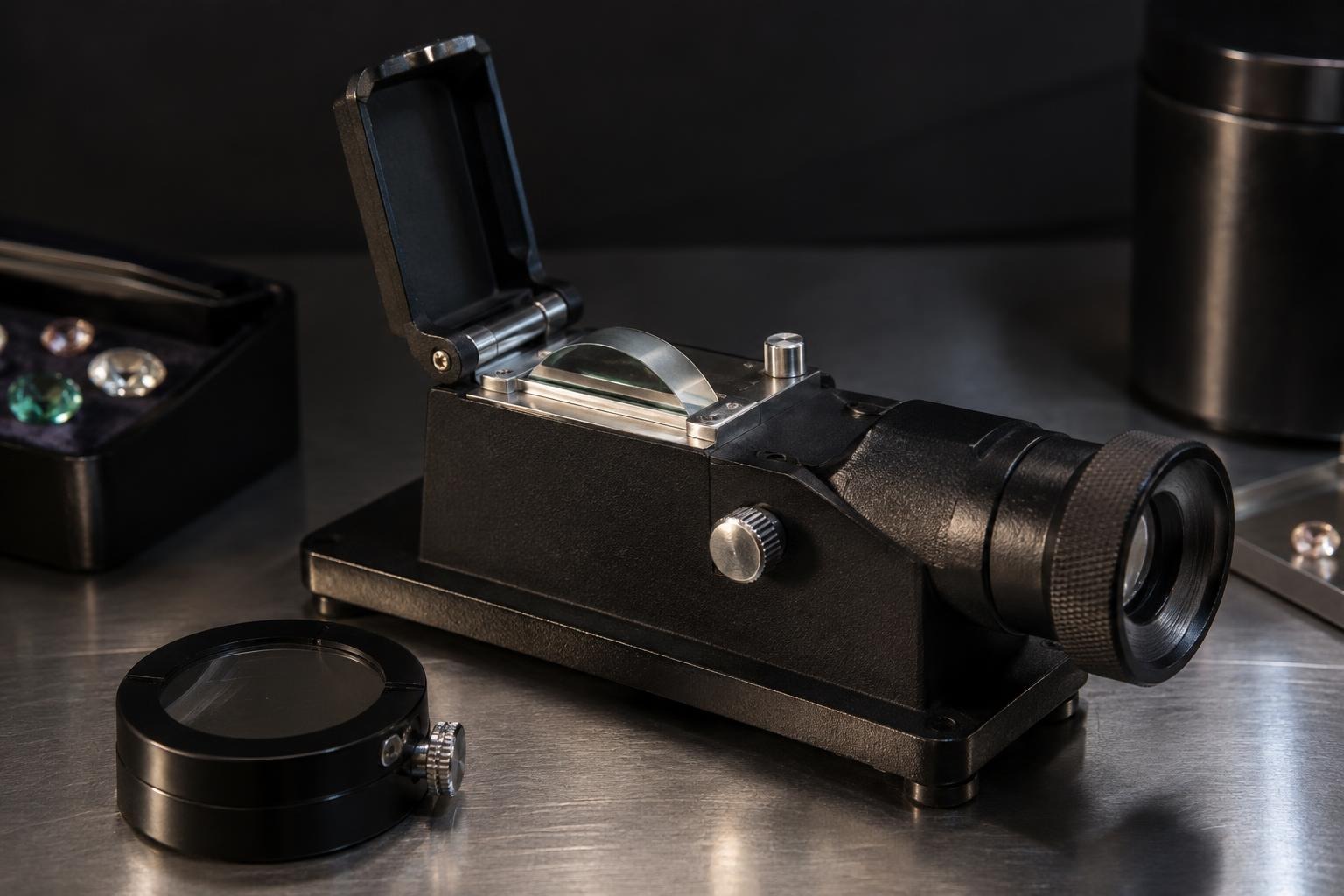
Refractive index notation in official gemmological reports and reference books typically follows standardised formats, including:
• Single Value: e.g. RI = 1.77, used for isotropic stones.
• Range: e.g. RI = 1.65–1.69, showing minimum and maximum indexes in anisotropic stones.
• Limits: e.g. RI ≥ 1.73 or ≤ 1.81, defining measurement boundaries.
• Multiple Values: e.g. nω = 1.654, nε = 1.695 for uniaxial stones, indicating ordinary and extraordinary refractive indices.
Correct notation helps differentiate isotropic from anisotropic species and clarifies optical behaviour.
It is important to recognise that refractive index notation does not capture all the nuances of light interaction within complex or included gemstones. For instance, in gemstones with significant internal fractures or inclusions, the measured RI might fluctuate subtly depending on the specific measurement area. This can sometimes cause reported ranges or limits to be broader than for cleaner stones, reflecting local optical variations rather than crystal structure alone. Practically, this means gemstone professionals should interpret refractive index data in conjunction with visual and microscopic examination to avoid overreliance on RI values alone.
Another practical limitation arises from the shape and cut of the gemstone. Curved or poorly polished surfaces can introduce measurement errors or ambiguous refractive index notation, as the refractometer assumes ideal flat contact and light paths. Consequently, some reports may display broader ranges or limit values to acknowledge these constraints. Buyers and traders should be cautious not to assume narrower ranges or precise single readings when the stone’s preparation impairs ideal measurement.
When comparing refractive index notation across different gemmological references or reports, differences in measurement methodology and reporting conventions must be considered. Some laboratories may prefer to report multiple individual indices with full notation for biaxial or uniaxial gems, while others summarise with ranges or cut-off limits. Such variations in notation style do not necessarily indicate discrepancies in result accuracy but rather reflect institutional preferences or operational limitations. Understanding the context and source of the RI data is thus essential for meaningful use.
Finally, refractive index values are wavelength-dependent, a phenomenon known as dispersion. Although refractive index notation generally specifies a wavelength (most commonly the sodium D-line at 589 nm), measurement at different light wavelengths would yield slightly varied RI values. This is particularly relevant for gemstones exhibiting strong dispersion, potentially influencing notation if measured with non-standard light sources. Users should verify measurement conditions explicitly when precision is necessary and avoid extrapolating sodium D-line notation to other lighting conditions without appropriate correction.
In summary, refractive index notation serves as a vital but inherently approximate representation of a gemstone’s optical characteristics. Its correct interpretation requires awareness of measurement area, gemstone condition, cutting quality, laboratory convention, and light wavelength dependence. This nuanced understanding helps ensure that refractive index data is used correctly within the broader context of gemmological evaluation and gemstone trading.
Limitations and Cautions When Using Refractive Index Notation
While refractive index is a powerful diagnostic, relying solely on RI notation has limitations. Variations due to inclusions, artificial treatments or unusual chemistry can affect RI slightly. Also, measurement methods vary and may introduce uncertainty.
Refractive index does not identify treatment unless combined with other gemmological data. It also does not reliably indicate a gemstone’s origin. Measurement conditions should always be clarified to avoid misunderstanding.
Hence, refractive index notation is best used alongside other gem properties such as specific gravity, birefringence, spectroscopic characteristics and expert analysis for precise gemstone identification.
In practical gemmological work, the interpretation of refractive index notation requires careful attention to the specific measurement context. For example, small, heavily included or coloured stones may yield refractive index readings that are less consistent or clear, resulting in wider reported ranges or more frequent use of limits. This reflects physical measurement challenges rather than intrinsic optical property changes. Professionals should treat such data as indicative rather than definitive, particularly when dealing with rare or unusual specimens.
Another key consideration is the difference between uniaxial and biaxial anisotropic gemstones. Uniaxial stones, such as sapphires and rubies (corundum variety), exhibit two principal refractive indices. Their notation typically identifies these indices separately (e.g., nω and nε), highlighting directional optical characteristics. Biaxial stones, including many feldspars and tourmalines, require notation of up to three principal refractive indices, which complicate RI reporting. In these cases, ranges often represent the span between minimum and maximum values along different crystallographic axes rather than measurement uncertainty.
It is important to remember that refractive index is wavelength-dependent due to dispersion, meaning that the RI value differs slightly with the colour of the light used. While most gemmological references assume the sodium D-line (589 nm) standard with room temperature conditions, measurement under alternative lighting conditions can produce variations. This wavelength dependence underscores why reported RI values and notation should always specify or assume measurement parameters to maintain consistency.
Finally, the presence of inclusions, fractures or treatments can sometimes cause localized optical anomalies affecting refractive index readings. While the mineral’s fundamental refractive index remains unchanged, localized variations may alter measured values or broaden ranges. Consequently, refractive index notation alone cannot differentiate such factors without complementary gemmological analysis including microscopy and spectroscopy. These practical limitations emphasise the value of comprehensive testing when evaluating gemstones beyond single RI values or notation formats.
Summary Table: Refractive Index Notation, Meaning and Limitations
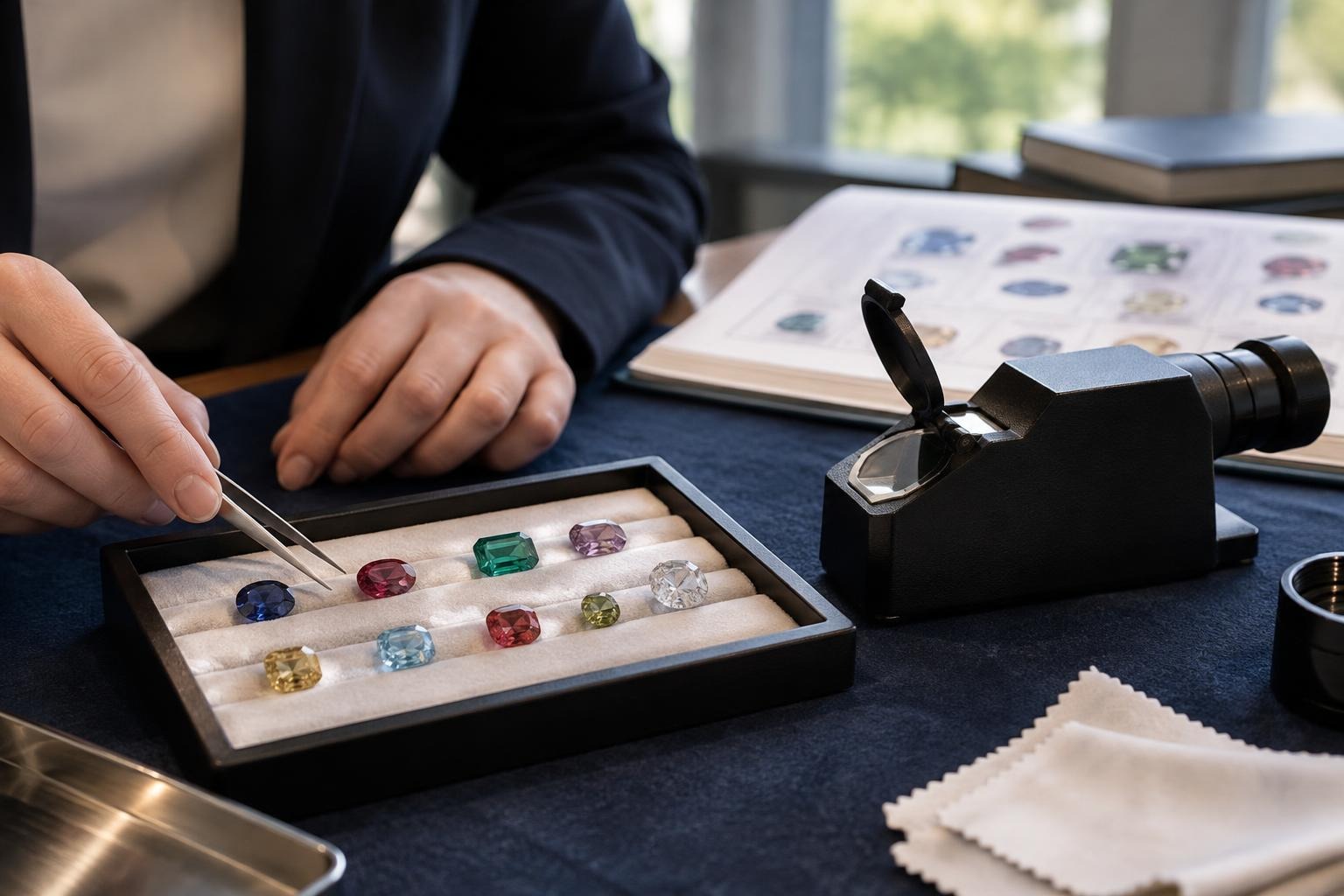
Below is a reference table summarising common refractive index notation formats, their meanings and measurement scope limitations. This table highlights that not all notation represents precise measurements for individual stones but often characterises typical or averaged gem properties.
Your specification questions, answered
What does a single refractive index reading tell me about a gemstone?
A single RI reading indicates light refraction in one direction and is typical for isotropic gemstones without birefringence. It provides a precise value under standard measurement but may not capture variations in anisotropic stones.
Why do some gemstones have a refractive index range instead of a single number?
Gemmological anisotropy causes light to refract differently along crystal axes, so RI is reported as a range showing minimum and maximum values. It reflects physical properties rather than measurement error.
How should I interpret refractive index limits in a report?
Limits define approximate RI boundaries when precise measurement is difficult. They indicate that the gemstone’s RI lies somewhere above or below a stated value but are not exact.
Can I identify a gemstone just from the refractive index notation?
Refractive index is a useful identification tool but should be combined with other properties like specific gravity, birefringence and inclusions for confident identification. RI alone rarely suffices.
Does refractive index change with gemstone treatments or origins?
Refractive index is generally stable, but some treatments may alter it subtly. It does not reliably indicate origin. Documentation is required to verify treatments or provenance, not inferred from RI.
Choose the stone. Check the details.
Explore our extensive range of loose gemstones with detailed specifications including refractive index notation. Begin your gemmological journey today.