


 1st - Gold
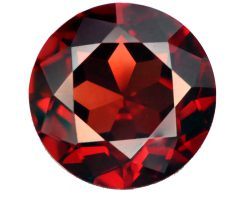 January
 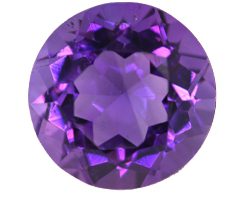 February
 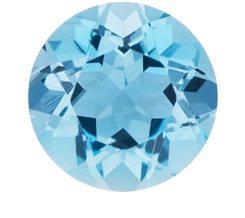 March
March 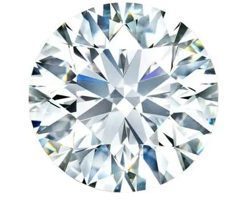 April
April 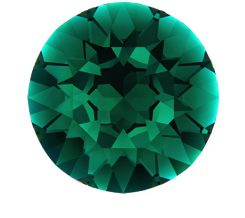 May
May 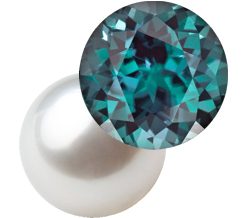 June
June  July
July  August
  September
  October
 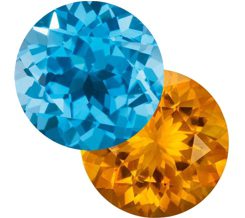 November
 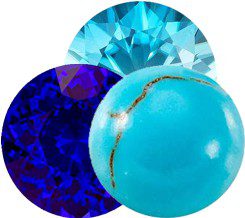 December
 Capricorn - Garnet
  Aquarius - Amethyst
  Pisces - Aquamarine
  Aries - Diamond
  Taurus - Emerald
  Gemini - Pearl
  Cancer - Ruby
  Leo - Peridot
  Virgo - Blue Sapphire
  Libra - Opal
  Scorpio - Topaz
  Sagittarius - Tanzanite


Vesuvianite Gemstones – Properties, Origins, Treatments and Buying Guide
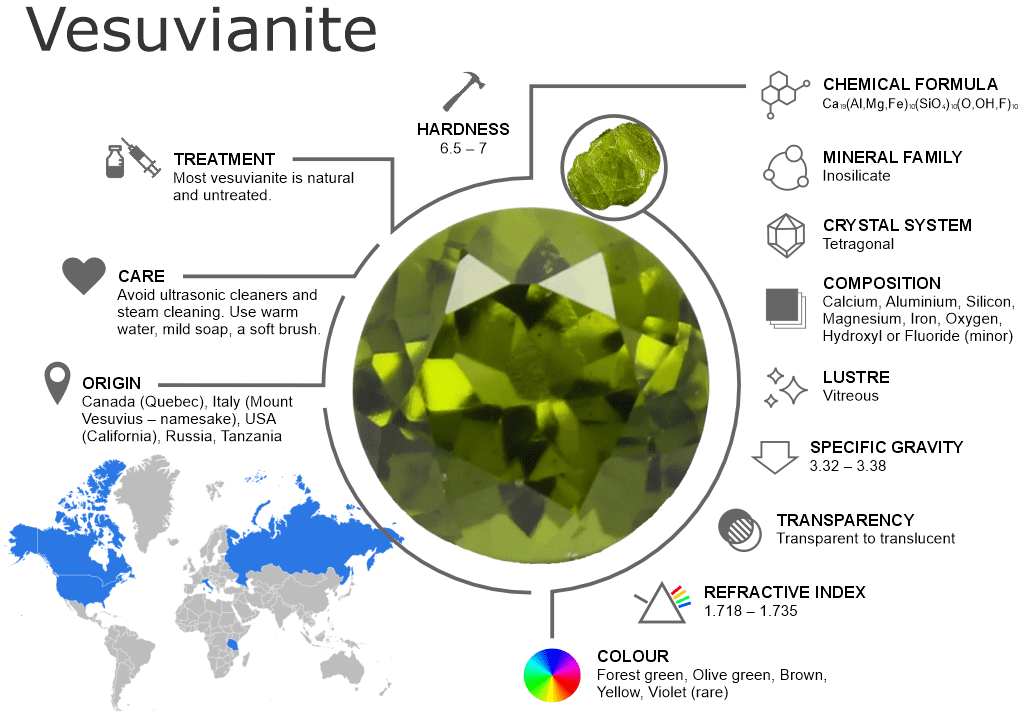
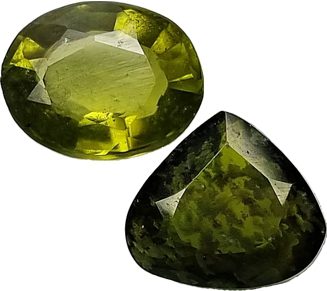
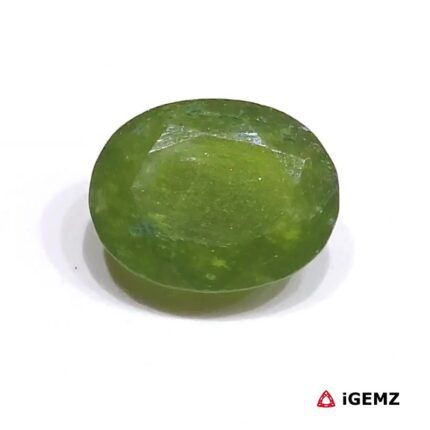
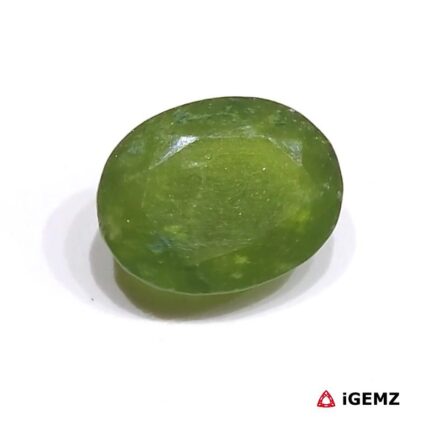
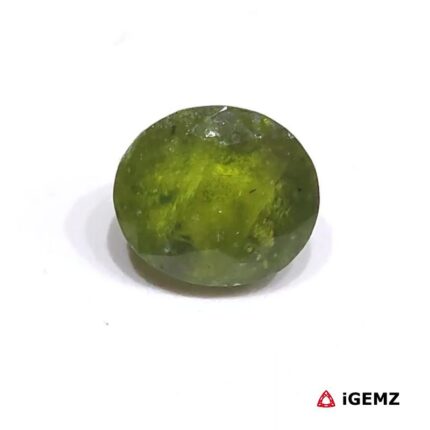
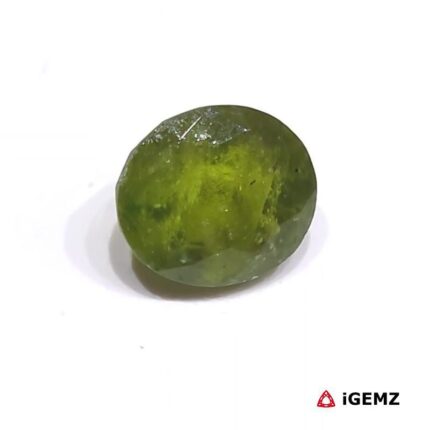
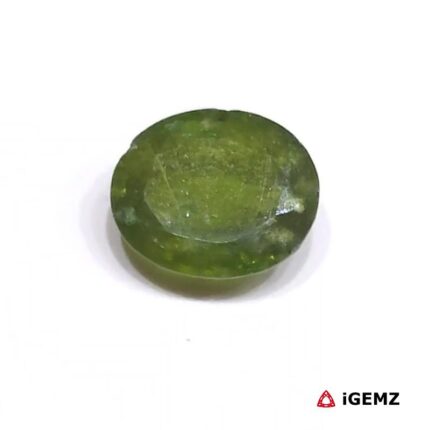
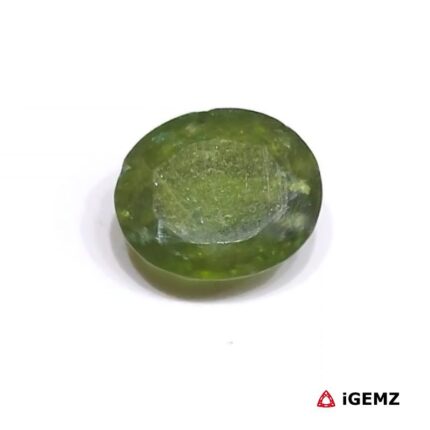
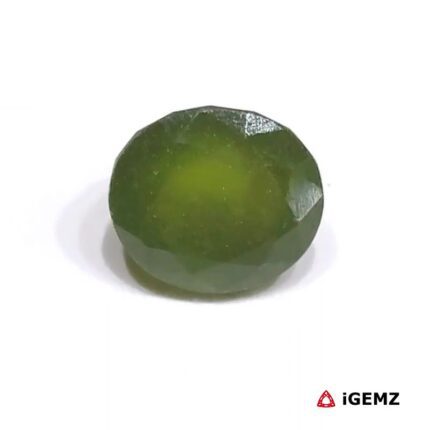
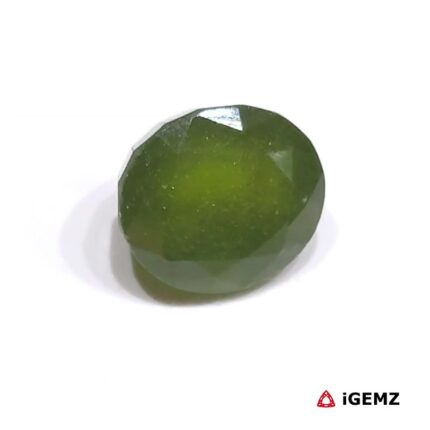
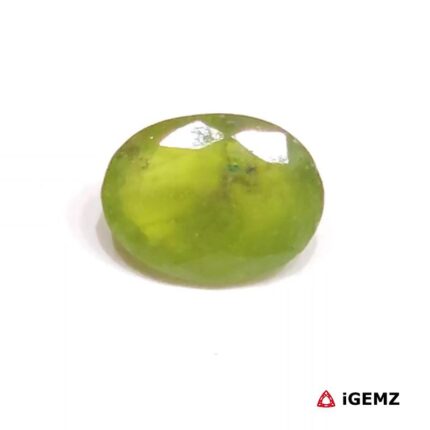
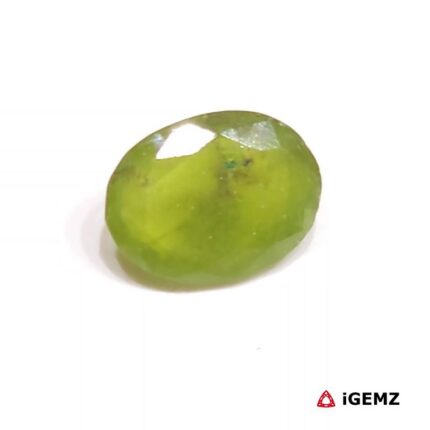
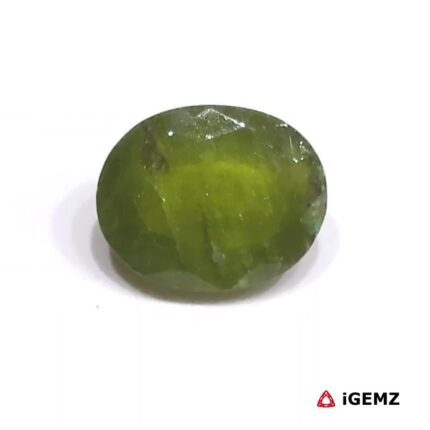
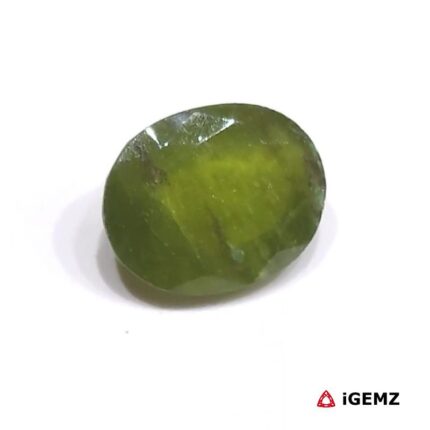
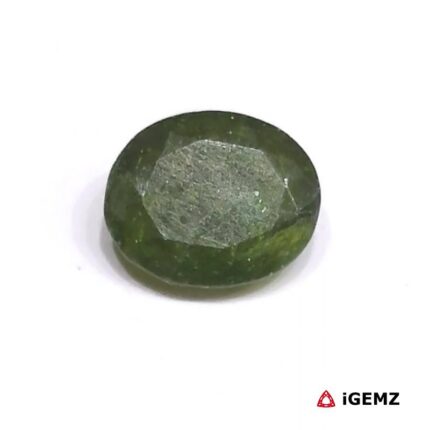
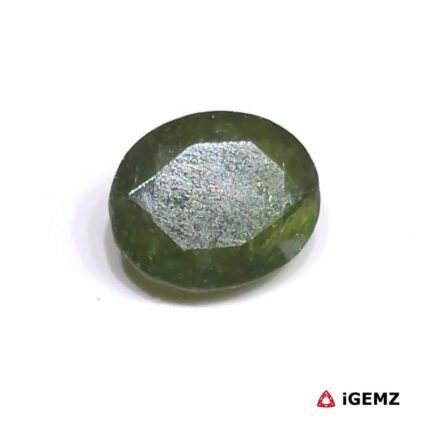
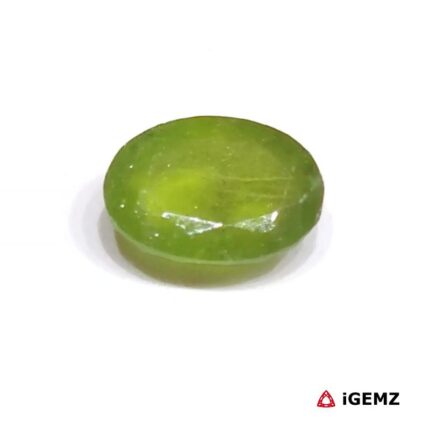
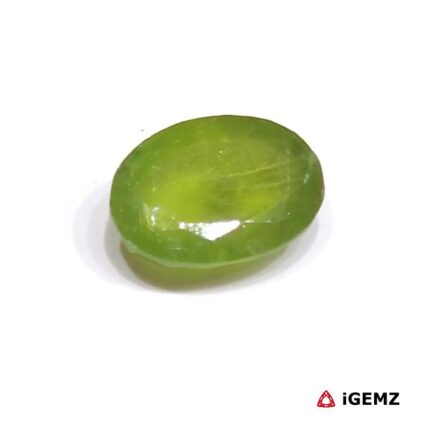
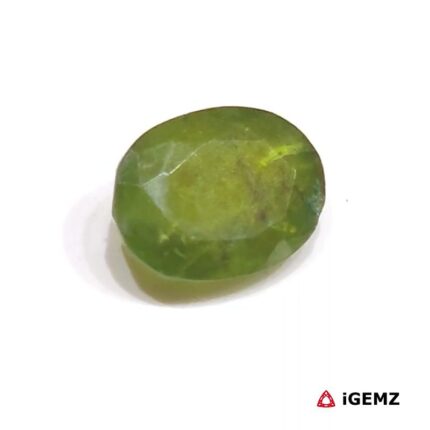
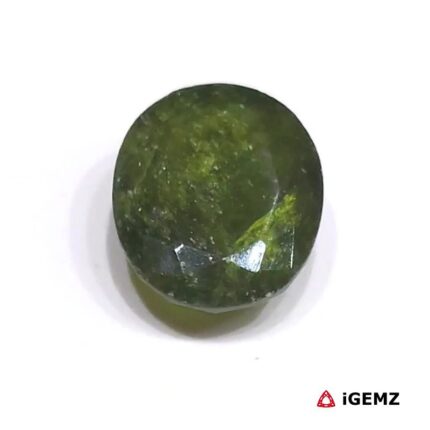
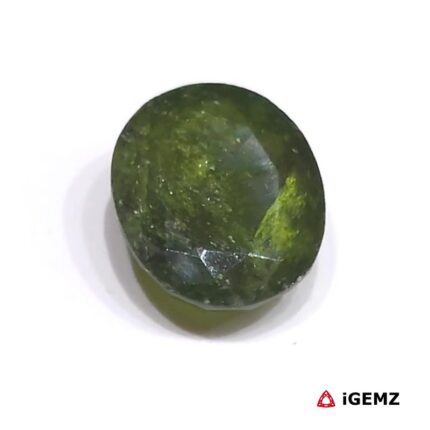
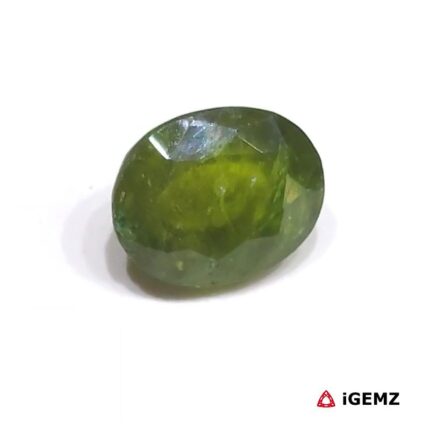
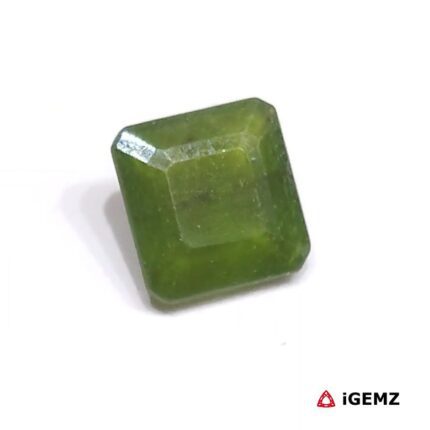
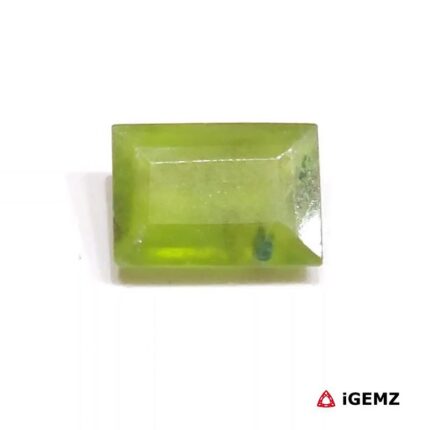
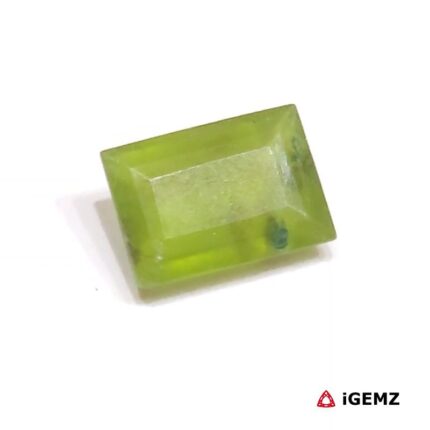
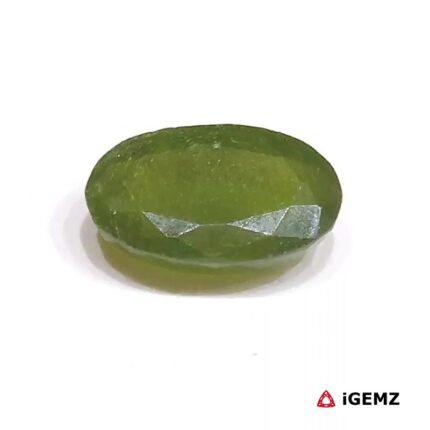
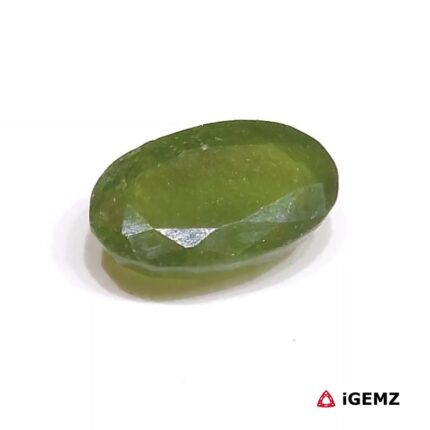
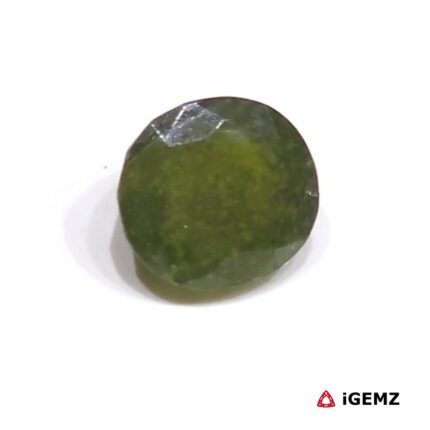
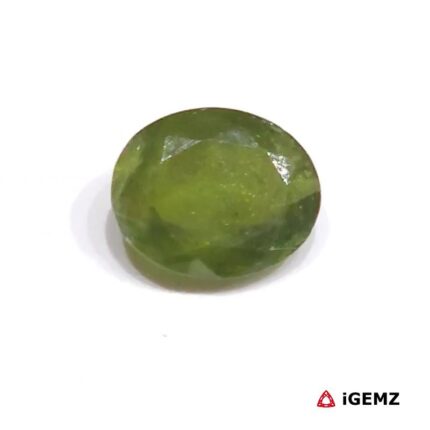
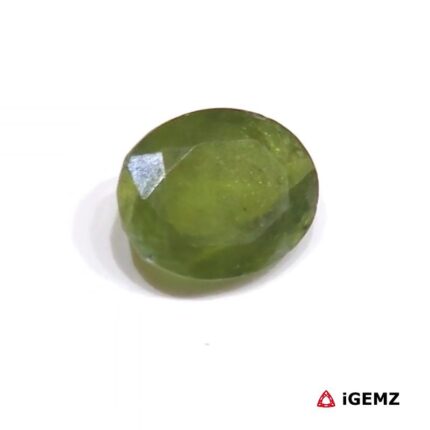
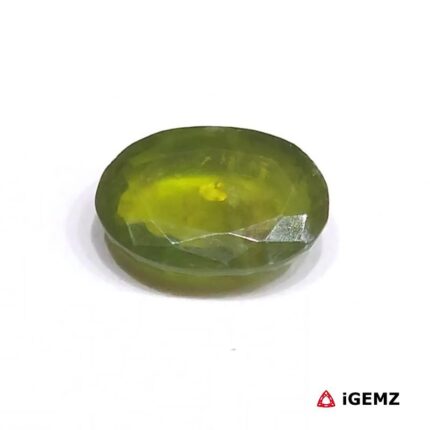
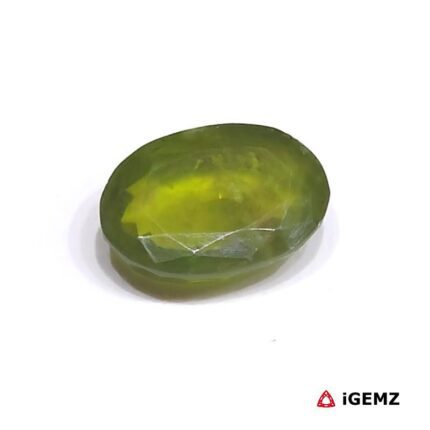
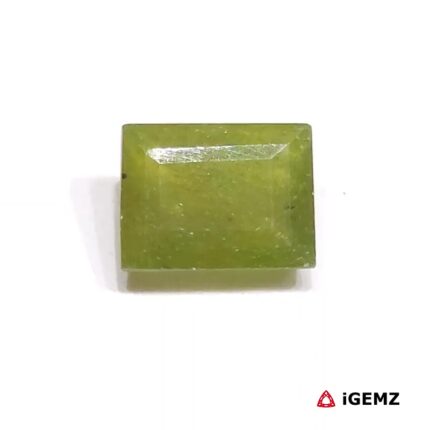
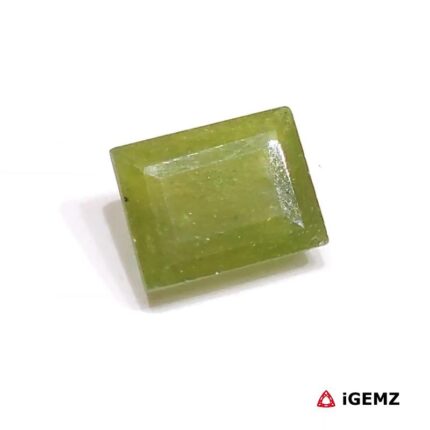
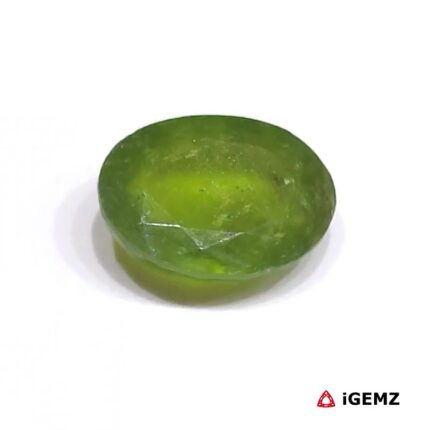
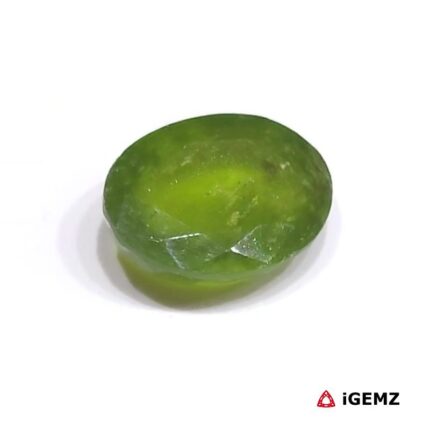
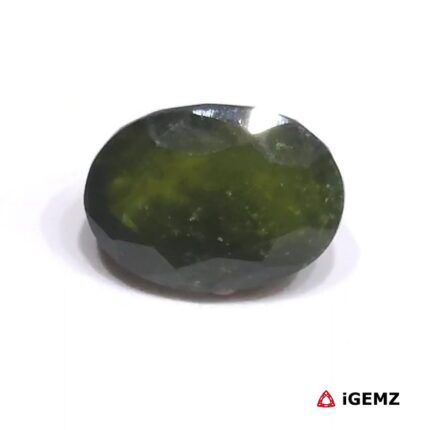
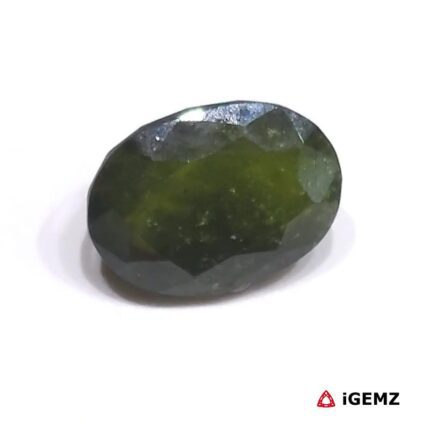
Vesuvianite is a striking gemstone known for its rich green, brown, yellow-green and occasionally blue hues. Its name derives from Mount Vesuvius in Italy, where it was first discovered. Valued both as a collector’s mineral and for fine jewellery, vesuvianite exhibits sharp, well-formed crystals and excellent clarity in its gem-quality forms.
In this guide we examine vesuvianite from a professional gemmological and commercial perspective, covering its physical properties, crystal structure, treatments, origins, and how to identify fine-quality stones.
What is Vesuvianite?
Vesuvianite is a calcium aluminium silicate mineral that forms prismatic crystals, commonly in metamorphic rocks such as skarns and limestones. Its colour ranges from olive green to brown, yellow-green, or violet, and it is occasionally cut into faceted gemstones for jewellery. Well-formed transparent crystals are prized for their clarity and colour depth.
Mineral Composition
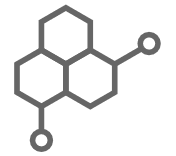
Vesuvianite has the general chemical formula:
(Ca,Na)₁₉(Al,Mg,Fe)₁₀(SiO₄)₈(O,OH,F)₁₀
Primary components include:
Calcium
Aluminium
Magnesium
Iron
Silicon
Oxygen
Hydroxyl/Fluorine (trace)
Colour variations are influenced mainly by iron and manganese content:
Low iron → yellow-green
Higher iron → olive green to brown
Trace manganese → violet or bluish hues
Mineral Family and Crystal System

Vesuvianite belongs to the inosilicate (pyroxenoid) family.
Its crystal system is tetragonal, producing elongated prismatic crystals with a pseudo-hexagonal appearance in hand specimens.
Optical and Physical Properties
Vesuvianite combines clarity, bright vitreous lustre, and moderate brilliance, making it ideal for collector specimens and occasionally for jewellery pieces where impact is minimal.

Lustre
Vitreous to resinous, giving a glassy shine.

Transparency
Transparent to translucent in gem-quality stones.

Refractive index
1.718 – 1.735, producing bright optical effects in faceted stones.

Specific gravity
3.32 – 3.38, typical for silicate gemstones of this type.
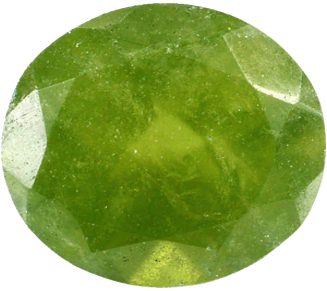
Colour Range
Vesuvianite occurs in:
Olive green
Brown
Yellow-green
Violet
Bluish-green
The most prized stones have strong, even colour saturation and transparency.
Mohs Hardness and Durability

Vesuvianite has a Mohs hardness of 6.5 to 7, making it suitable for earrings, pendants, and occasional wear rings when properly protected.
It has moderate toughness but can cleave under sharp impact.
Treatments

Most vesuvianite is untreated. Occasionally, heat may enhance colour in low-quality specimens. High-quality stones are naturally vibrant and do not require enhancement.
Care and Cleaning
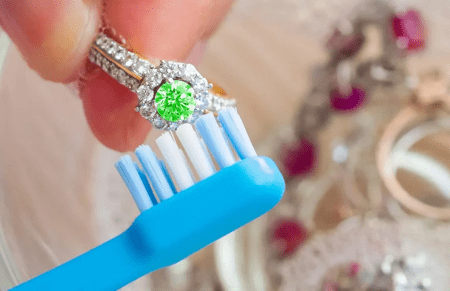
Avoid ultrasonic cleaners and harsh chemicals.
Use warm water, mild soap, and a soft brush.
Store vesuvianite separately from harder stones.
Major Origins

Major sources of vesuvianite include:
Italy (Mount Vesuvius)
Canada
Pakistan
USA (California, New York)
Russia




Frequently Asked Questions
Is vesuvianite a natural gemstone?
Yes, <a href=”https://www.igemz.co.za/product-category/natural-gemstones/vesuvianite/” target=”_blank”>vesuvianite</a> occurs naturally and is widely collected.
What colours does vesuvianite come in?
<a href=”https://www.igemz.co.za/product-category/natural-gemstones/vesuvianite/” target=”_blank”>Vesuvianite</a> occurs in green, brown, yellow-green, violet and bluish tones.
Is vesuvianite treated?
Most <a href=”https://www.igemz.co.za/product-category/natural-gemstones/vesuvianite/” target=”_blank”>vesuvianite</a> is untreated. Rare heat treatment may enhance colour.
Is vesuvianite suitable for daily wear?
<a href=”https://www.igemz.co.za/product-category/natural-gemstones/vesuvianite/” target=”_blank”>Vesuvianite</a> is moderately hard (Mohs 6.5–7) but should be worn with care in rings.
Does vesuvianite fluoresce?
Some specimens of <a href=”https://www.igemz.co.za/product-category/natural-gemstones/vesuvianite/” target=”_blank”>vesuvianite</a> may fluoresce under UV light.
How can I identify real vesuvianite?
Look for tetragonal prismatic crystals, bright vitreous lustre, and green to brown tones with minimal inclusions.
Where does the best vesuvianite come from?
Italy (Mount Vesuvius) and Pakistan produce highly collectible <a href=”https://www.igemz.co.za/product-category/natural-gemstones/vesuvianite/” target=”_blank”>vesuvianite</a>.
Can vesuvianite be scratched easily?
It is moderately hard but can be scratched by harder gemstones such as quartz or corundum.
Is vesuvianite sensitive to chemicals?
Yes, avoid acids and harsh chemical cleaners; warm water and mild soap are best.
Can vesuvianite be used in jewellery?
Yes, ideal for pendants, earrings, and occasional wear rings, especially when set with protective bezels.