

 1st - Gold
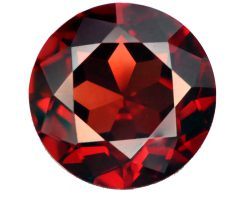 January
 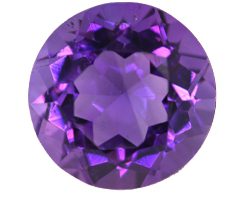 February
 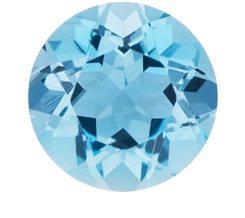 March
March 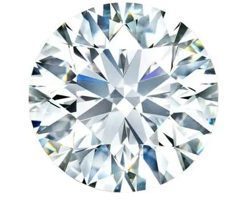 April
April 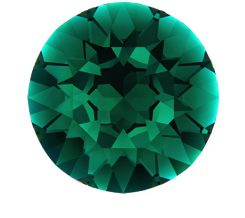 May
May 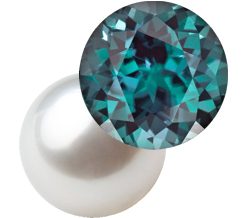 June
June 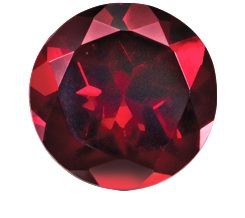 July
July 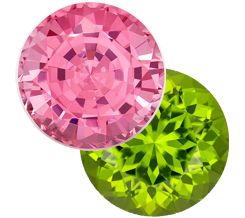 August
 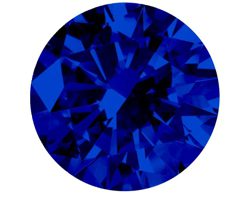 September
 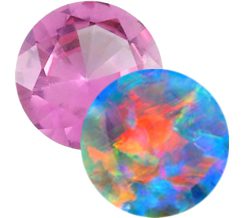 October
 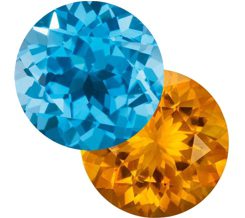 November
 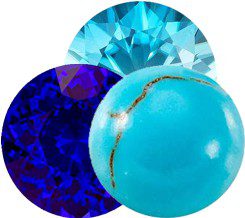 December
 Capricorn - Garnet
  Aquarius - Amethyst
  Pisces - Aquamarine
 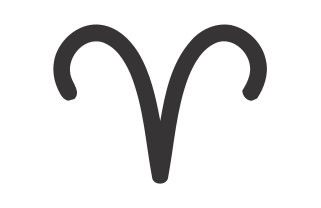 Aries - Diamond
 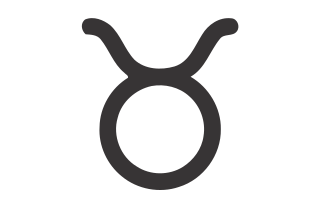 Taurus - Emerald
  Gemini - Pearl
  Cancer - Ruby
  Leo - Peridot
 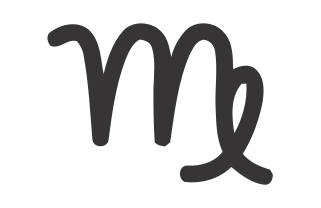 Virgo - Blue Sapphire
  Libra - Opal
 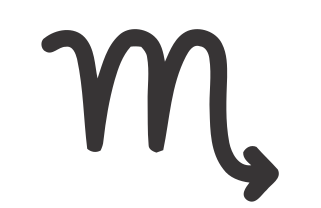 Scorpio - Topaz
  Sagittarius - Tanzanite


Turquoise Gemstones – Properties, Origins, Treatments and Buying Guide
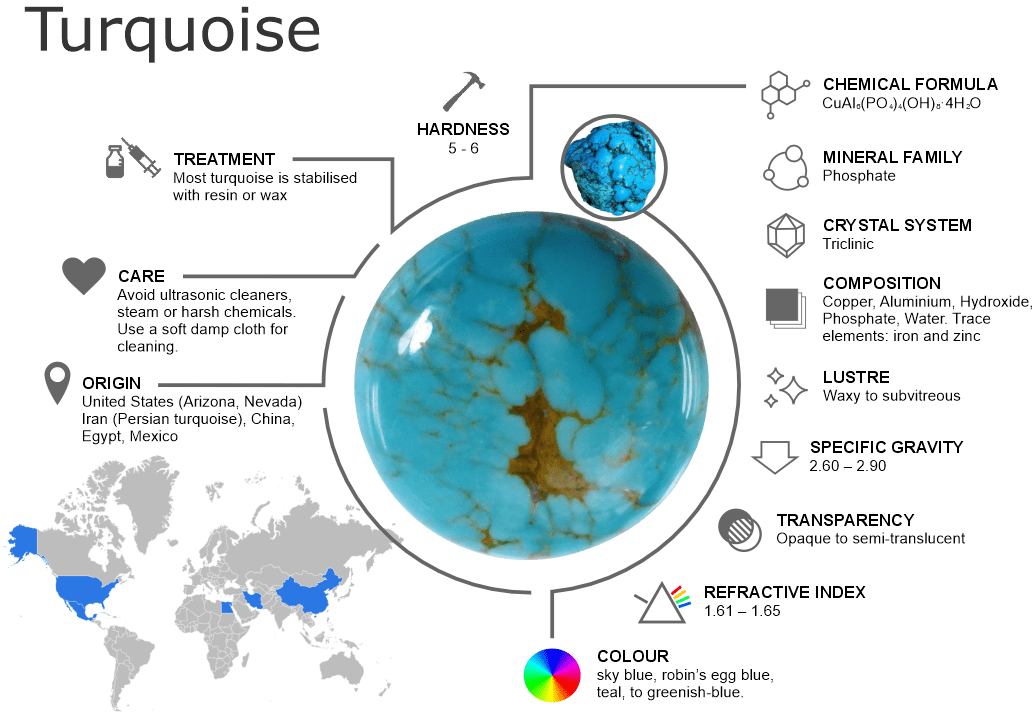
Turquoise is one of the most iconic gemstones, known for its vibrant blue to green colours and unique veining patterns. It has been valued by cultures worldwide for thousands of years as a symbol of protection and prosperity.
In this guide we examine turquoise from a professional gemmological and commercial perspective, covering its physical properties, crystal structure, treatments, origins, and how to identify fine-quality stones.
What is Turquoise?
Turquoise is a hydrated phosphate of copper and aluminium (CuAl₆(PO₄)₄(OH)₈·4H₂O) that forms in arid, copper-rich regions as nodules or vein deposits. Its vivid sky-blue to green colours are caused by varying copper and iron content. High-quality turquoise is prized for its uniform colour and fine matrix patterns, making it highly collectible and suitable for jewellery.
Mineral Composition
Turquoise has the chemical formula:
CuAl₆(PO₄)₄(OH)₈·4H₂O
It is composed primarily of:
Copper (Cu) – gives blue colour
Aluminium (Al)
Phosphate (PO₄)
Water (H₂O)
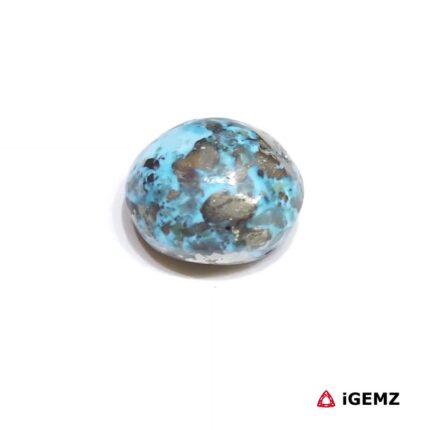
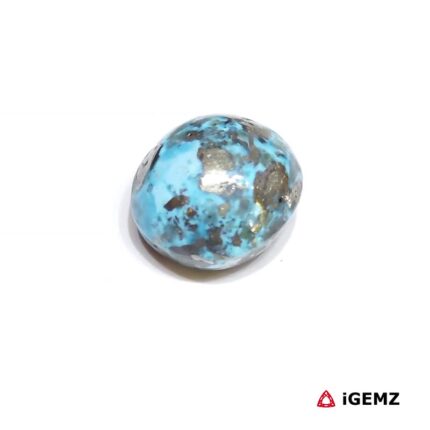
Minor iron or zinc content may shift the colour toward green. The pattern of brown or black veining (matrix) comes from host rock inclusions.
Mineral Family and Crystal System

Turquoise belongs to the phosphate mineral family.
Its crystal system is triclinic, though gem-quality material is usually massive or nodular rather than forming distinct crystals.
Optical and Physical Properties
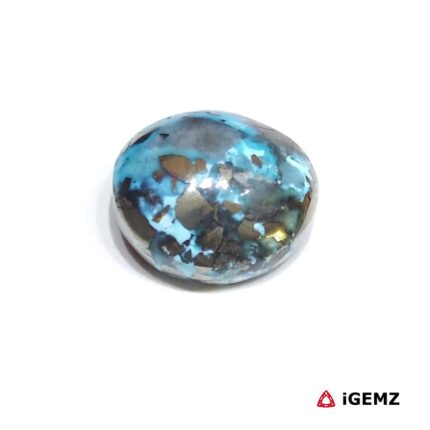
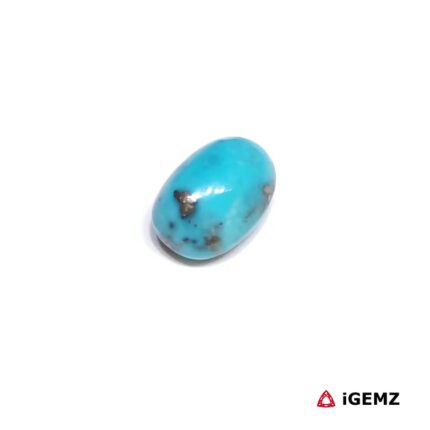
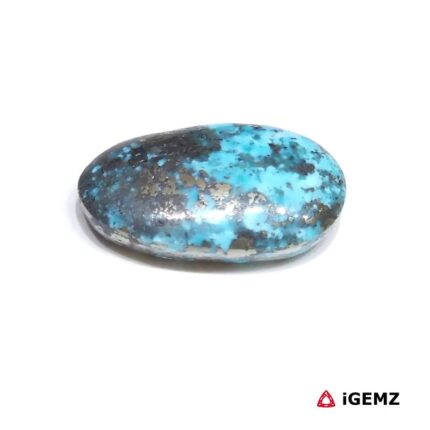
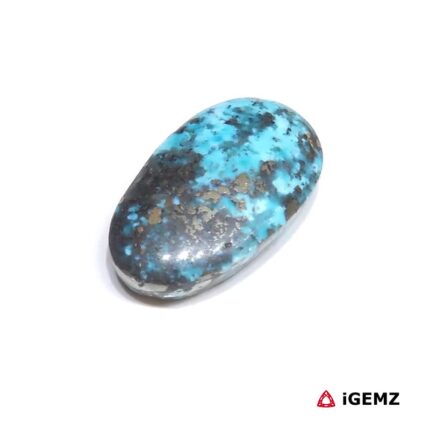
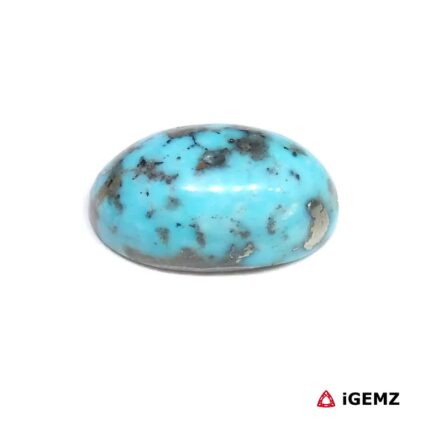
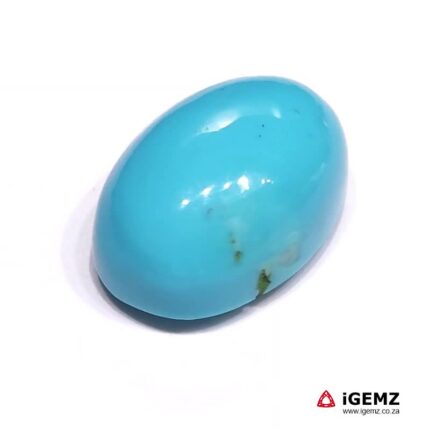
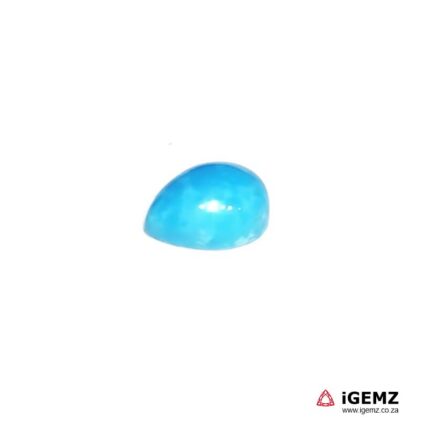
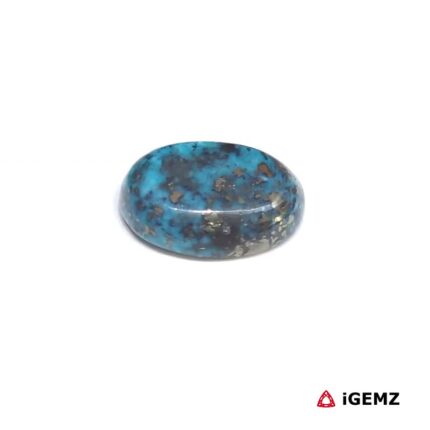
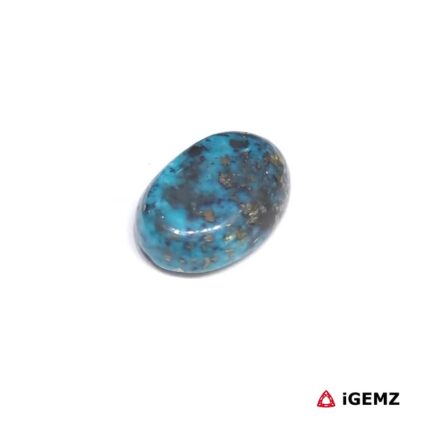
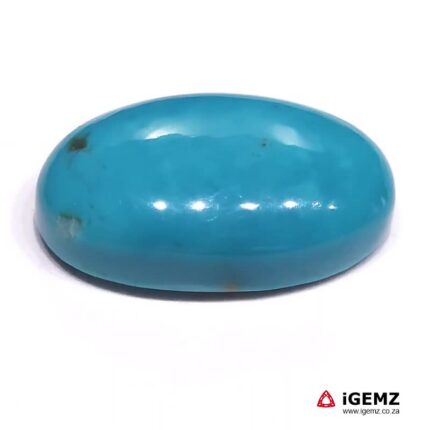
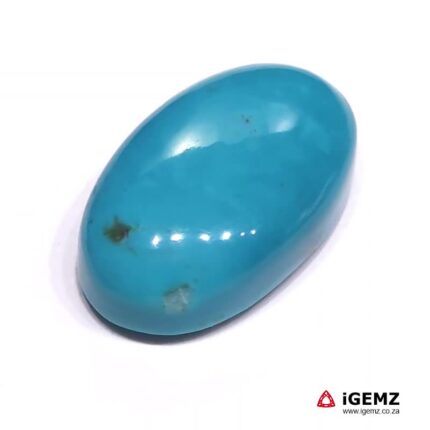
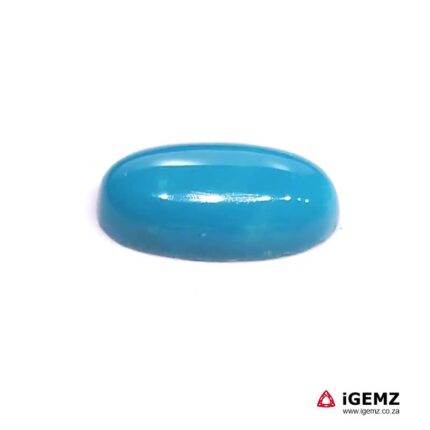
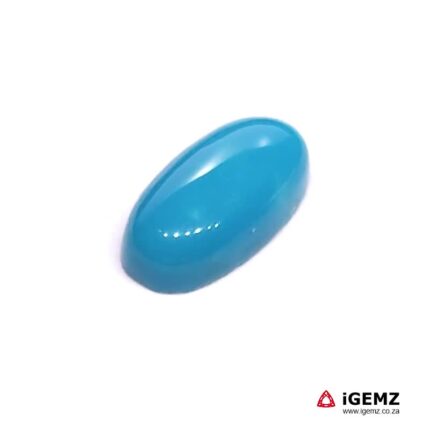
Turquoise is valued for its opaque to semi-translucent appearance, vibrant colours, and unique matrix patterns, giving each stone a distinctive character for jewellery and collection.

Lustre
Waxy to sub-vitreous, giving soft shine.

Transparency
Typically opaque; some high-quality nodules are semi-translucent at edges.

Refractive index
1.61 – 1.65, providing subtle internal reflection.

Specific gravity
2.6 – 2.9, typical for phosphate minerals.
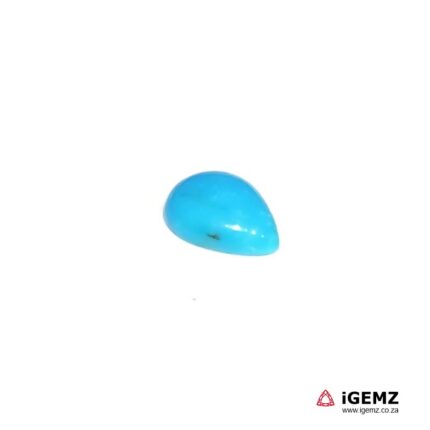
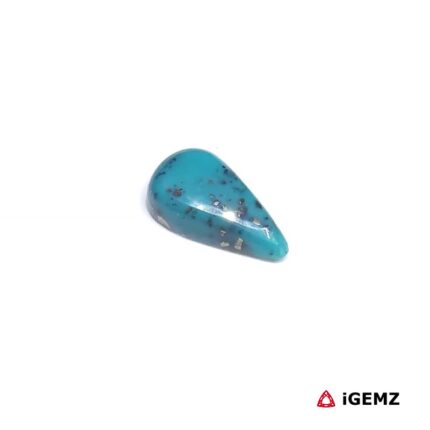
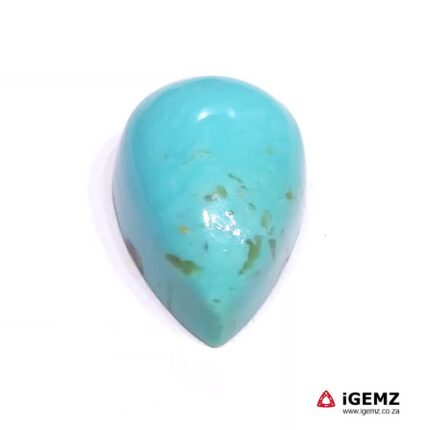
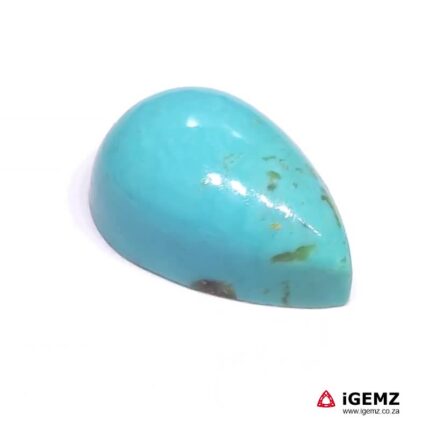
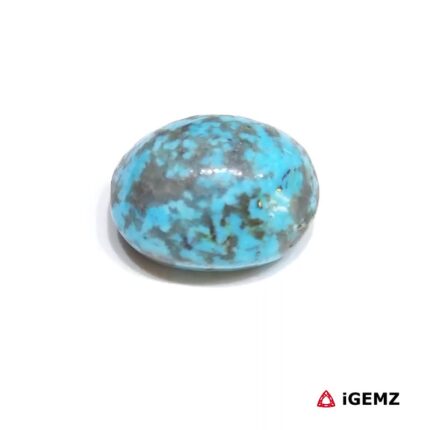
Colour Range
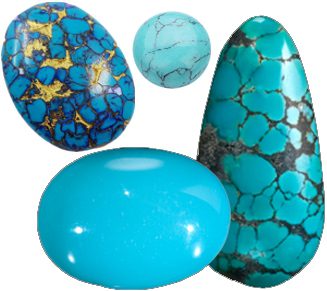
Turquoise occurs in shades of:
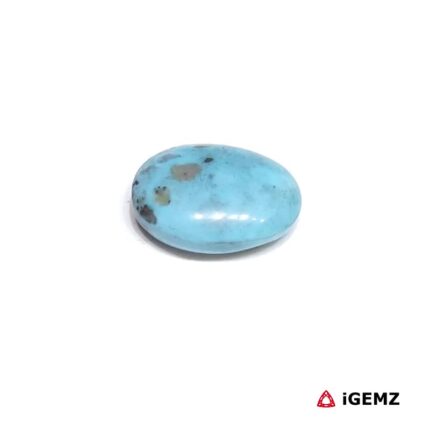
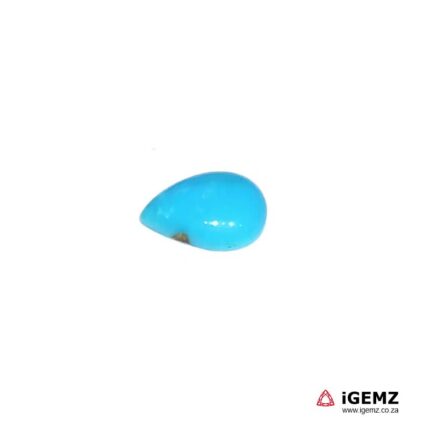
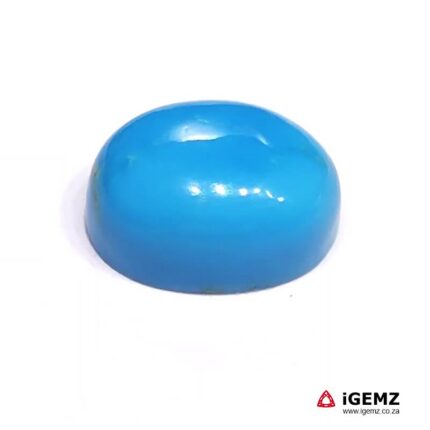
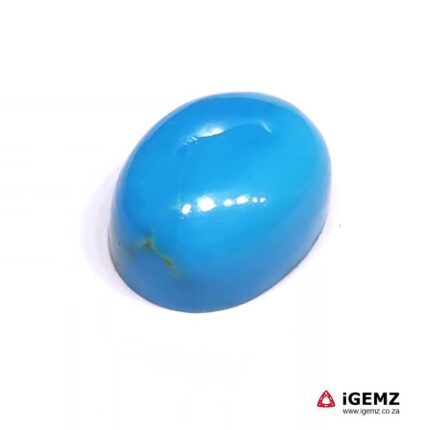
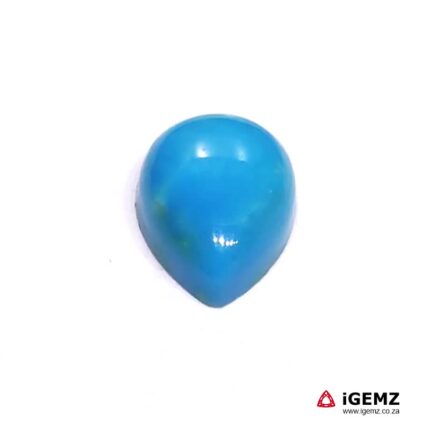
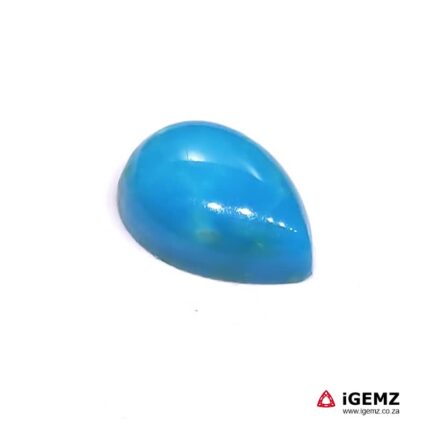
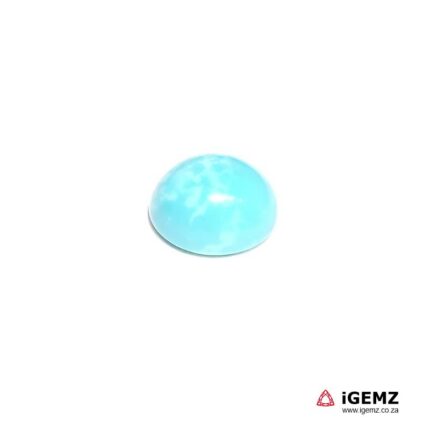
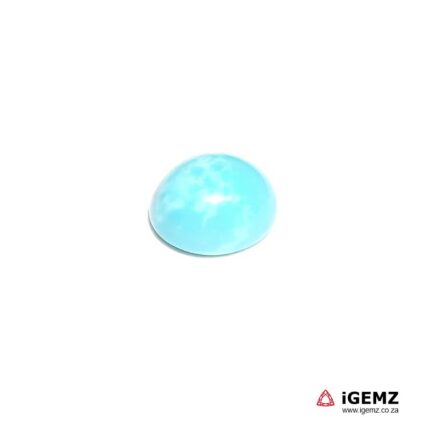
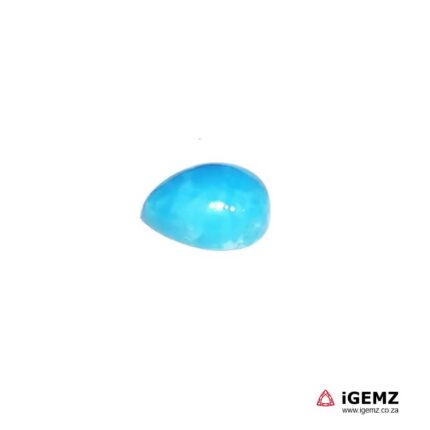
Sky blue
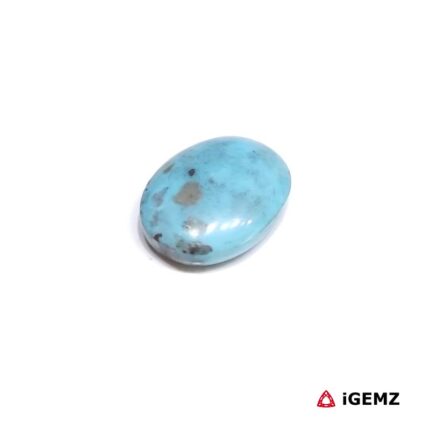
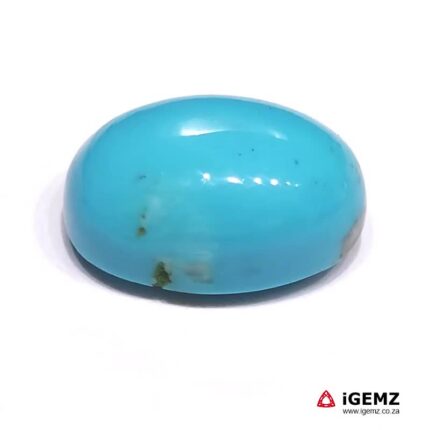
Robin’s egg blue
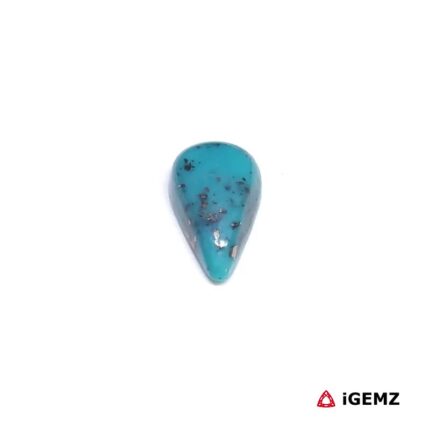
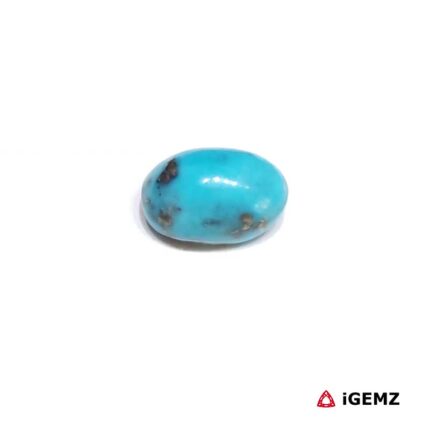
Green-blue
Yellowish-green
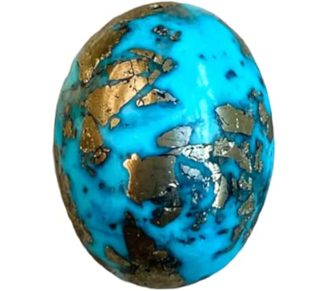
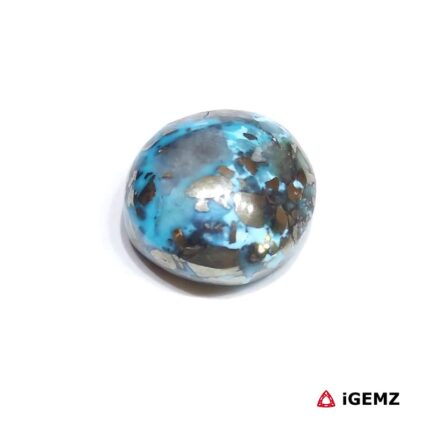
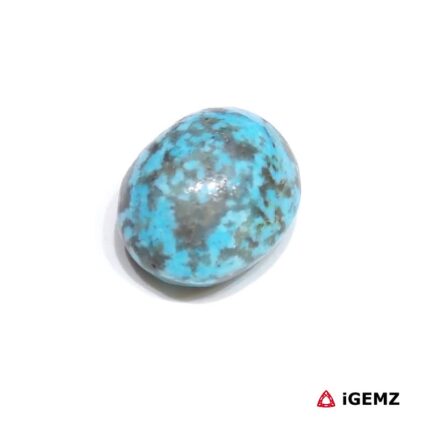
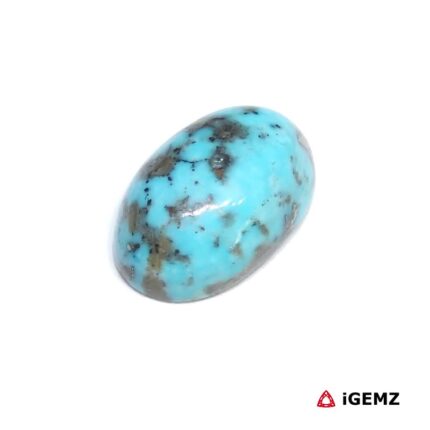
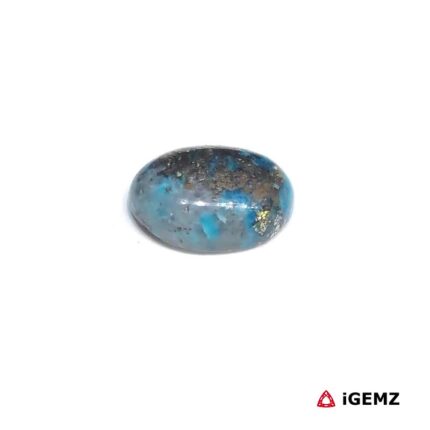
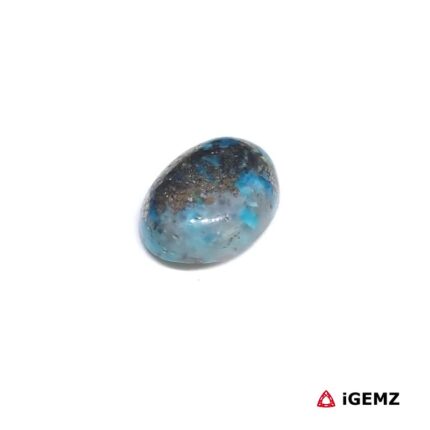
Matrixed varieties (brown, black, or grey veining)
Uniform, bright blue material with minimal matrix is most valued
Mohs Hardness and Durability
Turquoise has a Mohs hardness of 5–6, making it relatively soft. It is suitable for earrings, pendants, and inlay work, but caution is needed for rings and bracelets to avoid scratching.
Treatments

Many turquoise stones are stabilised with resin or wax to improve durability and polish. Rarely, dyed turquoise is used to enhance colour. Natural, untreated stones remain the most collectible.
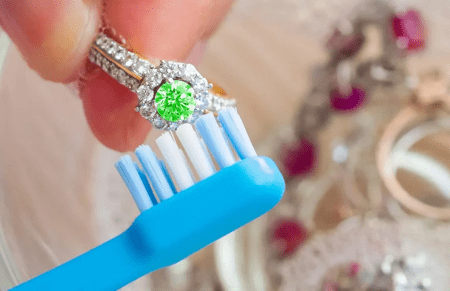
Care and Cleaning
Avoid ultrasonic cleaners, acids, and harsh chemicals.
Use warm water, mild soap, and a soft brush.
Store separately from harder gemstones to prevent scratches.
Major Origins
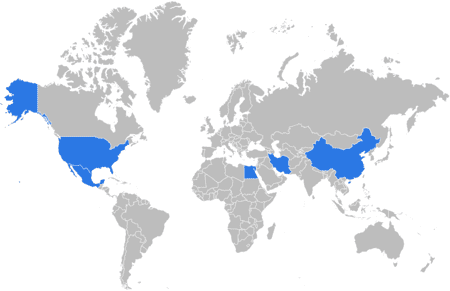
Major sources of turquoise include:
Iran (Persian turquoise)
USA (Arizona, Nevada, New Mexico)
China
Egypt
Mexico
Frequently Asked Questions
Is turquoise a natural gemstone?
Yes, <a href=”https://www.igemz.co.za/product-category/natural-gemstones/turquoise/” target=”_blank”>turquoise</a> occurs naturally and has been used for thousands of years.
What colours does turquoise come in?
It ranges from sky blue to green, often with brown, black, or grey matrix.
Is turquoise treated?
Many stones are stabilised with resin or wax; some are dyed to enhance colour.
Is turquoise suitable for daily wear?
It is soft (Mohs 5–6) and best used in pendants, earrings, or occasional rings.
Does turquoise change colour?
Some untreated turquoise can darken or change slightly if exposed to chemicals, oils, or sunlight.
How can I tell if turquoise is real?
Look for natural veining, uniform matrix patterns, and avoid overly bright dyed stones.
Where is the best turquoise from?
Iran (Persian turquoise) and Arizona, USA are renowned for high-quality stones.
Can turquoise be scratched easily?
Yes, it is soft and scratches easily from harder stones.
Is turquoise suitable for inlay work?
Yes, stabilized turquoise is ideal for inlay and mosaic jewellery.
Can turquoise be cleaned with ultrasonic machines?
No, only gentle cleaning with warm water, mild soap, and a soft brush is recommended.