

 1st - Gold
 January
 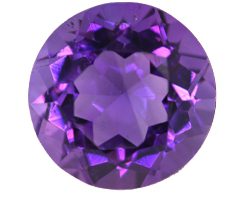 February
 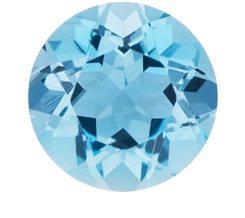 March
March 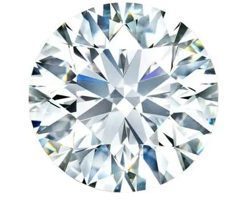 April
April 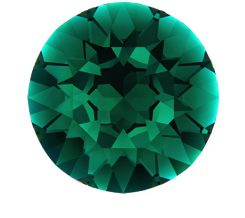 May
May 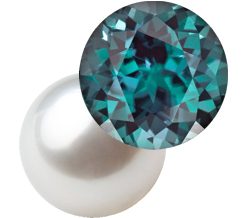 June
June 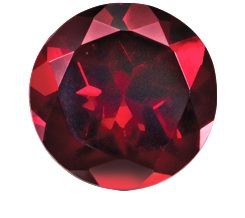 July
July 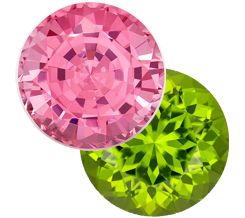 August
 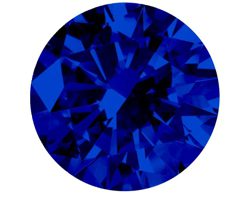 September
 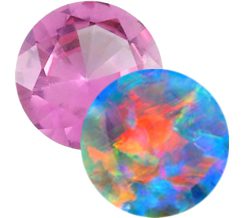 October
 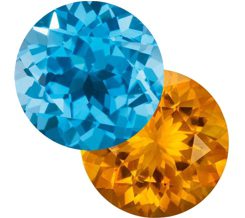 November
 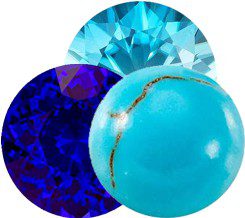 December
 Capricorn - Garnet
  Aquarius - Amethyst
  Pisces - Aquamarine
  Aries - Diamond
  Taurus - Emerald
  Gemini - Pearl
  Cancer - Ruby
  Leo - Peridot
  Virgo - Blue Sapphire
  Libra - Opal
  Scorpio - Topaz
  Sagittarius - Tanzanite

Zircon Gemstones – Properties, Origins, Treatments and Buying Guide
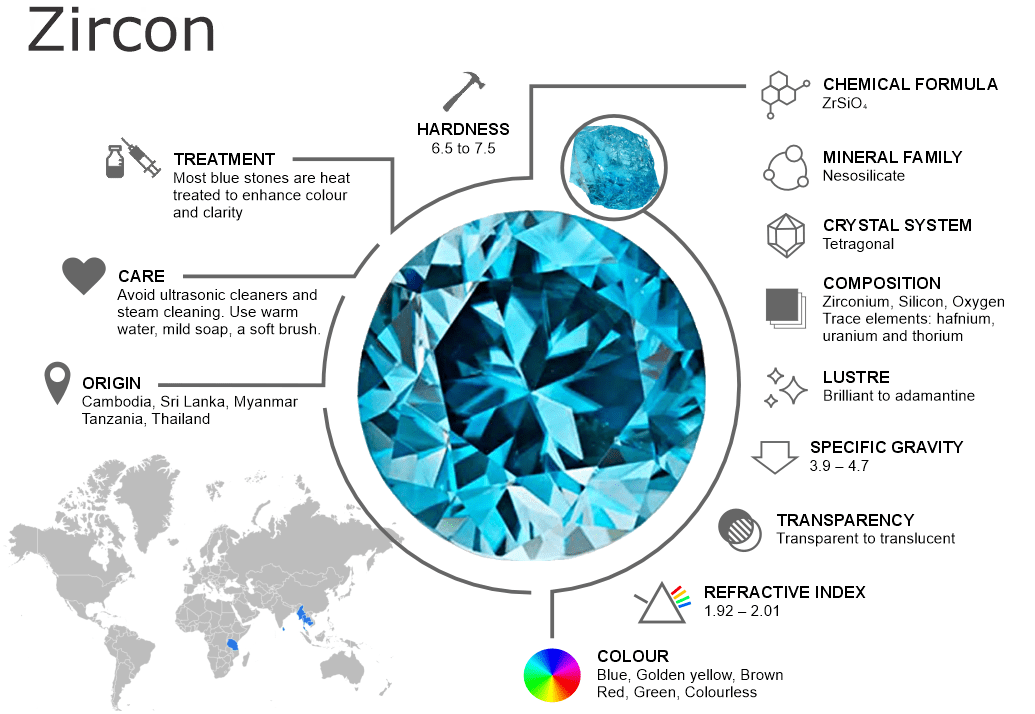
Zircon is a brilliant and highly refractive gemstone, prized for its clarity, fire, and wide colour range. Unlike cubic zirconia, natural zircon is a rare mineral that forms in nature with exceptional brilliance and natural crystal forms.
In this guide we examine zircon from a professional gemmological and commercial perspective, covering its physical properties, crystal system, treatments, origins, and how to identify fine-quality stones.
What is Zircon?
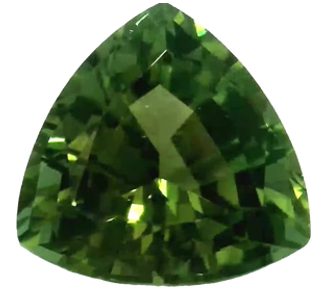
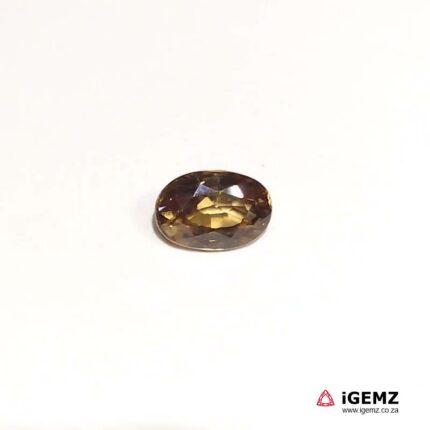
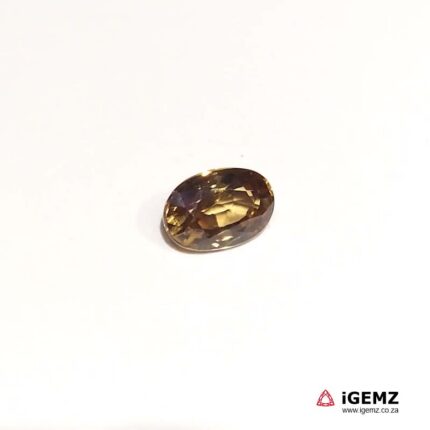
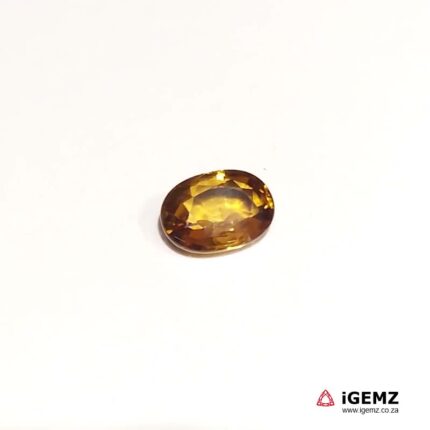
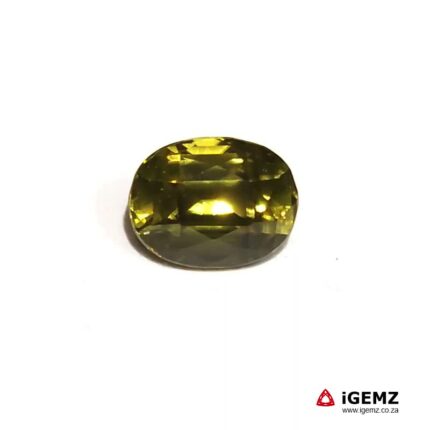
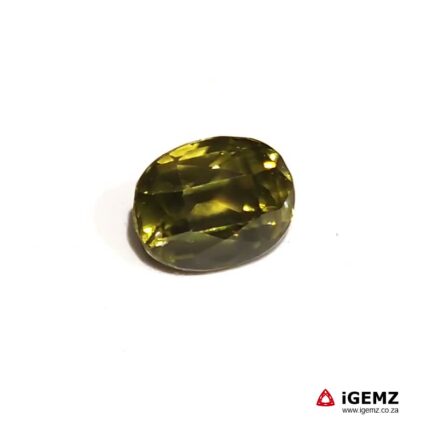
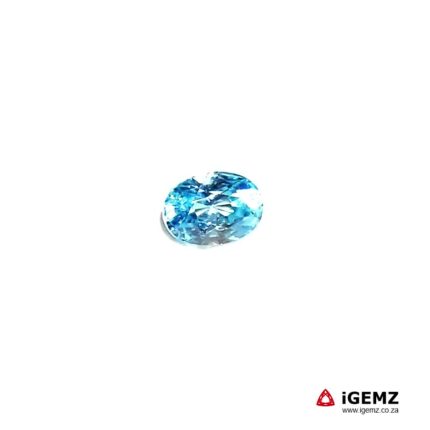
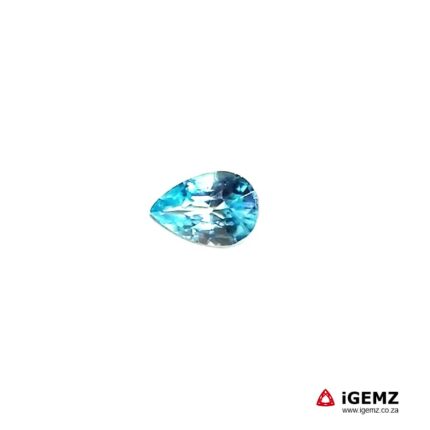
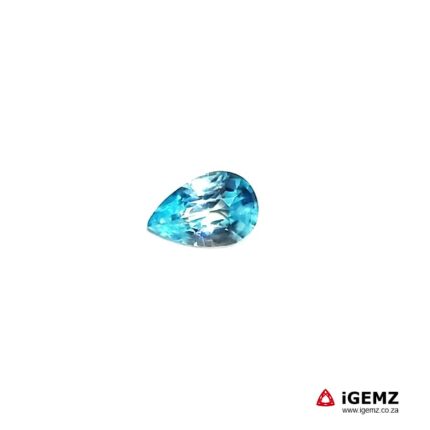
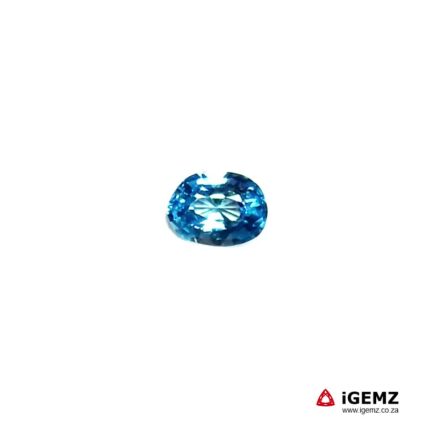
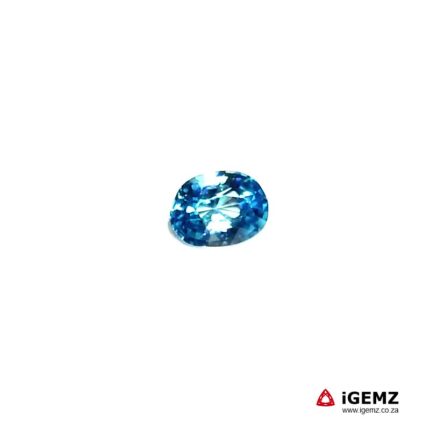
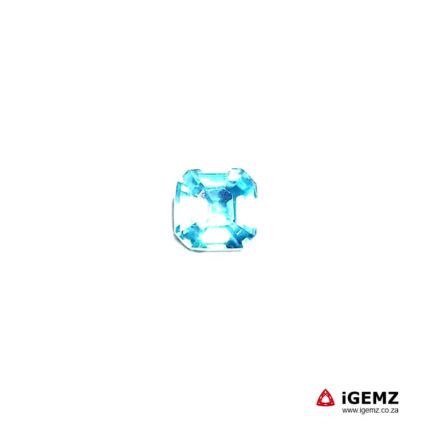
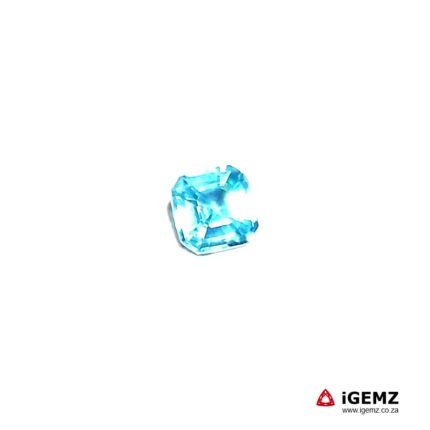
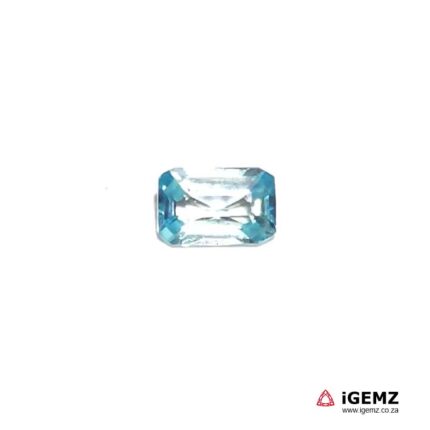
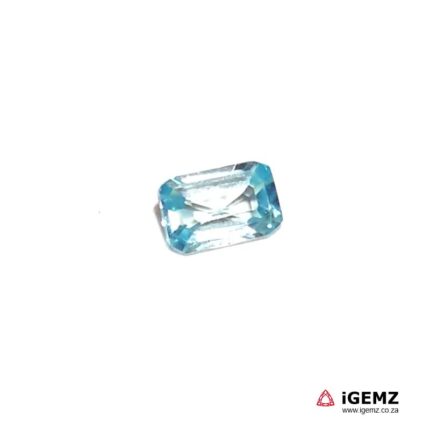
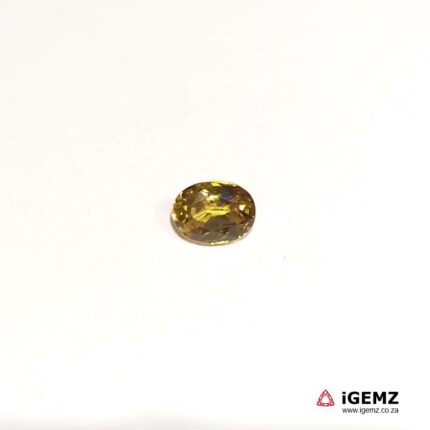
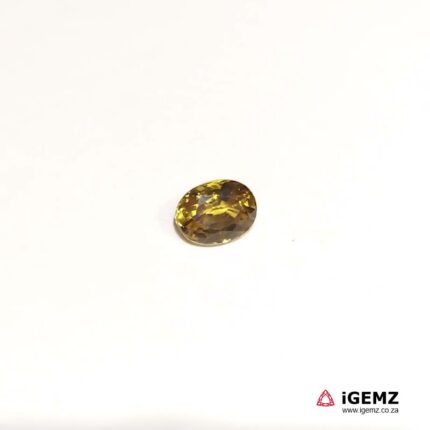
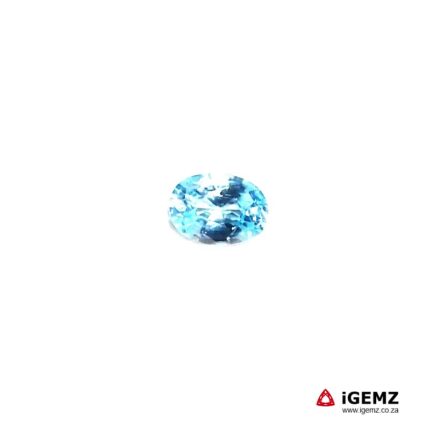
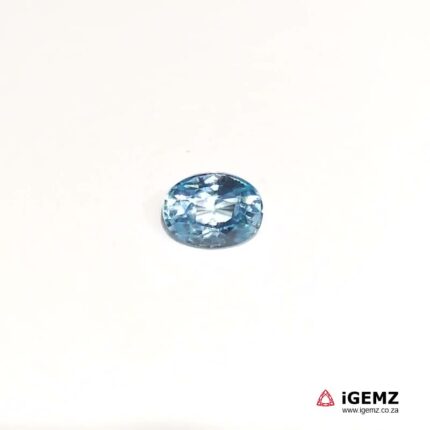
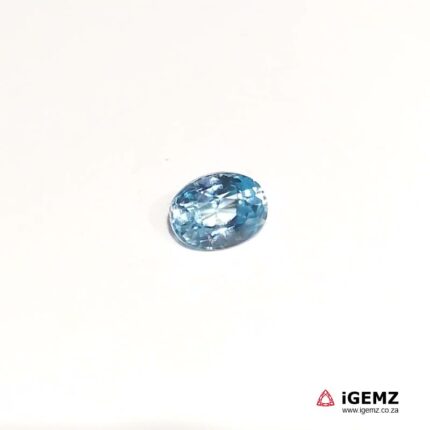
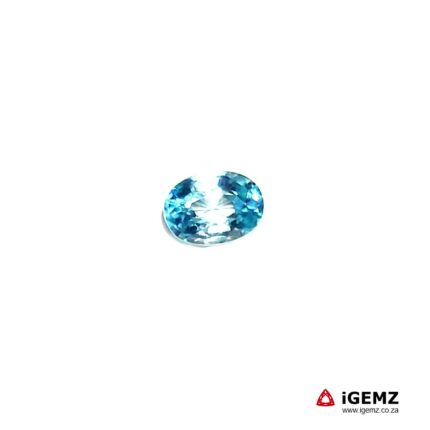
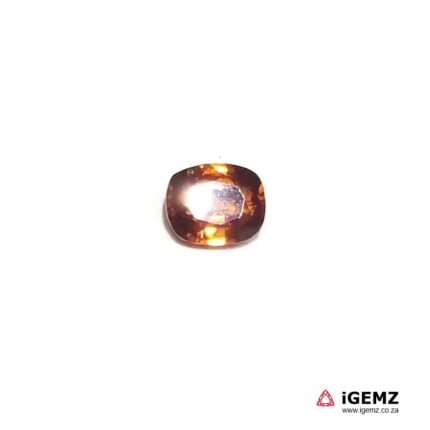
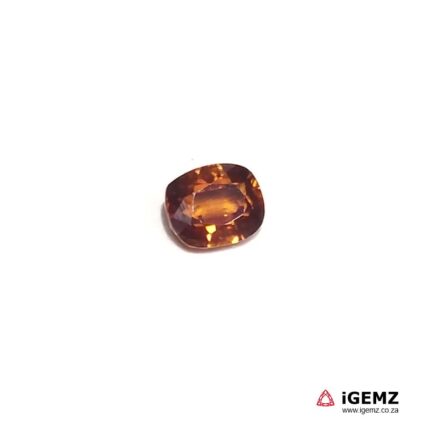
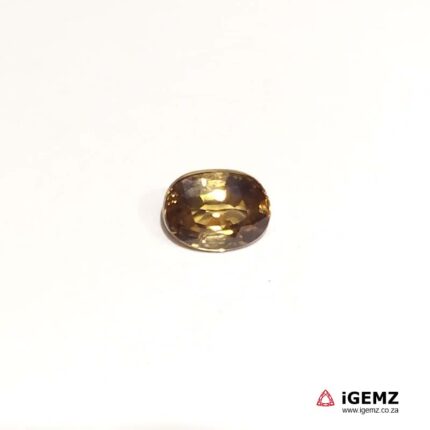
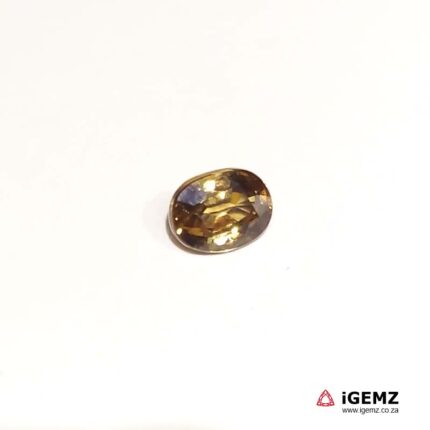
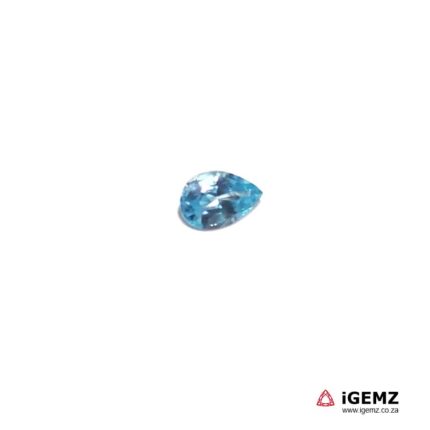
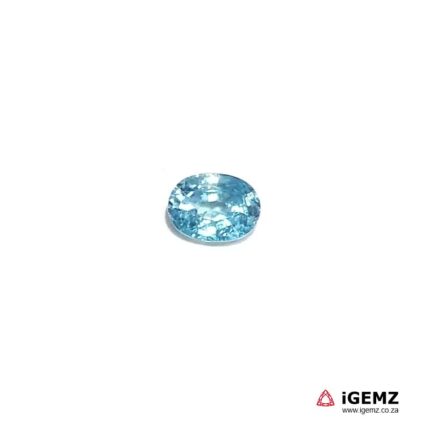
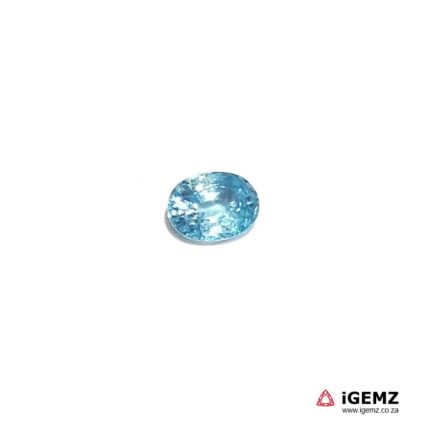
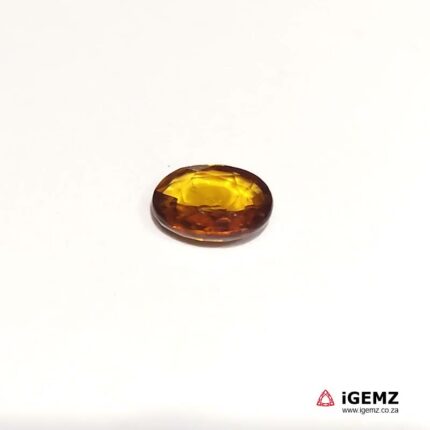
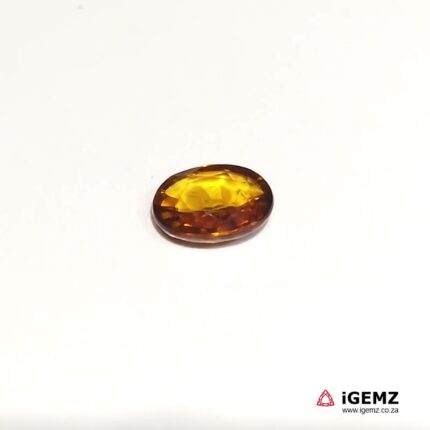
Zircon is a natural mineral composed of zirconium silicate (ZrSiO₄). It occurs in a wide range of colours including colourless, yellow, brown, red, green, and blue. Highly prized for its brilliance and strong fire, zircon is commonly used in fine jewellery and collector specimens.
Zircon crystals are typically tetragonal, forming short, prismatic crystals with well-defined crystal faces, and they often occur in alluvial deposits derived from the erosion of igneous rocks.
Mineral Composition
Zircon has the chemical formula:
ZrSiO₄
It is composed primarily of:
Zirconium
Silicon
Oxygen
Trace elements, especially hafnium and rare-earth elements, can slightly alter its colour.
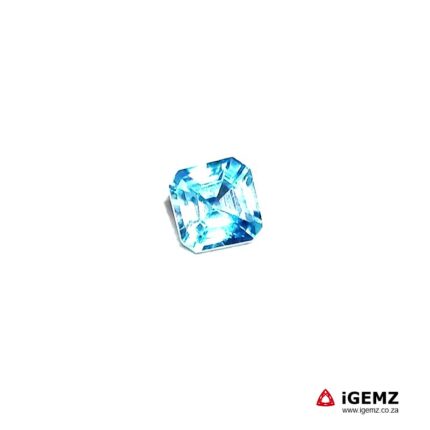
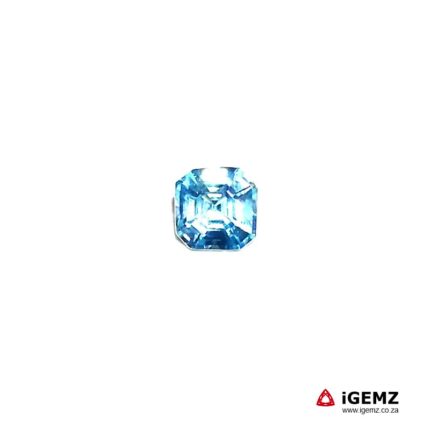
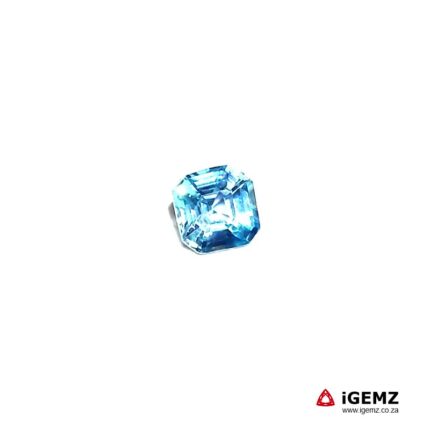
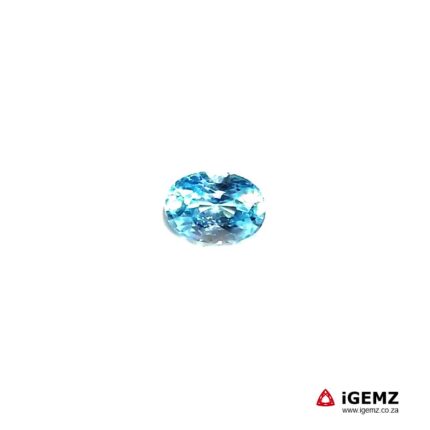
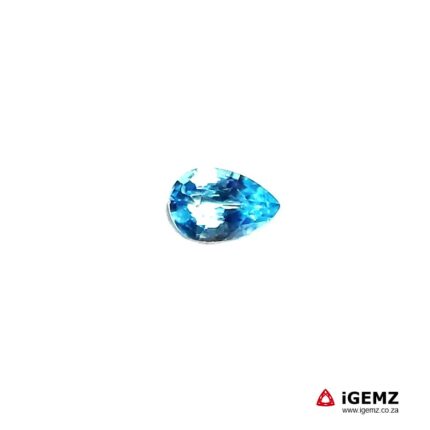
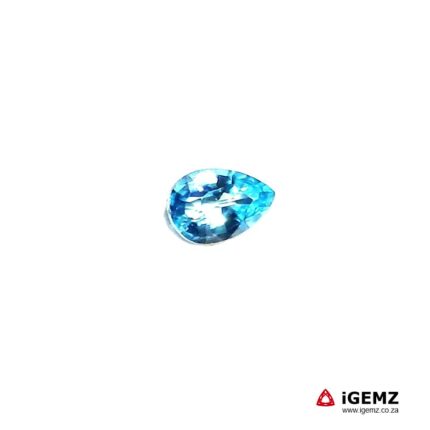
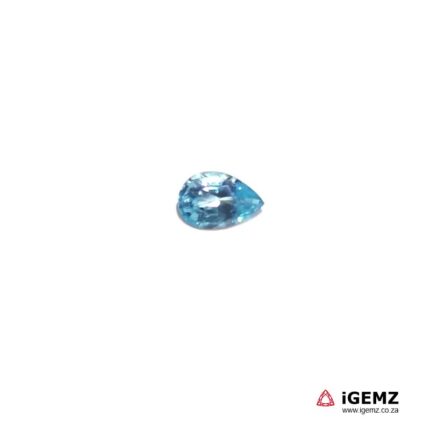
Colourless zircon is the most brilliant, while blue, green, yellow, and red shades are produced naturally or via heat treatment.
Mineral Family and Crystal System

Zircon belongs to the nesosilicate (orthosilicate) mineral family.
Its crystal system is tetragonal, producing short, prismatic crystals with excellent natural facets, contributing to the stone’s brilliance and fire.
Optical and Physical Properties
Zircon is highly refractive and displays strong dispersion, producing a “fire” similar to diamond. Its clarity and hardness make it suitable for fine jewellery and collection pieces.

Lustre
Vitreous, giving a brilliant sparkle.

Transparency
Transparent to semi-transparent; gem-quality stones are highly transparent.
Refractive index
1.92 – 2.01, giving strong brilliance and noticeable fire.

Specific gravity
4.6 – 4.7, heavier than most common gemstones.
Colour Range
Zircon occurs in:
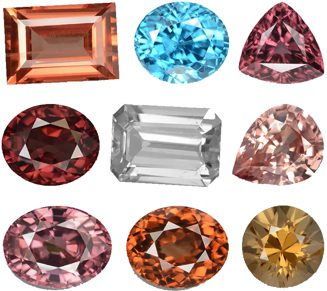
Colourless
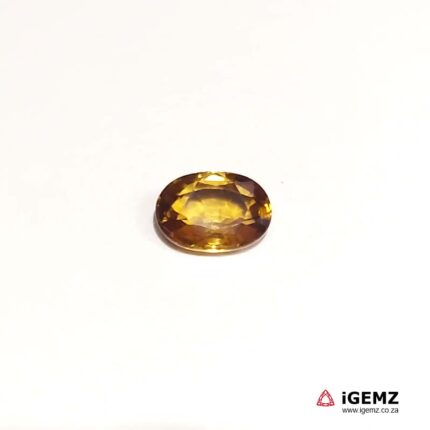
Yellow
Red
Brown
Blue
Green
Colourless stones are prized for brilliance; heat-treated blue and yellow zircons are also highly sought after.
Mohs Hardness and Durability
Zircon has a Mohs hardness of 7.5, making it suitable for rings, pendants, and earrings. It is brittle and can fracture if struck sharply, so care is needed when worn in jewellery.
Treatments
Natural zircon is often heat-treated to produce blue or colourless stones and reduce brownish tones. Treatments are permanent and widely accepted in the gem trade. Fine-quality stones are free from coatings or fillings.
Care and Cleaning
Avoid ultrasonic and steam cleaners.
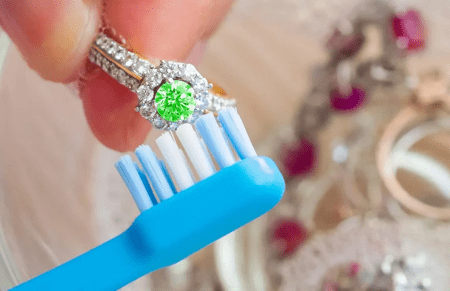
Clean with warm water, mild soap, and a soft brush.
Store separately from harder gemstones to prevent scratches.
Major Origins
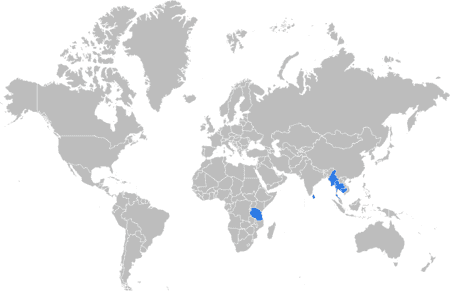
Major sources of zircon include:
Cambodia
Sri Lanka
Myanmar
Australia
Vietnam
Tanzania
Frequently Asked Questions
Is zircon a natural gemstone?
Yes, zircon is a naturally occurring mineral.
What colours does zircon come in?
Natural zircon occurs in colourless, yellow, red, brown, blue, and green shades.
Is zircon treated?
Many zircons are heat-treated to enhance blue or colourless tones. Treatments are permanent.
Is zircon suitable for everyday wear?
With a hardness of 7.5, zircon can be worn daily with care but is brittle and may chip.
Does zircon have high brilliance?
Yes, colourless zircon rivals diamond in brilliance and fire.
How can I identify real zircon?
Look for tetragonal crystals, high refractive index, and vitreous lustre. Natural inclusions may be present.
Where does the best zircon come from?
Cambodia, Sri Lanka, and Myanmar produce some of the finest gem-quality zircons.
Can zircon be scratched easily?
It is harder than fluorite but softer than sapphire; avoid contact with harder stones.
Is zircon safe to clean with ultrasonic machines?
Avoid ultrasonic and steam cleaning; use gentle soap and water.
Can zircon be used in rings?
Yes, zircon is suitable for rings, pendants, and earrings when set securely.