


 1st - Gold
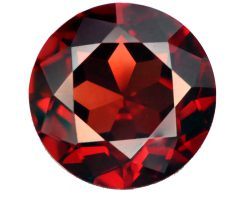 January
 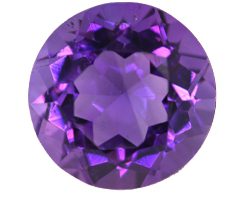 February
 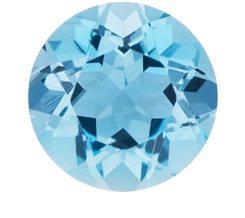 March
March 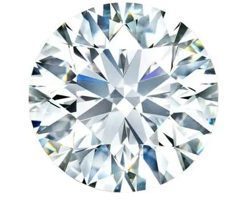 April
April 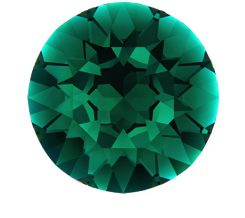 May
May 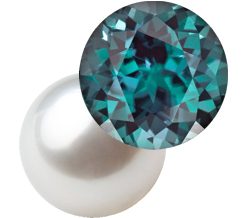 June
June 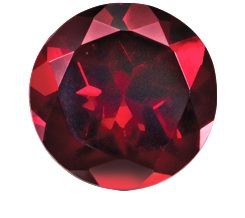 July
July 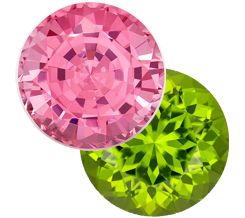 August
 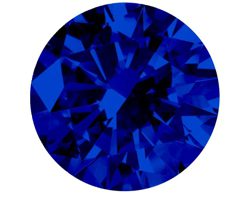 September
 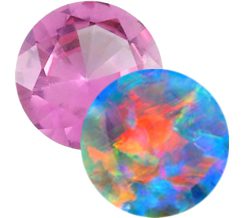 October
 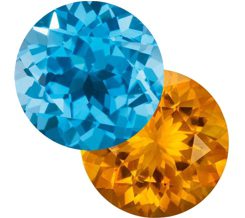 November
 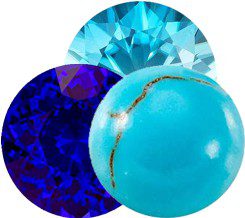 December
 Capricorn - Garnet
  Aquarius - Amethyst
  Pisces - Aquamarine
  Aries - Diamond
  Taurus - Emerald
  Gemini - Pearl
  Cancer - Ruby
  Leo - Peridot
  Virgo - Blue Sapphire
  Libra - Opal
  Scorpio - Topaz
  Sagittarius - Tanzanite


The Damaging Effects of Chemicals on Gemstones

While many gemstones are quite hard and durable, they can still be damaged by chemicals. There are a number of chemicals that can cause damage to gemstones, including acids, alkalis, and solvents. Some of the most common chemicals that can damage gemstones are listed below. Acids: Lemon juice, vinegar, and other household acids can damage many types of gemstones. Acid can etch the surface of the gemstone, making it dull. Alkalis: Ammonia, bleach, and other household cleaners can damage many types of gemstones. Alkalis can etch the surface of the gemstone, making it dull. Solvents: Naphtha, gasoline, alcohol and other solvents can damage many types of gemstones. Solvents can dissolve the surface of the gemstone, making it dull. They can also dissolve some types of gemstones, such as pearls.
Chemicals can damage the surface of a gemstone.
The surface of a gemstone can be easily damaged by chemicals. Chemicals can etch or burn the surface of the gemstone, causing permanent damage. Chemicals can also damage the interior of the gemstone, causing it to become discoloured or even cracked.
Chemicals can penetrate the interior of a gemstone.
When a gemstone is found, it is not always in the perfect condition that we see it in jewelry stores. In fact, many gemstones have to go through a process of cleaning and polishing before they are ready to be sold. The most common way to clean gemstones is to use chemicals. However, what many people do not realize is that these chemicals can actually damage the gemstone. One way that chemicals can damage a gemstone is by penetrating the interior of the stone. This can happen if the stone is not properly sealed before it is placed in the cleaning solution. If the chemicals are able to penetrate the interior of the stone, they can break down the structure of the gemstone, making it weaker and more prone to breaking. Another way that chemicals can damage a gemstone is by causing it to fade in colour. This is especially common with gemstones that are dyed or treated with chemicals to enhance their colour. over time, the chemicals can break down the colour of the gemstone, making it less vibrant and ultimately changing its appearance. Finally, chemicals can also damage the surface of a gemstone, making it more susceptible to scratches and other damage. This is because the chemicals can actually etch into the surface of the stone, leaving it more vulnerable to everyday wear and tear. Overall, it is important to be aware of the potential damage that chemicals can cause to gemstones. If you are unsure about whether or not a particular chemical is safe to use on a gemstone, it is always best to consult with a professional.
It can change the colour of a gemstone.
colour is one of the most important characteristics of a gemstone. It can drastically affect a gem’s value. Certain colours are more rare and, therefore, more valuable than others. Chemicals can change the colour of a gemstone, which can lead to a decrease in value. gemstones are often treated with chemicals to enhance or change their colour. Though this can be done safely, it can also cause damage to the stone. Chemicals can change the structure of a gemstone, making it more brittle and more susceptible to breakage. In some cases, chemicals can even cause a gemstone to fade or change colour over time. Treating a gemstone with chemicals is a risky proposition. It is important to consult with a professional gemologist before making any decisions. Only a trained eye can determine whether or not a chemical treatment will be beneficial to a gemstone.
Chemicals can make a gemstone brittle.
Abrasive chemicals can damage the surface of a gemstone, making it appear dull and less lustrous. In some cases, chemicals can even cause a gemstone to become brittle and break. One of the most common chemicals used to clean gemstones is ammonia. Ammonia is a very strong cleaning agent, but it can also be very damaging to delicate gemstones. Ammonia can strip away the natural oils that give gemstones their shine, and it can also damage the surface of the stone. In some cases, ammonia can even cause a gemstone to crack or break. Another common chemical used to clean gemstones is bleach. Bleach is very effective at removing stains, but it can also damage the surface of a gemstone. Bleach can remove the natural colour of a gemstone, and it can also make the surface of the stone appear dull and lifeless. In some cases, bleach can even cause a gemstone to become brittle and break. chemicals can damage the surface of a gemstone, making it appear dull and less lustrous. In some cases, chemicals can even cause a gemstone to become brittle and break. Chemicals can damage the surface of a gemstone, making it appear dull and less lustrous. In some cases, chemicals can even cause a gemstone to become brittle and break.
It can make a gemstone porous.
A gemstone can be defined as a piece of natural rock that can be cut and polished to form decorative jewelry. However, not all rocks are created equal and some are more delicate than others. Chemicals can have a damaging effect on gemstones, making them porous and susceptible to scratches and other damage. One of the most common chemicals used in jewelry making is acid. Acid is used to etch designs into metal and to clean gemstones. It can also be used to remove impurities from gemstones. However, acid can also damage gemstones, making them porous and more susceptible to scratches and other damage. gemstones are also damaged by chemicals used in the cleaning and polishing process. Many cleaners and polishes contain harsh chemicals that can damage the surface of gemstones. In addition, some gemstones are dyed with chemicals that can also damage the surface of the stone. Chemicals can also be used to artificially enhance the colour of gemstones. However, these chemicals can also damage the surface of the stone and make it more susceptible to scratches and other damage. In conclusion, chemicals can have a damaging effect on gemstones. They can make the stone porous and susceptible to scratches and other damage. It is important to be careful when using chemicals on gemstones and to consult with a professional if you are unsure of the best way to clean or polish your gemstone.
Chemicals can cloud a gemstone.
Although chemicals are often used to clean gemstones, they can also damage the stone. Chemicals can etch or discolour the surface of the stone, and they can also cloud the stone. When chemicals etch the surface of a gemstone, they remove a very thin layer of the stone. This can make the surface of the gemstone appear dull. In some cases, the damage caused by chemicals can be repaired, but it is often not possible to completely remove the damage. Discolouration of a gemstone can occur when chemicals react with the stone. This can change the colour of the stone, and it can also make the stone appear cloudy. In some cases, the discolouration can be removed, but it is often not possible to completely restore the original colour of the stone. Cloudiness in a gemstone can be caused by chemicals that interact with the stone. This can make the stone appear dull and cloudy. In some cases, the cloudiness can be removed, but it is often not possible to completely clear the stone.
Harsh Chemicals can dissolve a gemstone.
Chemicals can be very damaging to gemstones. They can dissolve the stone, making it weaker and more susceptible to breaking. In some cases, they can even cause the stone to dissolve completely. This can be a problem if the stone is set in jewelry, as the chemicals can damage the setting and cause the stone to fall out. There are a few ways to protect gemstones from chemicals. First, make sure to clean them regularly. This will help remove any build-up of chemicals that could potentially damage the stone. Second, avoid using harsh chemicals when cleaning the stone. Instead, use a mild, soap-free cleanser. Finally, avoid exposing the stone to chemicals whenever possible. If you must use chemicals, be sure to take proper safety precautions and rinse the stone thoroughly afterwards.
While gemstones are beautiful and have been treasured since ancient times, it is important to be aware of the potentially damaging effects of chemicals on these precious stones. Some chemicals can cause fading or discolouration, while others can actually dissolve the stone. It is important to consult a professional before using any chemicals on gemstones, and to take care when storing and cleaning them. With a little knowledge and care, you can enjoy your gemstones for many years to come.