

 1st - Gold


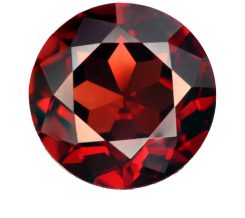 January
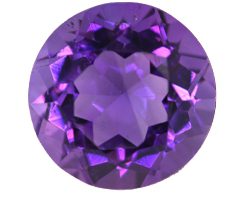 February
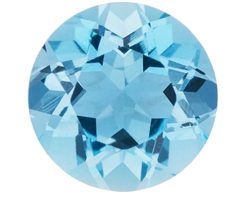 March
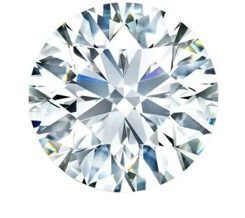 April
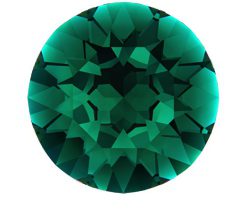 May
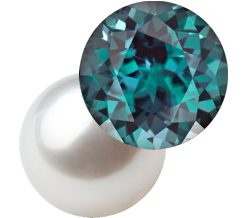 June
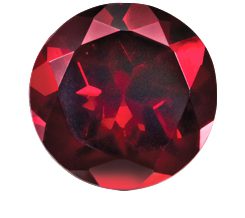 July
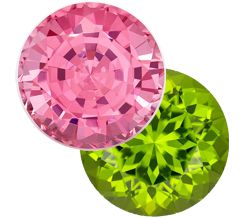 August
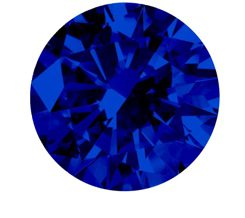 September
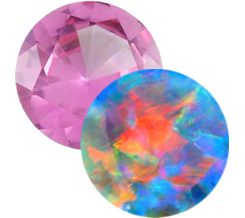 October
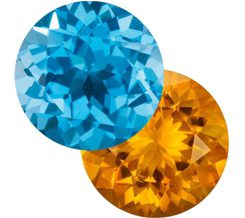 November
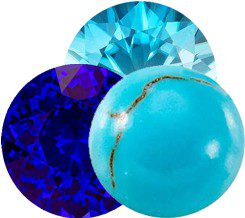 December

 Capricorn - Garnet
 Aquarius - Amethyst
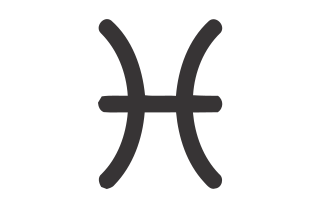 Pisces - Aquamarine
 Aries - Diamond
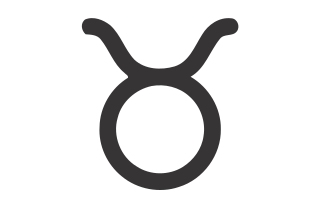 Taurus - Emerald
 Gemini - Pearl
 Cancer - Ruby
 Leo - Peridot
 Virgo - Blue Sapphire
 Libra - Opal
 Scorpio - Topaz
 Sagittarius - Tanzanite



Why Transparent and Translucent Are Not Clarity Grades: Understanding Gemstone Transparency Wording
Gemstone Journal · 10 min read
When shopping for loose gemstones, understanding the terminology around clarity and transparency is essential. Many buyers encounter the terms transparent and translucent, often mistaking them for clarity grades. This article will clarify gemstone transparency wording, differentiating light transmission from inclusion visibility, and explain why transparent and translucent refer to how light passes through a stone rather than its clarity. By learning these distinctions, buyers can better assess loose gemstones and make informed choices.
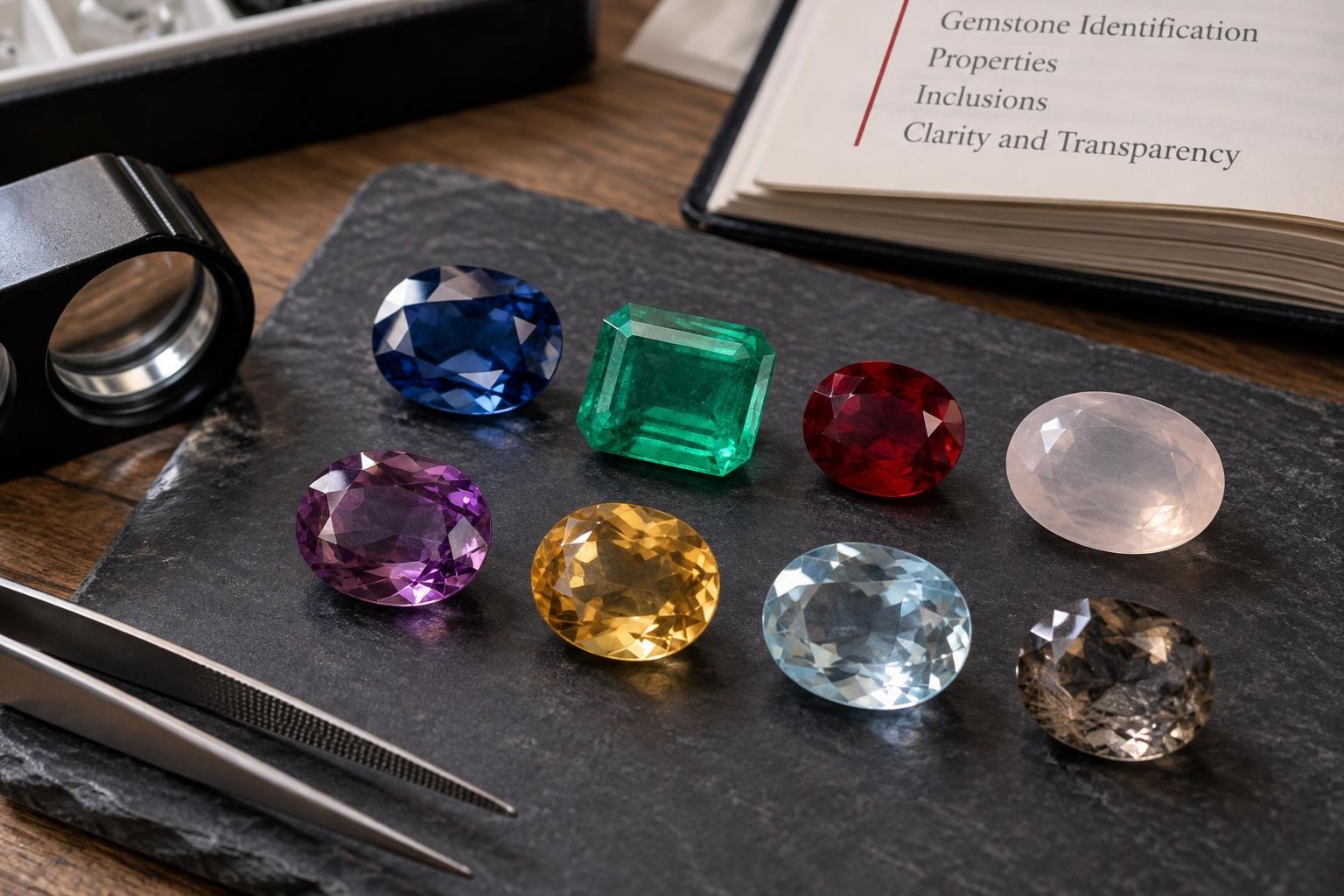
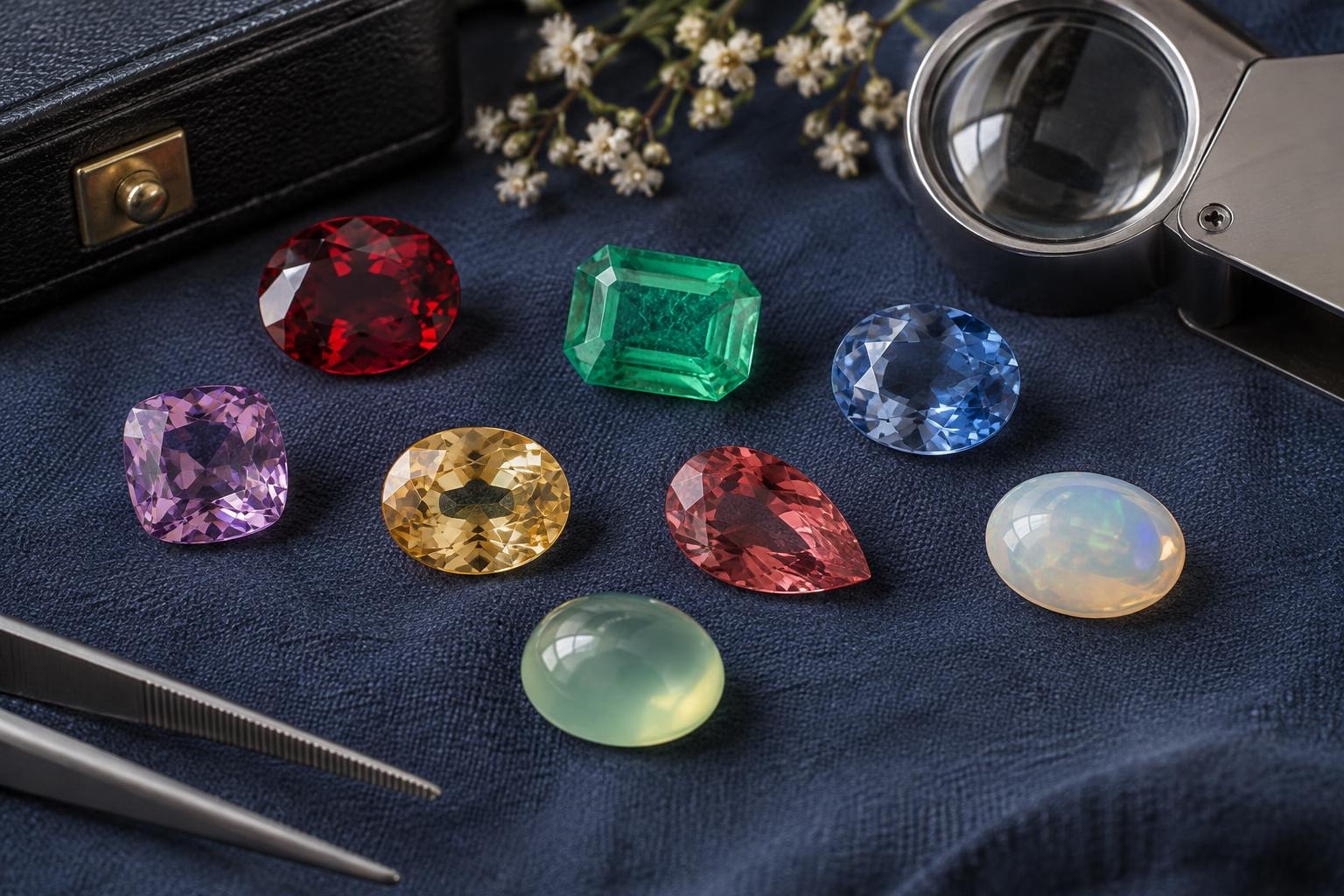
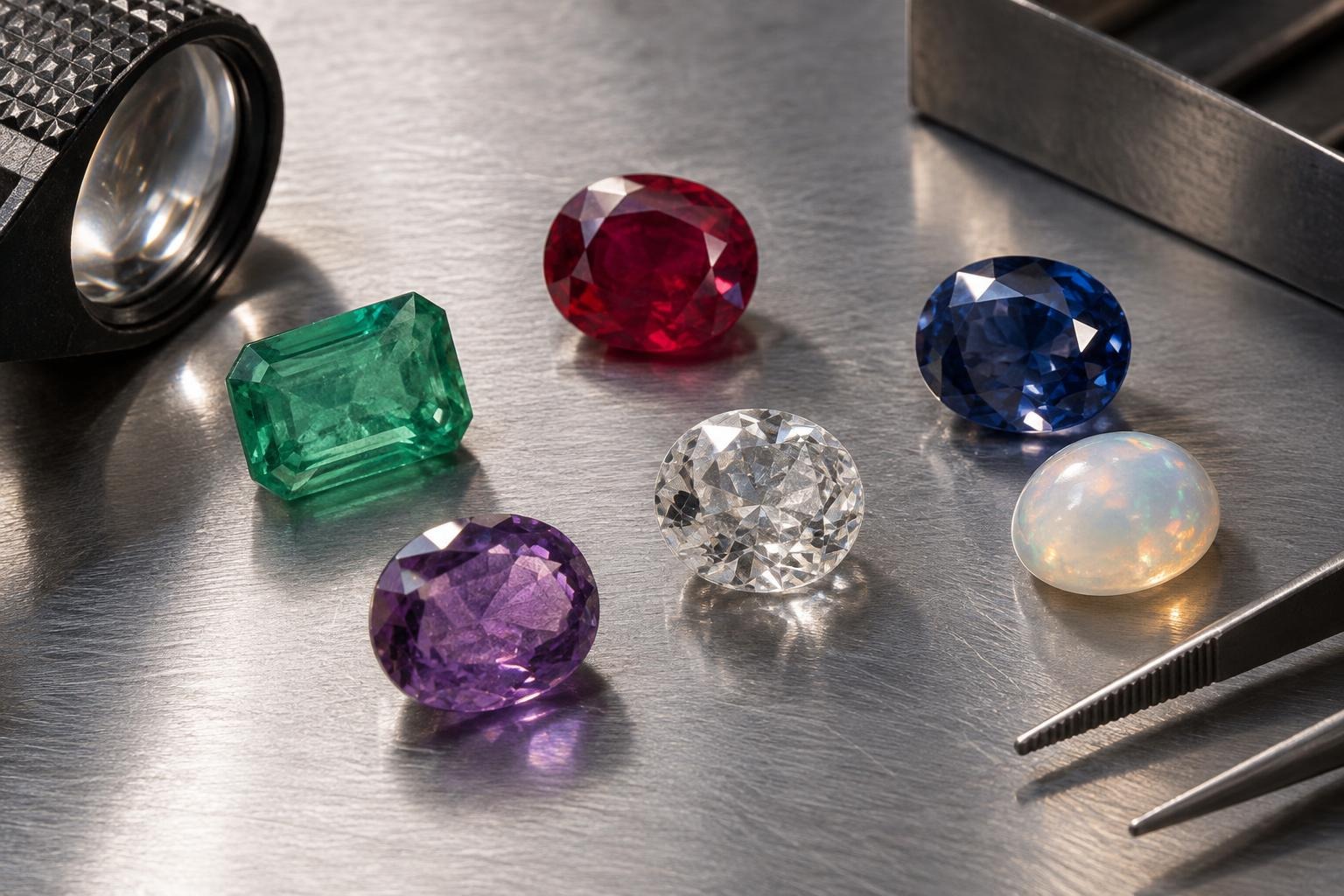
The image is for illustration purposes and is not an actual stock item.
Defining Transparency: Transparent, Translucent and Opaque
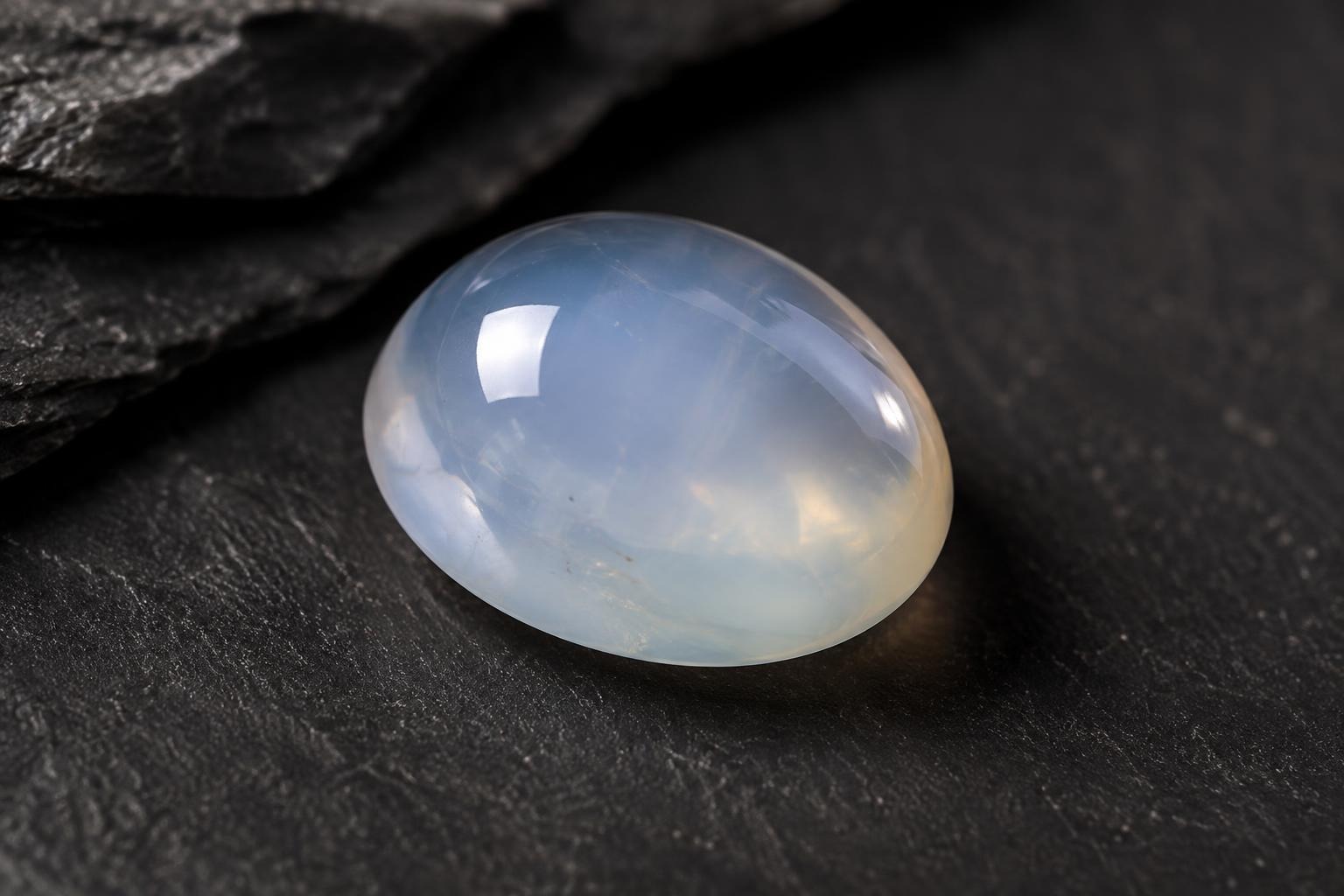
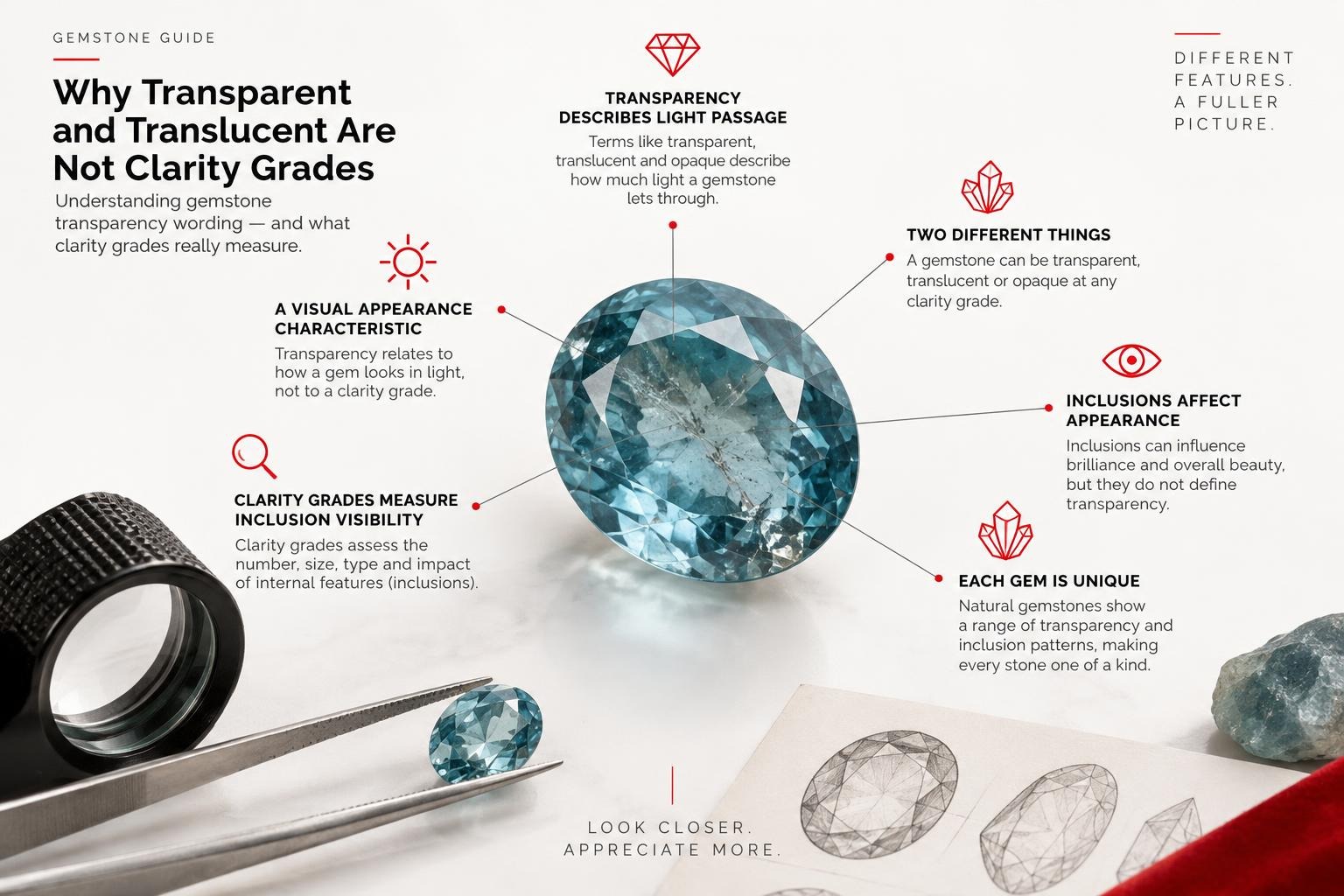
In gemmology, transparency refers to how much light a gemstone allows to pass through it. Transparent stones are clear, letting almost all light pass, allowing objects behind to be seen distinctly. Translucent stones allow some light through but scatter it, so objects behind appear blurred. Opaque stones do not transmit light so viewing through them is impossible. These are optical terms describing the nature of light transmission, not the condition or quality of the stone’s interior.
What Clarity Grades Measure: Inclusion Visibility and Impact
Clarity grading assesses how internal or surface features—called inclusions or blemishes—affect a gemstone’s appearance and value. The focus is on the presence, size, number, type and position of these features and their visibility under standard viewing conditions, often with a 10× loupe. Clarity grades gauge how these features impact brilliance and aesthetic appeal, independent of how much light can pass through the stone.
Separating Transparency from Clarity: Practical Examples
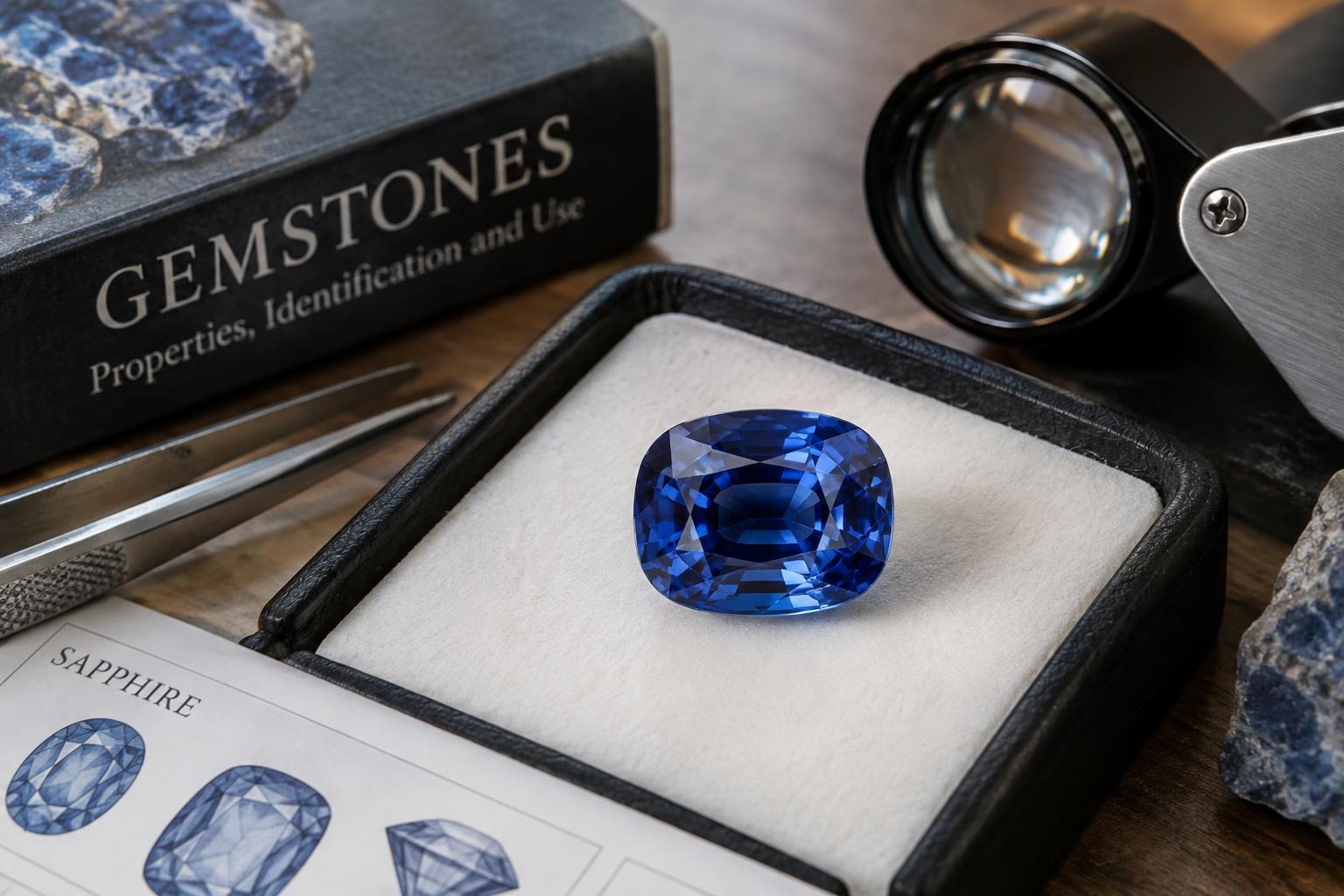
Consider a transparent sapphire that is very clear in appearance but contains tiny inclusions visible under magnification. Its transparency remains high because it transmits light well, but its clarity grade may not be perfect due to inclusions. Conversely, a translucent chalcedony might appear cloudy due to its microcrystalline structure, limiting light transmission, yet have few inclusions and thus a high clarity grade if clarified by gemmological standards. These examples highlight how transparency and clarity independently describe different gemstone qualities.
Limitations of Transparency Terms in Evaluating Gemstones
Transparency is a useful general descriptor but must not be used alone to judge a gemstone’s quality. It cannot reliably indicate clarity, durability or value as it doesn’t inform on inclusions or internal characteristics. Factors like treatment, cutting style and structural features also influence how a gemstone transmits light. Therefore, transparency terms should complement, not replace, formal clarity grading and professional assessment.
Beyond these practical considerations, it is important to note that the terms transparent and translucent lack a standardised measurement scale and are inherently relative. Thus, when one jeweller or description says a gem is transparent, this does not guarantee it meets a precise, repeatable threshold of clarity or light transmission. The extent to which a gemstone is described by these words will vary depending on viewing conditions and individual perception, further underlining their limited role as precise grading terms. In contrast, clarity grades employ defined criteria and magnification tools to assess inclusions objectively, enabling more consistent comparison across stones.
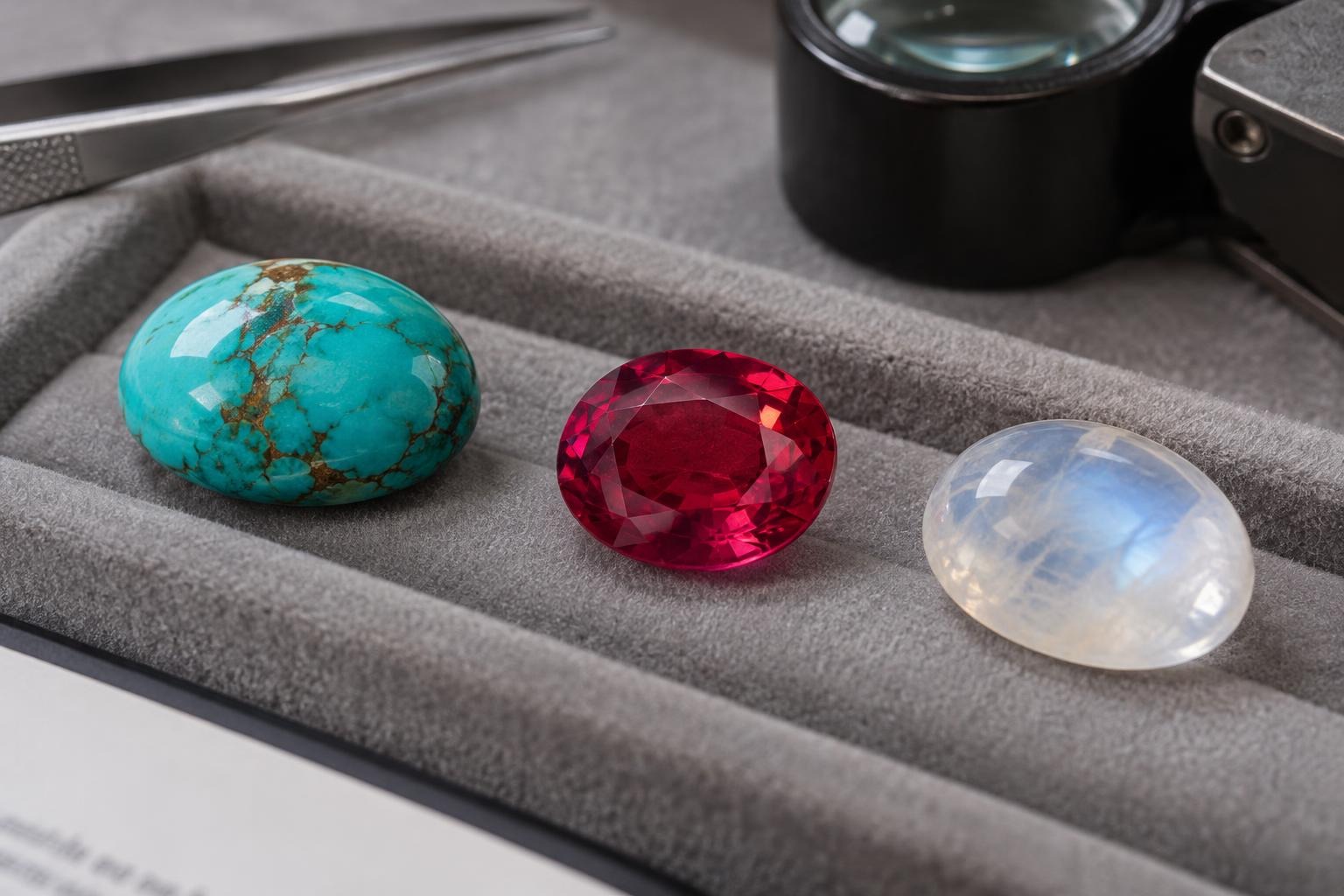
Another key detail is that some gemstones naturally exhibit internal structures or phenomena that influence light diffusion independently of clarity. For example, varieties with fibrous or microgranular textures may appear translucent due to their physical makeup, rather than any faults or inclusions. Hence, a translucent descriptor acknowledges this optical property without implying an internal flaw or lower clarity grade. Buyers should understand that gemstone species and their typical optical behaviour often dictate transparency terminology more than incipient quality or inclusions do.
Furthermore, the interaction between cut and transparency can be subtle but significant. Gem cutters may choose faceting styles that enhance or mask a stone’s natural transparency characteristics. For instance, a facet arrangement might increase the visual sparkle of a semi-transparent gemstone, making it seem more transparent in typical display lighting, while a cabochon cut may highlight diffusion effects. Neither modification directly changes clarity but can affect perceived transparency, illustrating how these concepts are independent yet intertwined in practice.
It is also worth mentioning that external factors like surface polish, scratches or abrasions may influence how light passes through the gemstone superficially, impacting transparency perception. However, such surface features are usually addressed in separate categories—surface condition or finish quality—and are not part of clarity grading focused on inclusions and internal characteristics. This distinction reinforces how transparency descriptions on their own cannot substitute for a comprehensive gemstone evaluation.
Practically, when buyers evaluate loose gemstones online, they should consider transparency wording as an introductory visual guide rather than a definitive statement about quality or value. Requesting supplementary information such as detailed clarity grades, treatment disclosures, and high-quality images or videos is essential for a robust understanding. This approach ensures that transparency descriptions serve as a useful contextual tool, complementing the structured clarity grading rather than confusing or replacing it.
Clarity Grading Standards and Their Relation to Transparency
Organisations such as the Gemological Institute of America (GIA) provide standardised clarity grading scales focusing on inclusion visibility and impact on appearance. These grades range from ‘Flawless’ to ‘Included’ categories. While a gem’s transparency might help describe its overall appearance, clarity grades are assigned after detailed examination often independent of light transmission qualities. Hence, transparency words like transparent and translucent do not equate to these precision clarity grades.
Why Buyers Should Understand the Distinction
Misunderstanding transparency wording can lead buyers to confuse a stone’s light behaviour with clarity quality, potentially resulting in unrealistic expectations or undervaluing/inflating a gemstone’s worth. Knowledge of this distinction helps better interpret product descriptions and lab reports, improving buying confidence and satisfaction when selecting loose gemstones online.
Another practical aspect to consider is that gemstone transparency wording does not quantify the degree of light transmission in a standardised way, making direct comparison between stones based solely on terms like transparent or translucent unreliable. For example, some gemstones classified as transparent may vary in their brilliance and fire due to differences in cutting style, refractive index, or internal strain—all factors unrelated to the mere terminology of transparency. Similarly, translucency can range widely; a lightly translucent stone may still reveal some internal features, while a heavily translucent one might obscure most inclusions. This variability means transparency terms serve better as broad descriptors rather than precise quality measures.
In addition, the visual impact of inclusions can depend significantly on a gemstone’s transparency. In a fully transparent gem, inclusions may be more visible and thus more influential on the clarity grade and perceived quality. However, in a translucent gemstone, inclusions may be masked or less distinct due to light scattering, potentially leading to a discrepancy between perceived clarity and actual inclusion content. Such situations underscore why clarity grading protocols evaluate inclusion characteristics independently, typically under controlled lighting and magnification conditions, rather than relying on natural visibility mediated by transparency.
Furthermore, it is important to recognise that some clarity characteristics affecting gem durability or structural integrity are not reflected in either transparency or inclusions visible to the unaided eye. For example, internal fractures can reduce toughness but may not significantly alter transparency unless accompanied by extensive scattering. Buyers should thus consult clarity grades and professional gemmological reports that document these features through systematic examination, reinforcing that transparency wording cannot substitute for comprehensive clarity evaluation.
From a buying perspective, transparency wording is helpful for setting expectations about a gemstone’s visual appearance once set or viewed in hand. For instance, transparent stones typically offer more brilliance and fire when faceted, while translucent stones often yield a softer, diffused glow, commonly appreciated in cabochons or certain gem varieties. Understanding this distinction assists buyers in choosing gemstones that align with their aesthetic preferences, without conflating these optical traits with clarity-related value factors.
Finally, while transparency terminology does not address inclusions, it remains relevant when paired with clarity information to provide a more complete picture of gem quality. For example, a transparent gemstone with excellent clarity will generally present as cleaner and more radiant, appealing for collectors prioritising brilliance. Meanwhile, a translucent gemstone might be chosen more for its distinctive optical effects or colour characteristics than clarity alone. Such nuanced understanding empowers buyers to evaluate descriptions critically and request detailed clarity assessments where clarity is a key concern.
Common Misconceptions and How to Avoid Them
A common misconception is equating transparency with absence of inclusions. A transparent gemstone may still have visible inclusions, affecting clarity grade. Another is using translucency as a negative indicator, while it is simply a different optical property that adds charm to certain gemstone varieties. Buyers should request formal clarity grading from reputable gemmological labs instead of relying on transparency wording alone.
It is also important to clarify that transparency terms such as transparent and translucent are inherently qualitative and subjective, lacking a universally standardised measurement. Unlike clarity grades, which follow protocols involving specific magnifications and lighting conditions for assessing inclusions, transparency descriptors depend largely on visual impression under natural or standardised lighting. As a result, two gemstones described as transparent may still exhibit noticeable differences in how much and how clearly light passes through them, influenced by factors like internal microstructure, surface polish quality, or even cutting technique. This lack of quantification limits the reliability of transparency wording when used alone to compare or appraise gemstones.
Moreover, the nature of gemstone varieties means transparency can interact with colour and optical phenomena in complex ways. For instance, coloured transparent stones may appear richer or deeper depending on light passing through them, while some translucent gemstones demonstrate unique effects such as asterism or chatoyancy precisely because light diffusion occurs. These optical characteristics are unrelated to clarity grading yet contribute significantly to a gemstone’s appeal and perceived quality. Buyers should thus consider transparency terminology alongside knowledge of species-specific features rather than assuming these terms represent an all-encompassing quality metric.
Practical buying scenarios illustrate these nuances further. A buyer selecting a transparent faceted ruby might prioritise clarity grading to identify eye-clean stones without large, visible inclusions that detract from brilliance. Conversely, purchasing a translucent jade cabochon requires appreciation of its light diffusion properties, where traditional clarity grading focused on inclusions may be less relevant because the microgranular structure naturally reduces transparency. In such cases, understanding that transparency wording frames appearance rather than clarity helps avoid misinterpretation.
It is also worth noting that some inclusions or internal characteristics, such as gas bubbles or growth zoning, may subtly affect light transmission without strongly impacting clarity grades. For example, microscopic inclusions might scatter light enough to reduce perceived transparency in certain viewing conditions but remain insignificant in terms of clarity grading because they are not readily observable or impactful on overall aesthetic. This distinction emphasises why formal clarity grading and transparency description serve complementary but distinct purposes in gemstone evaluation.
Finally, it is essential for buyers to seek detailed information and, where possible, professional certification or reports that explicitly separate clarity grading from general optical descriptions. This approach enables a comprehensive understanding of the gemstone’s qualities, ensuring decisions are based on documented evidence rather than solely on generalised or ambiguous transparency wording. Combining transparency terms with clarity grades, treatment disclosures, and quality imagery offers the best foundation for informed loose gemstone purchases.
Using Transparency Wording Effectively When Buying Loose Gemstones
When shopping for loose faceted gemstones, treat transparent and translucent as descriptive terms of appearance related to light. Combine this with detailed clarity grading, treatment disclosure and photographic evidence when available. For more on clarity grading, see our detailed guide at iGemz, helping you understand how inclusions affect value without confusing this with transparency. Being aware of these nuances ultimately results in smarter and more satisfying gemstone purchases.
Your questions, answered
Is 'transparent' the same as 'flawless' in gemstone grading?
No. 'Transparent' describes light passing through a gemstone, whereas 'flawless' is a clarity grade indicating no visible inclusions or blemishes under magnification.
Can a translucent gemstone have a high clarity grade?
Yes. Translucency describes how light scatters in the stone, not inclusions. A translucent gemstone can have few inclusions and a high clarity grade.
Should I rely on transparency terms when buying loose gemstones online?
Transparency terms help describe visual appearance but should be complemented with clarity grades and professional assessments for a comprehensive evaluation.
Do clarity inclusions always affect transparency?
Not necessarily. Some inclusions may not significantly reduce transparency but still affect clarity grading based on their visibility and impact.
Where can I learn more about gemstone clarity and grading?
Refer to established gemmological guides like the Gemstone Clarity Grading guide on the iGemz website to understand clarity grading in detail.
Find a colour that speaks to you.
Explore our extensive collection of loose faceted gemstones and cabochons to find stones described using accurate transparency wording alongside professional clarity grading.