



 1st - Gold


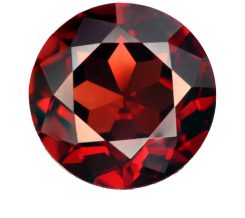 January
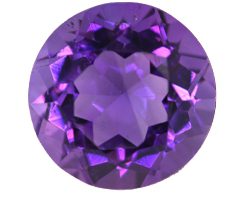 February
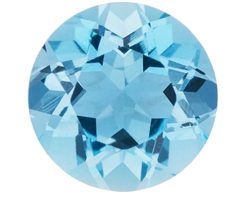 March
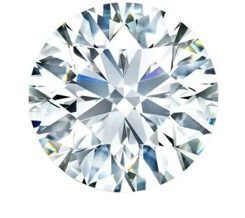 April
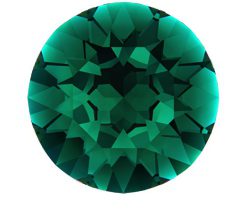 May
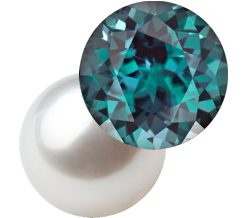 June
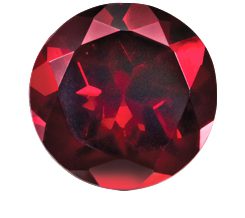 July
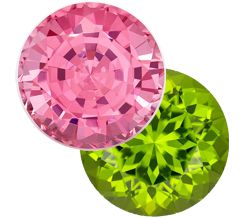 August
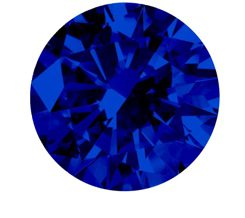 September
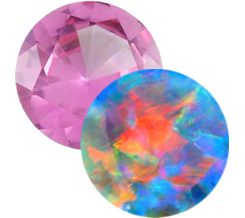 October
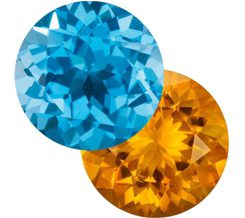 November
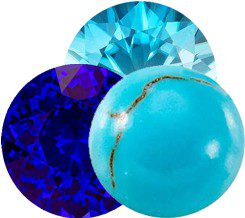 December

 Capricorn - Garnet
 Aquarius - Amethyst
 Pisces - Aquamarine
 Aries - Diamond
 Taurus - Emerald
 Gemini - Pearl
 Cancer - Ruby
 Leo - Peridot
 Virgo - Blue Sapphire
 Libra - Opal
 Scorpio - Topaz
 Sagittarius - Tanzanite



Reading No Indications of Heating Carefully: Understanding Gemstone Heating Report Wording
Gemstone Journal · 9 min read
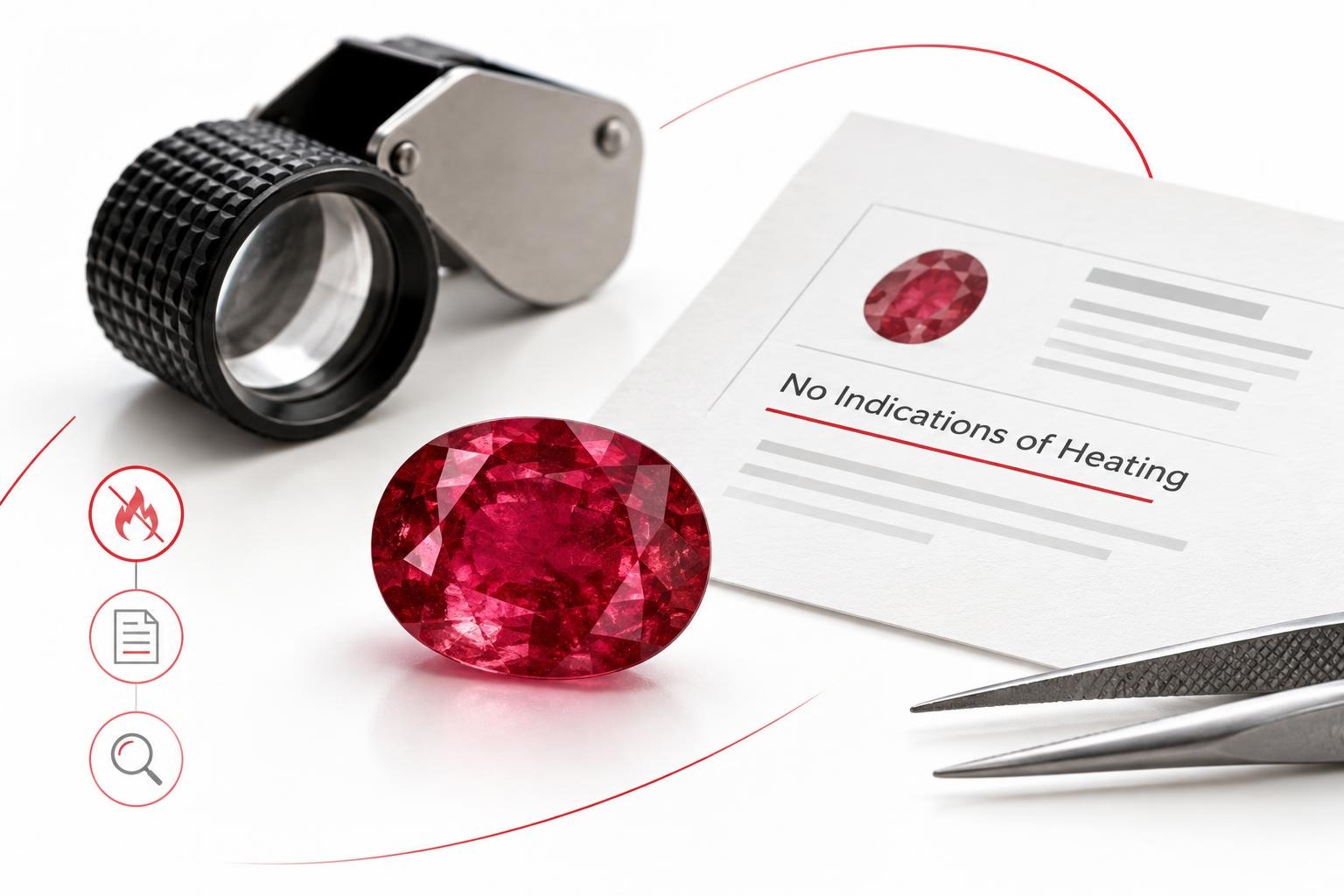
Gemstone heating is one of the most common treatments applied to improve colour and clarity in various gems. When reviewing laboratory reports or treatment disclosures, buyers often encounter the phrase ‘no indications of heating’ or similar wording. Understanding gemstone heating report wording is crucial to interpreting these statements properly and making informed decisions. This article explains this specialised phrasing clearly, showing the limits of what it means, the evidence it is based on, and the practical questions it raises for anyone buying loose gemstones.
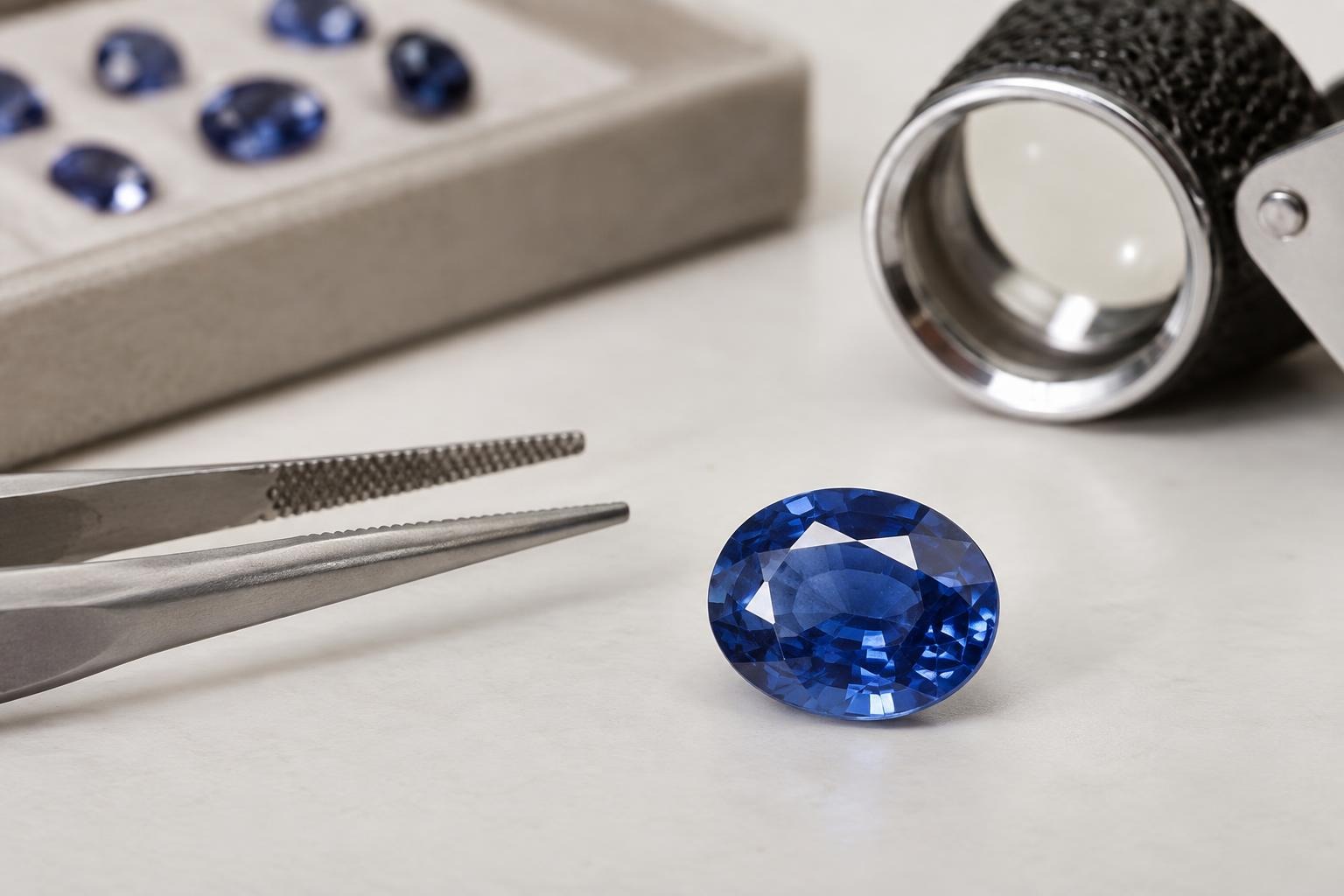
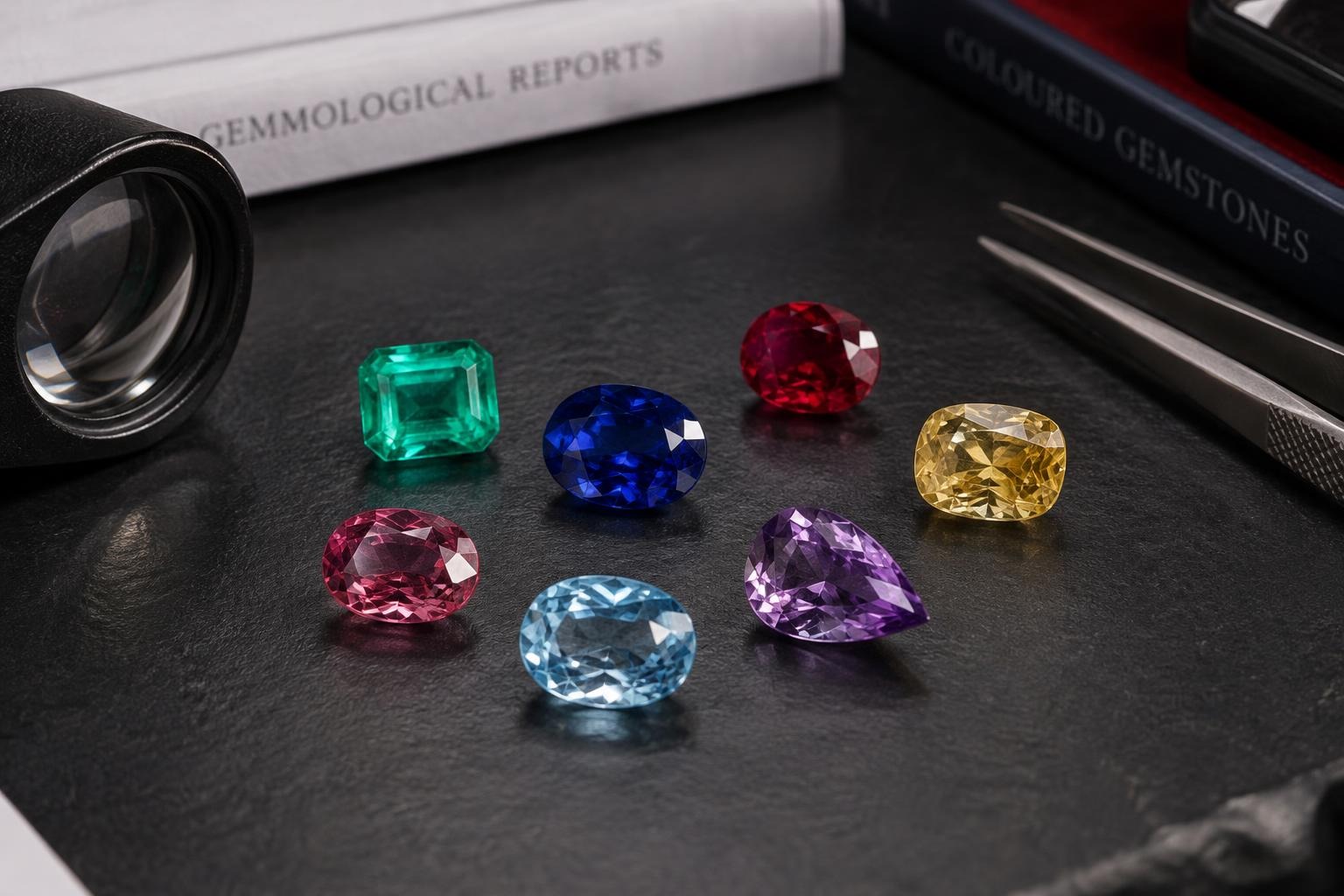
The image is for illustration purposes and is not an actual stock item.
What Gemstone Heating Report Wording Actually Means
When a gemmological laboratory uses the wording ‘no indications of heating’ in a report, it is referring to the absence of detectable signs that the gemstone has been subjected to heat treatment. This does not mean that the stone is confirmed as completely untreated, nor does it extend to other treatments such as irradiation or filling. It simply reflects the laboratory’s examination outcomes based on the chosen methods and tested parameters.
The phrase is precise and narrowly scoped. It indicates that under the conditions and techniques applied during testing, no convincing evidence like internal features, colour zoning, or microscopic inclusions indicating heat exposure was observed. This cautious wording is common because some treatments may be subtle or difficult to detect depending on the stone’s species or the sophistication of the heating process.
The use of such wording is important to avoid absolute statements that can mislead. It respects the limits of current gemmological science while still providing useful information relevant to buyers and sellers.
Types and Limits of Evidence in Detecting Heating
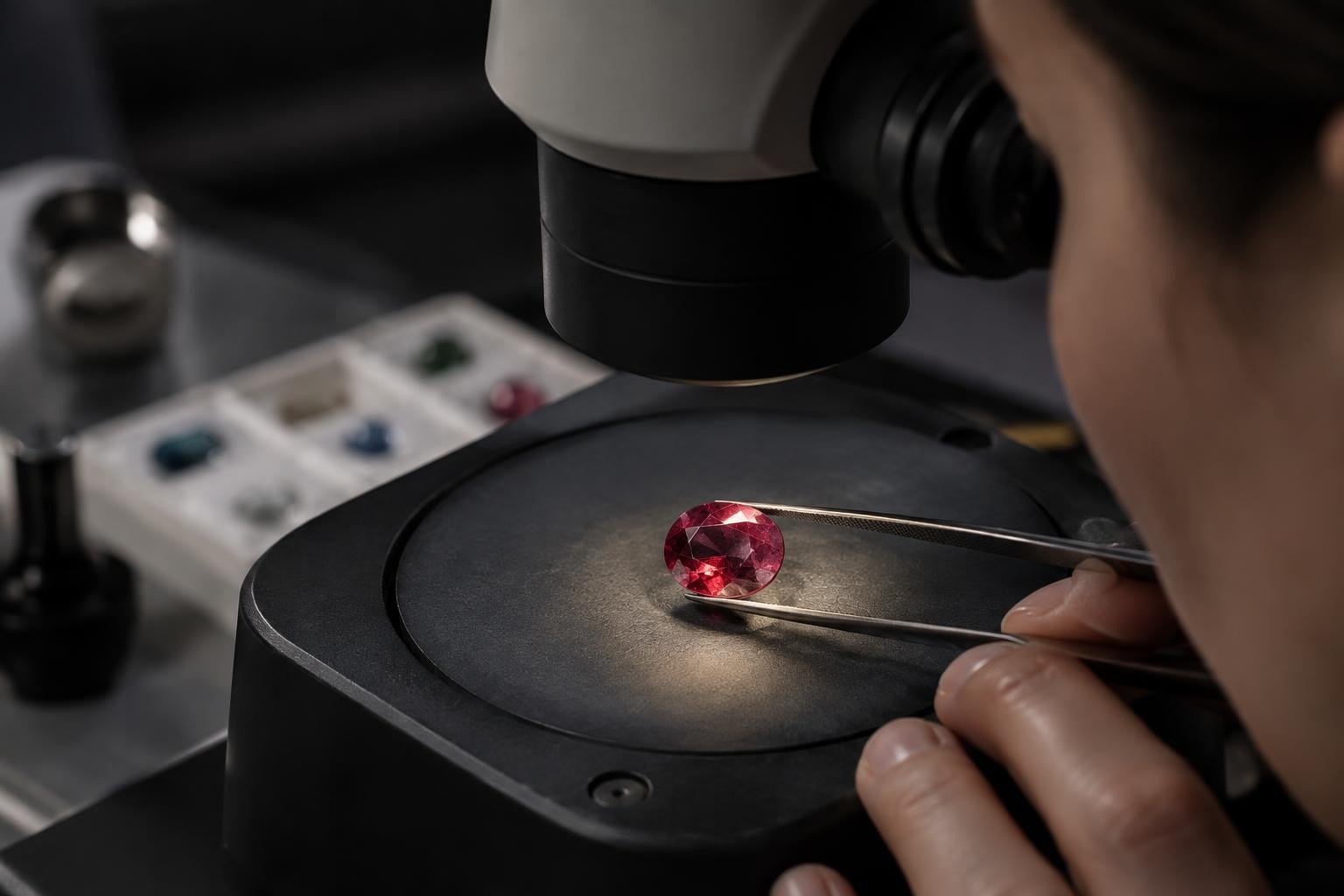
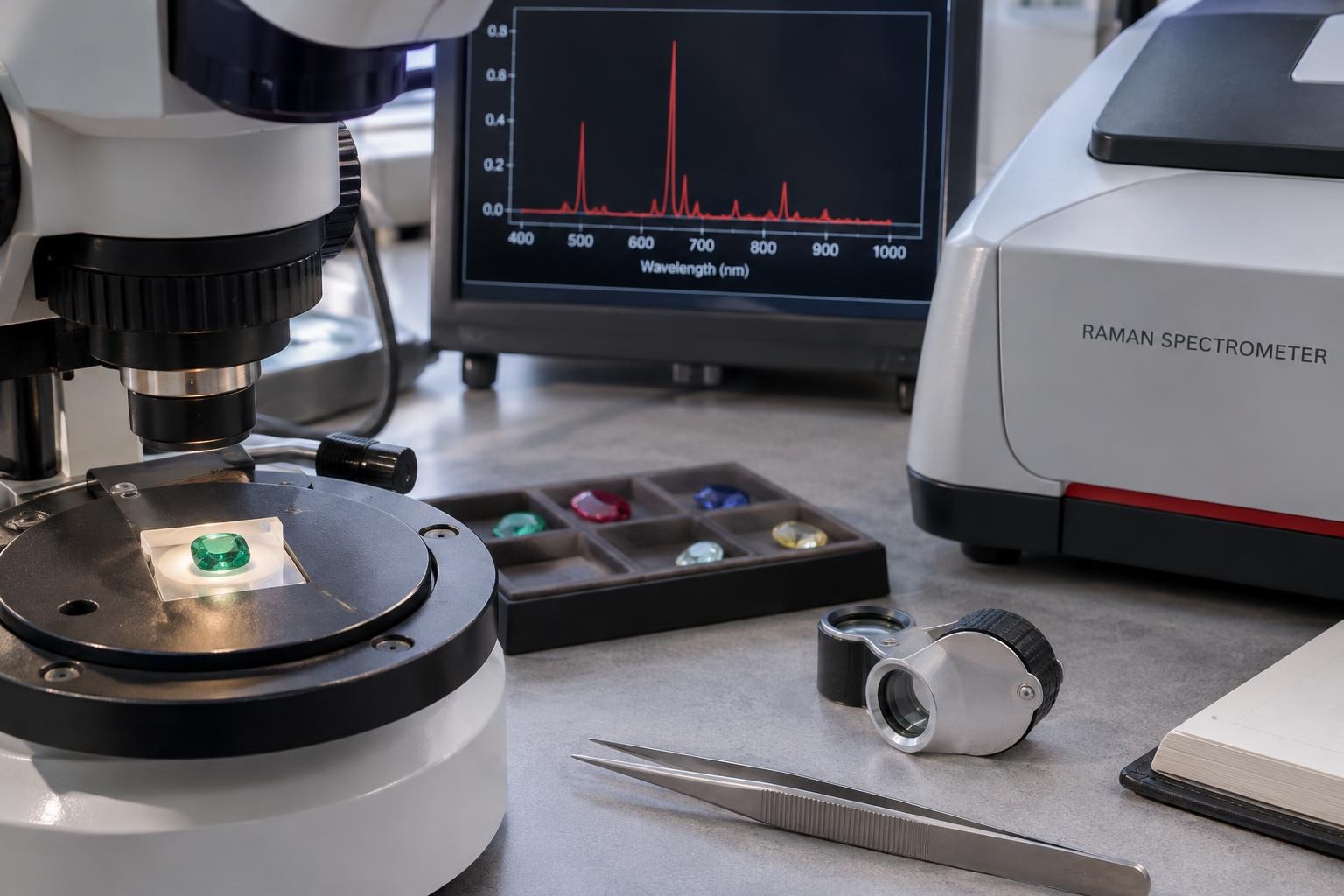
Laboratories employ various microscopy techniques, spectroscopy, and sometimes advanced analytical methods to detect treatment evidence. Observable signs of heating often include altered inclusions, fractures, or changes in the internal structure of the gemstone that are typical outcomes of heat exposure.
However, not all heat treatments produce easily visible effects, especially when advanced or low-temperature heating is used, or when the gemstone species reacts differently. This means laboratories might not always detect heating even if it’s been applied.
Moreover, some gemstones cannot be reliably tested for heat treatment with current technology. Therefore, ‘no indications of heating’ is a statement limited by both the laboratory’s equipment and the experience of the assessors.
It’s also critical to distinguish documented treatments from assumptions or guesses based on visual impressions or geographic origin, which are outside the scope of laboratory reporting.
Common Variations in Gemstone Heating Report Wording
Different laboratories use slightly different phrases that can be confusing. For example, ‘no evidence of heating’, ‘no indications of heat treatment’, or ‘heated not detected’ may all appear similar but can have varying implications based on the lab’s standard wording policies.
Most reputable labs standardise their phraseology to manage buyer expectations accurately. It is important to check a laboratory’s specific definitions and disclaimers for these phrases, usually found in the report’s notes or on the lab’s website.
Buyers should be wary of any report not issued by an independent gemmological lab or that uses ambiguous language without clear explanation of what was investigated. The phrase cannot be taken as a blanket guarantee that a gemstone is fully natural or untreated in every sense.
Distinguishing Heating from Other Treatments in Reports
Heating is only one type of treatment among many others like dyeing, irradiation, coating, or fracture filling. The phrase ‘no indications of heating’ does not imply anything about these other treatments, some of which may still be present but undetected if not specifically tested for.
Reports will usually disclose other treatments separately and explicitly if found, or state that other treatments were not investigated. That makes it important for buyers to read all parts of a report carefully, not only the heating statement.
Expert gemmological examination can often distinguish between heat treatment and other methods because each affects the gemstone’s properties differently. However, this requires specific testing protocols tailored to the gemstone’s species.
Practical Questions to Ask When Reading No Indications of Heating
If you receive a report stating ‘no indications of heating’, practical questions can clarify what that means for your purchase. For example, was the stone tested for other treatments? What methods were used to detect heating? Is the report from a recognised independent laboratory? How recent and comprehensive is the report?
Asking if the report includes a laboratory’s glossary or policy on treatment detection can also help. Understanding the limits of detection means buyers can set realistic expectations rather than seeking absolute certainties.
The phrase is helpful but does not replace expertise or direct communication. Buyers may want to request further details or additional testing if heating status is crucial to their choice.
Illustrative Examples to Understand Report Phrasing Limits
Consider an example: a sapphire report states ‘no indications of heating’. This means the gem has not shown detectable heat treatment signs. However, the sapphire could still have undergone subtle heating or other treatments like diffusion enhancement, which are not covered by or detectable with the used methods.
Another scenario is a ruby report from a lab that tested only for heating and found none, yet the stone may have been fracture-filled. These examples demonstrate why ‘no indications of heating’ must be taken within the full context of the report’s scope.
In practice, if treatment status influences your buying decision significantly, obtaining a full laboratory report that covers all common treatments for that gemstone variety is advisable. This approach safeguards against misunderstandings and incorrect assumptions.
How to Verify Sources and the Importance of Reliable Reports
Always verify the origin of treatment reports to ensure they come from reputable, properly accredited gemmological laboratories. Independent labs with clear testing protocols and transparent wording standards give more reliable information than informal or commercial evaluation statements.
Beware of differences between laboratory reports issued on loose gemstones and certificates that include valuations or appraisals, as their wording and intent differ. Only reports from acknowledged gemmological laboratories should be trusted to interpret ‘no indications of heating’ accurately.
If unsure, consult a qualified gemmologist or jeweller experienced in treatments and reporting standards. They can help interpret report wording correctly and advise how to proceed based on knowledge of gemstone species and typical treatments.
Summary: Interpreting 'No Indications of Heating' With Caution
The phrase ‘no indications of heating’ is a cautious technical statement summarising the absence of detectable heat treatment evidence during a laboratory’s examination. It does not guarantee absence of all treatments, nor absolute natural status.
Understanding the phrase fully requires knowledge of its scientific limits, the specific methods used, and the laboratory’s reporting practices. Buyers should read this wording as one useful piece of objective, but not exhaustive, information.
By combining the report insights with other buying considerations such as species characteristics, price, provenance documentation, and expert advice, buyers can make well-informed gemstone choices.
For more on understanding gemstone treatment and certification, see our comprehensive guide on how gemstones are graded and certified (https://www.igemz.co.za/how-gemstones-are-graded-and-certified/).
Further Reading and Related Guides
To deepen your knowledge on gemstone treatments and their disclosure, explore these authoritative iGemz resources:
• Understand differences among treatment types with specific species guides, for example, the detailed Sapphire and Ruby buying guides (https://www.igemz.co.za/sapphire-buyers-guide-properties-treatments-value/ and https://www.igemz.co.za/ruby-buyers-guide-properties-treatments-value/).
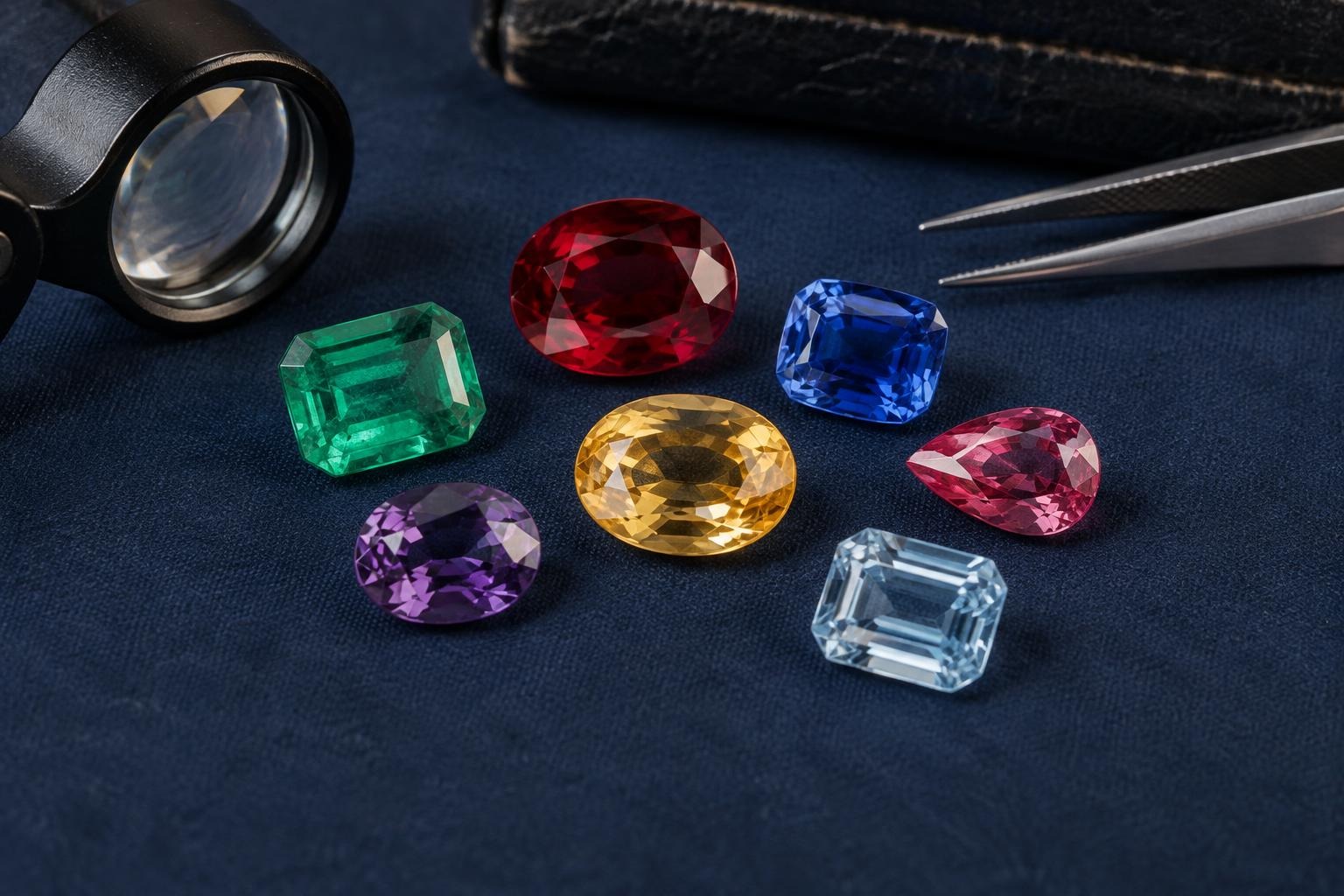
• Learn how illumination can affect gemstone appearance, which may influence perceived colour related to treatment (https://www.igemz.co.za/why-the-same-gemstone-looks-different-in-different-lighting/).
• Compare treatment disclosure standards for various labs and what to expect within reports (https://www.igemz.co.za/gemstone-lab-certification/).
It is important to recognise that the phrase ‘no indications of heating’ strictly reflects the limits of detection techniques used at the time of examination. Laboratories employ a range of scientific instruments such as infrared spectroscopy, ultraviolet-visible (UV-Vis) spectroscopy, and advanced microscopy to observe structural or chemical changes consistent with heating. Despite these technologies, some heat treatments may leave minimal or indistinct traces, especially if performed under low temperatures or utilising newly developed heating protocols that cause subtle alterations. Therefore, a statement of ‘no indications’ underscores the absence of detectable evidence rather than the absolute absence of any heat treatment.
Additionally, the specific gemstone species plays a critical role in treatment detectability. For example, corundum (sapphires and rubies) often shows more distinct signs of heating due to characteristic inclusion patterns or colour zoning changes whereas other species such as spinel or garnet may present fewer diagnostic features and thus pose greater analytical challenges. This variability means that identical wording across reports does not always carry the same level of certainty for each gem type. Buyers should remain aware that the report’s scope usually focuses on the tested species and may not be directly transferable to different varieties without additional investigation.
In practical terms, when a buyer encounters ‘no indications of heating’ in a report, it is prudent to consider the laboratory’s accreditation status and the report’s date in relation to current scientific advances. Laboratories continuously refine their detection methods, so older reports, while useful, might lack the sensitivity of more recent examinations. If the gemstone is of significant value or rarity, seeking the latest report from a top-tier independent lab may provide greater confidence.
Moreover, understanding the distinction between the reported phrase and terms like ‘natural untreated’ is crucial. Some reports explicitly state ‘natural and untreated’ only after exhaustive testing, whereas ‘no indications of heating’ stops short of confirming untreated status. This nuance helps avoid over-interpretation that could lead to unrealistic expectations or disputes after purchase.
The phrase also typically does not address historical treatments that are no longer detectable due to gem alteration over time or mild heat modifications during earlier processing stages. This limitation reflects the evolving nature of both treatment techniques and gemmological detection capabilities, emphasising that ‘no indications of heating’ is an evolving concept rather than an immutable fact.
Importantly, purchasers should be aware that ‘no indications of heating’ is not synonymous with absence of ethical or environmental considerations related to gemstone origin and enhancement practices. The phrase addresses solely the presence or absence of evidence for heating treatment and does not comment on the gem’s provenance, mining conditions, or supply chain transparency.
In essence, readers should interpret ‘no indications of heating’ as a snapshot based on current analytical protocols and report scope rather than definitive proof of a gemstone’s complete naturalness. When combined with careful reading of the full laboratory report and consultation with gemmological experts, this phrase becomes a valuable component of informed gem buying rather than a standalone guarantee.
Your questions, answered
What does 'no indications of heating' mean in a gemstone report?
It means the laboratory did not find any clear evidence that the gemstone has been heat treated. However, it does not guarantee the stone is entirely untreated or natural.
Can a gemstone with 'no indications of heating' still have other treatments?
Yes, this wording only relates to heating. The gemstone might have undergone other treatments such as fracture filling or irradiation, which require separate testing.
Are all labs’ ‘no indications of heating’ phrases the same?
No. Different labs have various phrase standards and testing protocols. Always check the specific lab’s glossary or report notes for precise meanings.
Does 'no indications of heating' mean the gemstone is completely natural?
Not necessarily. It only states that heat treatment signs were not detected. Other treatments or enhancements might still be present or undetectable with current methods.
How can I be sure about a gemstone’s treatment status?
Request a full laboratory report from a reputable lab covering all common treatments for that gemstone. Consult an experienced gemmologist for interpretation if needed.
Find a colour that speaks to you.
Explore iGemz’s extensive catalogue of loose faceted gemstones and cabochons to find your perfect gem. Shop now for transparent treatment disclosures and expert guidance.