


 1st - Gold

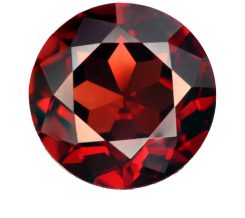 January
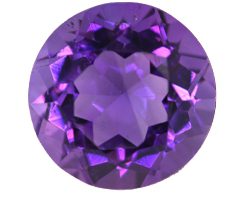 February
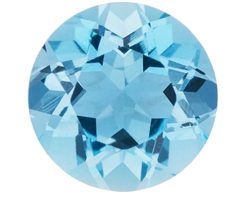 March
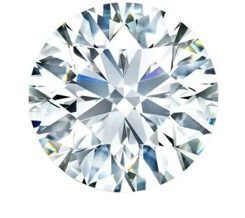 April
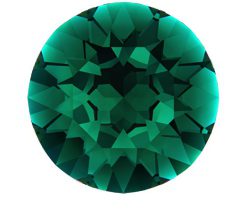 May
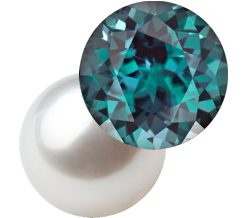 June
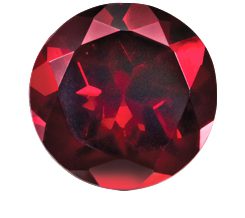 July
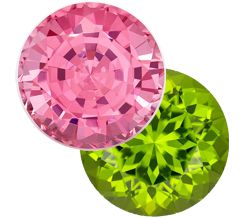 August
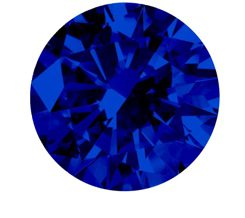 September
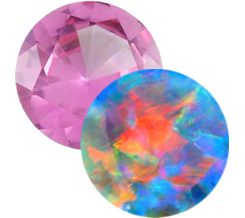 October
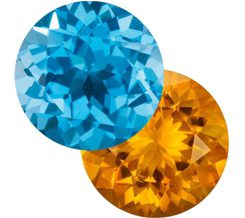 November
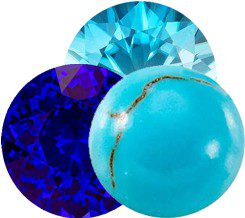 December

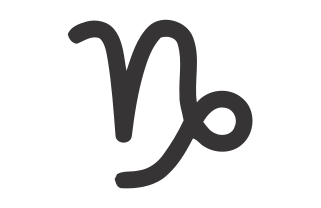 Capricorn - Garnet
 Aquarius - Amethyst
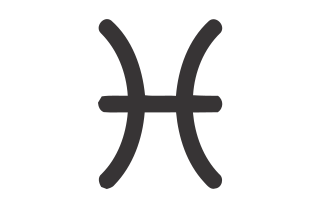 Pisces - Aquamarine
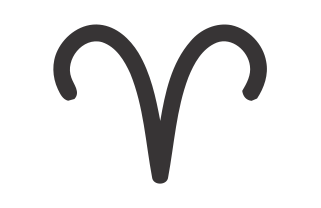 Aries - Diamond
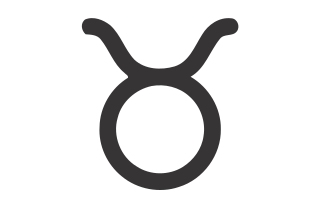 Taurus - Emerald
 Gemini - Pearl
 Cancer - Ruby
 Leo - Peridot
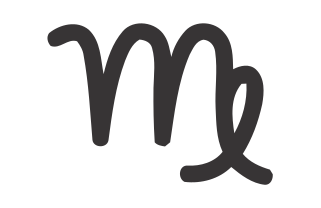 Virgo - Blue Sapphire
 Libra - Opal
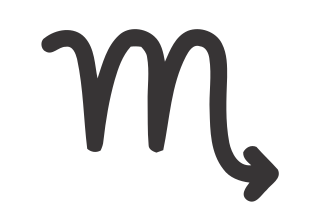 Scorpio - Topaz
 Sagittarius - Tanzanite



How a Gemstone’s Pavilion Affects the Questions You Ask About Fit
Gemstone Journal · 10 min read
When selecting loose gemstones to set in jewellery, the term gemstone pavilion clearance often arises in discussions about fit. This facet of the gemstone’s profile influences how it will sit within a mounting, particularly affecting its security and visual harmony. While no universal depth ratios apply to all gemstones, understanding pavilion clearance helps buyers and jewellers make informed decisions. This article explains pavilion clearance in plain language, underscores the limitations of relying on generic formulas, and offers practical questions for evaluating gemstone fit with professional gemmological insights.
The image is for illustration purposes and is not an actual stock item.
What Is Gemstone Pavilion Clearance?
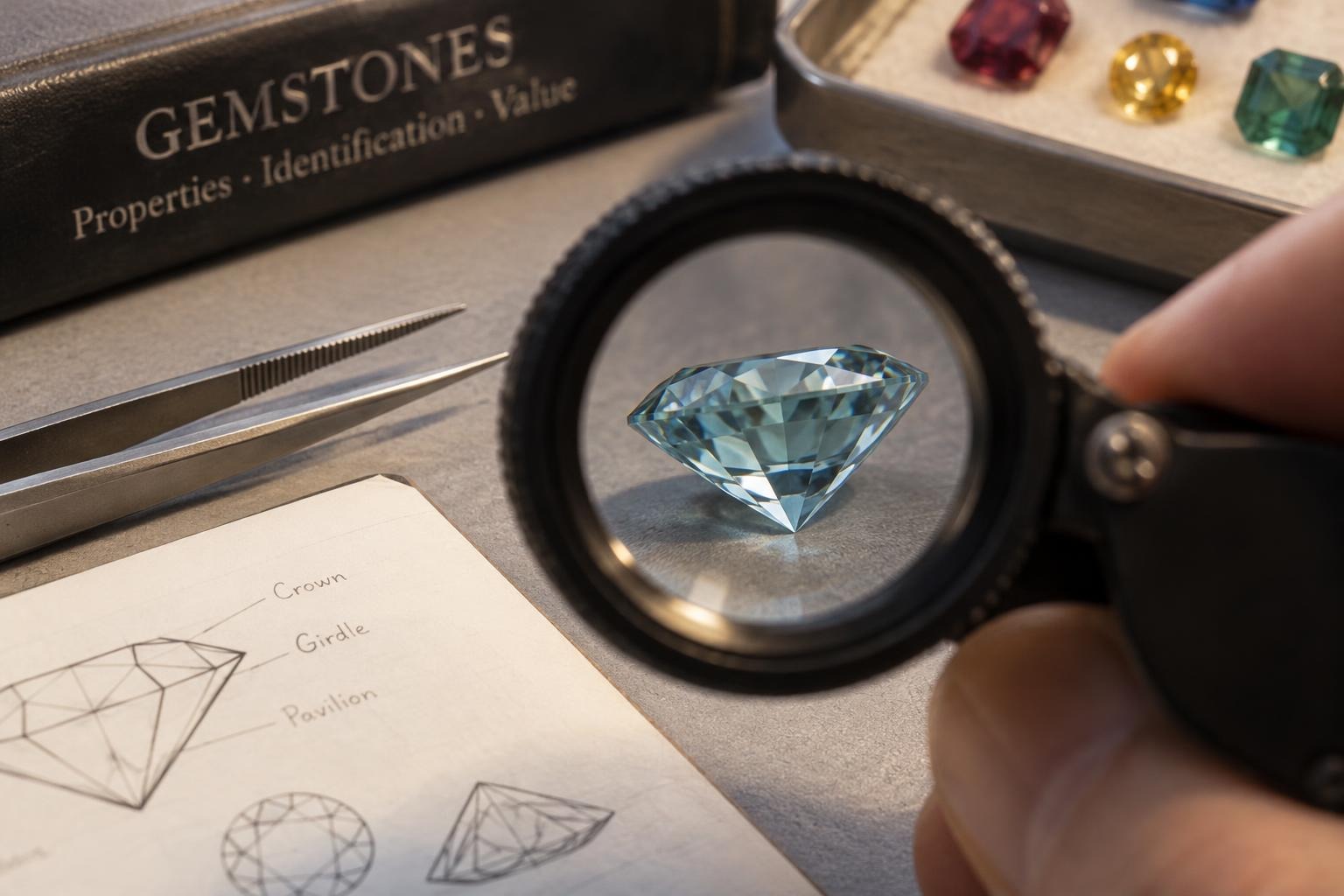
The pavilion is the portion of a faceted gemstone beneath the girdle, extending down to the culet. Pavilion clearance describes the interplay between this profile and the setting into which the gemstone is fitted. Essentially, it is the amount of space or room needed beneath the stone to accommodate its pavilion without interference.
Why is this important? A pavilion that is too deep for a given setting might not seat properly or could become insecure. Conversely, excessive clearance may lead to unwanted movement or gaps, compromising stability. Jewellers need to account both for the pavilion’s shape and size as well as the thickness and construction of the mounting.
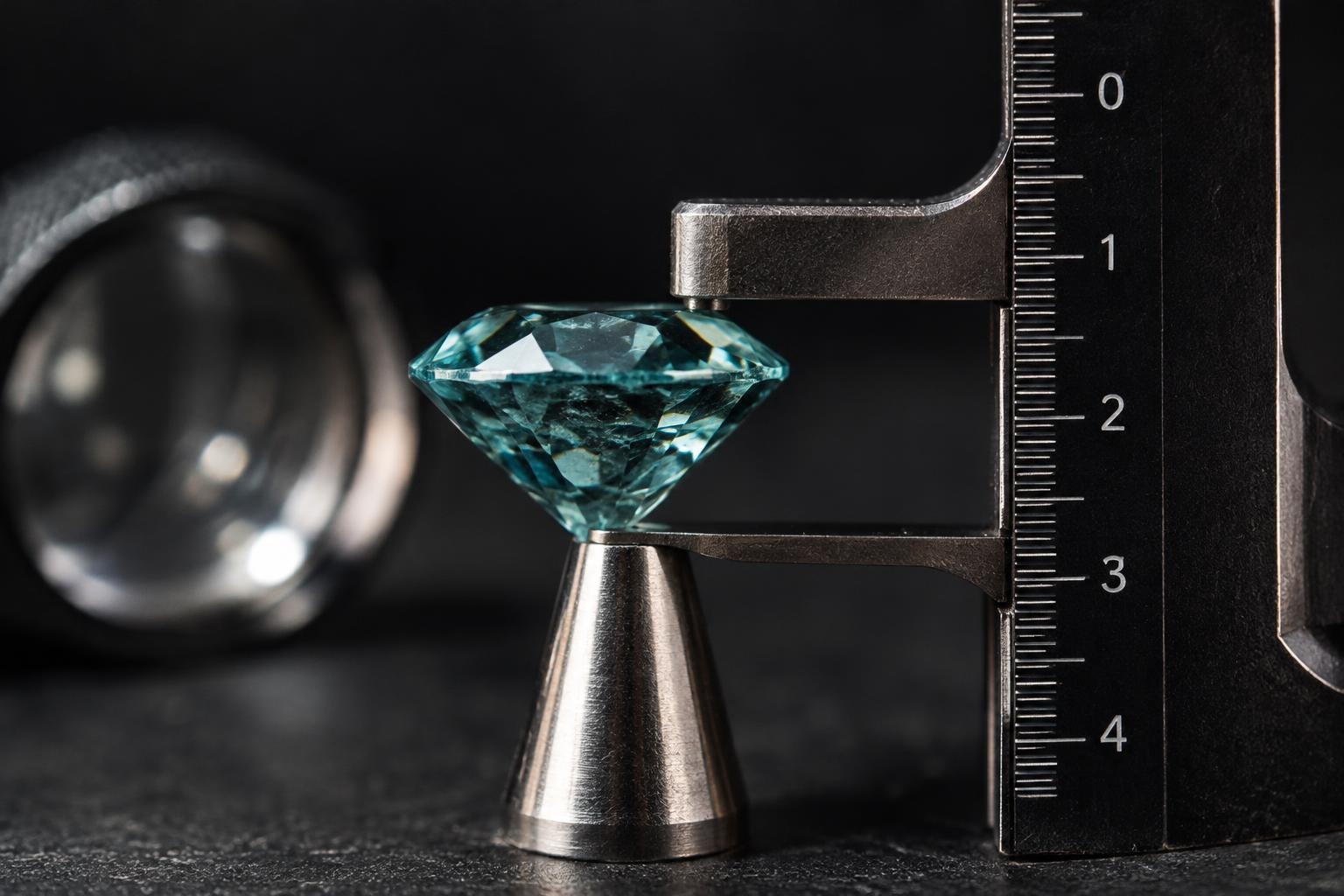
Since a pavilion’s shape varies significantly depending on the gem species, cut style and carat size, pavilion clearance is not a fixed measurement but a dynamic relationship influenced by multiple factors.
Understanding Profile Information in Gemstones
Profile information refers to measurements and angles that describe the pavilion’s shape and depth. Gemmological reports may include basic dimensions (like pavilion depth percentage relative to total gem depth) and angles, but these are rarely standardised across different gemstone species or varieties.
Different gemstones have different refractive indices and hardness, which affect ideal pavilion proportions. For example, a sapphire’s pavilion profile differs from that of a garnet even if they share a similar cut. Thus, relying on generic ratios or averages is often insufficient.
When buying loose gemstones, it is helpful to ask sellers for detailed profile diagrams or measurements if available. This data supports understanding how the stone’s pavilion will interact with a specific jewellery mounting and allows jewellers to tailor their setting designs accordingly.
Why There Are No Universal Depth Ratios for Pavilion Clearance
Gemstones come in various species, each with unique physical and optical properties. This diversity means that pavilion proportions optimised for brilliance and durability differ widely. Cutters consider these characteristics when faceting a stone, resulting in wide-ranging pavilion depths and angles.
Moreover, the final size and shape of the gemstone and the intended jewellery design further complicate the notion of a single depth ratio standard. For example, an oval cut tourmaline’s pavilion clearance needs contrast greatly with that of a round brilliant cut zircon.
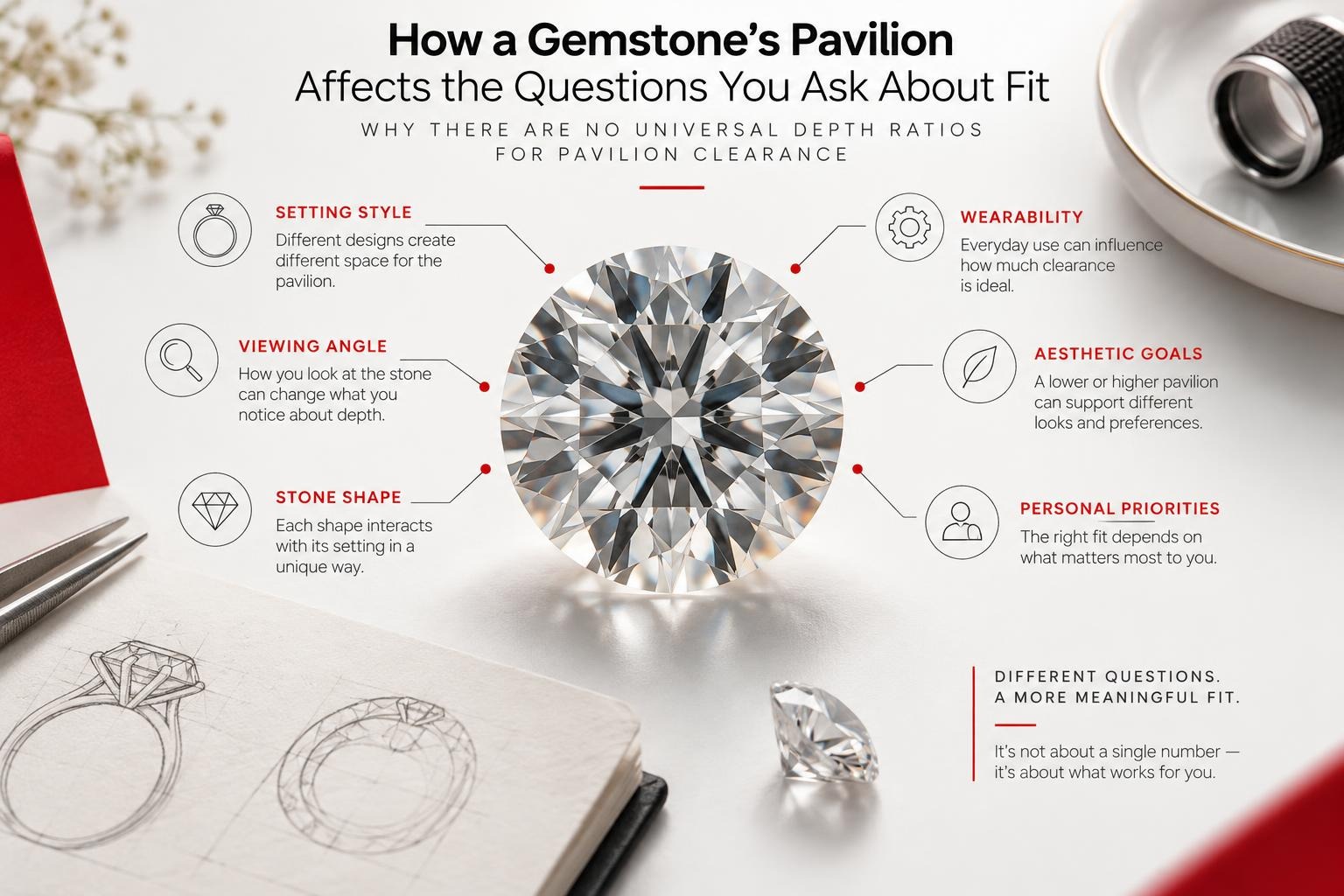
Thus, professional gemmologists and jewellers avoid applying rigid formulas across all stones. Instead, they review pavilion profile information individually, considering both aesthetic aspects and mounting compatibility.
Professional Clearance Checks: How Experts Assess Fit
Professional clearance checks involve measuring and documenting a gemstone’s pavilion profile and verifying compatibility with intended settings. This can include optical profilometry, callipers for physical measurements, and CAD simulations in specialised jewellery design software.
Gemmologists also consider factors such as the thickness of the mounting’s gallery or prongs and ensure that the pavilion clears any metalwork without risk of damage. They verify that the pavilion does not rest or interfere with the setting base, which could cause instability or chipping.
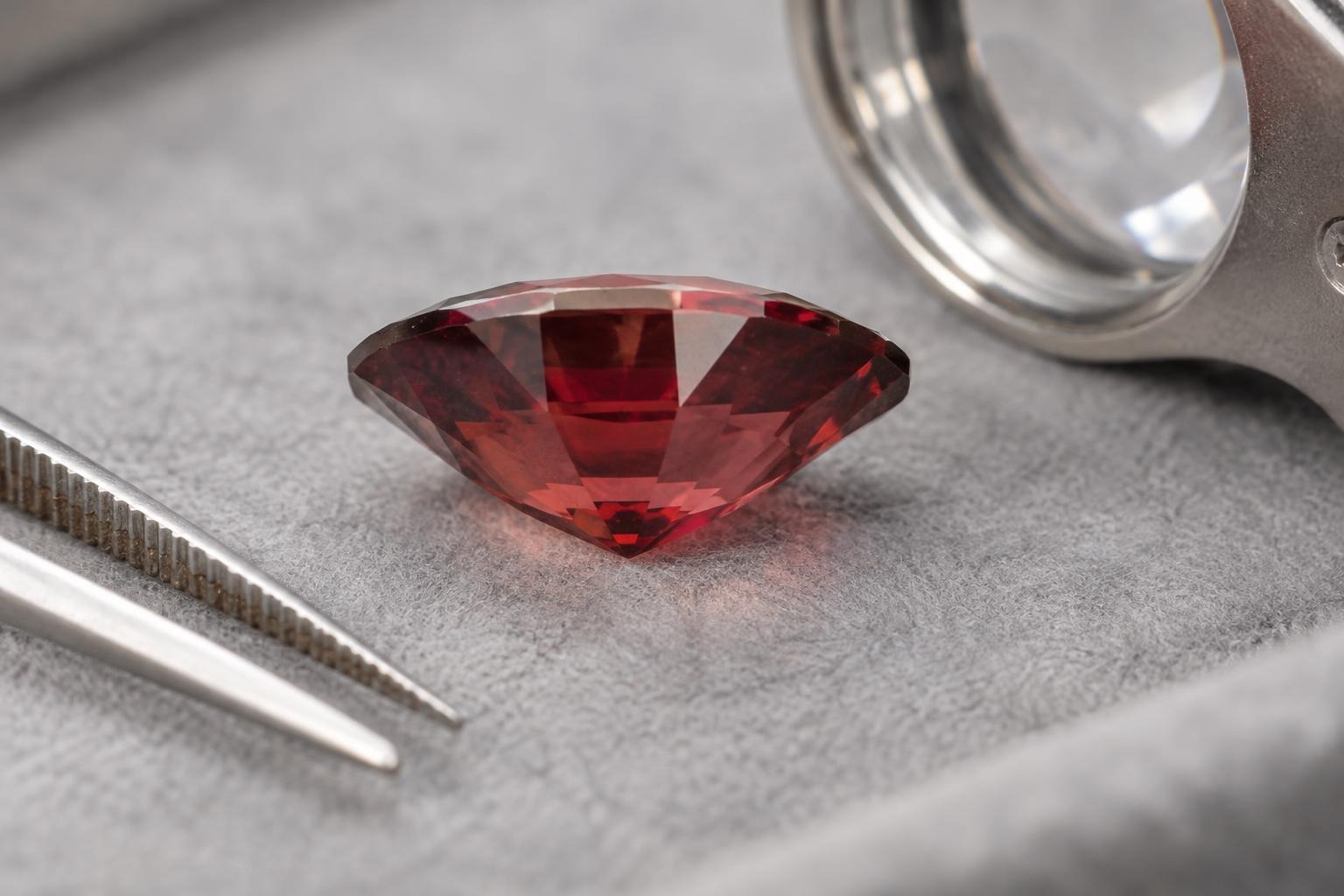
Such precise evaluations help ensure that the gemstone will fit securely, maintain the desired visual balance, and allow light to interact ideally within the stone, preserving its natural beauty.
Practical Questions to Ask About Pavilion Clearance
When discussing pavilion clearance for a loose gemstone, practical, plain-language questions include:
– "What is the pavilion depth of this gemstone relative to its total depth?"
– "Are there detailed profile measurements or diagrams available?"
– "Has the compatibility of this gemstone’s pavilion with my intended setting been professionally assessed?"
– "Is there sufficient gallery space or clearance beneath the pavilion to avoid metal interference?"
These questions help clarify fit issues without relying on generalisations. Buyers can then organise professional advice or customised mounting solutions if needed.
In professional settings, clearance checks occasionally extend beyond physical measurements to include simulations that predict how light interacts with the pavilion within its mounting. These simulations assist jewellers in anticipating any potential visual effects caused by insufficient or excessive pavilion clearance, such as light leakage or unintended shadows. While such optical considerations rarely dictate clearance alone, they complement the structural fit evaluation, underscoring the multifaceted importance of pavilion profile data.
It is also important to acknowledge practical limitations in obtaining pavilion profile information. Not all loose gemstones will come with detailed measurements or diagrams, especially those sourced through standard retail channels. In these cases, working with a reputable supplier who can provide additional data or facilitate professional inspection offers a viable alternative. Additionally, some measurements may yield minor variances due to inherent inconsistencies in faceting, requiring a margin of tolerance when assessing compatibility.
From a practical standpoint, when a gemstone lacks explicit pavilion profile data, buyers and jewellers often rely on physical test fittings using mock-up or adjustable settings to judge pavilion clearance. While this hands-on approach can reveal immediate fit problems, it may not detect subtle clearance issues that only precision tools or CAD evaluations expose. Accordingly, such manual checks should ideally be supplemented with professional measurements wherever feasible.
Moreover, pavilion clearance can affect setting design choices beyond simply accommodating the stone’s dimensions. For instance, a pavilion that extends deeply may necessitate a setting with a raised gallery or elevated seat, influencing the overall profile and weight distribution of the jewellery piece. Understanding these implications helps prevent downstream complications such as excessive metal bulk, prong instability or compromised comfort for the wearer.
Lastly, the variety of pavilion designs—such as steep, shallow, or concave pavilions—further complicates clearance discussions. Each profile shape demands different mounting considerations. A pavilion with steep angles might require more vertical space, while one with a shallow angle may permit a tighter fit. Consequently, the purchaser’s queries should encompass the pavilion’s specific profile shape alongside depth, ensuring both structural security and visual harmony in the final jewellery setting.
Illustrative Example: Oval Cut Garnet Pavilion and Setting Fit
Consider an oval garnet with a relatively deep pavilion requiring a significant clearance beneath it. A jeweller fitting this stone into a bezel setting must ensure the bracelet or ring’s mounting has enough space and structural support below the girdle.
If the clearance is too tight, the stone may be forced into position, risking damage or instability. Too much clearance, on the other hand, can allow the gem to wobble or move, creating a poor fit.
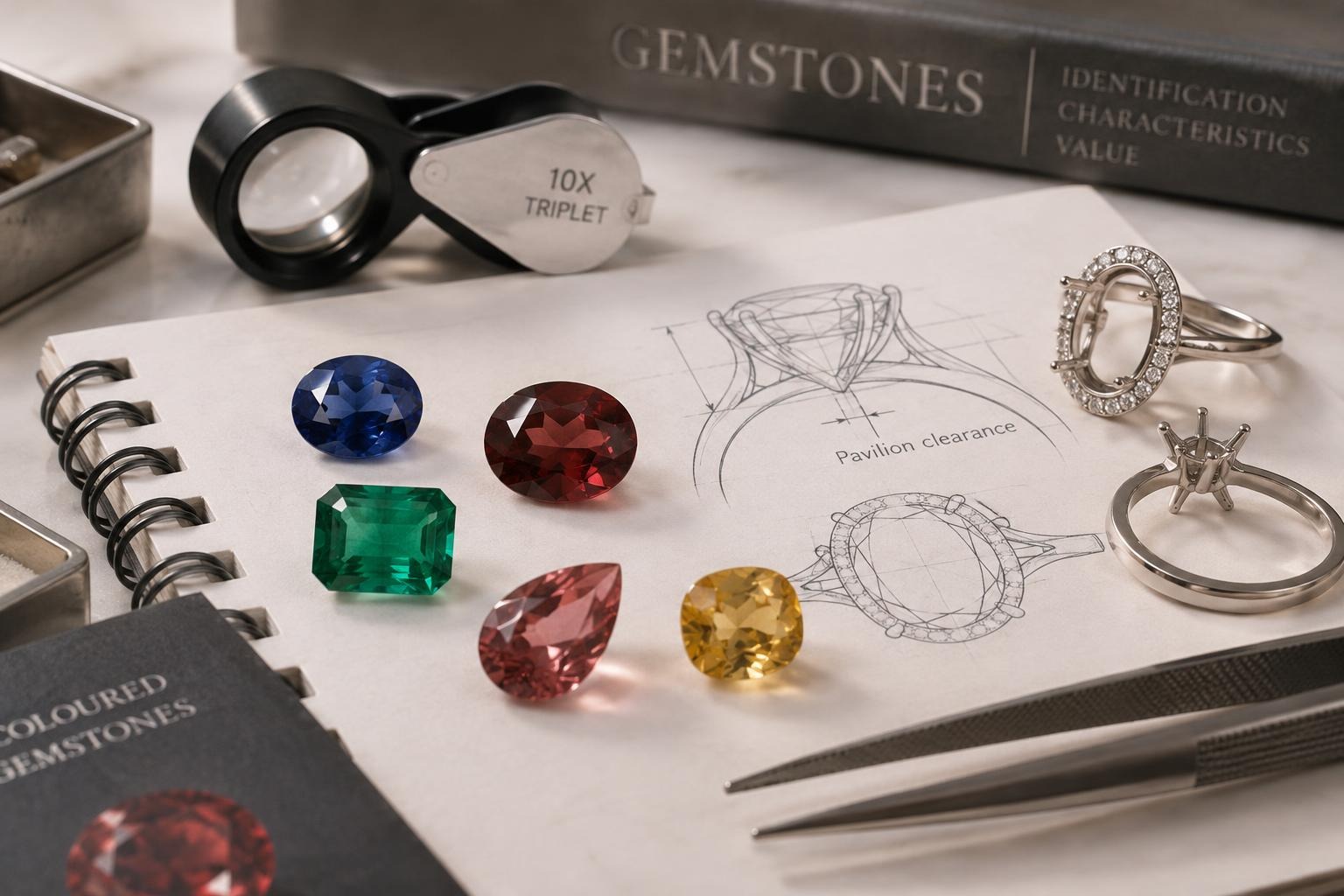
This scenario illustrates why simply knowing the gemstone’s carat or millimetre size is insufficient for perfect fit. Detailed pavilion profile data and clearance checks are essential to tailor the mounting design responsibly.
Distinguishing Documented Facts from Illustrative Scenarios
The information provided here focused on general principles supported by gemmological practice rather than specific stock or individual gemstone cases. Illustrative scenarios, like the example above, help explain typical challenges but should not be interpreted as advice about any particular gemstone’s fit.
Since pavilion depth and clearance depend on many factors, including gemstone species, cut, size and intended jewellery design, each case is unique. Professional consultation and precise measurements offer the most reliable pathway to correct fit.
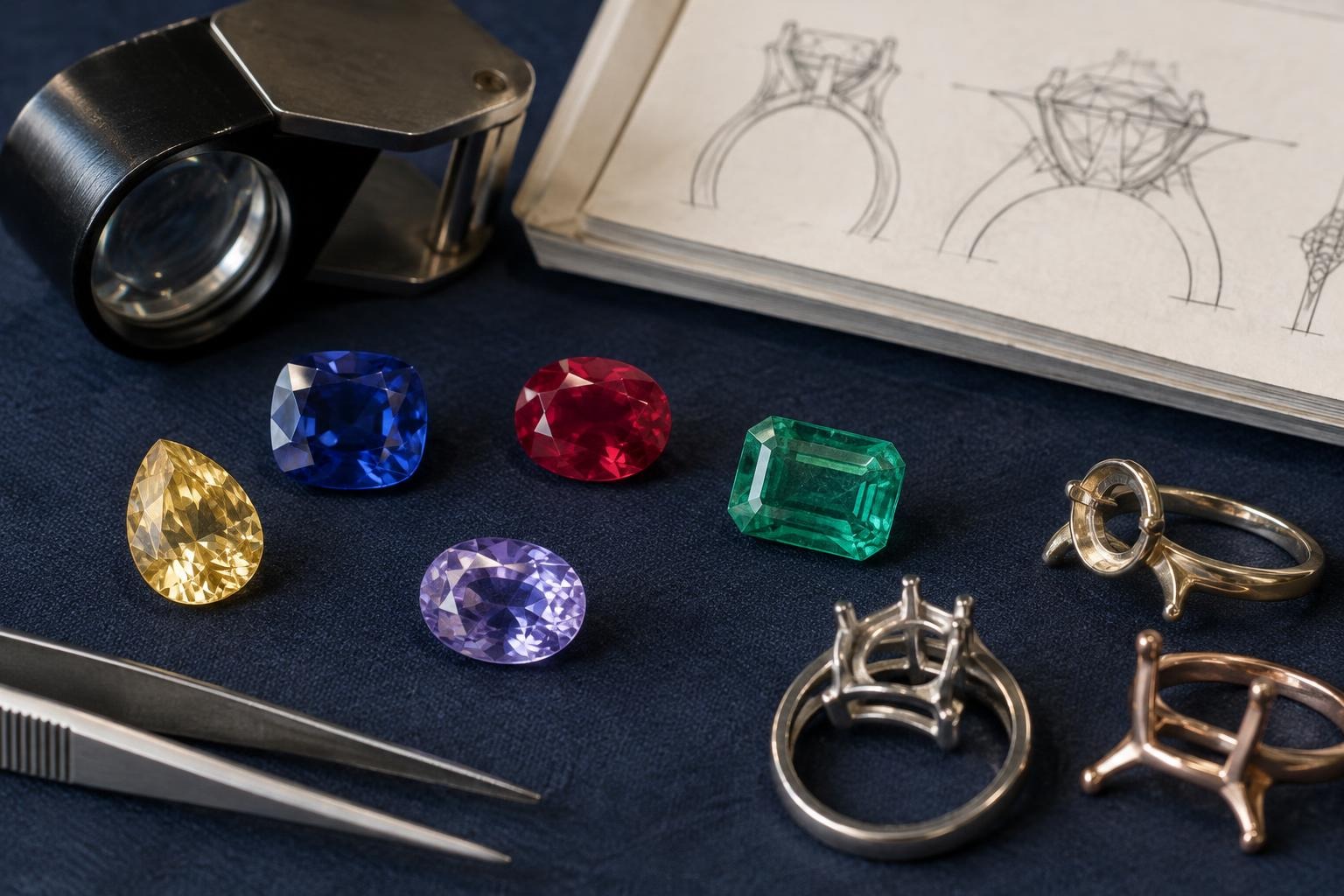
For authoritative guidance, refer to recognised sources such as the Gemological Institute of America (GIA) or peer-reviewed gemmology studies. Always rely on certified professional advice when fit precision matters.
Implications for Loose-Gemstone Buyers and Collectors
Buyers should avoid assuming that standard formulas or depth ratios always apply when considering a gemstone’s pavilion clearance. Instead, obtaining detailed profile data and consulting with experienced jewellers or gemmologists can prevent costly fitting errors.
Clarifying pavilion clearance early in the selection process helps organise appropriate settings and may influence gemstone choice, especially if specific jewellery designs impose clearance constraints.
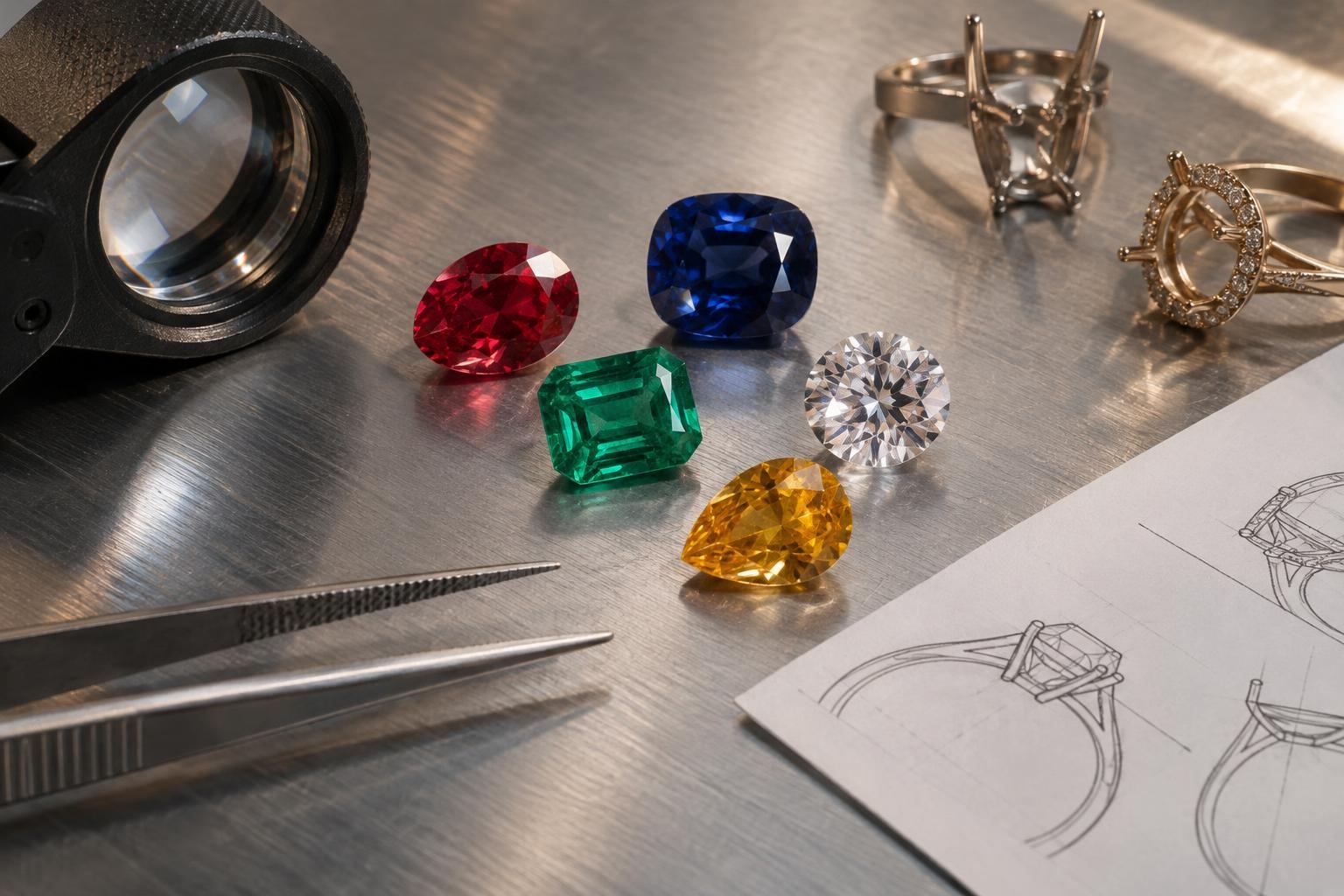
For collectors, understanding pavilion clearance also informs decisions on how to display or re-set stones, ensuring that the visual and structural integrity of the gemstones is maintained over time.
In addition to physical measurements, evaluating gemstone pavilion clearance involves recognising the inherent variations introduced by cutting style and individual craftsmanship. Even within the same cut type, faceters may adjust pavilion depths to optimise optical performance or durability, leading to subtle differences that affect how the stone will seat. Understanding this variability is critical because relying on generic dimensions can overlook nuances that influence both fit and aesthetic outcome.
It is also important to consider the margin of tolerance when working with pavilion clearance. Jewellery mountings are typically crafted with some allowance to accommodate minor discrepancies in gemstone dimensions. However, this tolerance must balance secure hold with flexibility; too loose and the gemstone risks movement, too tight and it may place undue pressure on the pavilion, increasing the risk of fractures especially in brittle minerals.
Another practical example involves the interplay between pavilion clearance and the jewellery metal thickness beneath the stone. While a deeper pavilion generally requires greater clearance, the gauge or design of the mounting base can mitigate or exacerbate clearance challenges. For instance, a well-engineered gallery with reinforced structure may safely accommodate a gem with a relatively deep pavilion. Conversely, thin metal designs intended for delicate jewellery may impose stricter limits on pavilion depth, constraining stone choices or requiring design adaptation.
Moreover, pavilion profiles with special features such as faceted culets or slight variations in pavilion angles may interact with settings in unanticipated ways. Shallow or step-cut pavilions may create uneven metal contact points or expose fragile facets at the base, influencing jewellers’ and buyers’ questions about structural support beneath the stone. These details underscore why a simple numeric depth ratio cannot substitute for comprehensive profile documentation and physical inspection.
Feedback loops between the gem buyer and the jeweller or setter are commonplace when pavilion clearance is unclear or unavailable. Buyers are encouraged to provide as much information as possible—photos, measurements, and cut details. Experienced jewellers may offer mock-up settings or adjustable mountings to facilitate trial-fitting. Such pragmatic approaches help to identify potential fit issues early, reducing costly rework or stone damage.
Additionally, when dealing with unconventional cuts or rare gemstone varieties, professional clearance checks grow in importance. Less common pavilion constructions might depart from traditional assumptions about clearance needs, requiring bespoke evaluation. In these cases, consultation with a gemmologist or certified professional provides the best assurance that both the aesthetics and security of the finished piece will be maintained.
Finally, the influence of pavilion clearance extends beyond fit to impact light performance and the visual appeal of the gemstone. A pavilion seated too close to metal can interrupt light return or cause unwanted shadows, affecting brilliance and colour display. While this consideration is secondary to structural fit, it adds another layer of practical questions relating to pavilion profile, encouraging a holistic view of gemstone and mounting harmony.
Conclusion and Next Steps for Your Loose Gemstone
Understanding gemstone pavilion clearance is a crucial step often overlooked when fitting loose gemstones in jewellery. While no universal depth ratios exist, accessing pavilion profile information and engaging professional clearance checks provide practical solutions to fit concerns.
Ask pertinent questions regarding pavilion measurements and setting compatibility to organise tailored mounting options that respect your gemstone’s unique profile.
Explore related guides such as "Carat Weight vs Millimetre Size: Choosing a Gemstone That Fits" at iGemz to complement your knowledge and ensure your gemstone’s brilliance and security in any setting.
Your questions, answered
What does gemstone pavilion clearance mean?
It refers to the space needed beneath a gemstone’s pavilion to fit securely and comfortably within a jewellery setting without interference.
Are there standard pavilion depth ratios for all gemstones?
No; pavilion depths vary by species, cut, and size, so no universal ratios exist for pavilion clearance.
How can I check if a gemstone’s pavilion clearance suits my setting?
Request detailed profile measurements or diagrams and seek professional gemmological advice to verify compatibility.
Why is pavilion clearance important for jewellery fit?
Proper clearance ensures the gemstone is secure, prevents damage, and maintains the intended optical and aesthetic balance.
Can I rely on carat weight alone to determine pavilion clearance?
No; carat weight doesn’t provide pavilion shape details. Pavilion clearance needs profile-specific information instead.
Find a colour that speaks to you.
Explore our diverse collection of loose faceted gemstones with detailed measurements to find the perfect stone designed for your unique jewellery setting.