



 1st - Gold
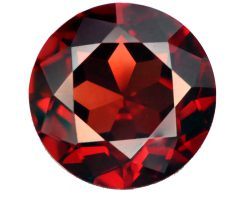 January
 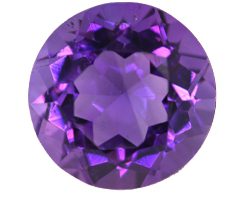 February
 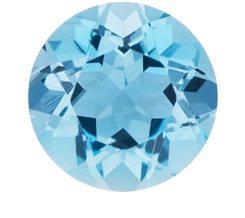 March
March 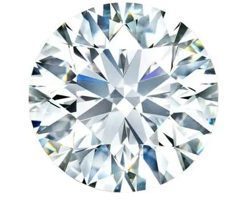 April
April 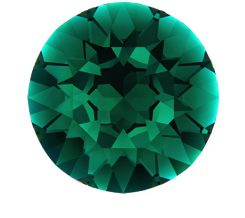 May
May 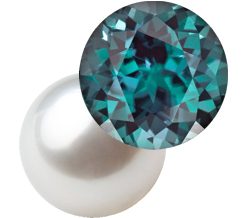 June
June 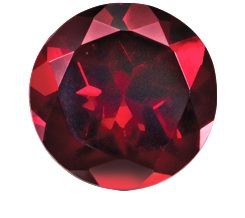 July
July 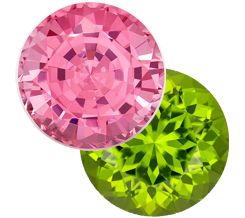 August
 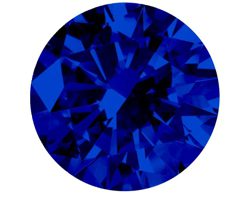 September
 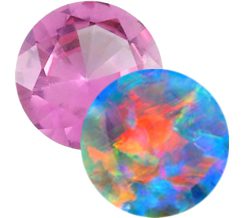 October
 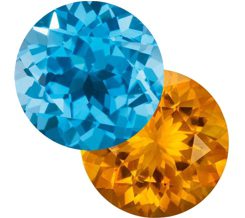 November
 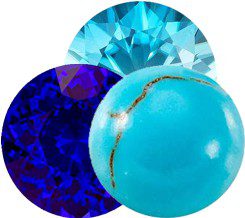 December
 Capricorn - Garnet
  Aquarius - Amethyst
  Pisces - Aquamarine
  Aries - Diamond
  Taurus - Emerald
  Gemini - Pearl
  Cancer - Ruby
  Leo - Peridot
  Virgo - Blue Sapphire
  Libra - Opal
  Scorpio - Topaz
  Sagittarius - Tanzanite


Malachite Gemstones – Properties, Origins, Treatments and Buying Guide
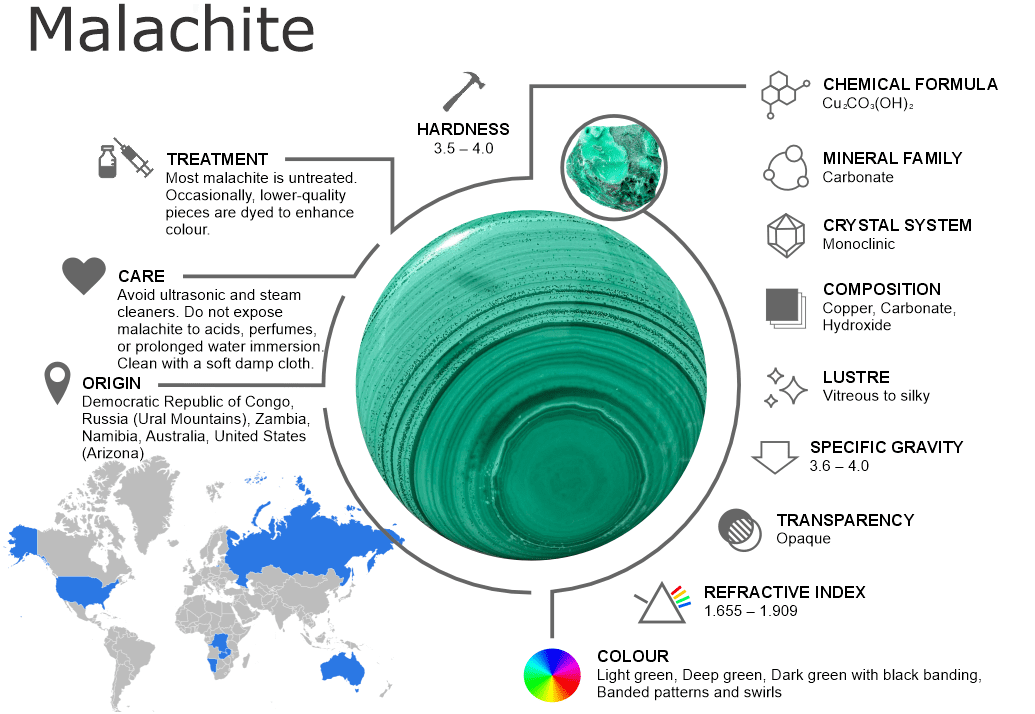
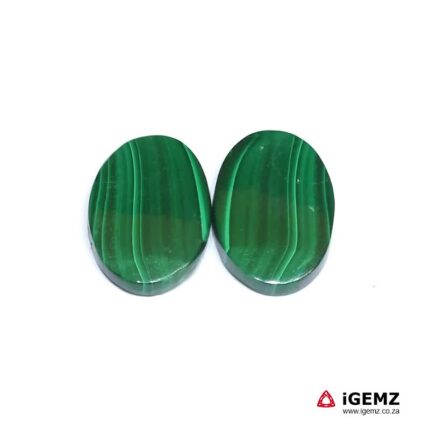
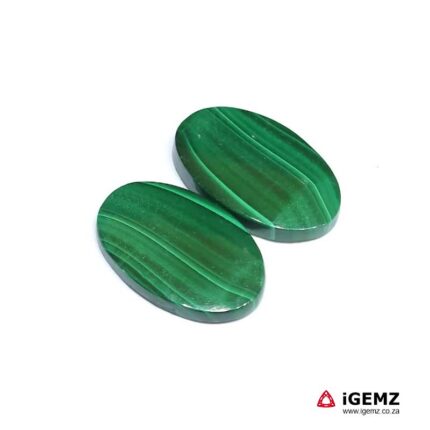
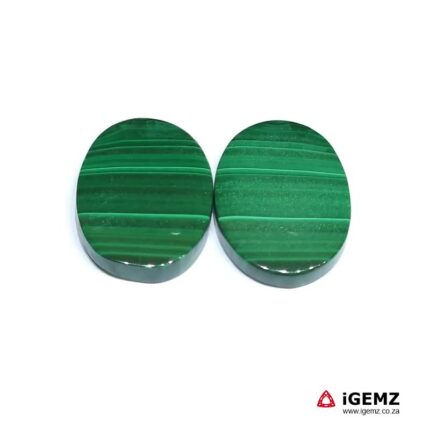
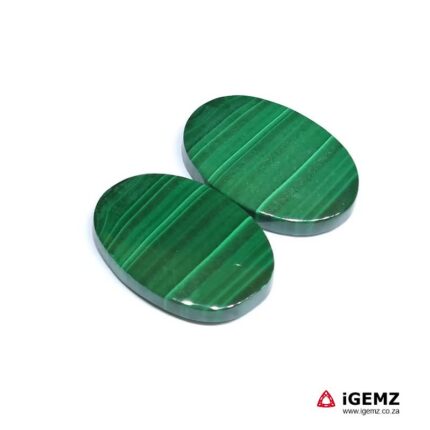
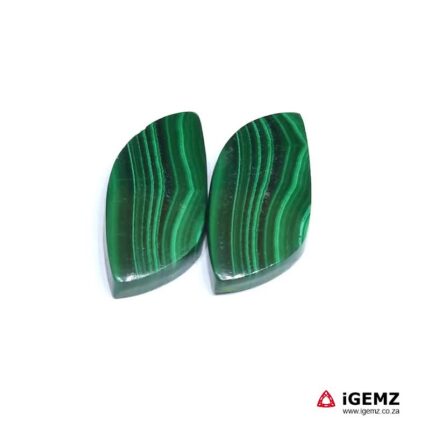
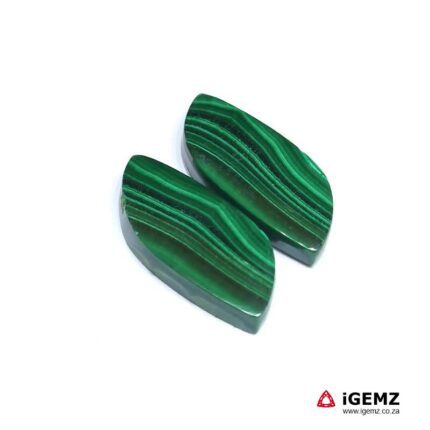
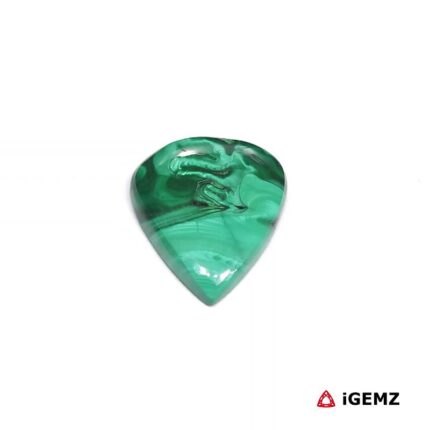
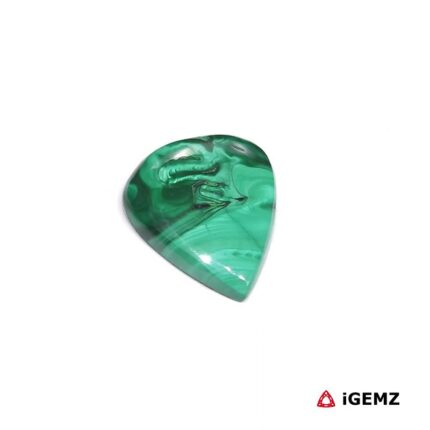
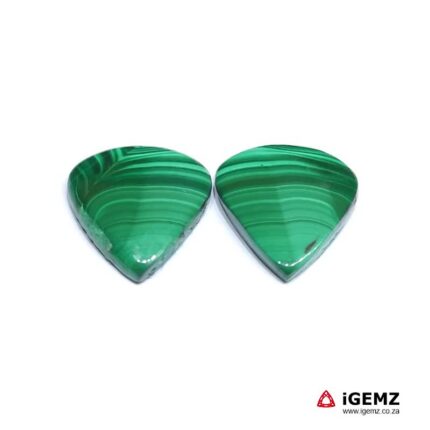
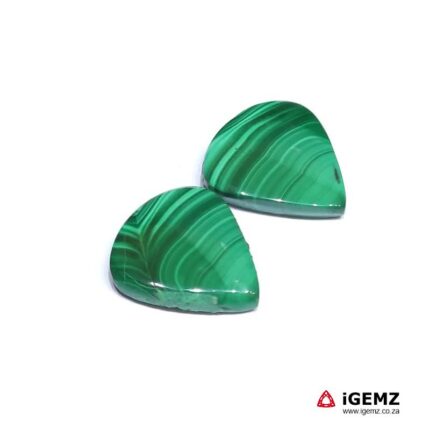
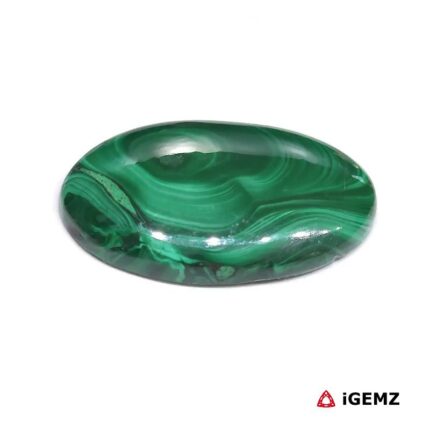
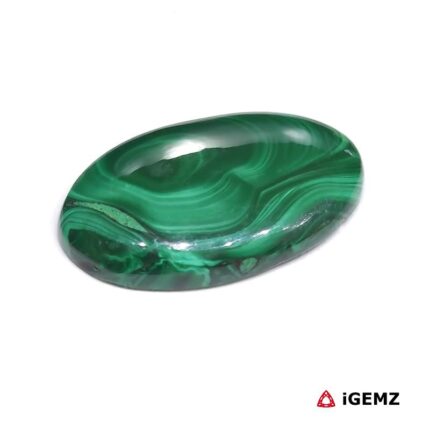
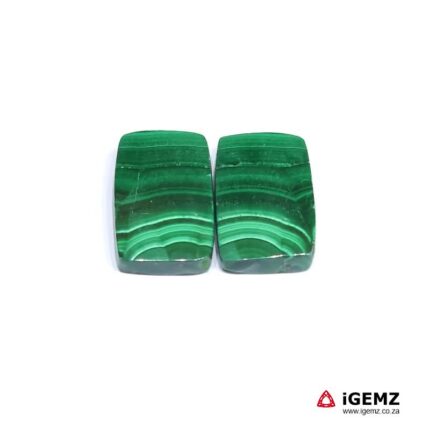
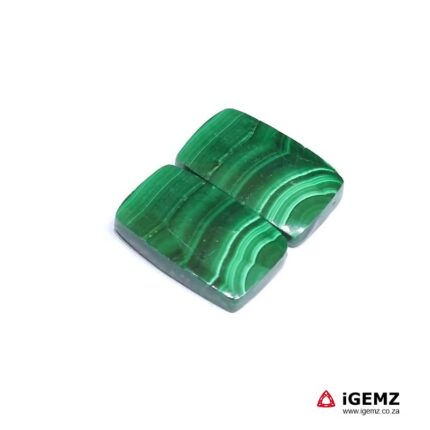
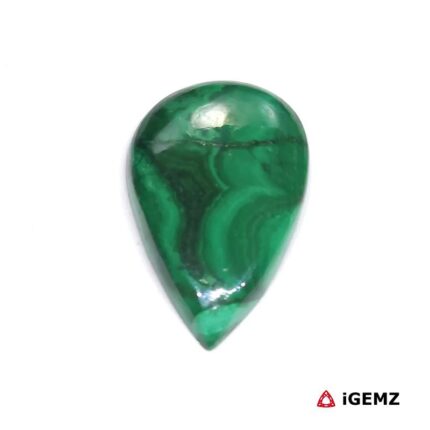
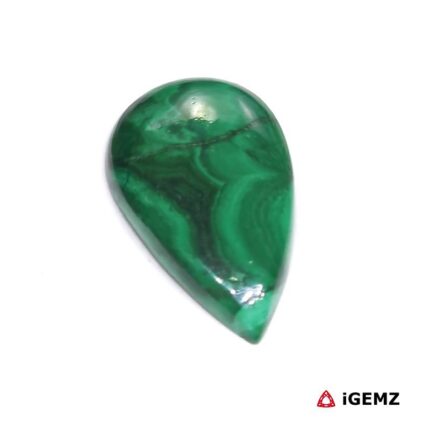
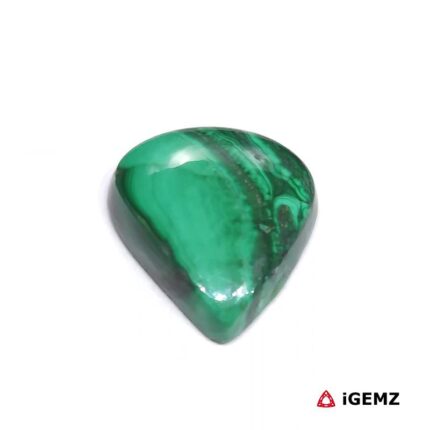
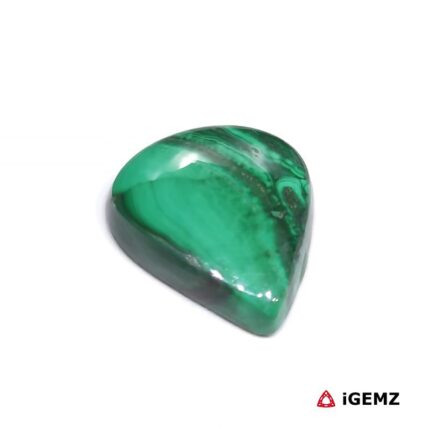
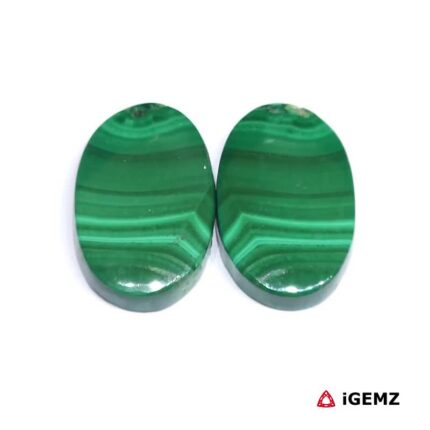
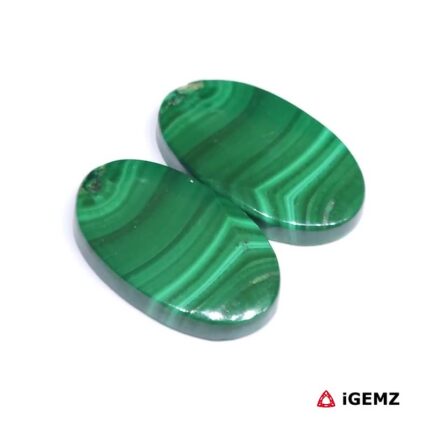
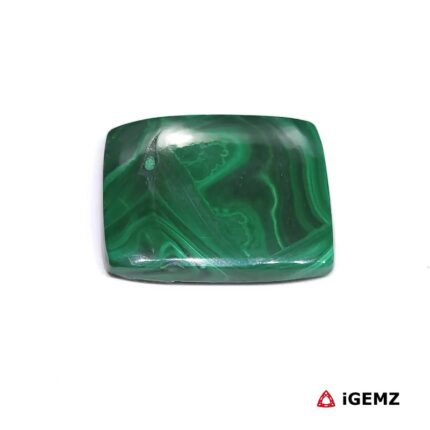
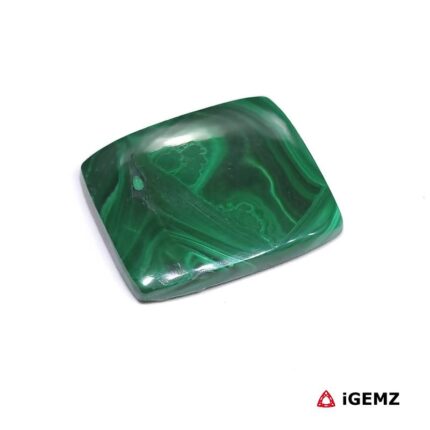
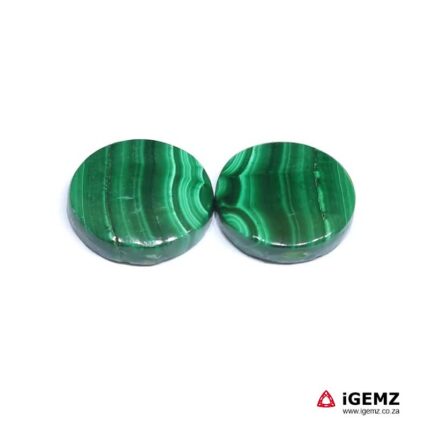
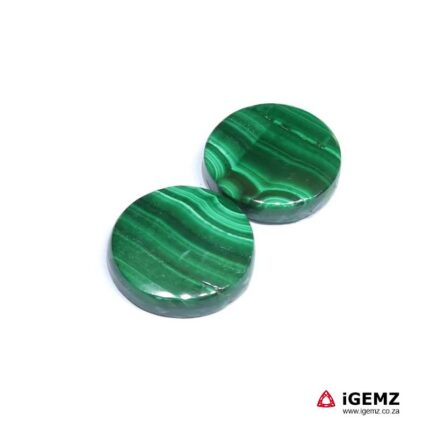
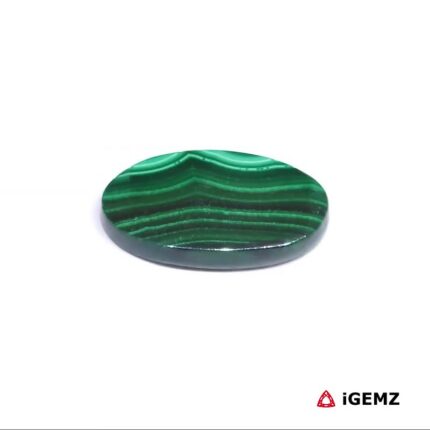
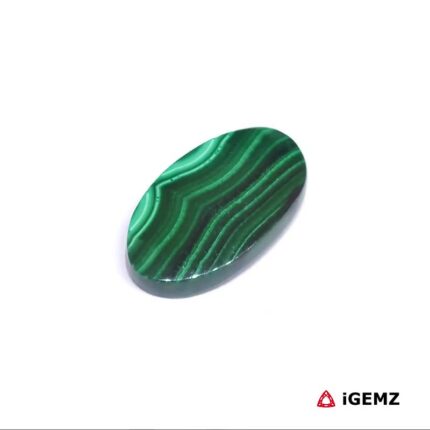
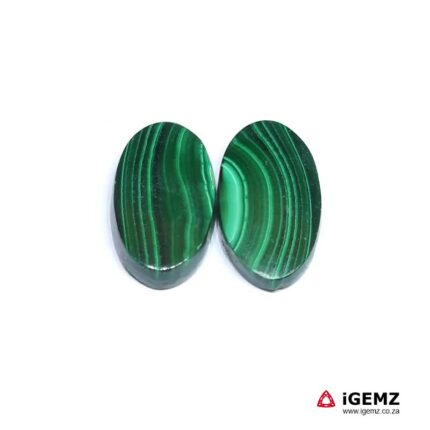
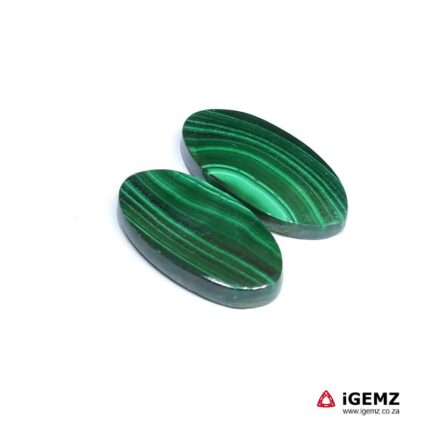
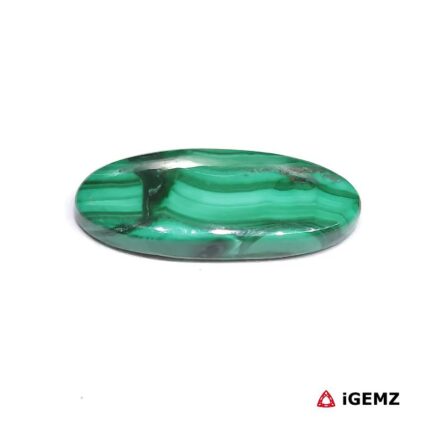
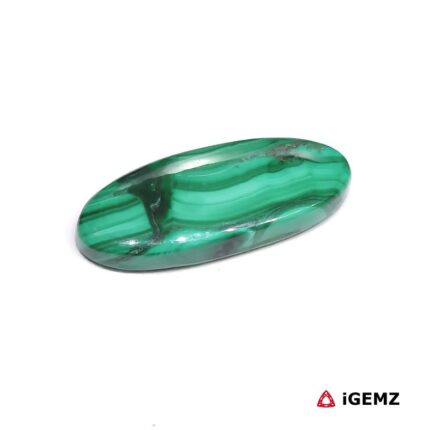
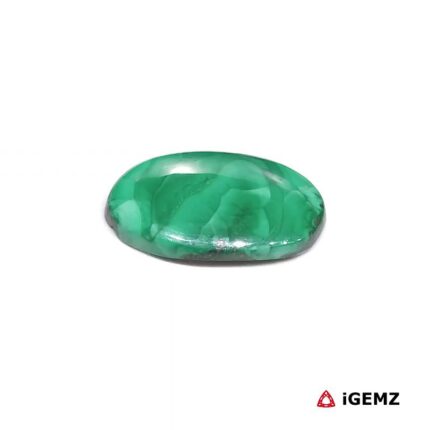
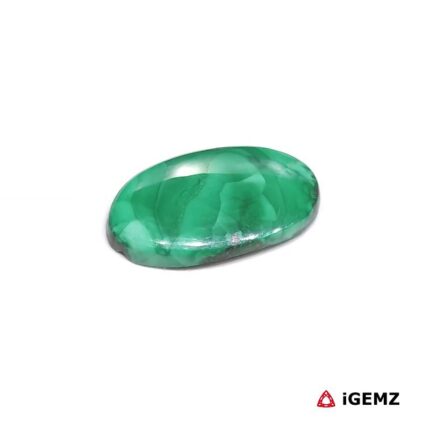
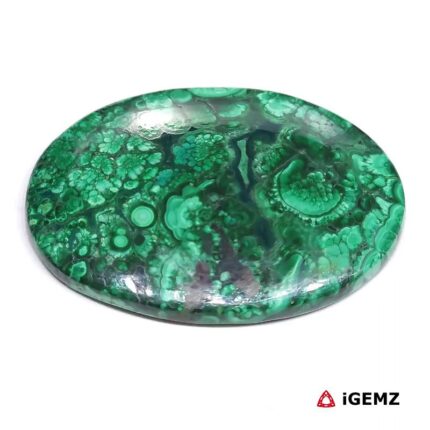
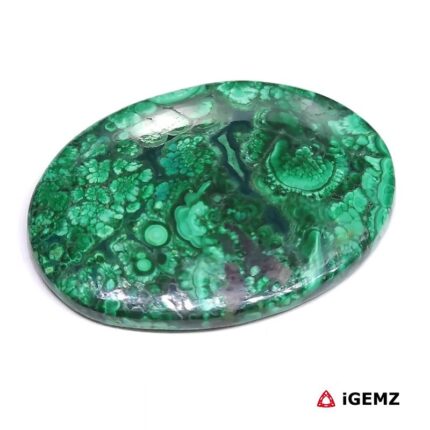
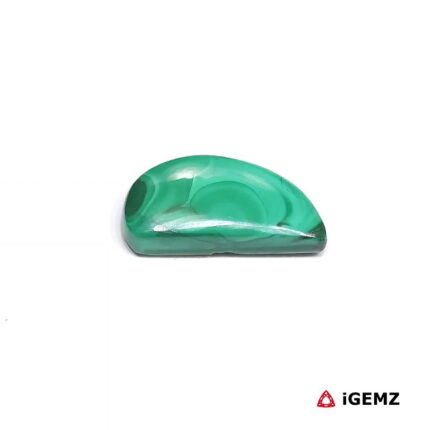
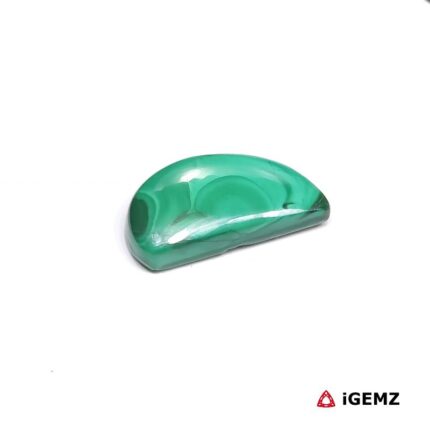
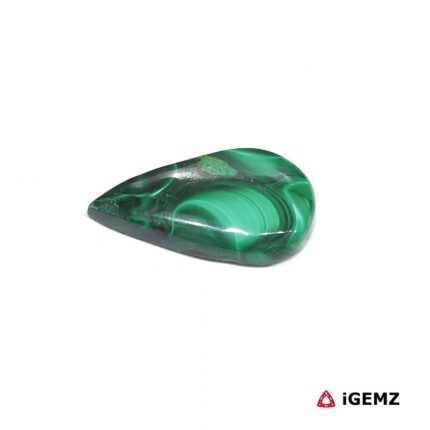
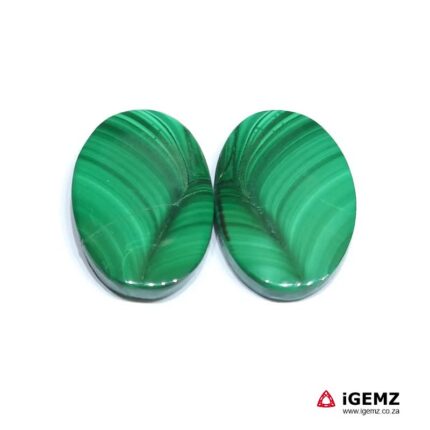
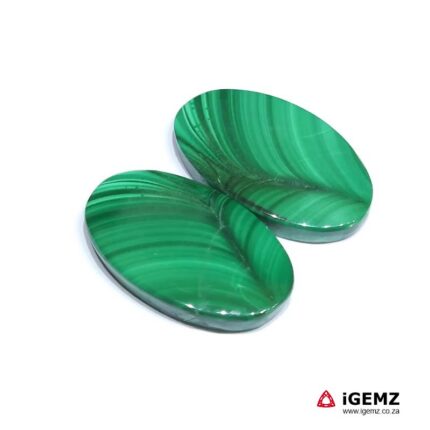
Malachite is one of the most visually striking and historic gemstones, prized for its rich green tones and unique banded patterns. Unlike uniform-coloured stones, malachite displays dramatic, swirling light and dark green layers that make each piece unique.
In this guide we examine malachite from a professional gemmological and commercial perspective, covering its physical properties, crystal structure, treatments, origins and how to identify fine-quality stones.
What is Malachite?
Malachite is a copper carbonate hydroxide mineral (Cu₂CO₃(OH)₂), forming in botryoidal, fibrous, and stalactitic masses. It often forms in the oxidized zones of copper deposits and is highly valued for decorative carvings, beads, and cabochons.
Unlike transparent gemstones, malachite is opaque, with intricate, banded patterns that enhance its aesthetic appeal.
Mineral Composition
Malachite has the chemical formula:
Cu₂CO₃(OH)₂
This means it is composed primarily of:
Copper
Carbonate
Hydroxide
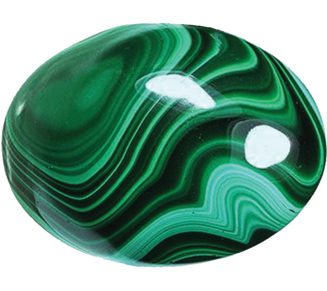
The characteristic banding is caused by variations in copper content and growth conditions, producing rich green patterns that are unique in every specimen.
Mineral Family and Crystal System

Malachite belongs to the carbonate mineral family.
Its crystal system is monoclinic, commonly forming botryoidal masses, fibrous aggregates, or stalactitic forms, rather than transparent crystals. This contributes to its rich, banded patterns and smooth polishable surfaces.
Optical and Physical Properties
Malachite is opaque with a silky to vitreous lustre and excellent polishability, making it ideal for jewellery, carvings, and decorative objects.

Lustre
Vitreous to silky, giving a smooth and reflective surface when polished.

Transparency
Opaque; light does not pass through malachite.

Refractive index
1.655 – 1.909, with strong internal reflection due to banding.

Specific gravity
3.6 – 4.0, relatively heavy due to copper content.
Colour Range
Malachite is instantly recognisable by its rich green tones:
Light green
Deep green
Dark green with black banding
Banded patterns and swirls
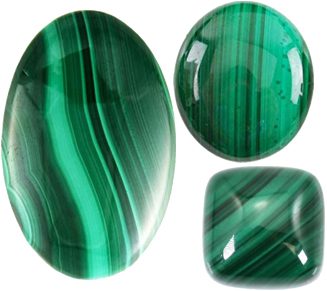
The most valued pieces have vibrant, consistent green tones with striking, symmetrical banding.
Mohs Hardness and Durability

Malachite has a Mohs hardness of 3.5–4, making it soft and prone to scratching. It is best used in jewellery that is protected from knocks and abrasions, such as pendants, earrings, or cabochons set in protective bezels.
Treatments

Most malachite is untreated. Occasionally, some lower-quality pieces are dyed to enhance colour, but genuine untreated malachite with natural banding is most valued.
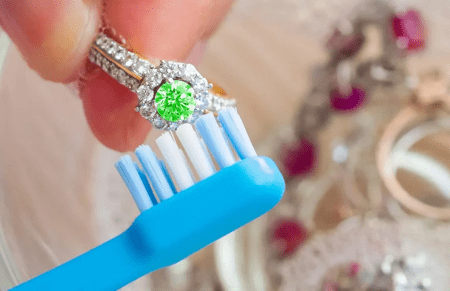
Care and Cleaning
Avoid ultrasonic and steam cleaners.
Do not expose malachite to acids, perfumes, or prolonged water immersion.
Clean with a soft damp cloth.
Store separately from harder gemstones to prevent scratches.
Major Origins
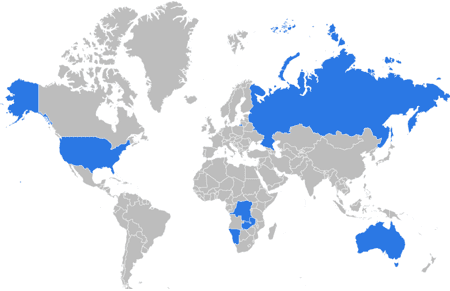
Major sources of malachite include:
Democratic Republic of Congo
Russia (Ural Mountains)
Zambia
Namibia
Australia
United States (Arizona)

Frequently Asked Questions
Is malachite a natural gemstone?
Yes, <a href=”https://www.igemz.co.za/product-category/natural-gemstones/malachite/” target=”_blank”>malachite</a> occurs naturally and has been used historically in jewellery and ornamentation.
What colours does malachite come in?
<a href=”https://www.igemz.co.za/product-category/natural-gemstones/malachite/” target=”_blank”>Malachite</a> ranges from light to deep green with distinctive banding patterns.
Is malachite treated?
Most <a href=”https://www.igemz.co.za/product-category/natural-gemstones/malachite/” target=”_blank”>malachite</a> is untreated; low-quality stones may be dyed.
Is malachite suitable for daily wear?
No, due to its softness (Mohs 3.5–4), it should be used in protected jewellery settings.
Can malachite be scratched easily?
Yes, avoid contact with harder gemstones like sapphire or diamond.
How should I clean malachite?
Use a soft, damp cloth; avoid ultrasonic, steam, acids, or harsh chemicals.
Where does the best malachite come from?
Congo and Russia produce highly prized malachite with vivid green banding.
Can malachite be polished?
Yes, malachite takes a high polish, enhancing the banding patterns.
Is malachite toxic?
Malachite dust is toxic if inhaled; handle raw stone with care during cutting.
Is malachite good for carvings?
Yes, malachite is ideal for decorative carvings due to its colour and polishability.