



 1st - Gold
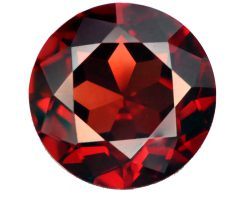 January
 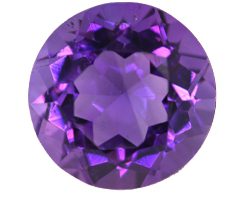 February
 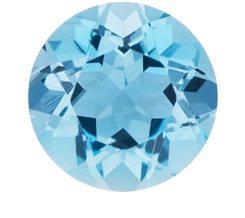 March
March 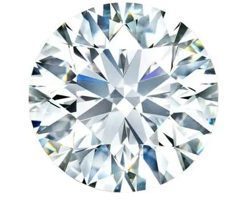 April
April 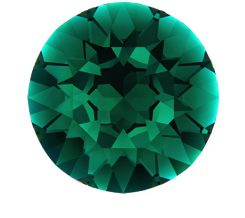 May
May 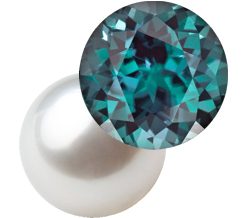 June
June 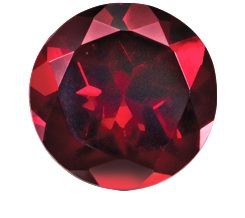 July
July 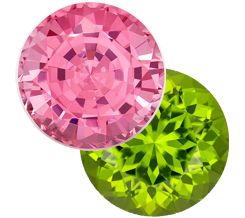 August
 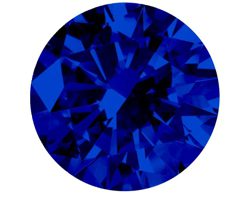 September
 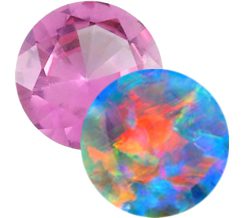 October
 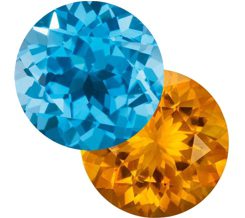 November
  December
 Capricorn - Garnet
  Aquarius - Amethyst
  Pisces - Aquamarine
  Aries - Diamond
  Taurus - Emerald
  Gemini - Pearl
  Cancer - Ruby
  Leo - Peridot
  Virgo - Blue Sapphire
  Libra - Opal
  Scorpio - Topaz
  Sagittarius - Tanzanite


Lapis Lazuli Gemstones – Properties, Origins, Treatments and Buying Guide
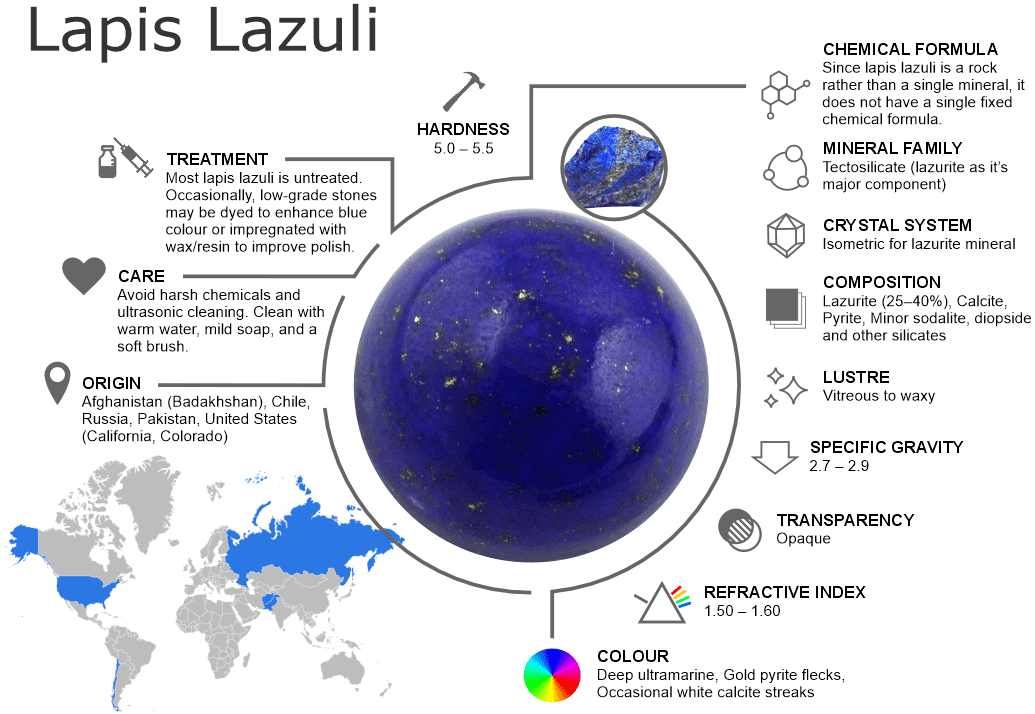
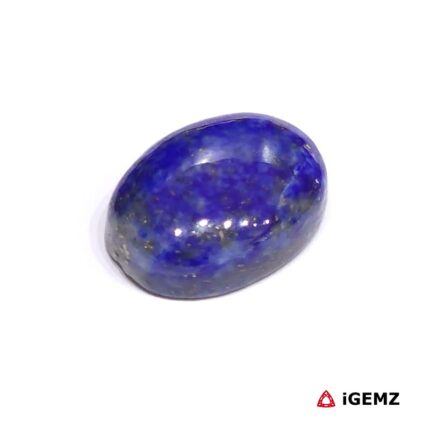
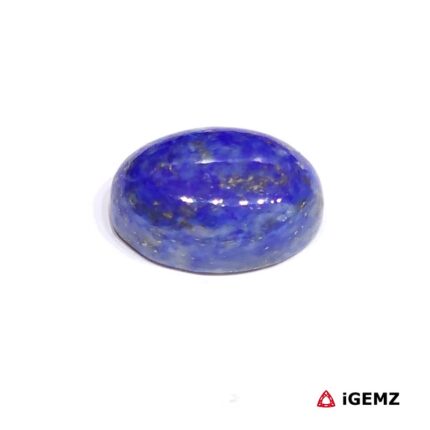
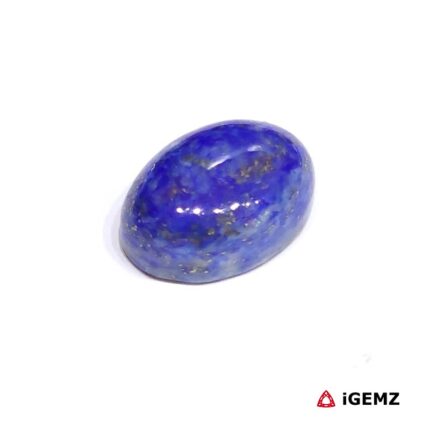
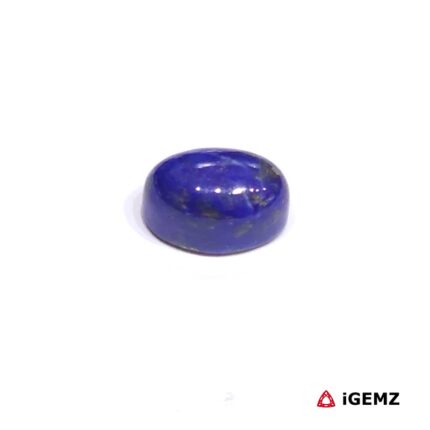
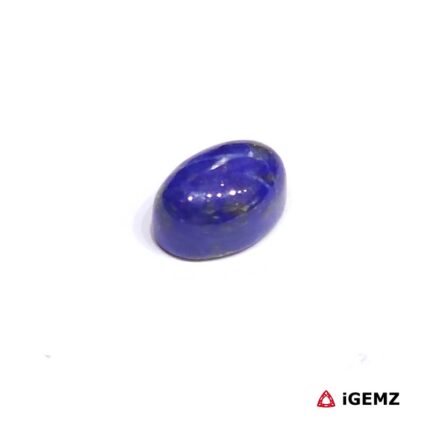
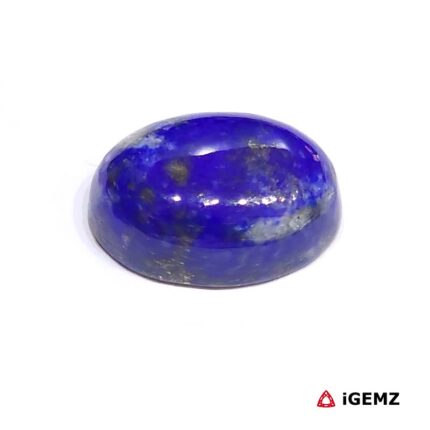
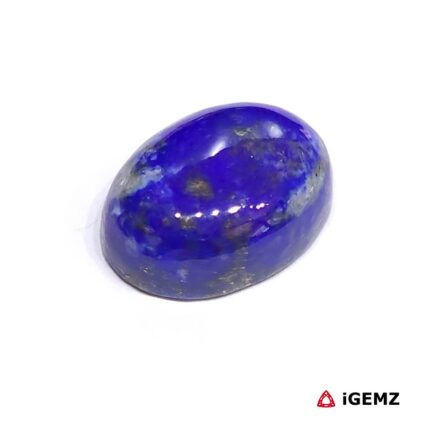
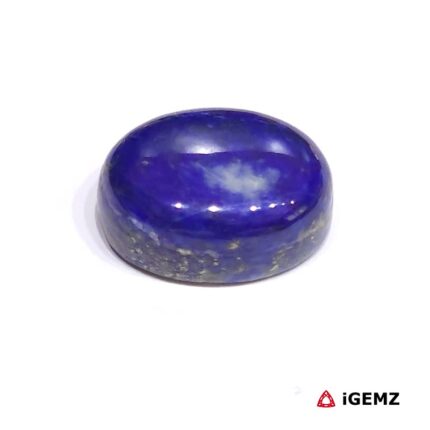
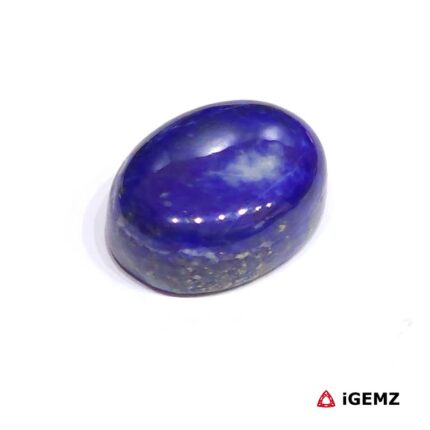
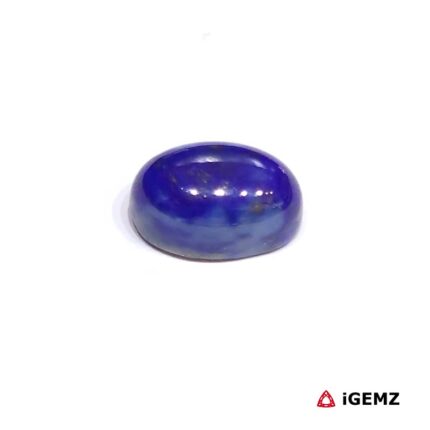
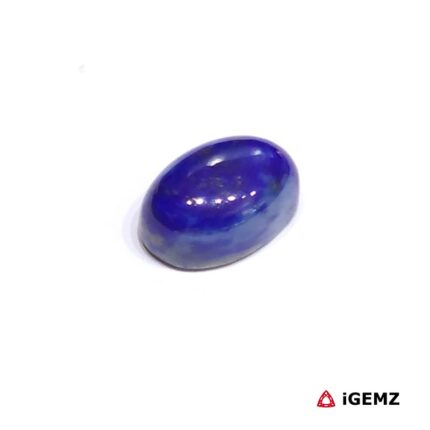
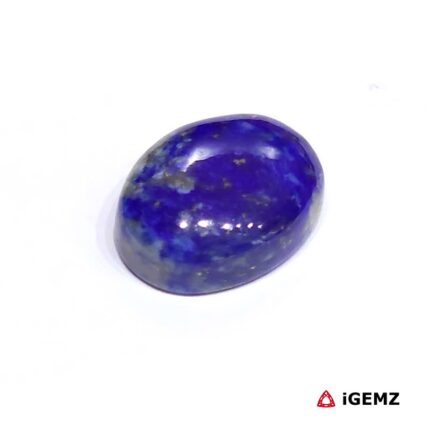
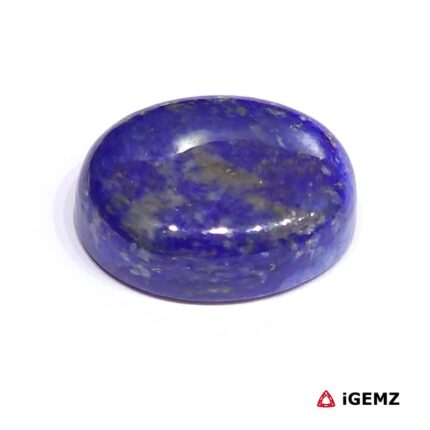
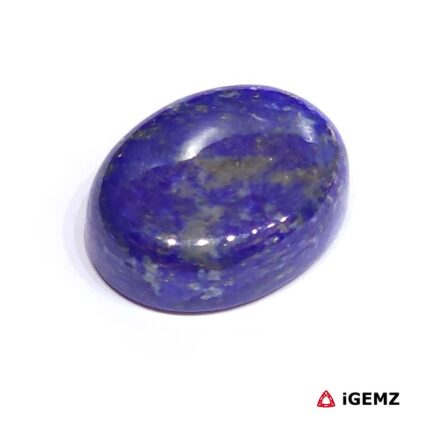
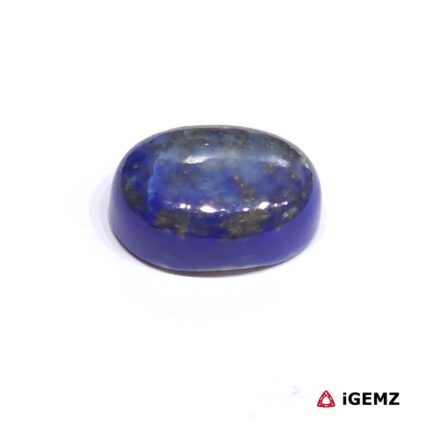
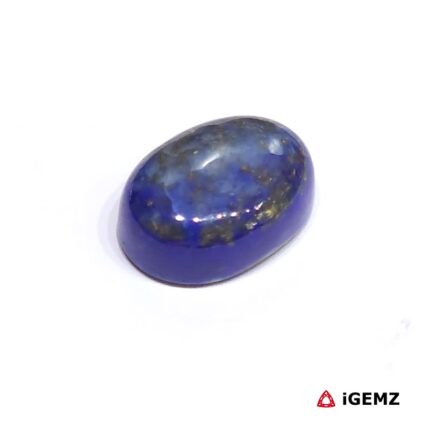
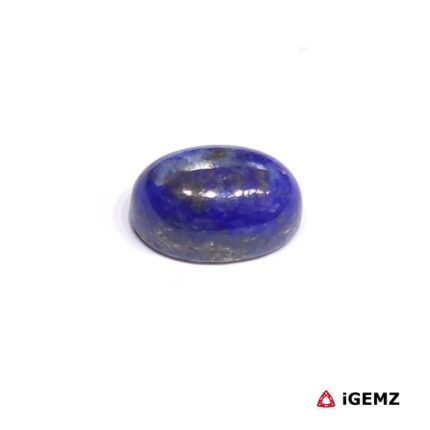
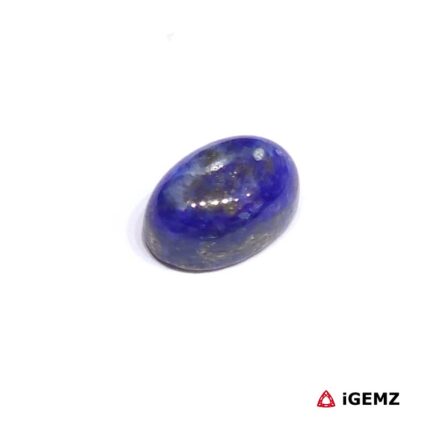
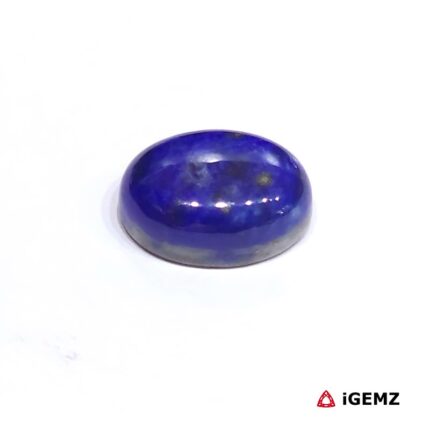
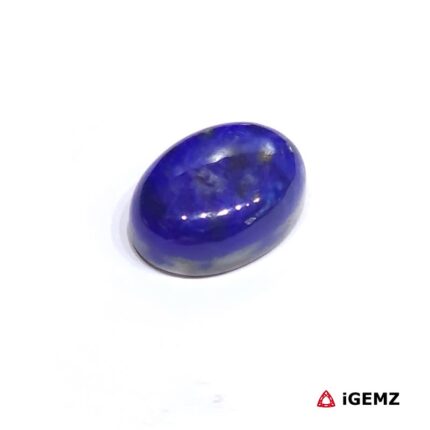
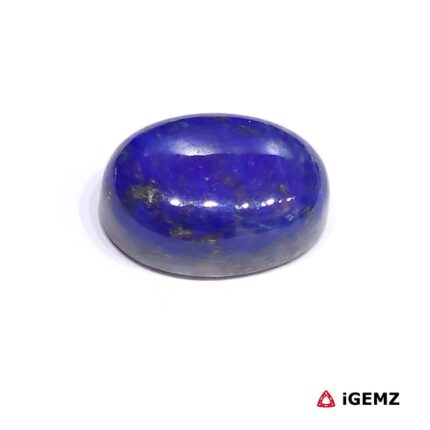
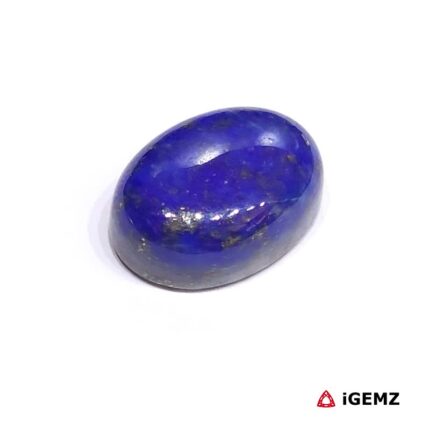
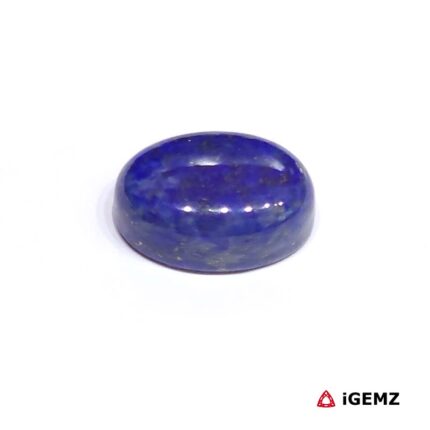
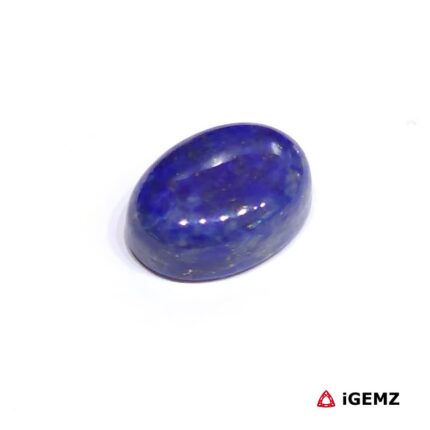
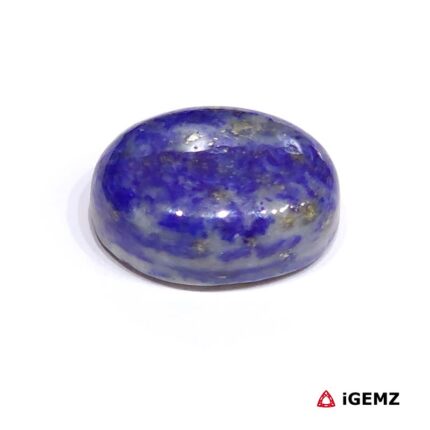
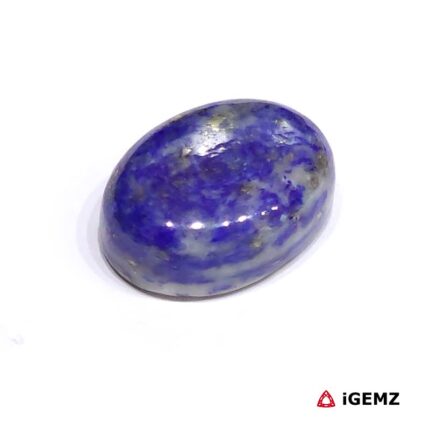
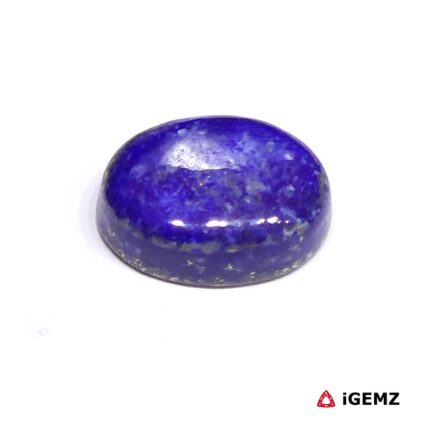
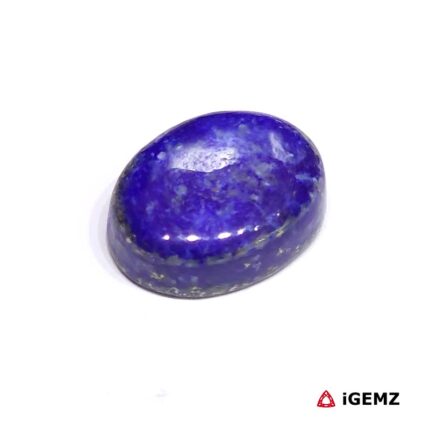
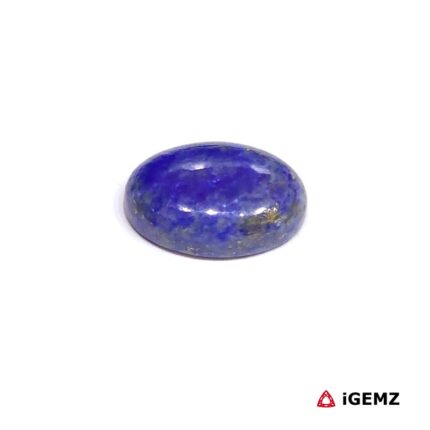
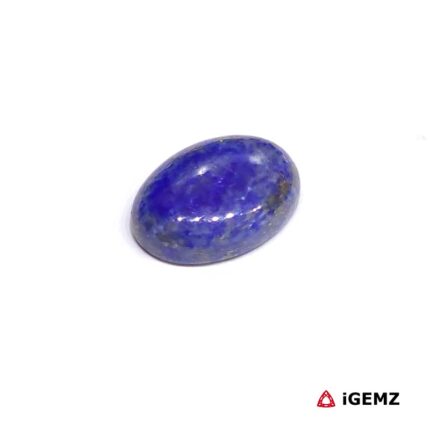
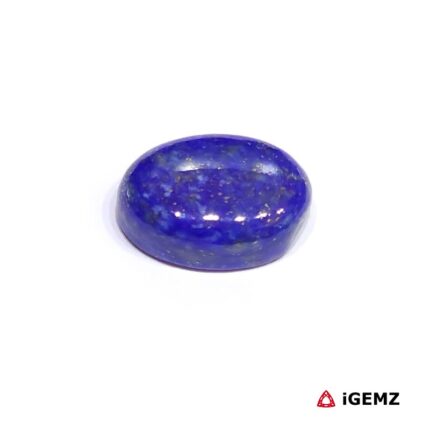
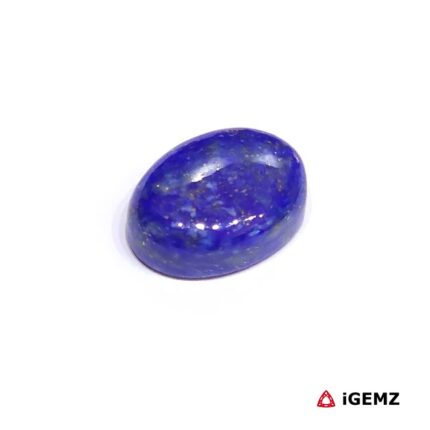
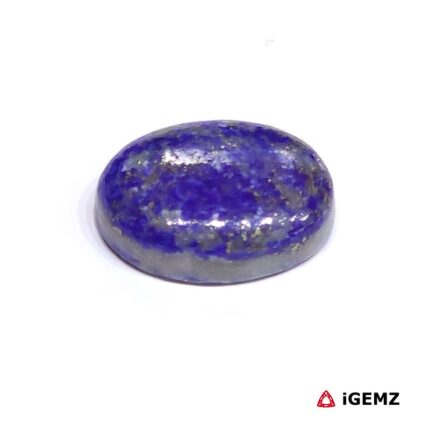
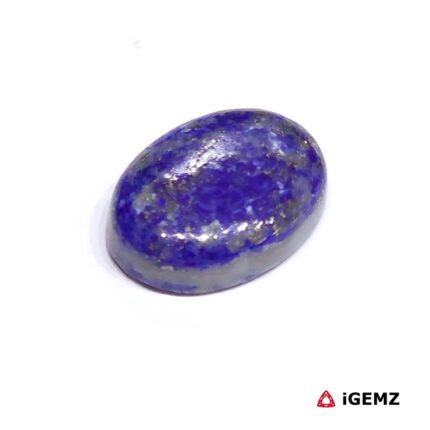
Lapis Lazuli is one of the most historic and striking gemstones, prized for its intense deep blue colour and gold pyrite flecks. Unlike brightly coloured stones that rely on heavy saturation, lapis lazuli is valued for its natural combination of ultramarine blue, pyrite inclusions, and sometimes calcite veining.
In this guide we examine lapis lazuli from a professional gemmological and commercial perspective, covering its physical properties, crystal structure, treatments, origins and how to identify fine-quality stones.
What is Lapis Lazuli?
Lapis Lazuli is a rock composed primarily of the mineral lazurite, with minor amounts of calcite, sodalite, and pyrite. It has been mined and used for thousands of years in jewellery, carvings, and pigment production. Unlike crystalline gemstones, it is a metamorphic rock, so its colour and patterning can vary naturally. High-quality lapis lazuli has an intense deep blue with minimal calcite and evenly distributed pyrite specks.
Mineral Composition
Lapis Lazuli is primarily composed of:
Lazurite (25–40%, gives deep blue colour)
Calcite (white veining)
Pyrite (gold flecks)
Minor sodalite, diopside, and other silicates
The proportion of lazurite determines the intensity of the blue, while pyrite adds the characteristic sparkling effect. High-quality lapis lazuli has minimal calcite and evenly distributed pyrite.
Mineral Family and Crystal System

Lapis Lazuli belongs to the tectosilicate mineral family because of its major component lazurite.
Its crystal system is isometric (cubic) for the lazurite mineral, but as a rock, lapis lazuli does not form uniform crystals. The rock is typically massive, compact, and suitable for carving and faceting.
Optical and Physical Properties
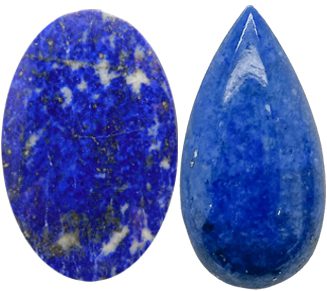
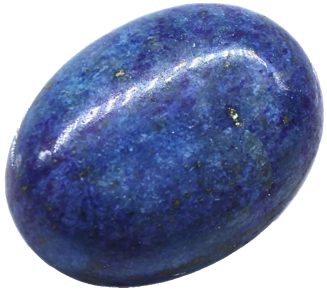
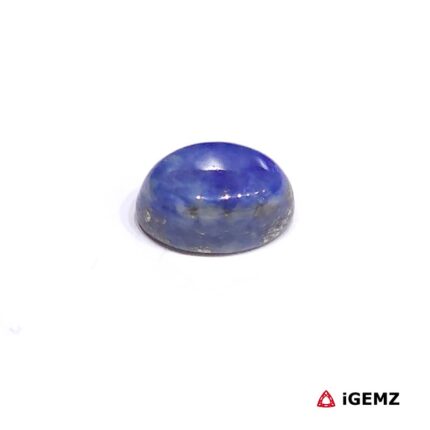
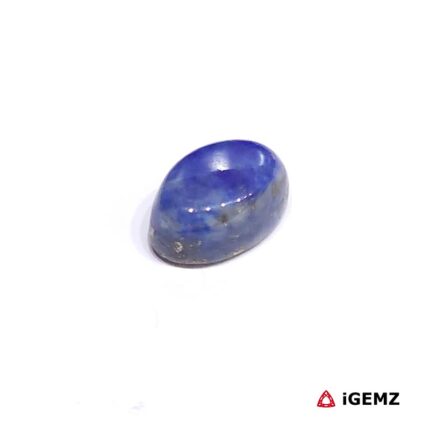
Lapis Lazuli combines deep blue colour, golden pyrite inclusions, and occasional white calcite streaks to produce a unique and ornamental appearance.

Lustre
Vitreous to waxy; polished stones exhibit a smooth sheen.

Transparency
Opaque to semi-translucent in thin sections; fine jewellery pieces may show slight translucency at edges.

Refractive index
1.50 – 1.60, variable depending on mineral composition.

Specific gravity
2.7 – 2.9, depending on lazurite and calcite content.
Colour Range
Lapis Lazuli is prized for its rich blue colour, often with:
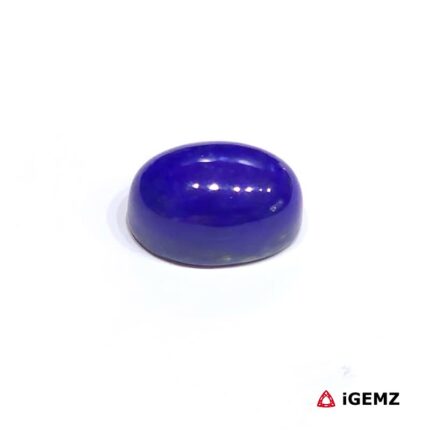
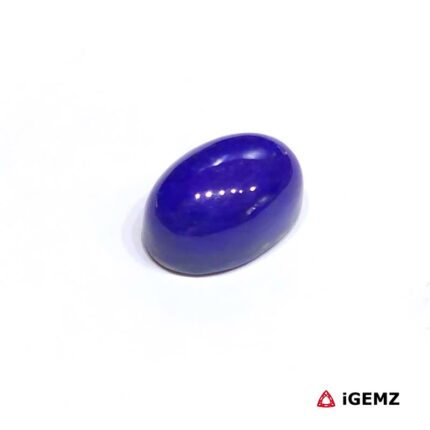
Deep ultramarine
Gold pyrite flecks
Occasional white calcite streaks
The most valued stones have intense, uniform blue with minimal calcite and evenly distributed pyrite.
Mohs Hardness and Durability

Lapis Lazuli has a Mohs hardness of 5 – 5.5, making it moderately soft.
It is suitable for pendants, earrings, beads, and decorative carvings but requires protection from sharp knocks in rings.
Treatments

Most lapis lazuli is untreated. Occasionally, low-grade stones may be dyed to enhance blue colour or impregnated with wax/resin to improve polish and durability. High-quality material is natural with no enhancement.
Care and Cleaning
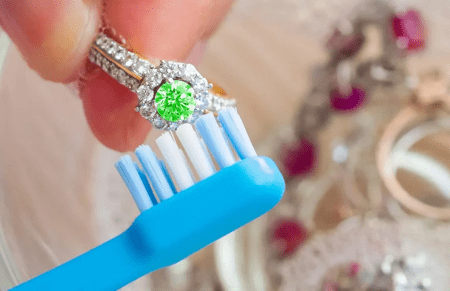
Avoid ultrasonic and steam cleaners.
Do not expose to acids or harsh chemicals.
Clean with warm water, mild soap, and a soft cloth.
Store lapis lazuli separately from harder gemstones.
Major Origins
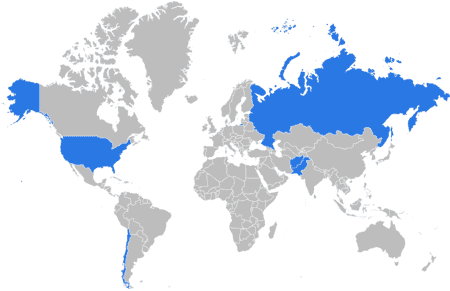
Major sources of lapis lazuli include:
Afghanistan (Badakhshan)
Chile
Russia
Pakistan
United States (California, Colorado)

Frequently Asked Questions
Is lapis lazuli a natural gemstone?
Yes, <a href=”https://www.igemz.co.za/product-category/natural-gemstones/lapis-lazuli/” target=”_blank”>lapis lazuli</a> is a naturally occurring rock composed primarily of lazurite.
What gives lapis lazuli its blue colour?
The mineral lazurite provides the deep ultramarine blue characteristic of <a href=”https://www.igemz.co.za/product-category/natural-gemstones/lapis-lazuli/” target=”_blank”>lapis lazuli</a>.
Is lapis lazuli treated?
Most is untreated; low-grade stones may be dyed or wax/resin impregnated.
Is lapis lazuli suitable for daily wear?
It has a Mohs hardness of 5–5.5, so it should be worn carefully and protected from impact.
How can I identify real lapis lazuli?
Look for deep blue colour, pyrite flecks, minimal calcite, and a smooth polished surface.
Does lapis lazuli fade in sunlight?
No, natural, high-quality lapis lazuli is colour stable, but prolonged exposure to strong light may slightly alter softer stones.
Where does the finest lapis lazuli come from?
Afghanistan’s Badakhshan mines are the source of the finest ultramarine <a href=”https://www.igemz.co.za/product-category/natural-gemstones/lapis-lazuli/” target=”_blank”>lapis lazuli</a>.
Can lapis lazuli be scratched easily?
Yes, it is softer than quartz or sapphire and should be stored separately.
Is lapis lazuli suitable for carving?
Yes, its compact texture allows for intricate carving and ornamental pieces.
Is lapis lazuli a good jewellery stone?
Yes, for pendants, earrings, beads, and occasional rings, especially when properly protected.