



 1st - Gold


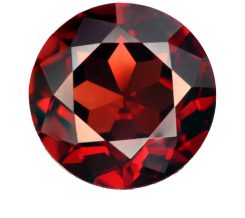 January
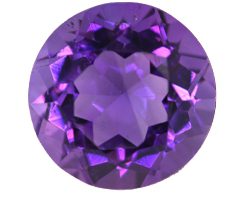 February
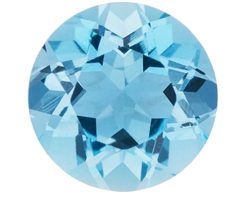 March
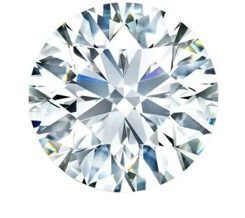 April
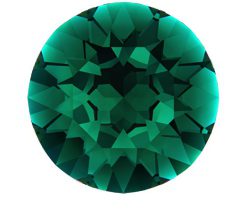 May
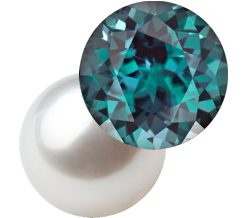 June
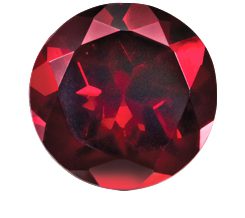 July
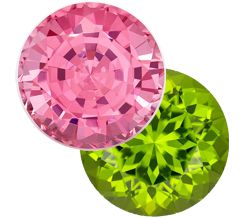 August
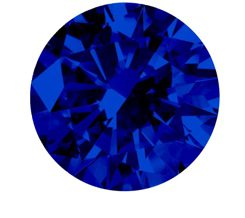 September
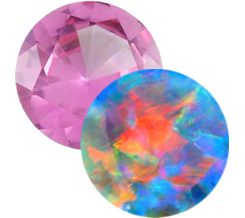 October
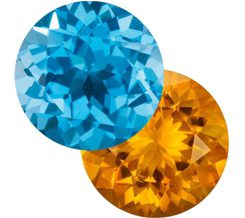 November
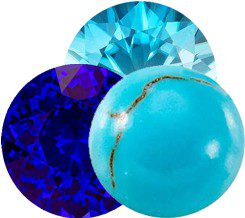 December

 Capricorn - Garnet
 Aquarius - Amethyst
 Pisces - Aquamarine
 Aries - Diamond
 Taurus - Emerald
 Gemini - Pearl
 Cancer - Ruby
 Leo - Peridot
 Virgo - Blue Sapphire
 Libra - Opal
 Scorpio - Topaz
 Sagittarius - Tanzanite



What Does Eye-Clean Mean Without a Viewing Distance? Practical Insights for Loose Gemstone Buyers
Gemstone Journal · 10 min read
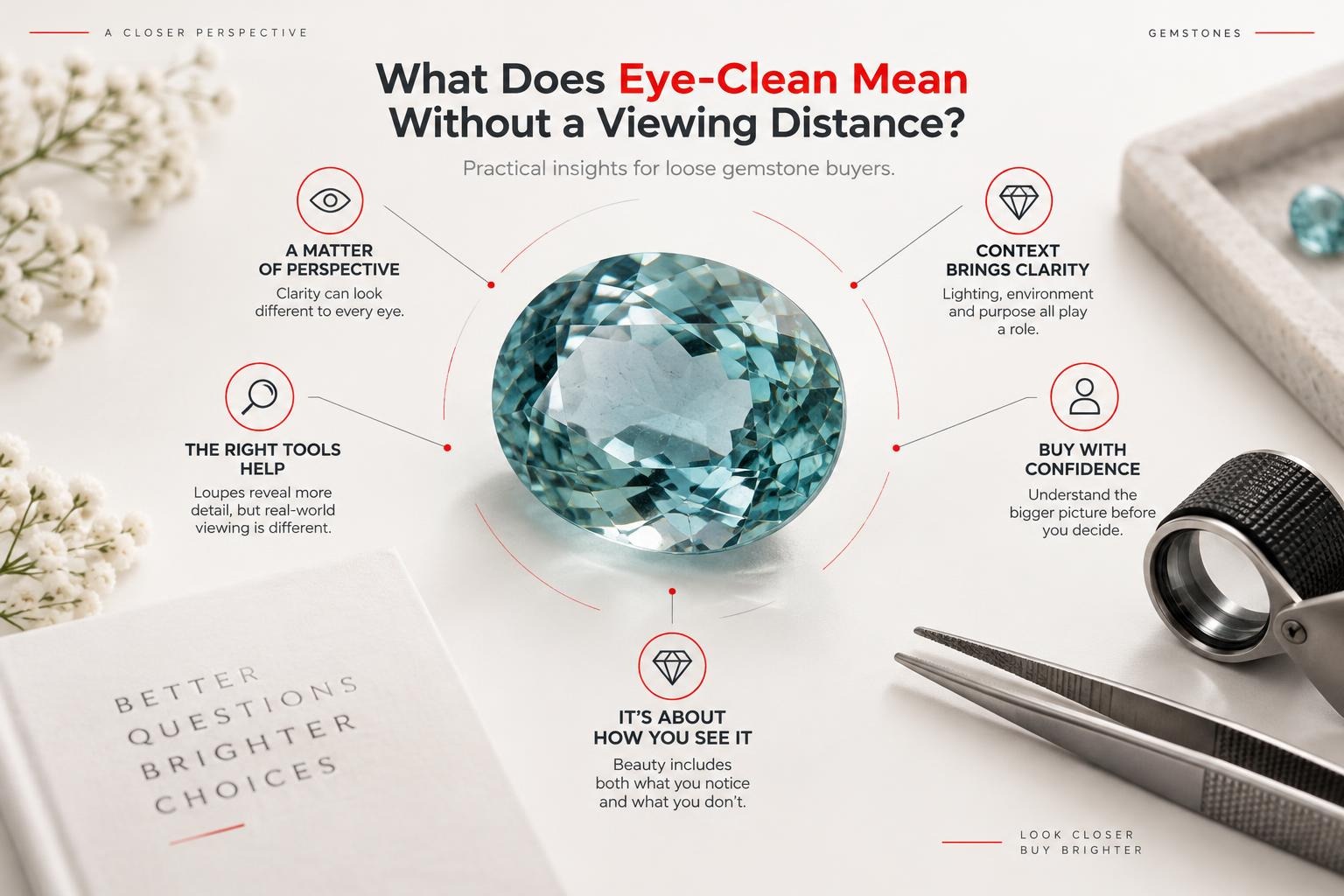
In the world of buying loose gemstones, the term 'eye clean' is often used to describe clarity. However, without specifying the viewing distance or conditions, this claim can be ambiguous. Understanding 'eye clean viewing conditions' is essential to correctly interpret what sellers mean and to set realistic expectations. This guide clarifies how clarity terms relate to observed inclusions, the typical conditions assumed, and practical advice for buyers to navigate these claims with confidence.
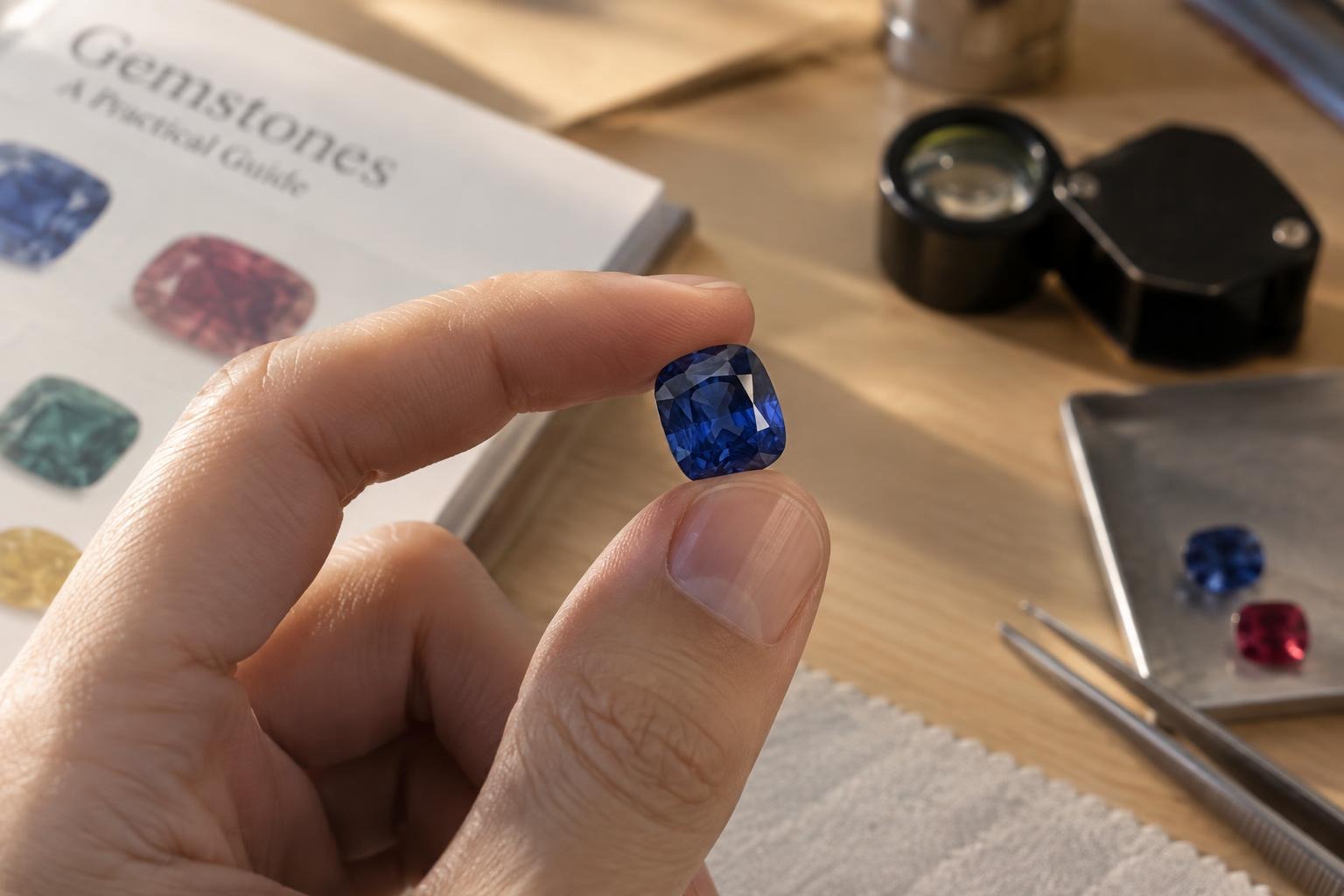
The image is for illustration purposes and is not an actual stock item.
Defining 'Eye Clean' in Gemstone Clarity Without a Viewing Distance
The term 'eye clean' is widely used among gemstone sellers and traders, but its meaning can vary without a standardised viewing distance or lighting conditions. Essentially, 'eye clean' suggests that no inclusions or blemishes are visible to the naked eye, meaning without magnification tools. However, what constitutes the 'naked eye' and under what conditions—such as lighting quality, gemstone orientation, and viewing distance—is often unstated.
Typically, gemmologists assess clarity by observing stones under controlled environments, around 25 to 30 centimetres from the eye, in diffused daylight or equivalent standardised lighting. Without these qualifiers, the buyer's interpretation may differ from the seller's intended definition.
How Sellers Use 'Eye Clean': Practical Interpretations and Limitations
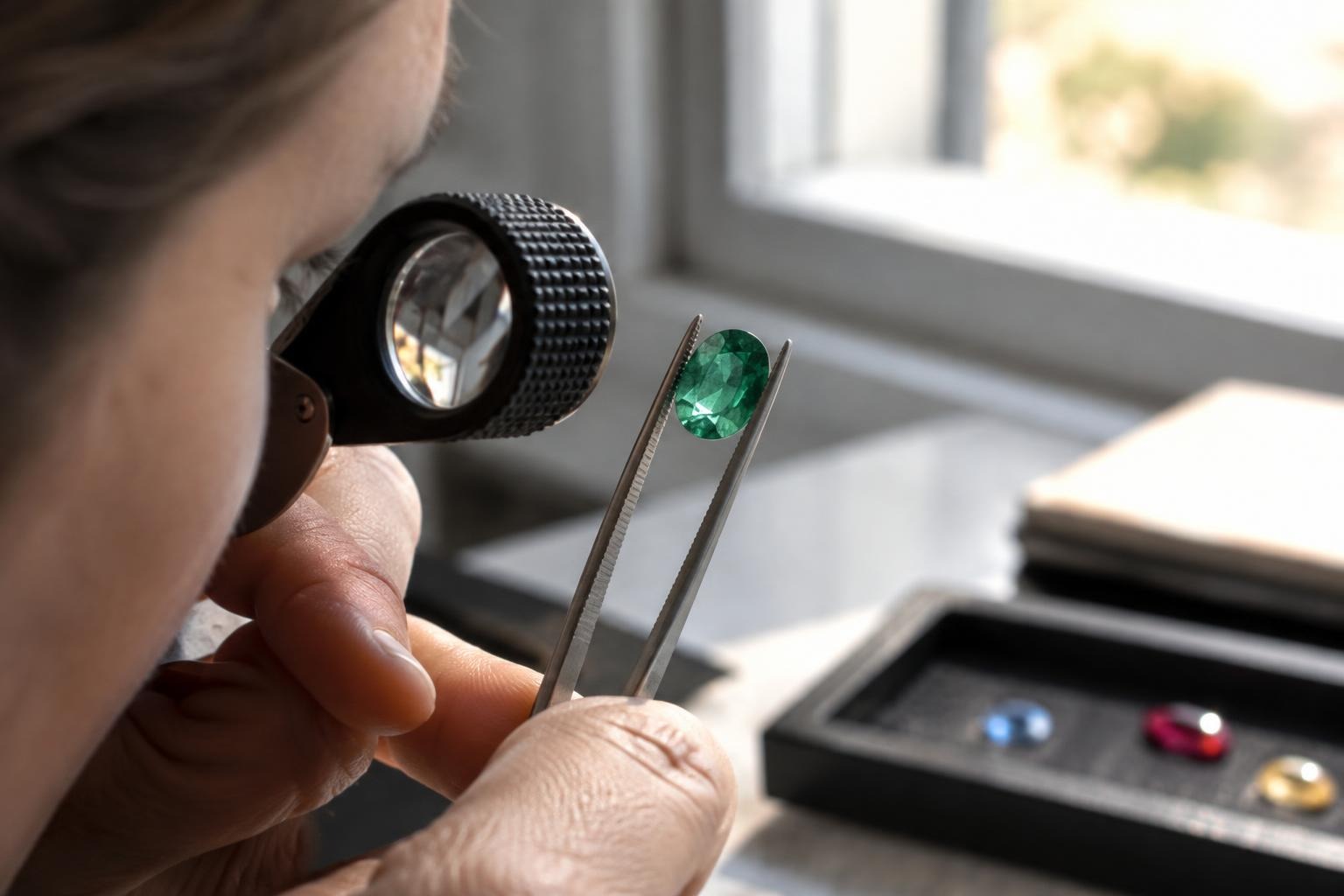
When a seller claims a gemstone is 'eye clean', they imply it appears free of visible inclusions when looked at under 'normal' conditions. But as there is no universal standard, 'normal' is subjective.
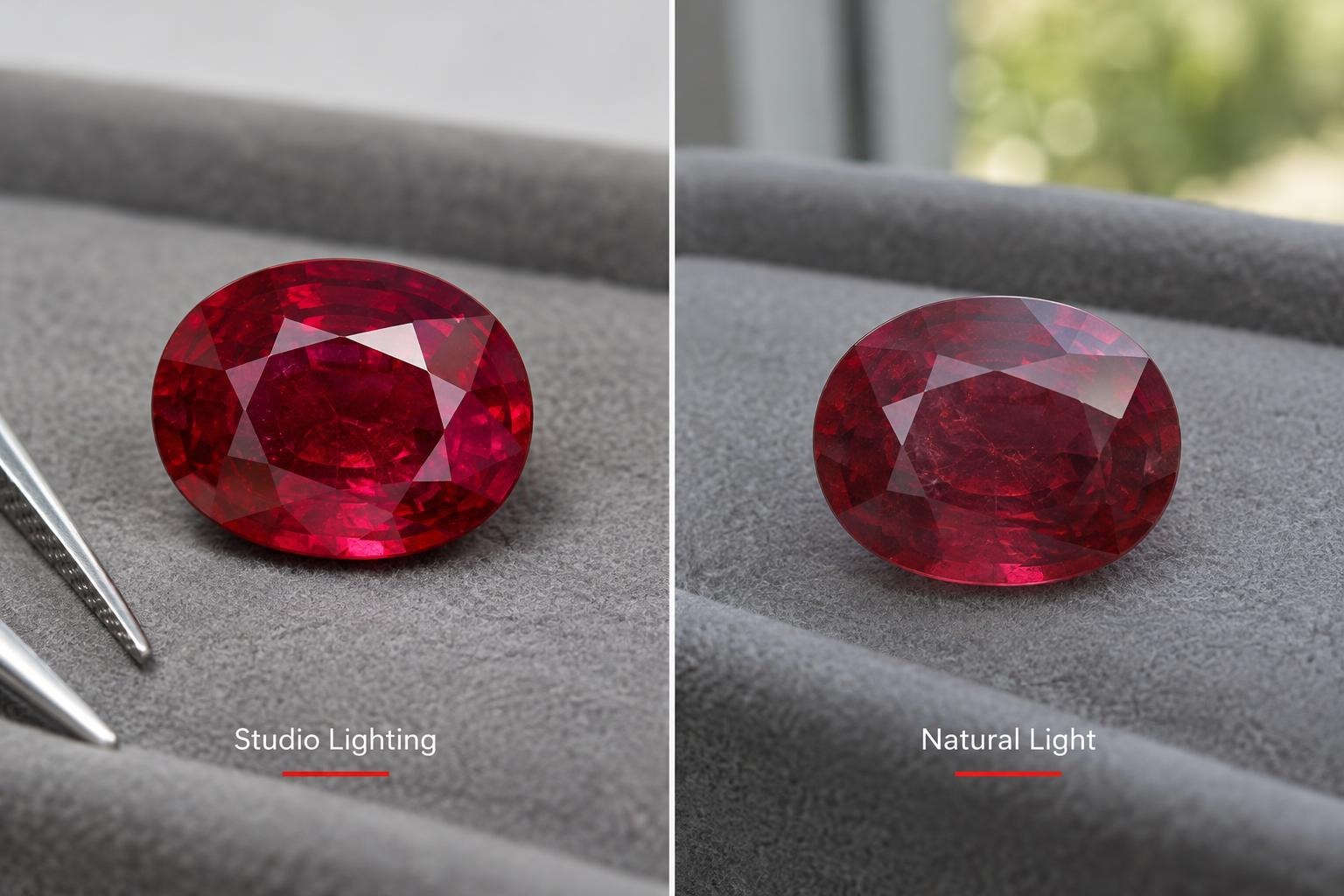
For example, a loose gemstone examined under showroom lighting or direct sunlight may reveal different inclusion visibility compared to soft indoor lighting. Moreover, stones with minute inclusions positioned just beneath the surface might be apparent at close-up inspection but not during casual viewing.
These nuances mean 'eye clean' should be understood as an approximation rather than an exact grade. Buyers should ask sellers about the general conditions under which the clarity was judged and consider professional assessment where clarity details matter greatly.
Viewing Distance: Why It Matters for Interpreting Clarity Claims
Viewing distance is crucial because inclusions generally become easier to see the closer you get. Most gemmological clarity grading systems assume a viewing distance of approximately 25 centimetres (about 10 inches), roughly the distance from the eye to a gemstone held in hand.
Without specifying this distance, the term 'eye clean' could be misleading. For instance, inclusions invisible at 30 centimetres may show clearly at 10 centimetres or under a loupe. This is particularly relevant when purchasing loose gemstones online, where buyers cannot physically inspect stones at a fixed distance.
Understanding this limitation helps buyers avoid surprises once the gemstone arrives.
Standard Clarity Definitions and How 'Eye Clean' Fits In
Official gemstone clarity grading systems, such as those by the Gemological Institute of America (GIA) or other gemmological laboratories, provide descriptions linked to inclusion size, number, position, and visibility under 10x magnification.
'Eye clean' sits informally between grades, indicating inclusions are not visible to the naked eye without magnification but does not equate to flawless.
While laboratories often report detailed clarity grading with defined criteria and magnification, sellers’ 'eye clean' claims act as shorthand to communicate that inclusions are minimal or visually negligible.
For further understanding of clarity grades, see iGemz’s comprehensive "Gemstone Clarity Grading" guide.
Illustrative Scenarios: Examples of Eye-Clean Evaluations Without Set Distances
Consider a loose sapphire listed as 'eye clean'. Under diffused natural light and at a relaxed arm’s length, this would typically mean no obvious inclusions disturb the gem’s appearance.
However, if a buyer examines the stone closely, at say 15 centimetres or with a bright light source, small pinpoint inclusions may become apparent.
Another example is a tsavorite garnet described as 'eye clean', where slight internal feathers or crystals may exist but are masked by the stone’s brilliance and viewing angle.
These scenarios underline that without strict viewing distance, 'eye clean' is best viewed as a qualitative rather than quantitative assertion.
Evidence Limitations: Why Photographs and Online Descriptions Can Be Unreliable
Many buyers rely on photographs and online descriptions for clarity judgements. However, images rarely capture inclusions accurately due to lighting setups, photo resolution, and post-processing.
Furthermore, inclusion visibility in photos may differ drastically under different viewing distances and angles.
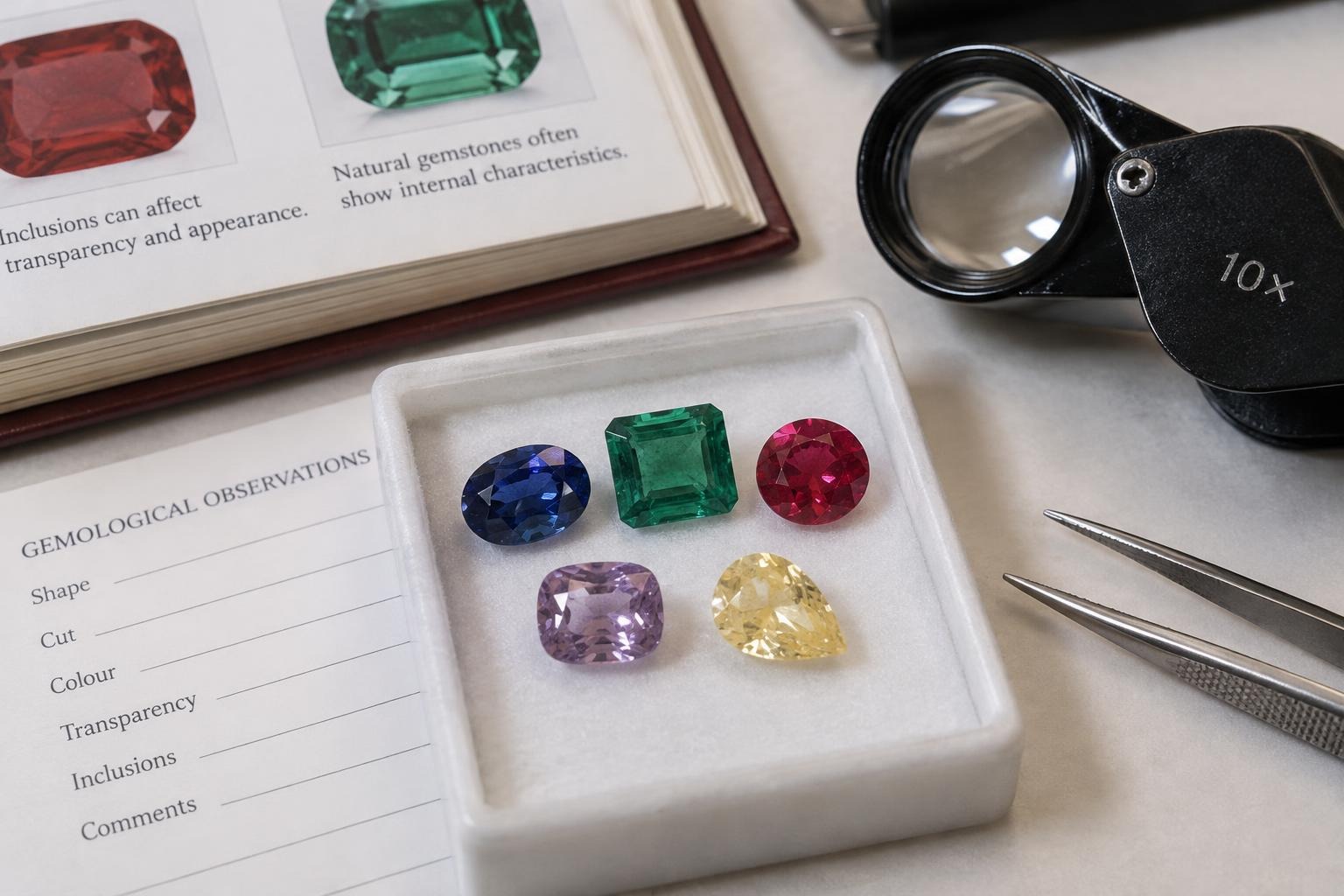
Since 'eye clean viewing conditions' inherently relate to human vision at specific proximities, photos offer only an imperfect glimpse.
Buyers are encouraged to interpret online 'eye clean' claims cautiously and request additional images or video if needed.
Professional in-person or third-party gemmological appraisal remains the best way to clarify gemstone clarity precisely.
Another important consideration involves the effect of observer variability on 'eye clean viewing conditions'. Human eyesight differs substantially from person to person, including factors like visual acuity, colour perception, and contrast sensitivity. Consequently, a gemstone deemed eye clean by one individual under certain conditions might reveal visible inclusions to another with sharper vision or under slightly different lighting. This subjectivity underscores why sellers’ claims inherently lack universal applicability and why buyers should treat ‘eye clean’ as an approximate rather than absolute descriptor.
The gemstone’s cut and shape further influence the perception of clarity within typical viewing distances. Well-executed faceting can mask or diminish the visibility of inclusions by redirecting light, whereas certain cuts or large, open facets may expose internal features more clearly. For instance, a gemstone with a shallow cut could allow light to pass through inclusions more noticeably, making them easier to see from several centimetres away. Understanding how cut quality interacts with clarity assessments is therefore integral when interpreting ‘eye clean’ claims without defined viewing distances.
In addition, the practical usage of a loose gemstone affects how meaningful an ‘eye clean’ claim is without viewing distance context. When set into jewellery, especially if viewed from normal social distances, minor inclusions invisible to the unaided eye at a few centimetres often become insignificant visually, even if identified by close inspection of the loose stone. Thus, buyers should align clarity expectations with how the gemstone will ultimately be worn or displayed, as this may reduce concern over inclusions marginally visible in loose form.
A further limitation relates to inspection methods: ‘eye clean’ specifically refers to unaided-eye examination, excluding the use of magnification tools such as 10x loupes or microscopes typically employed in gemmology. However, in informal contexts, both sellers and buyers sometimes use small magnifiers during gemstone assessment, inadvertently blurring the boundaries of ‘eye clean viewing conditions’. Buyers should confirm that the claim is based solely on naked-eye observation at the seller’s intended distance to avoid misunderstandings.
When communicating with sellers, requesting explicit information about the viewing distance and lighting parameters used to determine ‘eye clean’ status helps bridge subjective claims and buyer expectations. Supplemental materials such as short videos or additional photographs showing the gemstone from various distances and angles can provide valuable context, reducing ambiguity.
Finally, the inconsistent application of ‘eye clean’ across different sellers and listings means that relying solely on the term without consistent standards can mislead comparisons between stones. Combining ‘eye clean’ claims with an evaluation of species-specific inclusion behaviour, cut quality, seller credibility, image scrutiny, and available gemmological reports supports more confident decisions when purchasing loose gemstones online. Ultimately, awareness of these multifaceted influences on clarity perception enables buyers to navigate ‘eye clean viewing conditions’ claims with practical wisdom and realistic expectations.
Practical Questions for Buyers When Evaluating 'Eye Clean' Claims
When shopping for loose gemstones, especially online, buyers should seek clarity on several points:
What lighting and distance did the seller use to declare the stone eye clean? Has the gemstone undergone professional clarity grading, or is the assessment informal? Are inclusions positioned in areas generally visible or hidden by the stone’s cut?
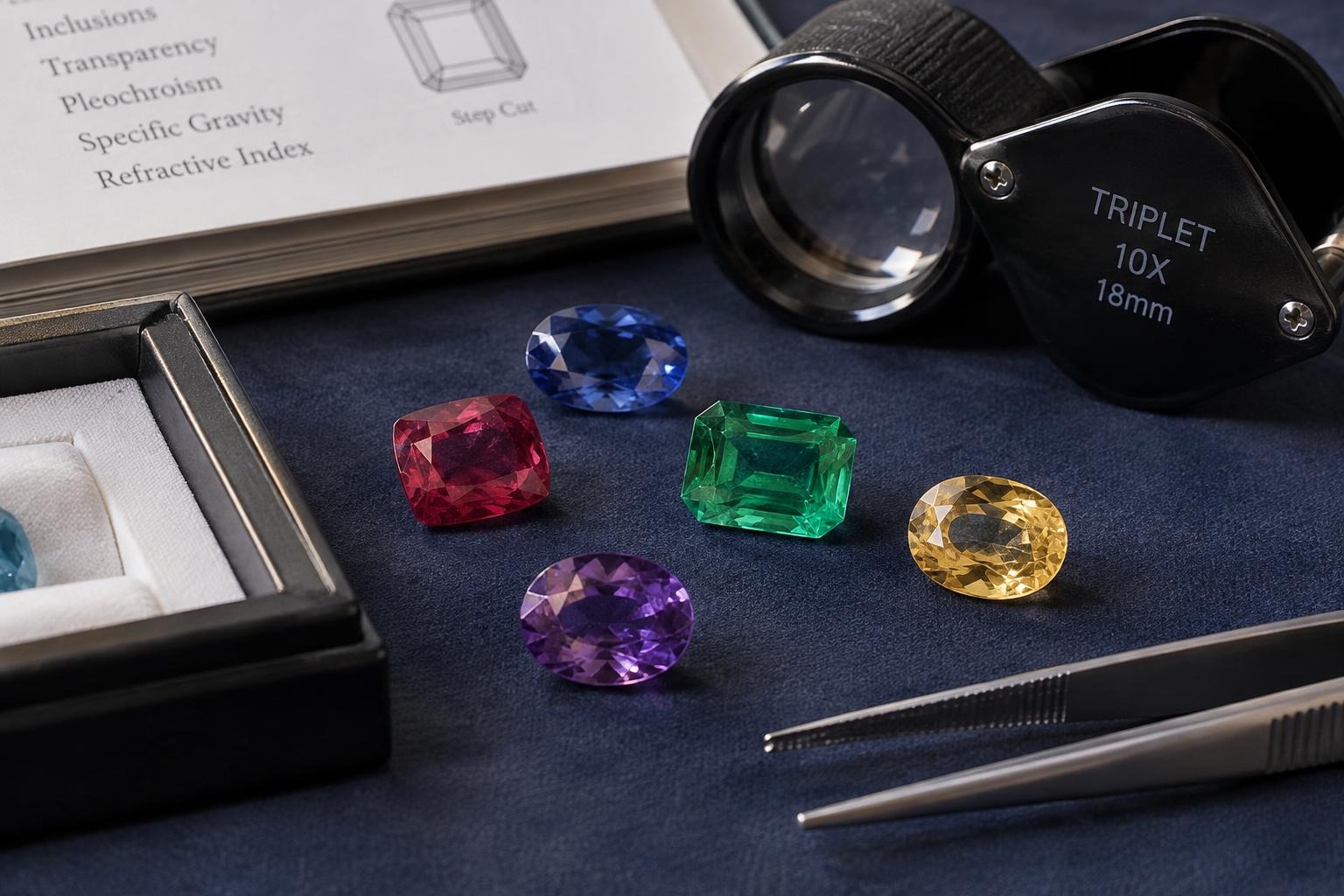
Understanding these factors helps buyers manage expectations and avoid assumptions.
Additionally, consider the gemstone species and variety, as some naturally have more visible inclusions that may not detract from overall beauty or durability.
For context, consult species-specific buying guides available on iGemz.
Distinguishing Documented Facts from Sales Descriptions
It is vital to separate documented gemmological facts from seller sales language.
While a laboratory report will provide documented clarity grading under controlled conditions with magnification, an 'eye clean' sales description reflects a seller’s visual impression without strict standards.
Buyers should use documented lab reports, when available, for definitive clarity information.
Without such reports, treat 'eye clean' as a helpful initial indicator rather than a guarantee.
For more on gemstone grading and certification, see the iGemz article 'How Gemstones Are Graded and Certified'.
This approach supports informed purchasing decisions while recognising claims’ inherent variability.
Integrating Clarity Knowledge When Choosing Loose Gemstones Online
Understanding that 'eye clean' lacks fixed viewing distance or lighting standards allows buyers to better evaluate loose gemstone listings.
By clarifying the seller’s viewing conditions, examining available images critically, and, where possible, obtaining third-party assessments, buyers can ascertain a gemstone’s quality in relation to clarity confidently.
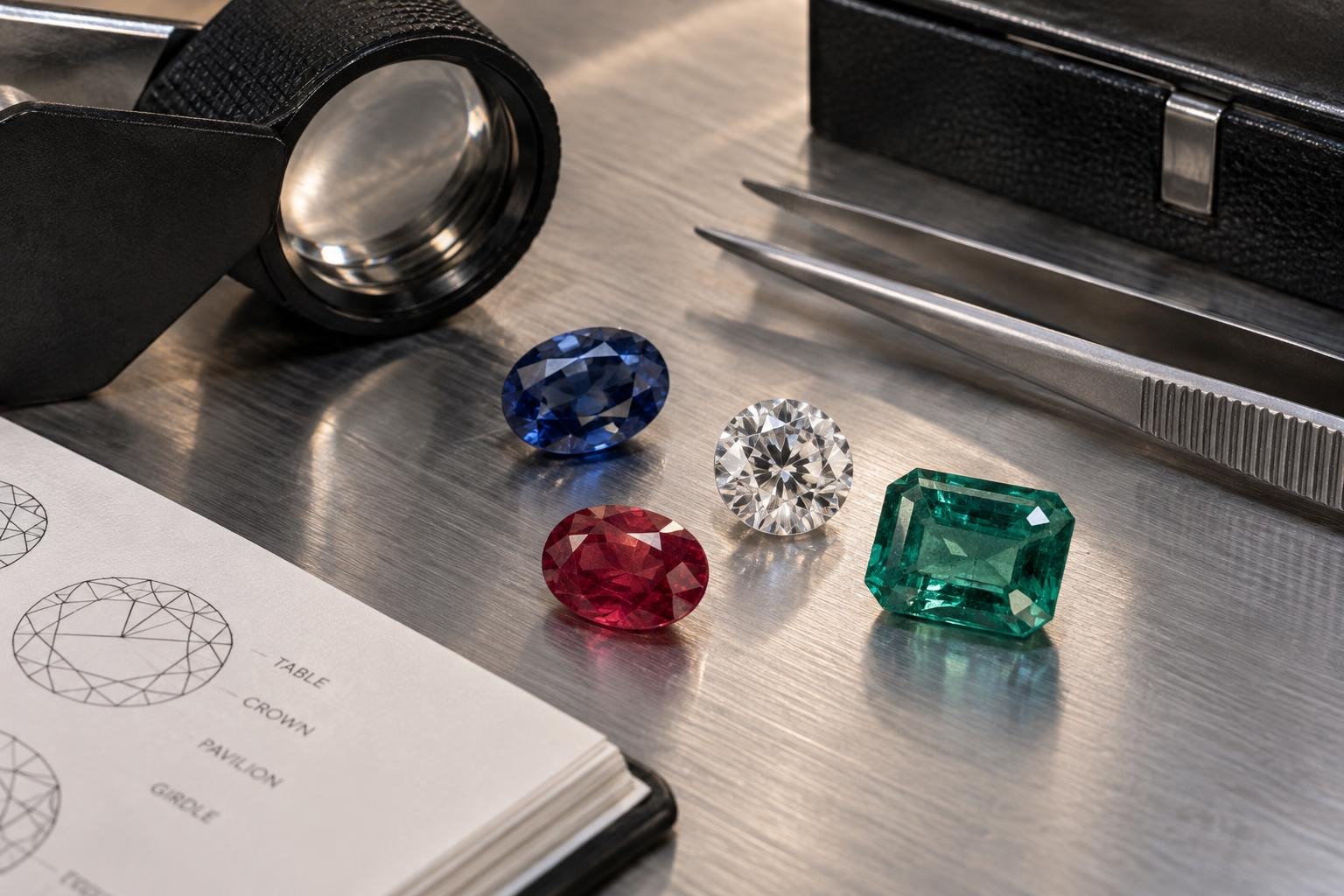
Combining this with knowledge of species-specific inclusion characteristics leads to realistic expectations.
Ultimately, the goal is to appreciate the inherent beauty of loose gemstones while navigating 'eye clean viewing conditions' claims with awareness and practical judgement.
In addition to understanding the variability caused by viewing distance and lighting, it is important to note that the observer’s individual eyesight can also affect what is considered 'eye clean'. Visual acuity varies between people; some may detect minute inclusions unaided that others do not perceive. This human factor means 'eye clean viewing conditions' inherently involve subjectivity beyond just environmental parameters. For buyers, acknowledging this subjectivity is critical, especially when purchasing online where the seller’s eyesight and conditions may differ significantly from the buyer’s.
Moreover, the cut and shape of the gemstone influence inclusion visibility under typical viewing conditions. Well-cut stones may hide certain inclusions by reflecting light strategically, making them less noticeable at arm’s length. Conversely, poor cutting or certain shapes with large open facets can make even minor inclusions readily apparent. Thus, an 'eye clean' claim without viewing distance details should also be considered alongside cut quality and facet arrangement.
It is also practical to consider the realistic usage of the gemstone. For instance, inclusions that are visible only when examining a loose gemstone closely at 15 centimetres may become nearly invisible once set in jewellery and viewed at social distances. This contextual understanding helps buyers interpret 'eye clean' in ways that align with how the stone will be ultimately enjoyed.
Another limitation arises when viewing with magnification tools such as loupes or microscopes, commonly used by gemmologists. 'Eye clean' specifically excludes inclusions visible under 10x magnification, yet some sellers or buyers may informally use small magnifiers during inspection, confusing unaided visibility standards. Buyers should clarify that 'eye clean' refers strictly to unaided eye observations at the seller’s stated conditions.
Practically, when discussing an 'eye clean' gemstone with a seller, asking for specific viewing distances, or even a short video showing the stone at different proximities can be beneficial. This step can bridge the gap between subjective claims and buyer expectations, offering a more transparent insight into clarity.
Finally, when multiple sellers use 'eye clean' differently, comparing stones based solely on such claims becomes unreliable without consistent standards. Buyers should consider these claims as part of a broader assessment including stone photographs, species characteristics, seller reputation, and, if possible, independent gemmological reports to inform decisions on loose gemstone purchases.
Your questions, answered
What is meant by 'eye clean' when no viewing distance is specified?
Without a specified viewing distance, 'eye clean' means that no inclusions are visible to the unaided eye under undefined typical conditions. Since viewing distance affects visibility, the claim is approximate and not precisely measurable.
How does lighting affect the visibility of inclusions in eye-clean gemstones?
Lighting can dramatically influence inclusion visibility. Bright, direct light may reveal inclusions not seen under diffused or indoor lighting, so 'eye clean' depends partly on the typical lighting used for assessment.
Can an eye-clean gemstone have inclusions?
Yes. 'Eye clean' only means inclusions are not visible to the naked eye under certain conditions. Inclusions smaller or positioned where they are not obvious do not disqualify this description.
Should I rely solely on an eye-clean claim when buying gemstones online?
No. Since 'eye clean' is subjective without standardised viewing parameters, combine the claim with clear images, seller information, and preferably independent grading for a confident purchase.
What is the difference between eye-clean claims and laboratory clarity grading?
Eye-clean claims are informal assessments of unaided-eye visibility, often without fixed standards, while laboratory clarity grades are documented evaluations under controlled lighting and 10x magnification based on accepted criteria.
Find a colour that speaks to you.
Explore our range of loose gemstones with detailed descriptions and images to find your perfect eye-clean treasure today.