 1st - Gold
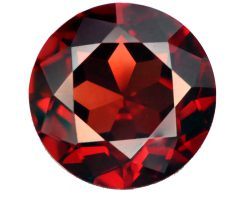 January
 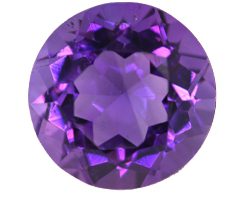 February
 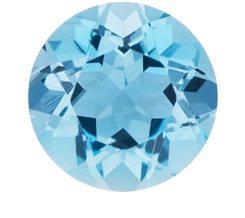 March
March 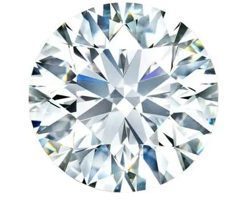 April
April 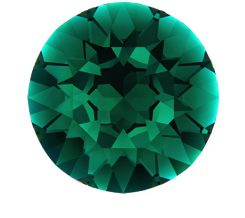 May
May 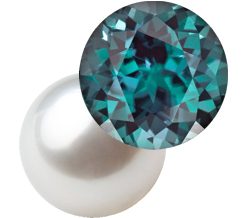 June
June 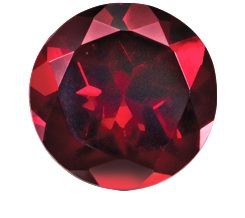 July
July 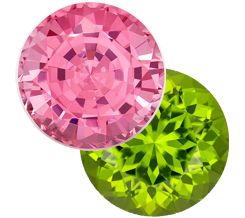 August
 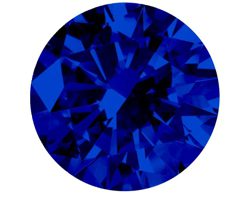 September
 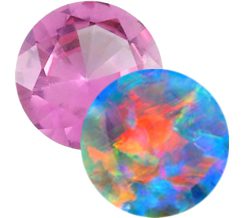 October
 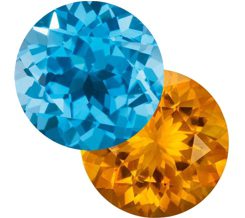 November
 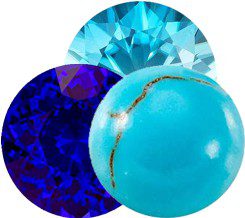 December
 Capricorn - Garnet
  Aquarius - Amethyst
  Pisces - Aquamarine
  Aries - Diamond
  Taurus - Emerald
  Gemini - Pearl
  Cancer - Ruby
  Leo - Peridot
  Virgo - Blue Sapphire
  Libra - Opal
  Scorpio - Topaz
  Sagittarius - Tanzanite


April Birthstone: The Beauty of Diamonds
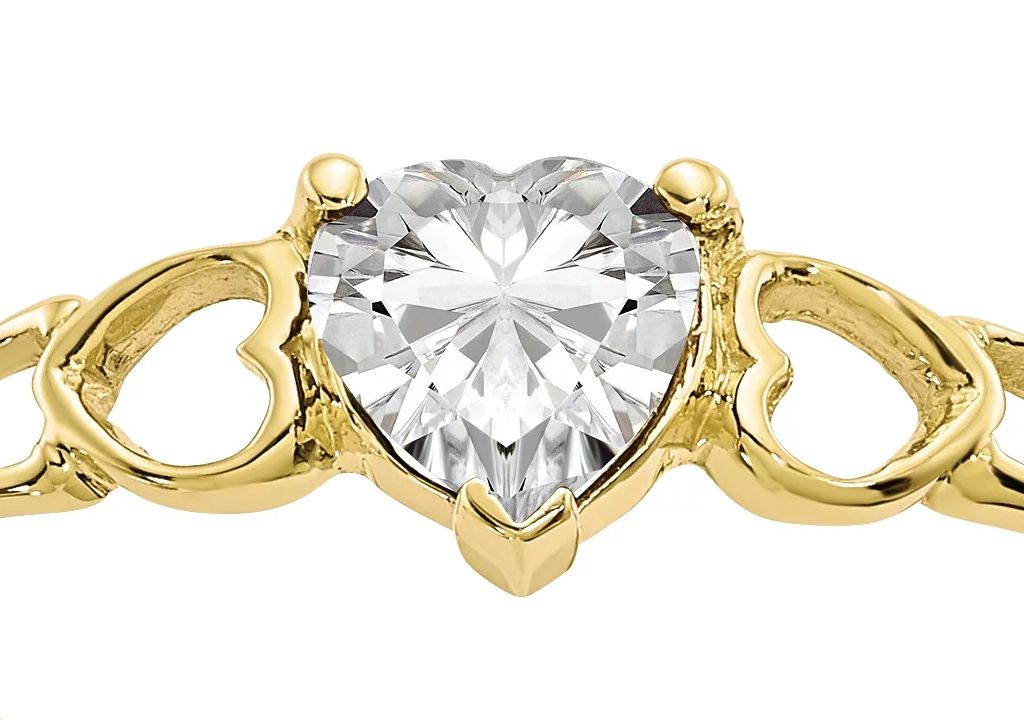
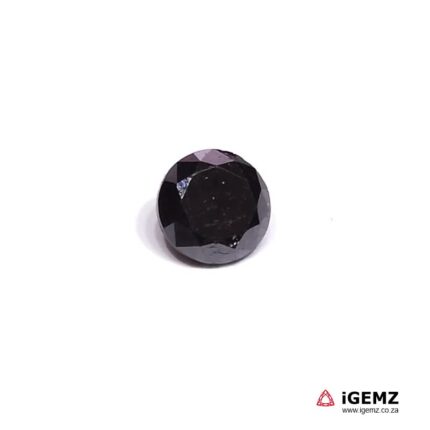
There’s something about diamonds that have captivated people for centuries. Perhaps it’s their natural beauty or the way they sparkle and catch the light. Or maybe it’s the way diamonds have come to symbolize everlasting love. Whatever the reason, diamonds are one of the most popular gemstones and the April birthstone. While diamonds come in many colours, the most coveted diamonds are those that are colourless or near colourless. These diamonds are sometimes referred to as “white” diamonds, although they can have a faint yellow, brown, or gray tinge. colourless diamonds are the rarest and most expensive diamonds. The majority of diamonds found in jewelry stores are classified as ” near colourless,” with a yellowish or brownish tint.
April’s birthstone is the diamond, which is said to represent eternal love.
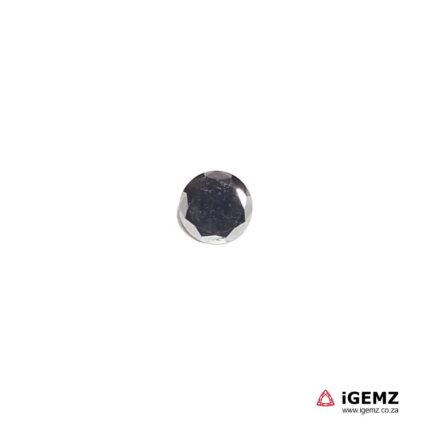
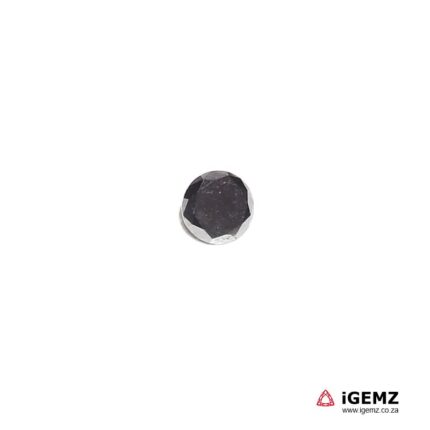
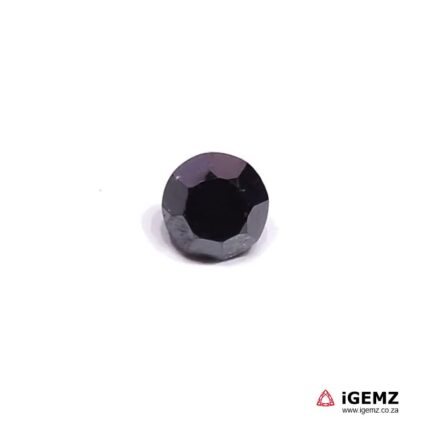
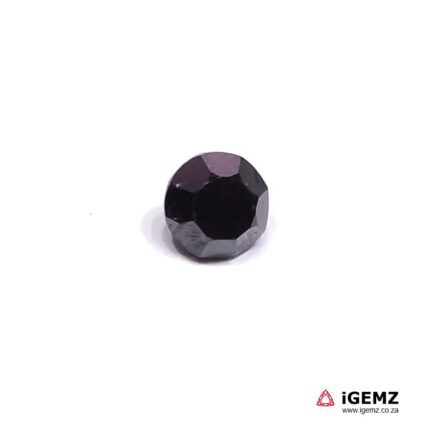
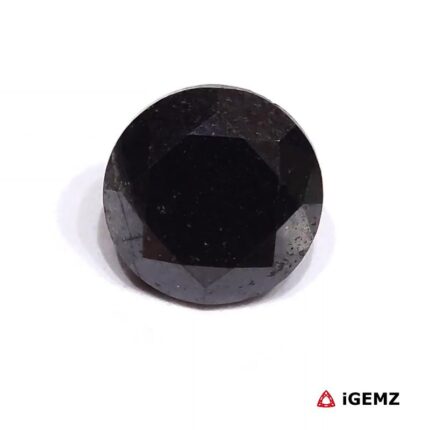
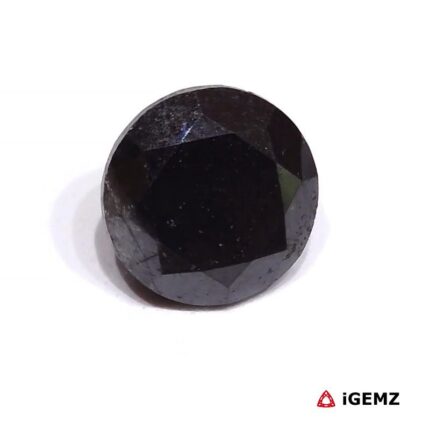
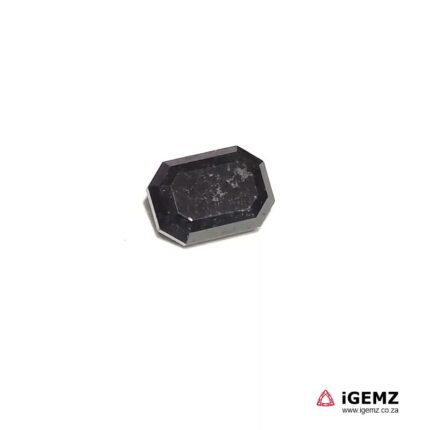
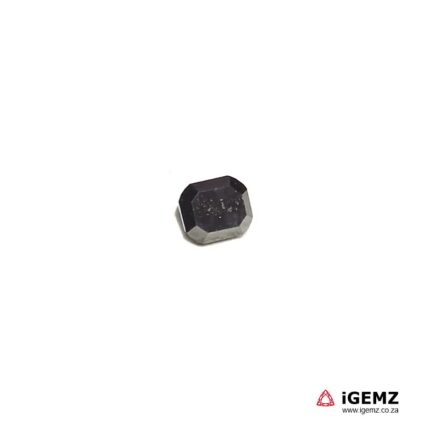
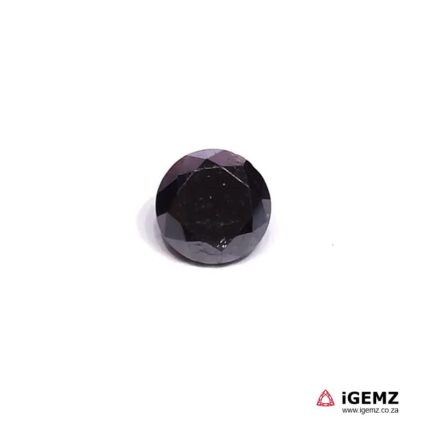
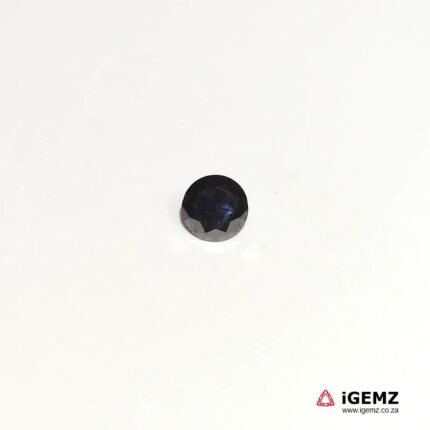
For centuries, diamonds have been revered for their unrivaled beauty. A symbol of love and strength, these precious stones have been used to adorn royalty and express deep feelings of affection. Though found in many colours, the April birthstone is most commonly associated with the colour white, which is said to represent purity and innocence. While the most popular diamonds are clear, they can also be found in a variety of colours including yellow, pink, blue, and even black. While each colour has its own unique meaning, all diamonds are said to represent strength, clarity, and endurance. First mined in India over 4,000 years ago, diamonds were originally used as tools. It wasn’t until the Middle Ages that diamonds began to be used as jewelry. By the 14th century, only the wealthy could afford to wear these precious stones. It wasn’t until the 18th century that diamonds became more widely available. Thanks to advances in mining and cutting techniques, diamonds became more affordable and were soon being worn by people from all walks of life. Today, diamonds are still treasured for their beauty and meaning. Whether given as a symbol of love or worn as a fashion statement, diamonds continue to dazzle and delight.
Diamonds are the hardest natural material on Earth, making them resistant to scratching and chipping.
Diamonds are the hardest natural material on Earth, making them resistant to scratching and chipping. The word “diamond” comes from the Greek word “adamas”, which means “invincible”. Diamonds are made up of a single element, carbon, and are formed deep within the Earth’s mantle under extreme heat and pressure. Diamonds have been treasured since ancient times and have been used as both currency and adornment. The first recorded diamond sale was in China in the 4th century BC. In the Middle Ages, diamonds were believed to ward off evil spirits and were also thought to be the tears of gods. Diamonds were first mined in India over 2,000 years ago and were brought to Europe in the 14th century by travelers. India remained the only source of diamonds until the 18th century when they were discovered in Brazil. By the early 19th century, diamonds were also being mined in South Africa.
Today, diamonds are mined in countries all over the world, including Australia, Russia, and Canada. The majority of the world’s diamonds are used in jewelry, but they are also used in industrial applications such as diamond-tipped drill bits and saws. The unique properties of diamonds make them one of the most popular gemstones. They are known for their exceptional hardness, durability, and brilliance. Diamonds come in many colours, including the classic white, yellow, and pink. If you are lucky enough to own a diamond, it is important to take care of it.Diamonds should be cleaned with a mild soap and water solution and should be stored in a soft cloth pouch or jewelry box. It is also important to have your diamond checked by a professional jeweler every few years to make sure it is in good condition.
They are also the most refractive gemstone, meaning they can disperse light into a spectrum of colours.
When we think of April, we think of the beauty of spring flowers. But did you know that diamonds are also an April birthstone? That’s right, these sparkling gemstones are not just for engagement rings and wedding bands, but are also a beautiful way to celebrate the April birthdays in your life. There are many reasons why diamonds are so special. For starters, they are the hardest natural material on Earth. This means that diamonds are extremely durable and can withstand a lot of wear and tear. They are also the most refractive gemstone, meaning they can disperse light into a spectrum of colours. This is what gives diamonds their characteristic sparkle. In addition to being beautiful, diamonds are also a symbol of love and commitment. For many couples, giving a diamond engagement ring is a way to show that their love is forever. Diamonds are also a popular choice for wedding rings and other anniversary jewelry. So if you are looking for a special gift for the diamond lover in your life, April is the perfect time to do it.
Natural diamonds are formed over millions of years deep within the Earth’s mantle and brought to the surface by volcanic eruptions.
The first thing to understand about natural diamonds is that they are formed over an incredibly long period of time, deep within the Earth’s mantle. This process begins with the formation of a carbon-bearing material called a “diamond seed”. This seed grows over time as more and more carbon is added to it. Eventually, the seed grows large enough to be brought to the surface by a volcanic eruption. Once a natural diamond is brought to the surface, it is exposed to a variety of forces that can shape and polish it. The most important of these forces is the action of wind and water. Wind and water can wear away at the rough edges of a natural diamond, gradually transforming it into the beautiful, sparkling gemstone that we are familiar with. It is important to remember that natural diamonds are quite rare. In fact, for every one million diamonds that are mined, only about one will be of gem quality. This is why diamonds are so highly valued by jewelers and collectors. They are truly unique and precious gems.
Today, the vast majority of diamonds used in jewelry are actually mined from kimberlite and lamproite pipes.
If you’re born in April, then you’re lucky enough to have the most coveted gemstone in the world as your birthstone: the diamond. Though diamonds are now most often associated with engagement rings and other fine jewelry, they have a long and rich history that goes back thousands of years. The first diamonds were found in India, and were used as both ornamentation and as a talisman to ward off evil. In fact, the word “diamond” comes from the Greek word “adamas”, which means “invincible”. It’s easy to see why diamonds were thought to be so special and powerful, as they are the hardest natural substance on earth. Today, the vast majority of diamonds used in jewelry are actually mined from kimberlite and lamproite pipes. Kimberlite is a type of igneous rock that is found in the Earth’s crust, and is the most common type of rock that diamonds are found in. Lamproite is a less common type of rock, but diamonds are also sometimes found in lamproite pipes.
Most of the world’s diamonds come from Africa, though there are also significant diamond mines in Australia, Russia, and Canada. It can take a great deal of time and effort to find diamonds in these mines, as they are often buried deep underground. Once a diamond is found, it must then be cut and polished before it can be used in jewelry. This is a delicate and precise process, as diamonds are extremely hard and can easily shatter if they are not handled correctly. They are first cut into rough shapes with a diamond saw, and then the facets are cut into the diamond with a diamond cutter. After that, the diamond is polished with abrasives and finally inspected for any flaws or blemishes. The vast majority of diamonds used in jewelry today are so-called “conflict diamonds”, which are diamonds that have been mined in areas controlled by rebel groups. These groups often use the proceeds from diamond sales to finance their military activities, and so buying conflict diamonds effectively supports these activities.
The Kimberley Process was created in 2003 in an attempt to stem the flow of conflict diamonds, and requires diamond-producing countries to certify that the diamonds they are exporting are not from conflict zones. However, the Kimberley Process has been criticized for being ineffective, as it is difficult to track where diamonds come from and there is no way to guarantee that conflict diamonds are not being smuggled out of countries. Despite the controversies surrounding them, diamonds remain one of the most popular gemstones in the world. Their beauty and durability make them the perfect choice for engagement rings and other fine jewelry, and they will continue to be treasured for many years to come.
Diamonds are graded on the “Four Cs” scale: Carat, Cut, Clarity, and colour.
A diamond’s quality is judged by the “Four Cs”: Carat, Cut, Clarity, and colour. The Carat weight is how a diamond is measured and is the size of the diamond. One carat is equal to 0.2 grams. The cut of a diamond is how well the diamond has been cut and includes the height, depth, angles, and other factors. It affects the diamond’s symmetry, brightness, fire, and how sparkly the diamond appears. The clarity of a diamond is how many blemishes or inclusions and is judged on a 6 point scale from included to flawless. Included means there are blemishes or inclusions that can be seen by the naked eye, while flawless means there are no blemishes or inclusions. The colour of a diamond is judged on a scale from D (no hue) to Z (a yellow hued diamond). diamonds are often graded on a scale of D-F for “colourless” diamonds, and G-J for “near-colourless” diamonds.
Diamonds are graded on a “Four Cs” scale: Carat, Cut, Clarity, and colour. The Carat weight is how a diamond is measured and is the size of the diamond. One carat is equal to 0.2 grams. The cut of a diamond is how well the diamond has been cut and includes the height, depth, angles, and other factors. It affects the diamond’s symmetry, brightness, fire, and how sparkly the diamond appears. The clarity of a diamond is how many blemishes or inclusions and is judged on a 6 point scale from included to flawless. Included means there are blemishes or inclusions that can be seen by the naked eye, while flawless means there are no blemishes or inclusions. The colour of a diamond is judged on a scale from D (no hue) to Z (a yellow hued diamond). diamonds are often graded on a scale of D-F for “colourless” diamonds, and G-J for “near-colourless” diamonds.
When it comes to diamonds, the “Four Cs” are the important factors to consider. Carat weight is how the size of the diamond is measured. Cut includes the height, depth, angles, and other factors which affect the diamond’s symmetry, brightness, fire, and how sparkly the diamond appears. Clarity is judged on a 6 point scale from included to flawless, taking into account the number of blemishes or inclusions present. And finally, colour is judged on a scale from D (no hue) to Z (a yellow hued diamond).Keep these Four Cs in mind when shopping for diamonds so that you can find the perfect one for you.
Whether you are born in April or not, diamonds make for a beautiful and timeless piece of jewelry.
Whether you are born in April or not, diamonds make for a beautiful and timeless piece of jewelry. Though they are the hardest known natural material, diamonds can be broken and chipped if not treated with care. Even with their durability, it is best to take off diamond jewelry before participating in activities where there is a higher chance of the diamond becoming damaged. Diamonds have been treasured for centuries and were once only found in the jewelry of the wealthy. Now, diamonds can be found in a variety of settings and in different colours. Though most people think of diamonds as being clear, they can actually be found in a range of colours including yellow, blue, and even pink. When buying diamond jewelry, it is important to keep in mind the “4 Cs.” The “Four Cs” of diamonds stand for Carat, Cut, Clarity, and colour. Carat weight is how a diamond is measured and is the size of the diamond. Cut refers to the angles and proportions of the diamond and how well it has been cut. Clarity is how many blemishes or inclusions and is judged on a 6 point scale from included to flawless. colour is judged on a scale from D (no hue) to Z (a yellow hued diamond). Keep in mind these Four Cs when shopping for diamond jewelry so that you can find the best quality diamond for your budget. Whether you are looking for a diamond ring, necklace, or earrings, diamonds make for a beautiful and timeless piece of jewelry.
The month of April is associated with the diamond, which is fitting because this birthstone is truly a work of nature’s art. Diamonds have been treasured for centuries for their beauty and tough resistance to wear and tear. Today, they remain a popular choice for engagement rings and other fine jewelry. Thanks to modern technology, we can now enjoy diamonds in a wide variety of colours, sizes, and shapes. Whether you prefer the classic white diamond or something a little more unique, there’s a diamond out there that’s perfect for you.