

 1st - Gold

 January
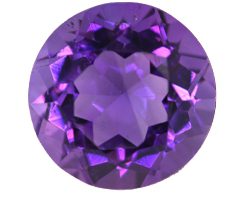 February
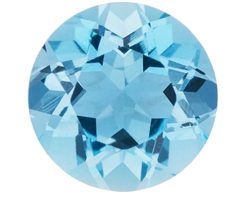 March
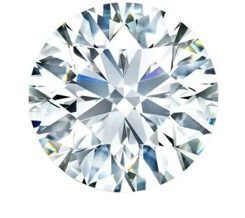 April
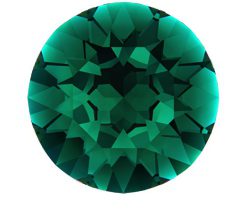 May
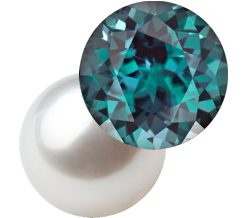 June
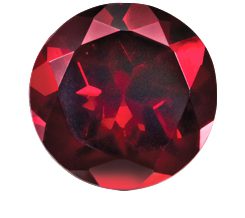 July
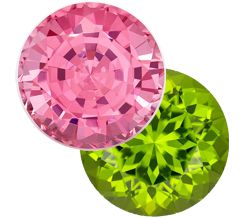 August
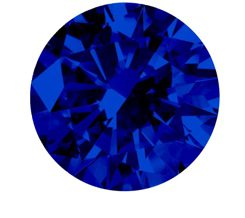 September
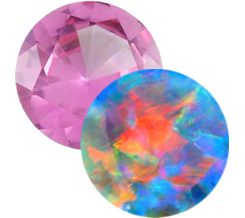 October
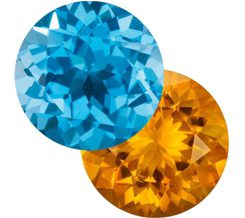 November
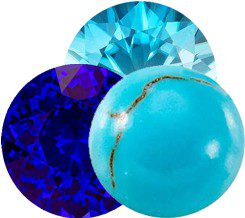 December

 Capricorn - Garnet
 Aquarius - Amethyst
 Pisces - Aquamarine
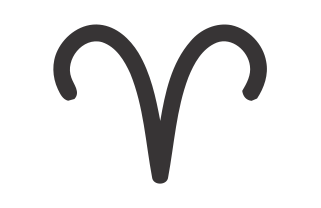 Aries - Diamond
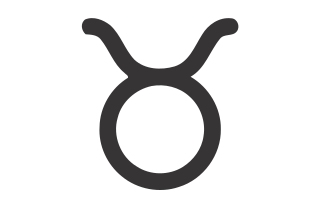 Taurus - Emerald
 Gemini - Pearl
 Cancer - Ruby
 Leo - Peridot
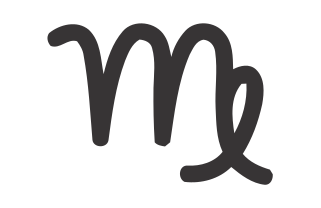 Virgo - Blue Sapphire
 Libra - Opal
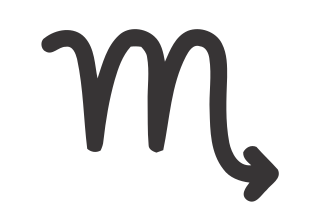 Scorpio - Topaz
 Sagittarius - Tanzanite


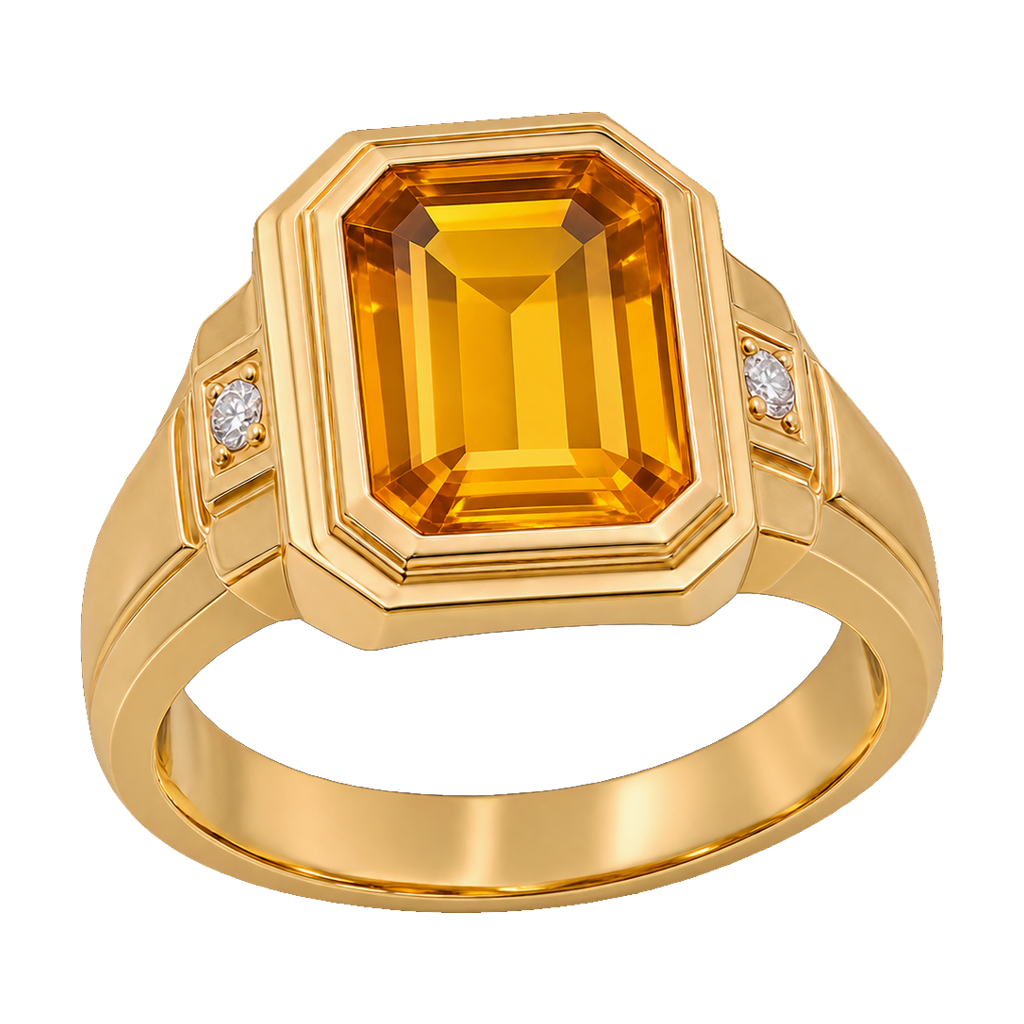
THE COLOURED GEMSTONE ENGAGEMENT EDIT
Citrine Gemstones for Engagement RingsWarm golden hues that brighten your special moments
Citrine, with its radiant yellow to amber tones, offers a vibrant and affordable alternative for engagement rings. While its sunny colours evoke joy and positivity, citrine requires mindful care to maintain its brilliance over time.
THE ESSENTIAL VERDICT
Are Citrine Gemstones Good for Engagement Rings?
Citrine makes a stunning and budget-friendly choice for engagement rings, provided it is set thoughtfully and cared for gently to preserve its warm glow.
01 / BUILT FOR LIFE
Durability and Everyday Wear
Citrine ranks around 7 on the Mohs scale of hardness, meaning it resists scratches better than many softer stones but is not as hard as sapphires or diamonds. However, hardness only measures scratch resistance and does not reflect toughness—the ability to withstand impacts. Citrine has fair toughness but can be vulnerable to sharp knocks and sudden temperature changes, which may cause internal fractures or cleavage. Heat treatments are common to enhance colour but can also make some specimens more sensitive to damage. Natural untreated citrine is rare and generally more stable, but all citrines benefit from careful handling.
MOHS HARDNESS
Citrine’s hardness is approximately 7 on the Mohs scale, indicating good resistance to scratching from everyday materials but not immune to damage from harder substances.
DAILY WEAR
Suitable for daily wear with caution; avoid rough handling and exposure to harsh chemicals or extreme temperatures to prevent damage.
SCRATCH RISK
Moderate scratch risk exists from contact with harder materials such as quartz or topaz; store separately to minimise abrasion.
TOUGHNESS
Fair toughness means citrine can chip or cleave if struck sharply or dropped; protective settings reduce this risk.
HEIRLOOM POTENTIAL
With proper care and protective settings, citrine can be a lasting heirloom, though it requires more attention than harder stones like sapphire or diamond.
02 / DESIGN WITH INTENTION
The Most Protective Ring Settings
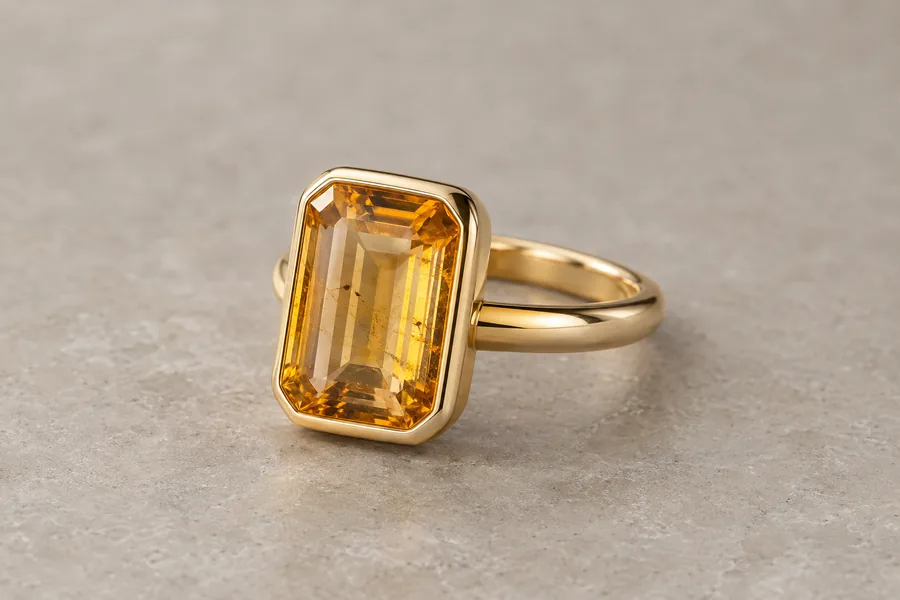
To protect citrine’s relatively moderate toughness, bezel or halo settings are recommended as they shield the stone’s edges from impacts. Prong settings can work if the prongs are sturdy and the stone is not exposed to rough wear. Avoid open or delicate mountings that leave the stone vulnerable to knocks or chipping. Protective settings help maintain the stone’s integrity and prolong its lifespan in daily wear.
03 / THE COLOUR EDIT
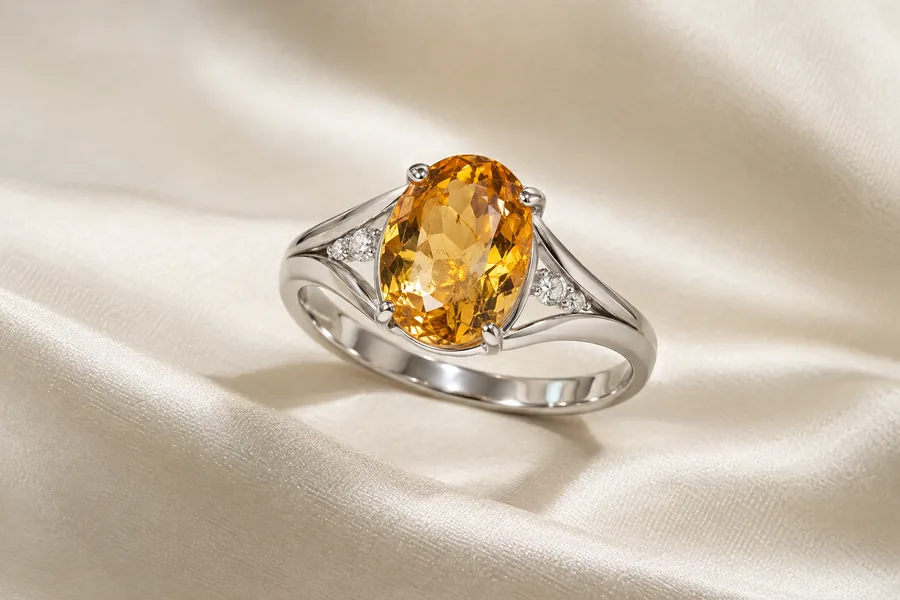
Colours and Distinctive Beauty
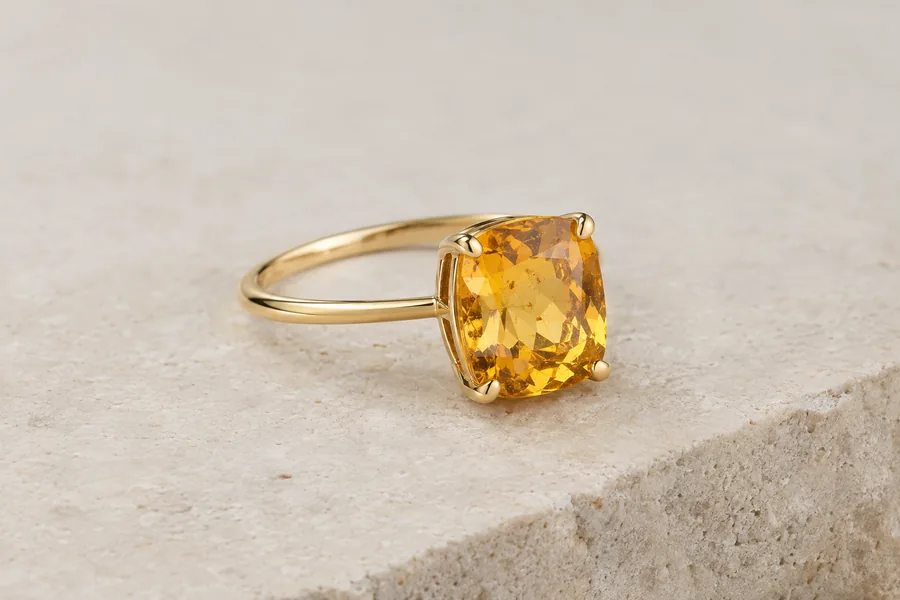
Citrine’s colour ranges from pale lemon yellow through rich golden amber to deep burnt orange. The most prized hues are warm, saturated tones that resemble natural sunlight. Heat treatment is commonly used to deepen colour, but some specimens may fade if exposed to prolonged strong light or heat. Choosing a stone with stable colour and moderate saturation ensures lasting beauty.
04 / A GEMSTONE WITH MEANING
Symbolism and Personal Significance
Traditionally, citrine is associated with warmth, vitality, and abundance. It is often called the ‘merchant’s stone’ for its reputed ability to attract prosperity and success. Its sunny colour also symbolises happiness, optimism, and clarity—qualities many couples wish to celebrate in their engagement.
05 / CUT AND PROPORTION
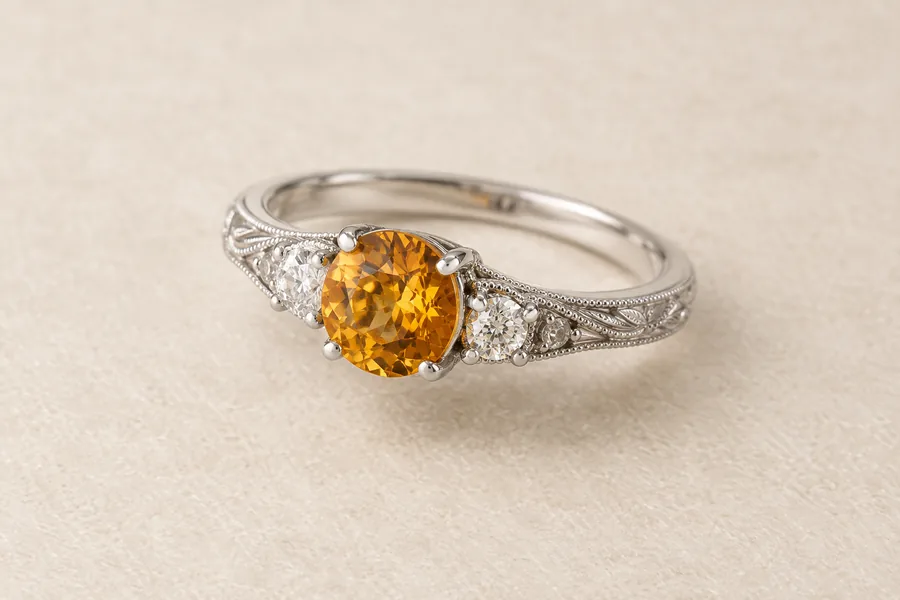
Choosing the Best Cut
Citrine is versatile in cuts, commonly fashioned into ovals, cushions, rounds, and emerald cuts that showcase its clarity and colour. Faceted cuts enhance brilliance, while cabochons highlight the stone’s rich colour and smooth surface. The choice of cut should balance aesthetics with protection, avoiding overly delicate facets that may chip easily.
06 / THE FINISHING TOUCH
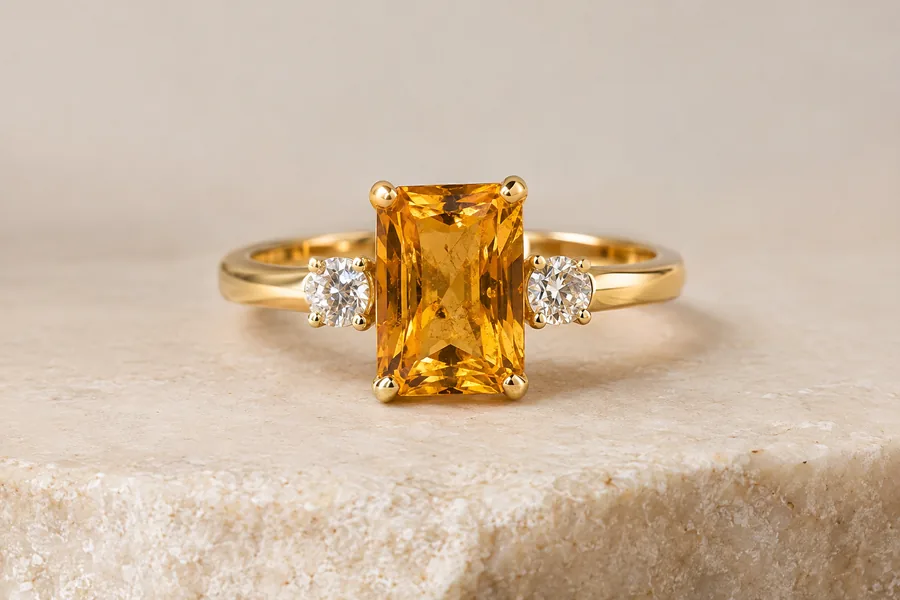
Choosing the Right Ring Metal
Yellow and rose gold settings complement citrine’s warm tones beautifully, enhancing its golden glow. Sterling silver offers a cooler contrast but may require more frequent polishing to maintain shine. Platinum is less common due to cost but provides excellent durability and hypoallergenic properties. The metal choice should harmonise with the stone’s colour and the wearer’s lifestyle.
07 / THE PRICE PERSPECTIVE
Gemstone Prices and Value
Citrine is generally affordable compared to many other gemstones, making it an attractive option for budget-conscious buyers. Factors influencing price include colour intensity, clarity, size, and cut quality. Heat-treated stones are more common and typically less expensive than rare natural untreated specimens. Current iGemz listings provide up-to-date asking prices reflecting market availability without speculative figures.
08 / KEEPING IT BEAUTIFUL
Treatments, Cleaning and Maintenance
To keep citrine looking its best, clean it regularly with warm soapy water and a soft brush, avoiding harsh chemicals or ultrasonic cleaners that may damage the stone. Remove citrine jewellery before engaging in strenuous activities or exposure to extreme heat and sunlight to prevent fading and fractures. Store separately in a soft pouch to avoid scratches from harder gems.
GEMSTONES FIRST. DESIGN POSSIBILITIES SECOND.
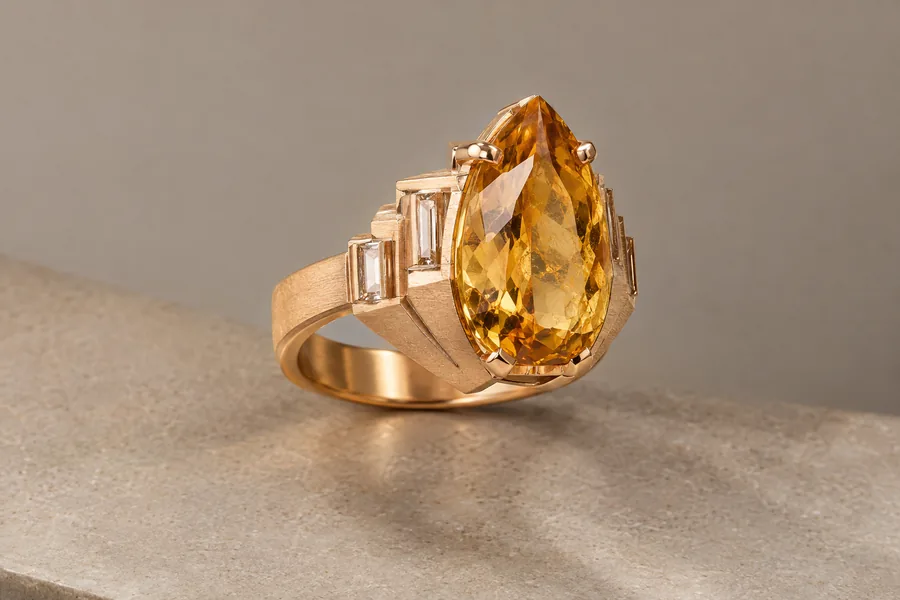
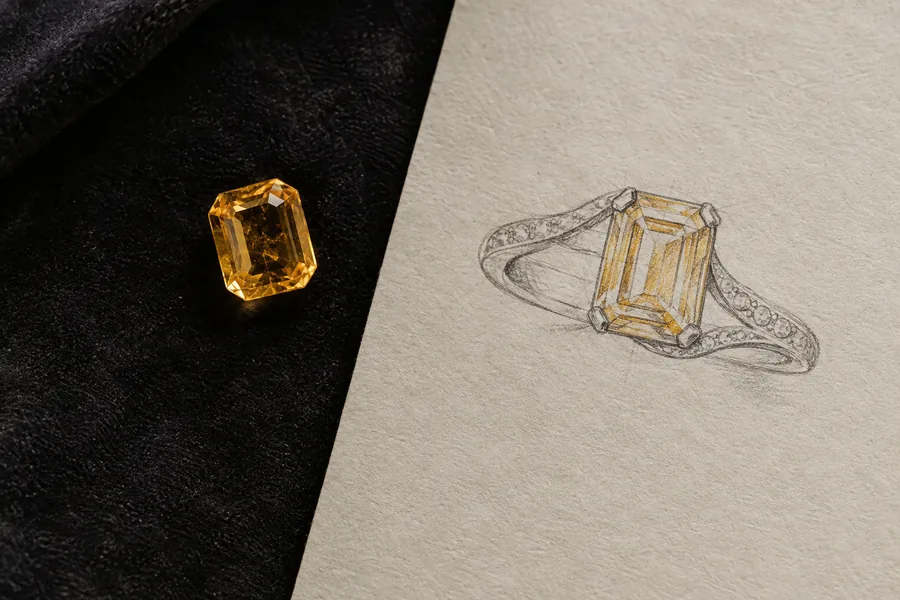
Choose the Loose Gemstone. Make the Ring Your Own.
Citrine’s sunny brilliance and affordability make it a charming choice for engagement rings, especially for those who appreciate warm colours and meaningful symbolism. With thoughtful settings and gentle care, it can shine brightly as a daily reminder of love and optimism.
09 / FIND YOUR GEMSTONE
Explore Loose Citrine at iGemz
Explore our curated selection of citrine gemstones at iGemz, perfect for creating unique and radiant engagement rings. Each stone is carefully chosen for colour and clarity, ready to be set in your dream design.
10 / CURRENT COLLECTION
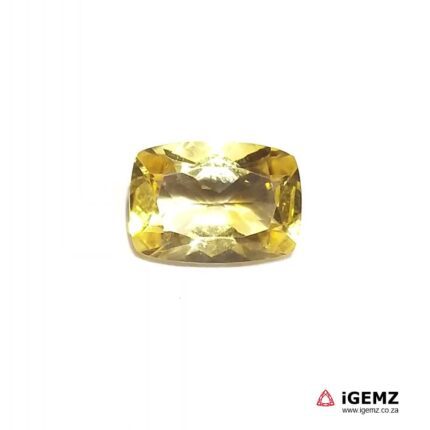
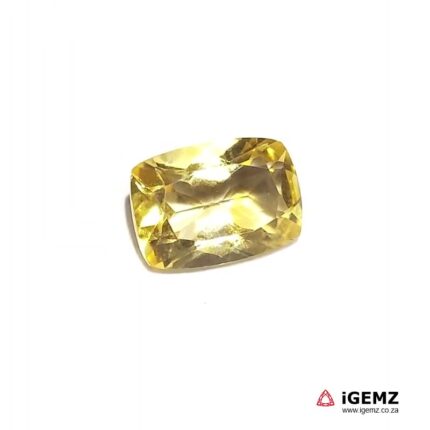
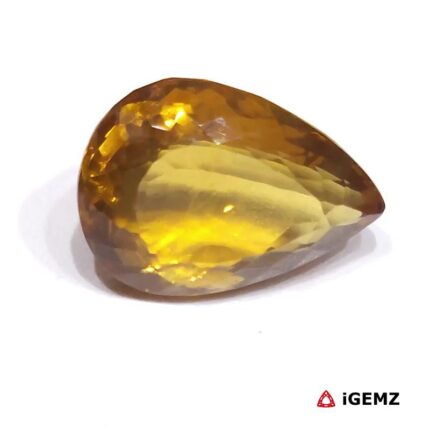
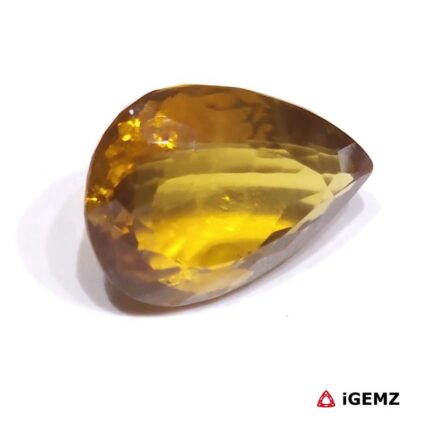
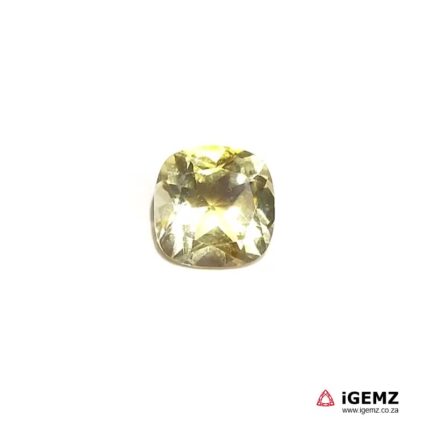
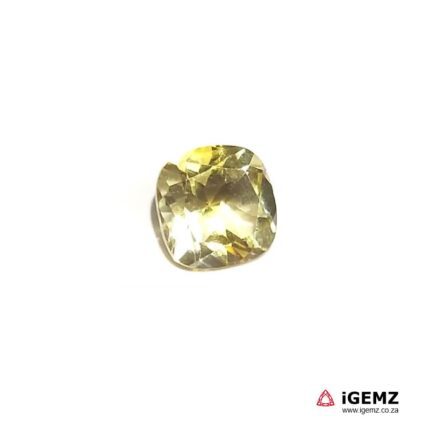
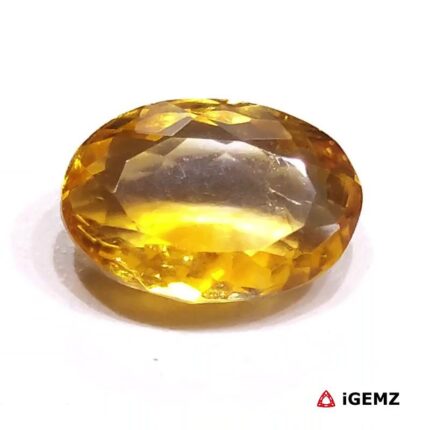
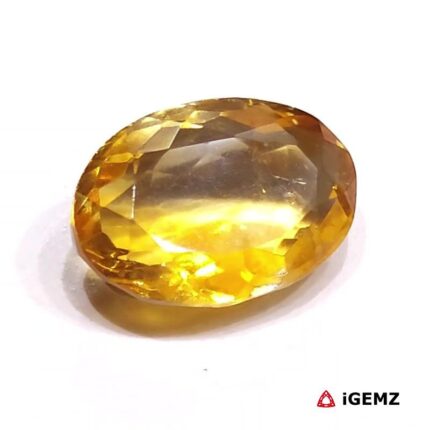
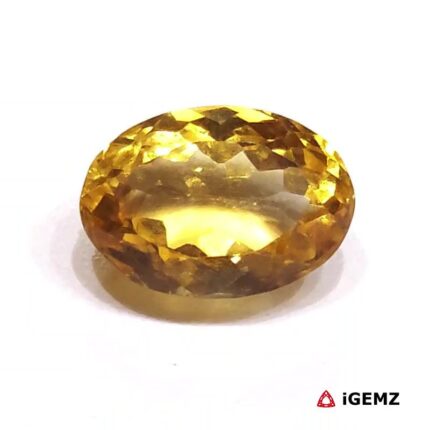
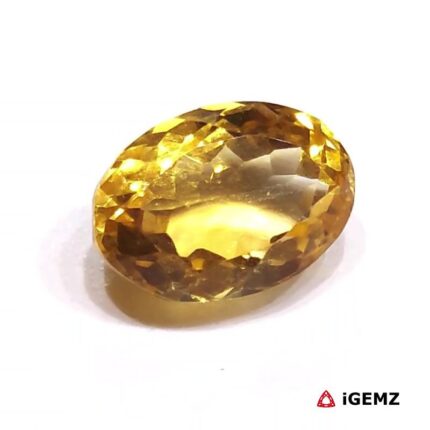
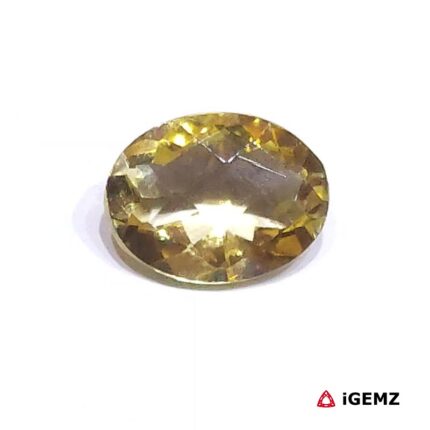
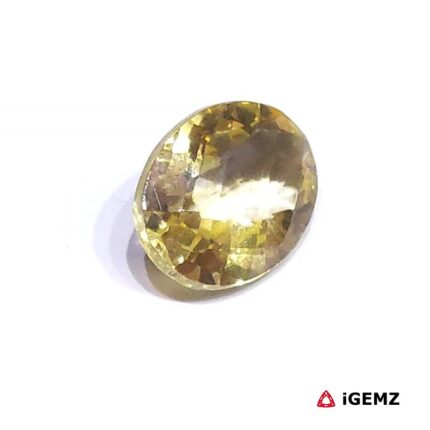
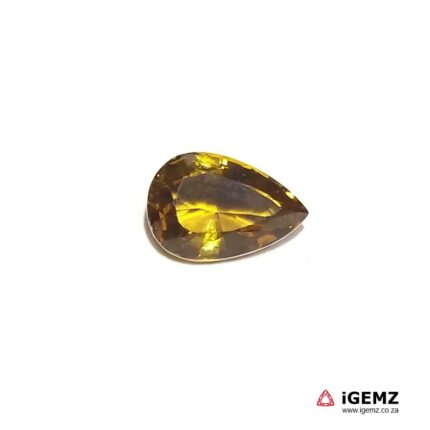
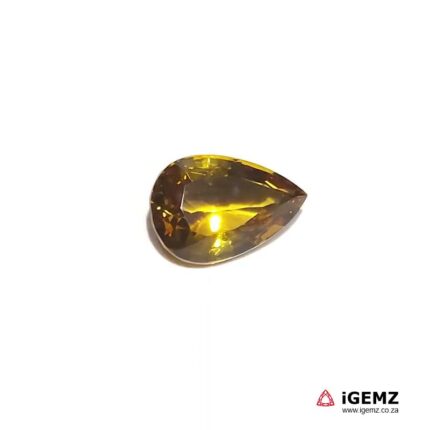
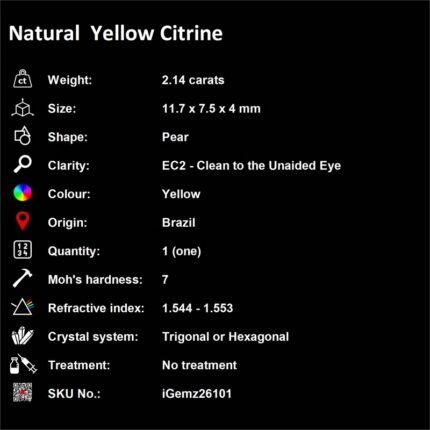
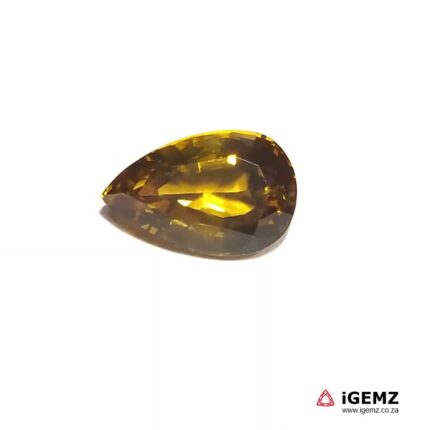
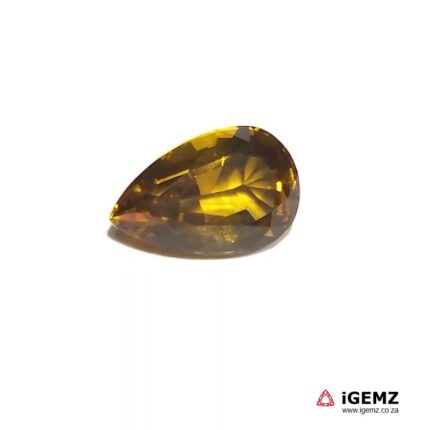
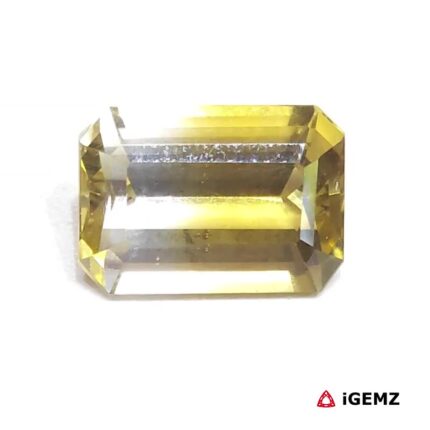
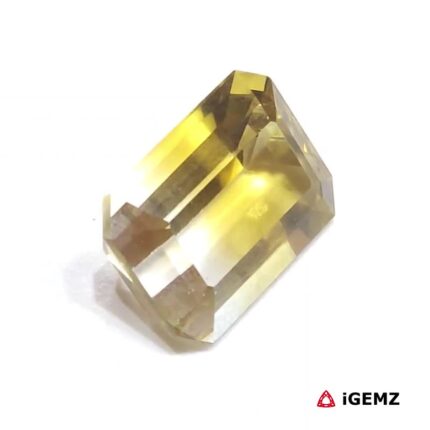
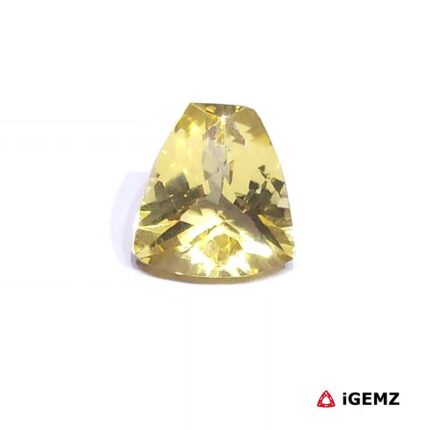
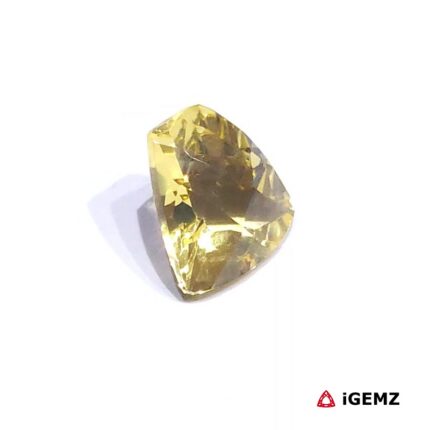
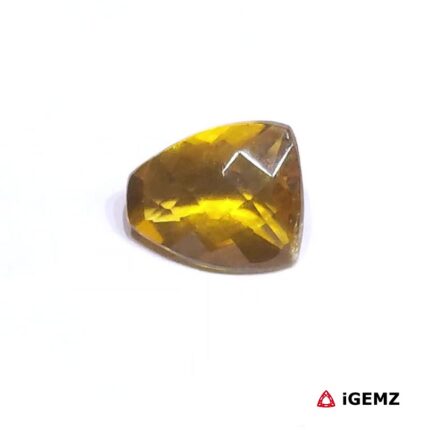
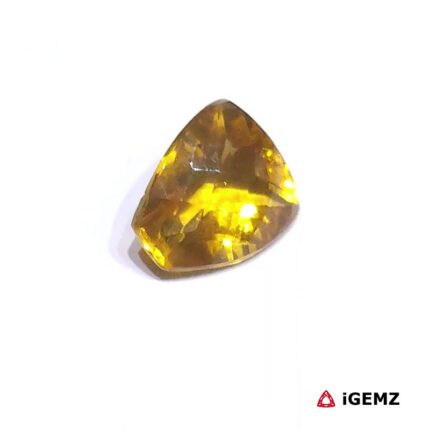
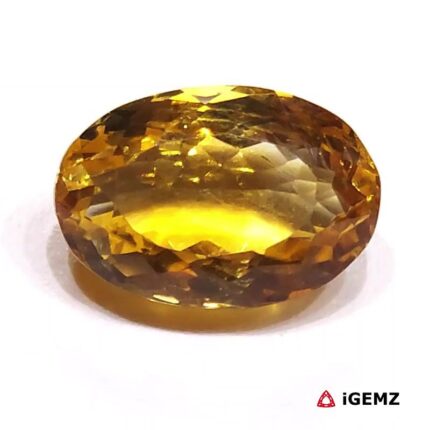
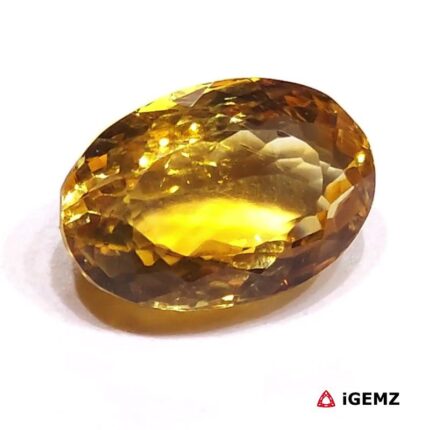
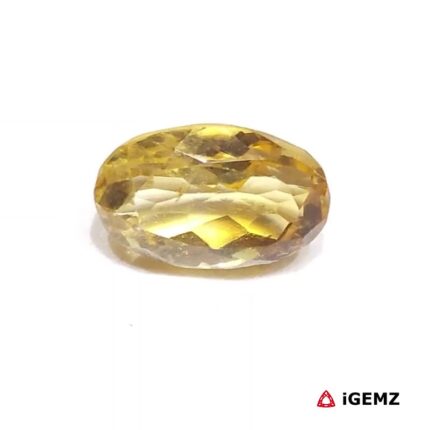
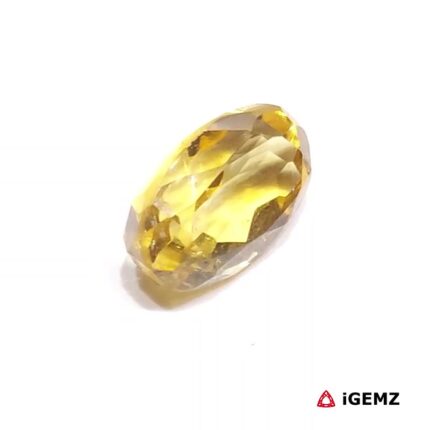
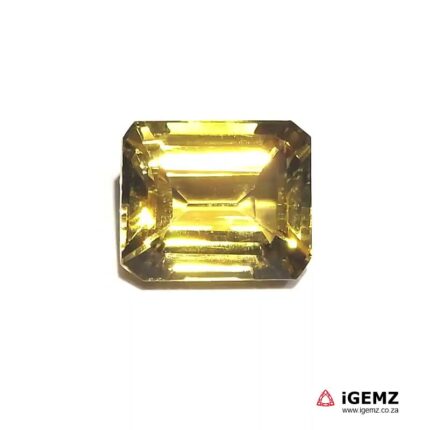
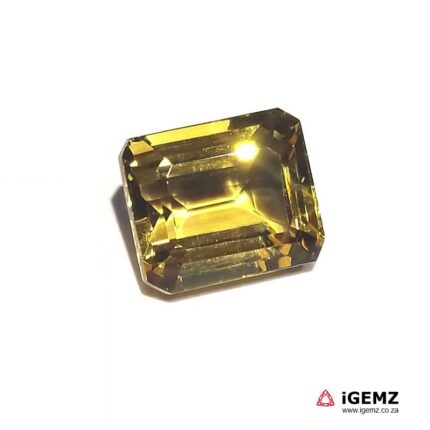
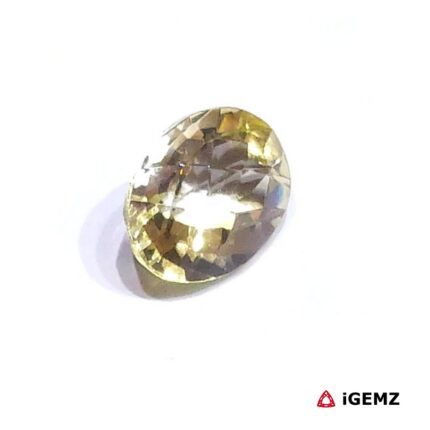
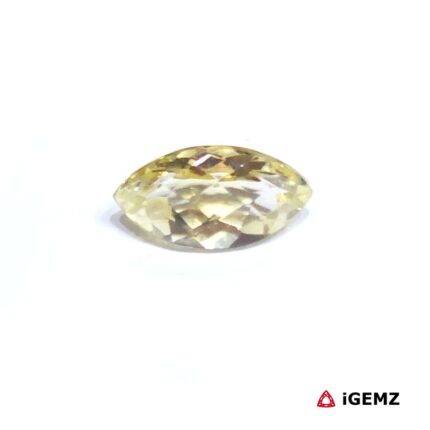
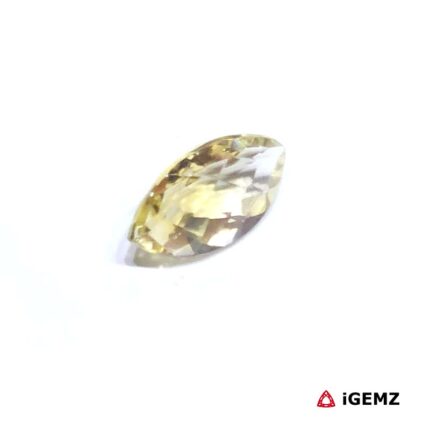
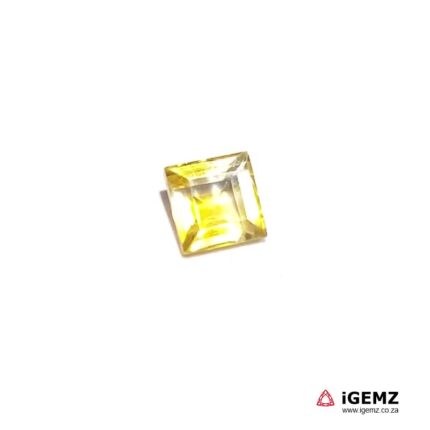
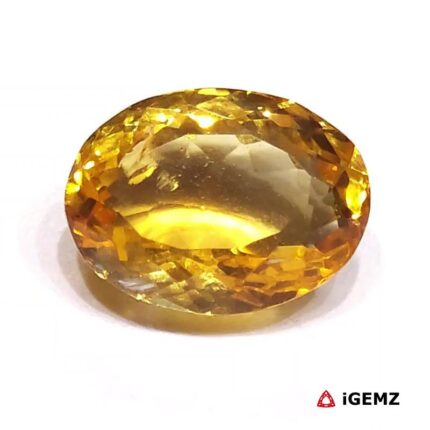
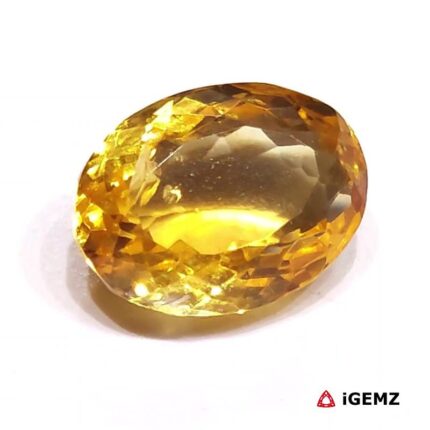
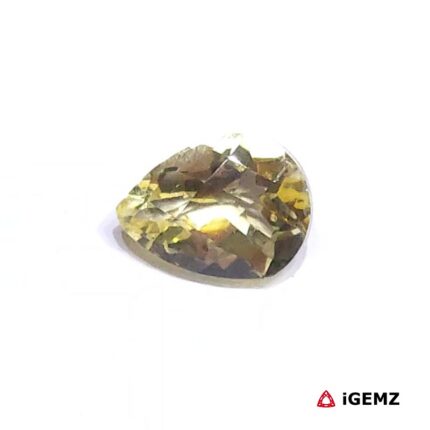
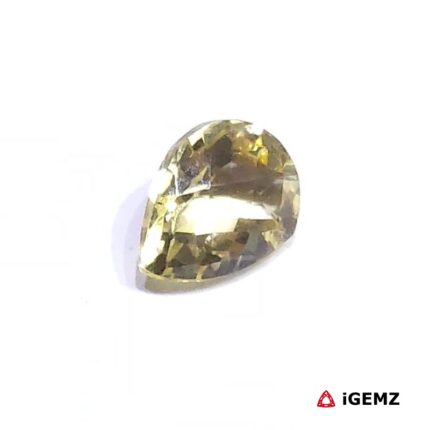
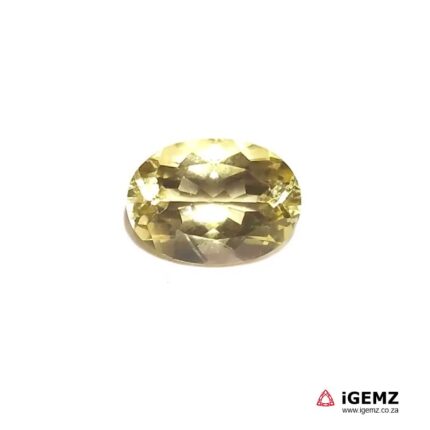
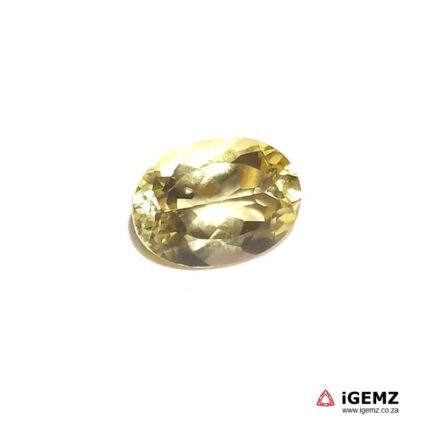
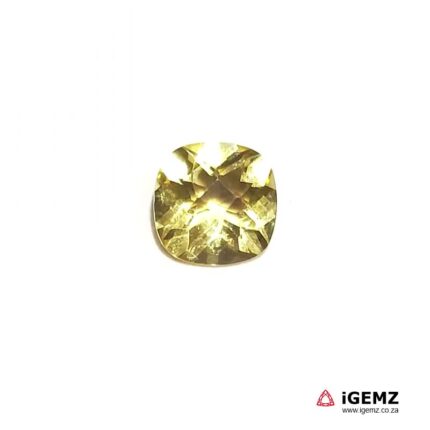
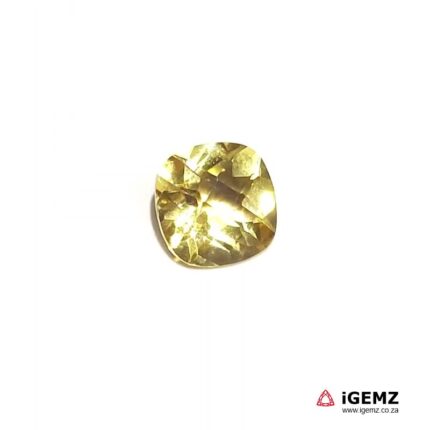
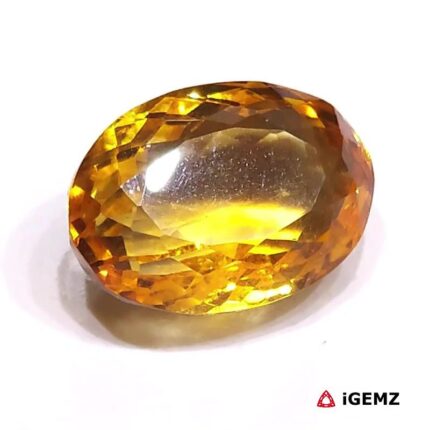
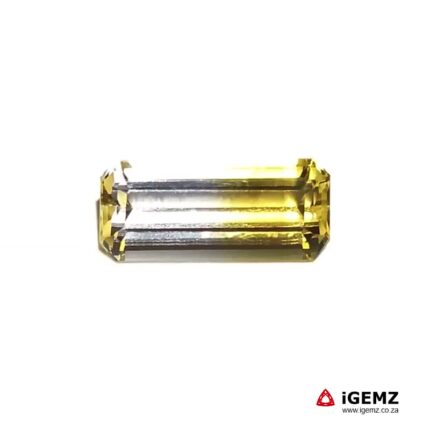
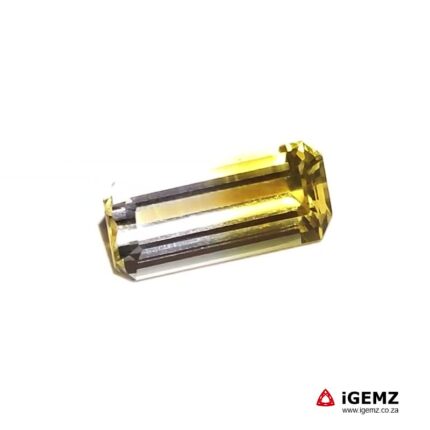
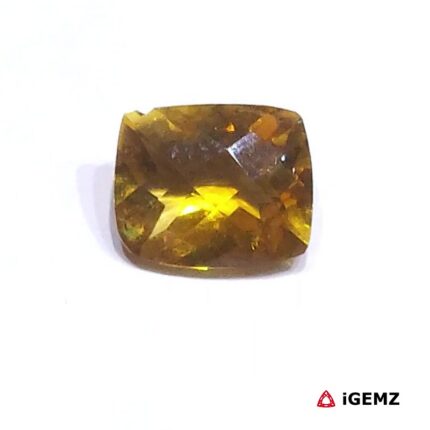
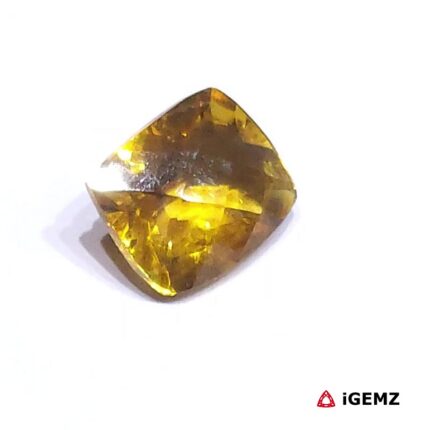
Citrine Gemstones Available Online
Explore matching loose gemstones. Inventory and asking prices may change.


11 / GO FURTHER
Explore More Gemstone Buying Advice
Consider pairing citrine with complementary stones like smoky quartz or garnet for a personalised and vibrant jewellery ensemble. Discover more beautiful gems that bring warmth and character to your collection.
Best Gemstones for Engagement Rings · Gemstone Comparisons · Gemstone Buyer’s Guides
12 / QUESTIONS ANSWERED
Citrine Engagement Ring FAQs
Is citrine a natural gemstone or is it usually treated?
Most citrine on the market is heat-treated amethyst or smoky quartz to achieve its warm yellow to orange hues. Natural untreated citrine is rare and often paler. Treatment enhances colour but may affect durability.
How hard is citrine compared to other gemstones?
Citrine rates about 7 on the Mohs scale, making it harder than quartz but softer than sapphire or diamond. This means it resists scratches fairly well but still needs care.
Can citrine be worn daily in an engagement ring?
Yes, but with caution. Citrine should be set securely and protected from knocks, chemicals, and extreme heat to maintain its appearance over time.
What settings are best for citrine engagement rings?
Bezel and halo settings are ideal as they protect the stone’s edges. Prong settings can work if sturdy and well-maintained.
Does citrine fade in sunlight?
Prolonged exposure to strong sunlight or heat can cause some citrine stones, especially treated ones, to fade. It’s best to avoid extended direct sunlight.
How should I clean my citrine ring?
Use warm soapy water and a soft brush. Avoid ultrasonic cleaners and harsh chemicals that could damage the stone or its setting.
Is citrine a good choice for an heirloom piece?
With proper care and protective settings, citrine can be passed down, but it is more vulnerable than harder stones and requires mindful maintenance.
What colours does citrine come in?
Citrine ranges from pale yellow through golden amber to deep orange-brown. The most valued colours are rich, warm tones with good saturation.
Looking for a Particular Citrine?
We supply loose gemstones. Discuss ring manufacture with your independent jeweller.